Spain in July: San Fermín, Peak Beach Season, and Serious Heat
Plan your trip
July is Spain’s most extreme month — the heat is serious, the crowds are at peak, and the festivals are extraordinary. San Fermín in Pamplona opens July 7 with a cannon shot and runs for nine days of the most internationally famous street festival in Europe. The Mediterranean beaches are at maximum capacity. Seville and Córdoba regularly exceed 40°C. If you choose July, choose it knowing what you’re getting: the fullest, loudest, hottest version of Spain.
Weather in July
Madrid: 20°C to 36°C. Hot. The city empties partially as madrileños vacation on the coast; those who stay develop strict morning/evening rhythms. The Prado and Reina Sofía provide cold air conditioning.
Barcelona: 22°C to 31°C. Hot and humid by Spanish standards; the sea breeze helps. Beaches are packed wall-to-wall. The city is at its most international.
Seville: 26°C to 42°C. The hottest city in western Europe in summer. July is genuinely extreme — outdoor activity is only possible before 11 AM and after 8 PM. The city is beautiful in the evening.
Northern Spain (Basque Country, Galicia): 18°C to 26°C. The intelligent alternative — dramatically cooler than the south, excellent food, green coast, and summer festivals of its own.
Balearic Islands: 24°C to 32°C. Full summer peak. Water 26–27°C. Every beach crowded.
San Fermín — Pamplona (July 6–14)
San Fermín is one of the most famous festivals in the world, made internationally known by Hemingway’s The Sun Also Rises. The festival runs July 6–14 in Pamplona, a small city in Navarra.
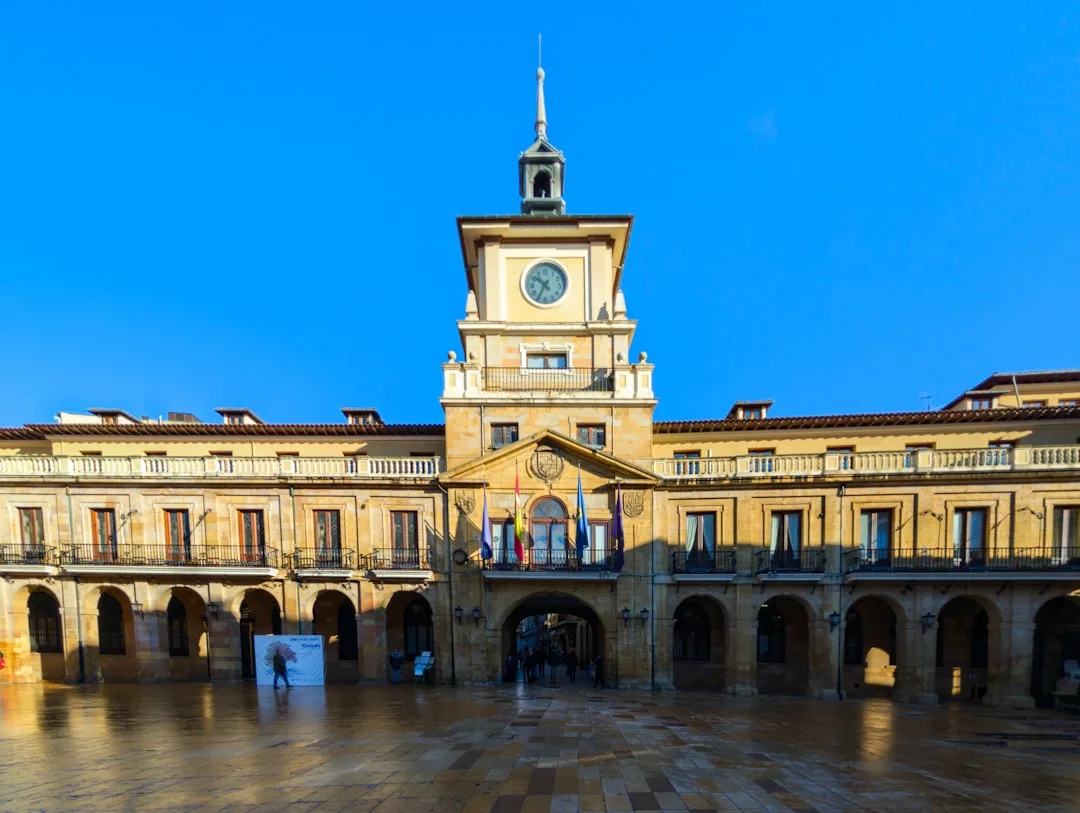
The Opening: July 6, 12:00 noon — the chupinazo, a rocket fired from the balcony of the Ayuntamiento. The entire city, dressed in white with red neckerchiefs (pañuelo), erupts simultaneously. Considered the most electric single moment in Spanish festival culture.
The Encierro (Running of the Bulls): Runs every morning at 8:00 AM sharp from July 7–14. Bulls (six fighting bulls and several steers) run approximately 875 meters through the old city streets from the corrals of Santo Domingo to the bullring. Duration: usually 3–5 minutes. Participants must be over 18, sober, and aware of the serious injury risk.
Watching the run: The route is lined with barriers — standing spots fill from 7 AM. The fence sections near the curve at Estafeta are the most dramatic to watch; the stretch near the bullring entrance sees the final sprint. No tickets required for street viewing positions.
Running: Enter through the fenced gates that close at 7:30 AM. Wear the traditional white and red. The risk is real — injuries occur every year, and deaths have happened. Do not run drunk (not permitted), do not fall deliberately, and do not touch the bulls.
The Festival: San Fermín is nine days of continuous street celebration — peñas (festival clubs) parade through the streets with live brass bands; the nightlife runs past 6 AM; outdoor concerts, bullfights, fireworks, and more encierros each morning.
Accommodation: Pamplona’s hotels book out a year in advance and charge 5–10× normal rates. Most visitors sleep in campsites outside the city, Airbnbs, or nearby towns. Book as early as possible.
July in Northern Spain
The Basque Country and Galicia in July are Spain’s smartest summer choice:
San Sebastián: The beaches (La Concha, Zurriola) are beautiful and less overcrowded than the Mediterranean. The pintxos culture peaks in summer. The Jazz Festival runs in late July — one of Europe’s best.
Galicia: The Camino de Santiago reaches its peak in July and August. The coastal towns (Baiona, A Coruña, the Rías Baixas) have sheltered beaches, green cliffs, and excellent seafood. Water temperature on the Atlantic coast: 18–20°C — cold by Mediterranean standards, comfortable for short swims.
Santander/Asturias: Green coast, cave art at Altamira (the Neocueva replica), sidra (cider) culture in Asturias, prehistoric cave beaches.
July in Madrid
Madrid empties in July — the madrileños leave, which means:
- Museum circuit virtually empty (Prado, Reina Sofía, Thyssen)
- Restaurants in tourist areas stay open; local neighborhood spots may close for August
- Rooftop bars running until 2–3 AM
- The city at night (after 9 PM) is genuinely pleasant with cooler temperatures
The heat (36°C+ midday) is managed by the city’s excellent urban design — the broad tree-lined boulevard of Paseo del Prado, the Retiro park shade, the underground metro connecting everything.
July Beaches
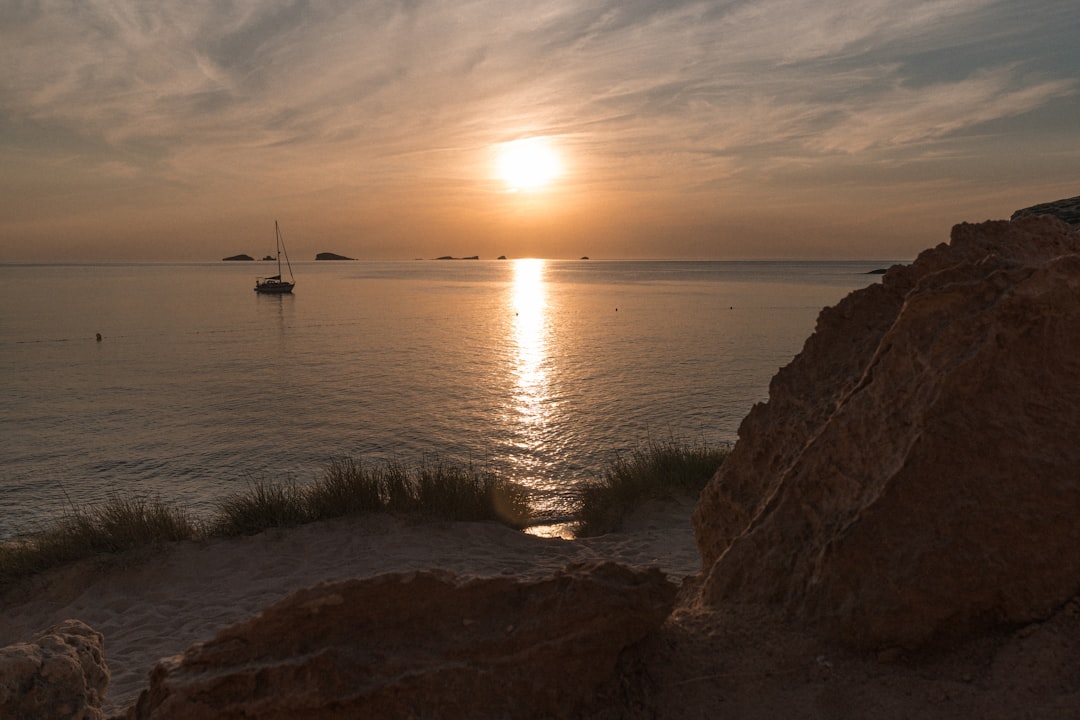
Mediterranean: Fully operational, crowded. Costa Brava (north of Barcelona) is the most beautiful coast — rocky coves, clear water, pine forests to the cliff edge. Cadaqués and Cap de Creus are worth the effort of reaching. Costa del Sol (Málaga) is developed and accessible. The Almería coast (Cabo de Gata natural park) has the best water clarity in mainland Spain.
Balearics: Mallorca’s hidden calas (coves) require effort to reach but are extraordinary. Formentera — the smallest Balearic — has Caribbean-quality water. Menorca is the quietest.
Budget in July
| Category | Budget | Mid-range |
|---|---|---|
| Accommodation (mainland) | €50–€110/night | €130–€280/night |
| Accommodation Balearics | €70–€150/night | €180–€400/night |
| Accommodation (San Fermín week) | €200–€400/night | — |
| Meals | €12–€22/meal | €28–€70/meal |
Peak-season pricing across Spain — highest of the year in coastal and resort destinations. Pamplona during San Fermín is the extreme case.
The Short Version
July is peak Spain — full intensity, maximum heat, maximum crowds, maximum price. San Fermín is extraordinary if you understand what you’re entering into. The northern coast (Basque Country, Galicia) offers a completely different Spain — cooler, greener, less crowded, and arguably better food. The Mediterranean beaches deliver everything they promise if you book early and accept the crowds. Choose your July Spain based on what you actually want, not what the postcard shows.
Plan your trip