Two Weeks in Spain: The Ultimate 14-Day Itinerary
Plan your trip
Two weeks is enough to trace Spain’s greatest arc — from Castilian Madrid through the flamenco south to Mediterranean Barcelona. This itinerary follows the high-speed rail network, so you skip internal flights and arrive in city centres, not airports.
Days 1–3 – Madrid
Three days in the Spanish capital, one of Europe’s most underrated cities.
Day 1: The Golden Triangle of Art: Prado (Velázquez, Goya), Reina Sofía (Picasso’s Guernica, Dalí), and the Thyssen-Bornemisza (everything else). You can’t do all three in a day — pick two and save the third.
Day 2: Royal Palace and Almudena Cathedral in the morning. La Latina neighbourhood in the afternoon — tapas on Cava Baja, vermouth bars, and the Rastro flea market (Sundays only). Evening in Malasaña or Lavapiés for dinner.
Day 3: Day trip to Toledo (30 min by AVE) or Segovia (30 min by high-speed train). Segovia has a perfectly preserved Roman aqueduct (still standing after 2,000 years), a fairy-tale Alcázar castle, and excellent roast suckling pig restaurants.
Days 4–5 – Seville
Take the AVE south from Madrid to Seville (2.5 hours, €30–50). Seville is Spain’s most passionate city — and the spiritual home of flamenco, bullfighting, and tapas culture.
Day 4: The Cathedral of Seville (the world’s largest Gothic cathedral, containing Columbus’s tomb), the Giralda (its Moorish minaret-turned-bell tower with ramp walks to the top), and the extraordinary Real Alcázar — an active royal palace with Mudéjar architecture and immense gardens. Book tickets in advance.
Day 5: The Santa Cruz neighbourhood (whitewashed lanes, orange trees, flower-draped balconies), Plaza de España (a vast semicircular palace for the 1929 Expo — spectacular), and the Triana neighbourhood across the river for ceramics, tapas, and flamenco bars. Evening: a genuine flamenco show — book a reputable tablao (not the tourist trap version).
Days 6–7 – Granada
Take the train or bus to Granada (3 hours from Seville). No city in Europe carries its Moorish past more powerfully.
Day 6: The Alhambra — one of the world’s great architectural achievements, a 14th-century Nasrid palace complex with intricate plasterwork, arabesques, and gardens above the city. Book tickets weeks in advance; they sell out entirely in summer. The Generalife gardens are included.
Day 7: The Albaicín neighbourhood, a UNESCO-listed Moorish quarter of narrow streets and white houses — walk up to the Mirador de San Nicolás for the classic Alhambra view. Spend the evening on Calle Elvira for tapas — a Granada speciality is that tapas come free with drinks.
Day 8 – Málaga & Costa del Sol
Drive or take the train to Málaga on the Mediterranean coast. This is Picasso’s birthplace and a rapidly gentrifying coastal city with excellent food, the Picasso Museum Málaga, a Roman theatre, and a well-preserved old town.
Afternoon: beach time at La Malagueta beach or take a taxi to Nerja for the white-washed village and exceptional bay views.
Day 9 – Valencia
Take the train up the Mediterranean coast to Valencia (3–4 hours from Málaga). Valencia is the birthplace of paella — and the real version is nothing like what’s served in tourist restaurants elsewhere. Eat paella at lunch (never dinner) at a local restaurant near the beach.
Visit the City of Arts and Sciences (Santiago Calatrava’s futuristic museum complex), the Central Market (one of Europe’s largest and most beautiful), and the Barrio del Carmen neighbourhood.
Days 10–12 – Barcelona
High-speed train to Barcelona (3 hours from Valencia, ~€30–60). Three days to do the city properly.
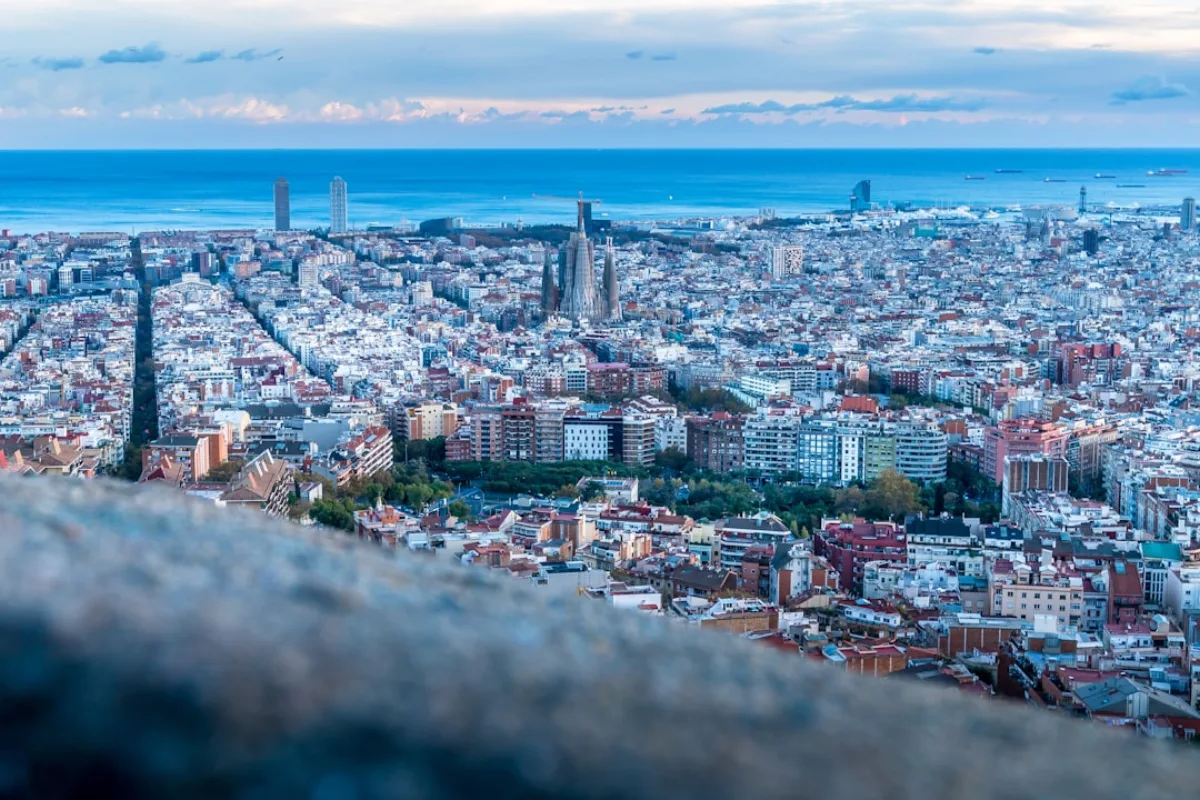
Day 10: Sagrada Família (book ahead — a few weeks minimum in summer), then Park Güell (timed tickets online). Evening in El Born.
Day 11: Gothic Quarter and Santa Maria del Mar in the morning; Barceloneta beach in the afternoon; Eixample restaurants for dinner.
Day 12: Picasso Museum, Montjuïc (cable car up, Fundació Joan Miró, MNAC), and Passeig de Gràcia to see Casa Batlló and Casa Milà facades.
Days 13–14 – Costa Brava or Pyrenees
Option A (coast): Rent a car and drive north to the Costa Brava — dramatically different from the Costa del Sol, with rocky coves, clear water, and charming towns like Cadaqués (where Dalí lived), Begur, and Calella de Palafrugell.
Option B (mountains): Drive to the Pyrenees — the small mountain towns of Berga, Ripoll, and the Catalan Pyrenean valleys offer hiking, Romanesque churches, and mountain air completely removed from city tourism.
Return to Barcelona for departure.
Practical Tips
AVE trains: Spain’s high-speed network (Renfe) is excellent. Book 2–4 weeks ahead for the cheapest fares. The Seville–Granada route requires a regional train (or bus).
Alhambra: Cannot be overstated — book the Nasrid Palaces timed entry online at alhambra-patronato.es as soon as your dates are confirmed.
Eating times: Spaniards eat late. Lunch 2–4pm. Dinner 9–11pm. You’ll eat at 8pm and find yourself in an empty restaurant.
Budget: Two weeks costs roughly €1,800–2,800 per person mid-range including flights.
Plan your trip