Phuket: Beaches, Phang Nga Bay & Beyond the Resort Strip
Plan your trip
Phuket is Thailand’s largest island and its most visited — 14 million arrivals per year, concentrated largely in the Patong–Karon–Kata resort strip on the west coast. The island is also genuinely beautiful in the parts that haven’t been fully developed: the limestone karst scenery of Phang Nga Bay to the north, the Similan Islands for world-class diving to the northwest, the Phuket Old Town Sino-Portuguese architecture in the center, and beaches on the southern tip that remain accessible without requiring resort membership.
The island works best as a base for the surrounding region rather than as a destination in itself — the bay and island day trips are exceptional.
The Beaches
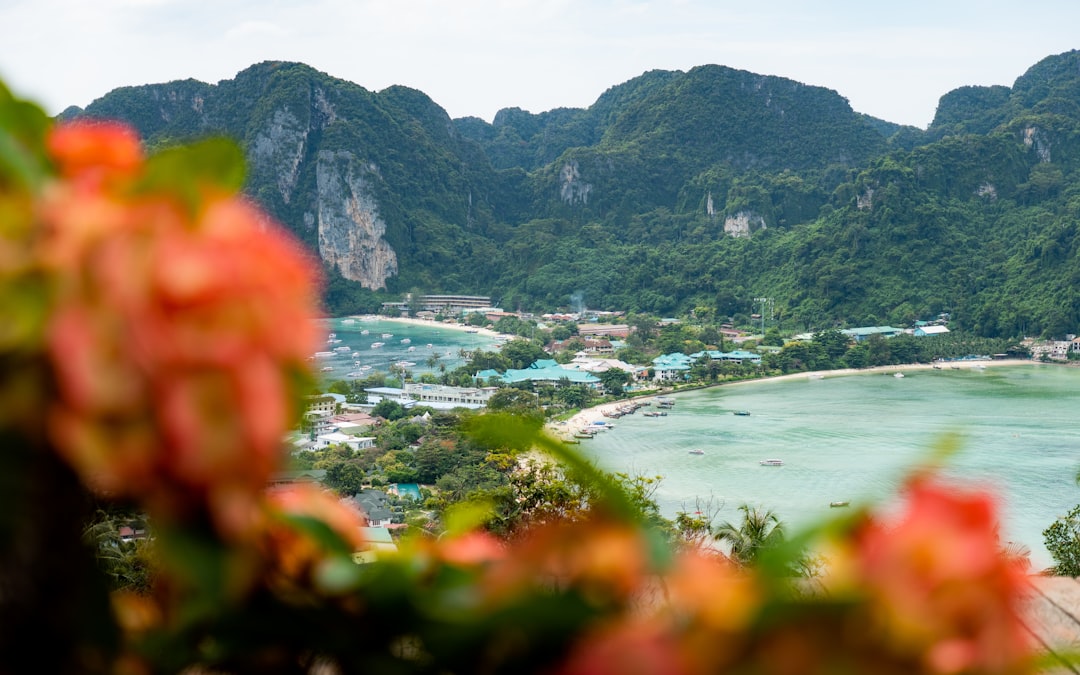
Patong: The main resort beach — 3 km of sand, densely developed behind it, active beach vendors during the day, and Bangla Road (the entertainment strip) at night. Functional as a base; not representative of Phuket’s potential.
Kata Noi: South of Kata — a small, sheltered bay with a reef break popular with surfers in the May–October monsoon season. The beach is shorter than Kata but less crowded and backed by the Kata Rocks resort (the best infinity pool viewpoint in southern Phuket).
Nai Harn: The southernmost beach on the west coast — a medium-sized bay with a lake behind it and a yacht club. The most balanced beach on the island: good sand, no resort wall, food vendors but not overwhelming, and the best sunset viewpoint at Promthep Cape 5 minutes further south.
Surin and Bang Tao: The north coast beaches — longer, less developed, and the location of the Laguna Resort complex (several hotels sharing facilities). The local fishing village at the north end of Bang Tao beach is still operational and has some of the island’s best local food at the market on Wednesday and Saturday evenings.
Rawai: The southeast coast — a working fishing village with a long beach used more for boats than swimming. The seafood restaurants along the beachfront buy directly from the returning boats; the evening fish market here is genuine, not tourist theater.
Phang Nga Bay
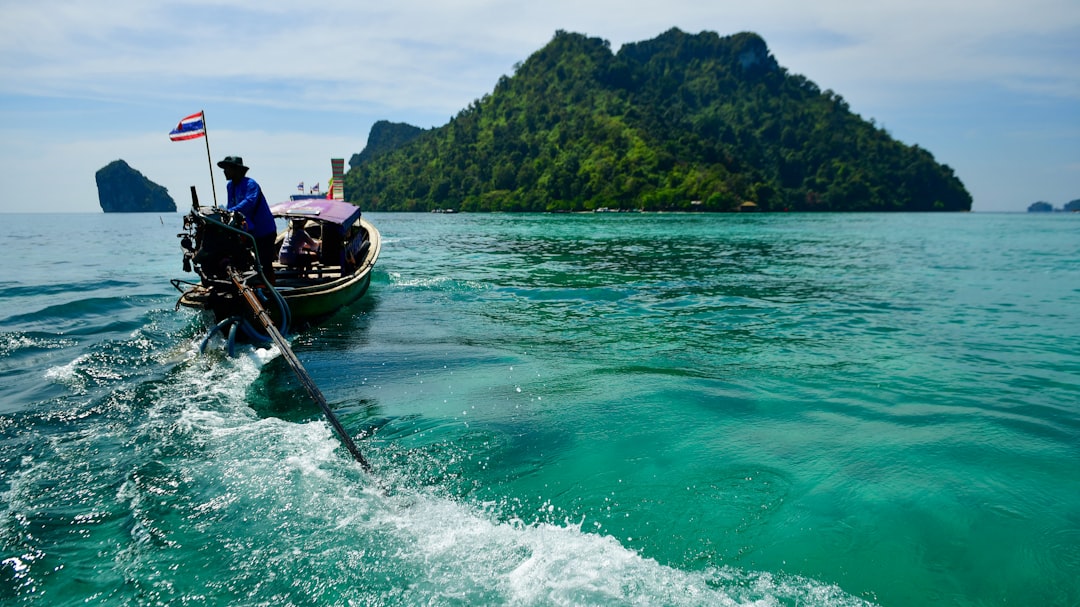
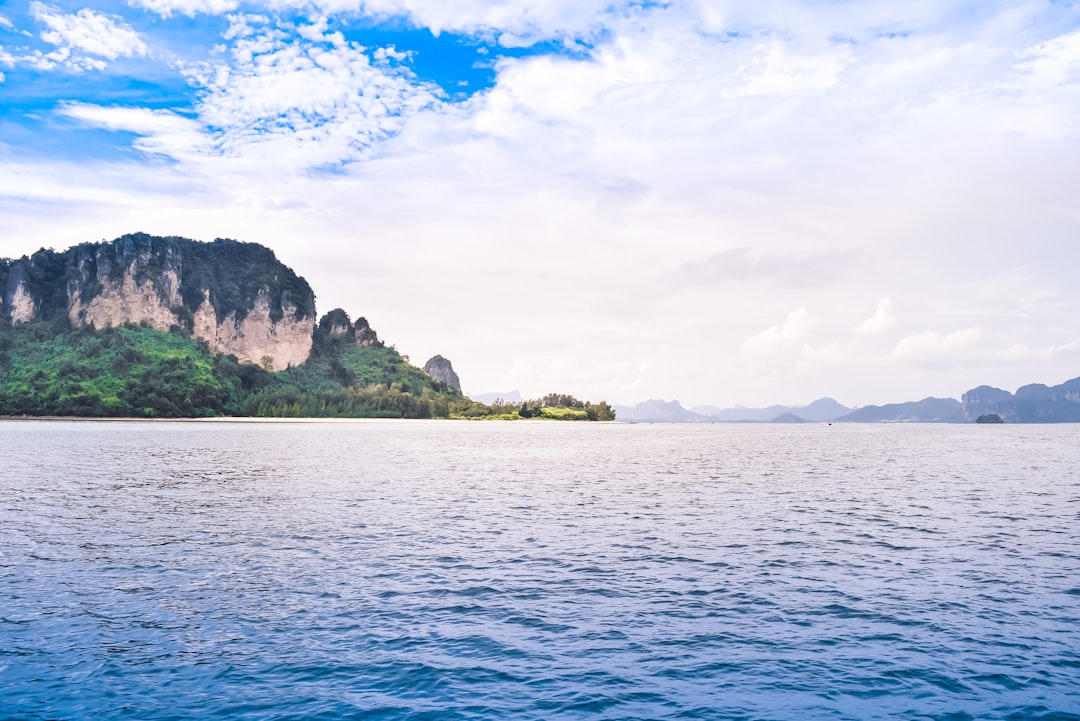
An hour north of Phuket — a bay of 400 km² studded with limestone karst islands, sea caves, mangrove forests, and hongs (internal lagoons accessible only by sea kayak at certain tides). The landscape inspired the backdrop for The Man with the Golden Gun (1974).
Ko Tapu (James Bond Island): The iconic limestone pinnacle rising from the bay — accessible only as part of a bay tour. The island itself is overrun with tour groups; the rest of the bay is the reason to come.
Ko Panyi: A Muslim fishing village built on stilts over the water — the village is a full community of 200 families, with a mosque, school, and football pitch built on floating platforms. Worth the detour as a functional community rather than a tourist attraction.
Sea kayaking: The way to access the hongs — internal caves and lagoons that open into hidden lagoons at low tide. Several operators run guided kayaking tours from Phuket and from Ao Nang (Krabi); the best are small-group (8–10 person) tours that avoid the large tour boats. Half-day from ฿1,200.
Phuket Old Town
The historic center of Phuket Town (30 minutes east of Patong) — Sino-Portuguese shophouses from the 19th-century tin-mining boom, painted in the heritage colors mandated by the local preservation office. Thalang Road, Dibuk Road, and Krabi Road are the most photogenic streets; the Sunday Walking Street (Lard Yai Market) runs along Thalang Road with food stalls and craft vendors.
Baan Chinpracha Mansion: A preserved Sino-Thai mansion open as a museum — the original furnishings, family photographs, and an introduction to the Peranakan (Straits Chinese) culture that built Phuket’s commercial class. Entry ฿100.
Similan Islands
65 km northwest of Phuket — a national park archipelago of 9 islands with some of the best visibility and coral diversity in Southeast Asia. The dive sites on the eastern side have bouldering formations and soft corals; the western side has more challenging conditions and pelagic species (whale sharks, manta rays, March–April).
Getting there: Speedboat from Tap Lamu pier (2.5 hours). Live-aboard dive boats operate from Ao Chalong pier. The islands are a marine national park — overnight camping is possible but limited. The park closes during the May–October monsoon season.
Practical Notes
- Getting there: Phuket International Airport has direct flights from Bangkok (1.5 hours), Singapore, Hong Kong, Kuala Lumpur, and European hubs
- Getting around: No public transport. Metered taxis (demand the meter or use Grab). Motorbike rental (฿250/day) for independent beach-hopping; requires a license and confidence in Thai traffic
- Best time: November–April (dry season). May–October is monsoon season — some beaches close, ferry services are reduced, diving visibility drops. West coast beaches are roughest in the monsoon; east coast (Rawai area) is more sheltered
- Accommodation: Patong for nightlife access; Kata/Nai Harn for beach quality; Phuket Town for culture and local food
Plan your trip