Thailand in February: Peak Season Continues, Chinese New Year, and Chiang Mai at Its Best
Plan your trip
February is the final month of Thailand’s peak season — the weather is excellent, dry season continues across virtually the entire country, and the beaches are at their best. Chiang Mai’s cool season is in its final weeks. Chinese New Year (usually falling in January or February) brings street celebrations to Bangkok and Phuket’s Sino-Thai communities. February is marginally less crowded than January and represents one of the year’s last windows before the pre-rainy season heat of March–May.
Weather in February
Bangkok: 25°C to 34°C. Still dry and clear. Slightly warmer than January. Excellent for city tourism.
Chiang Mai: 15°C to 33°C. The cool season’s final weeks — still the best visiting conditions for the north, though warming toward month end. Excellent visibility and clear air.
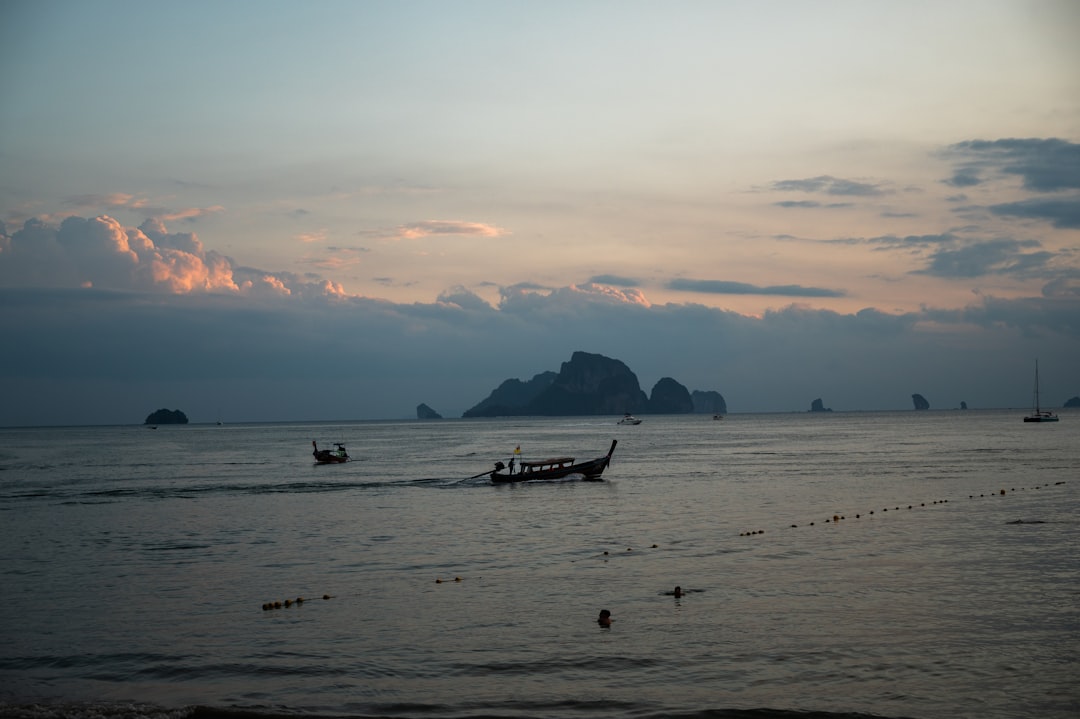
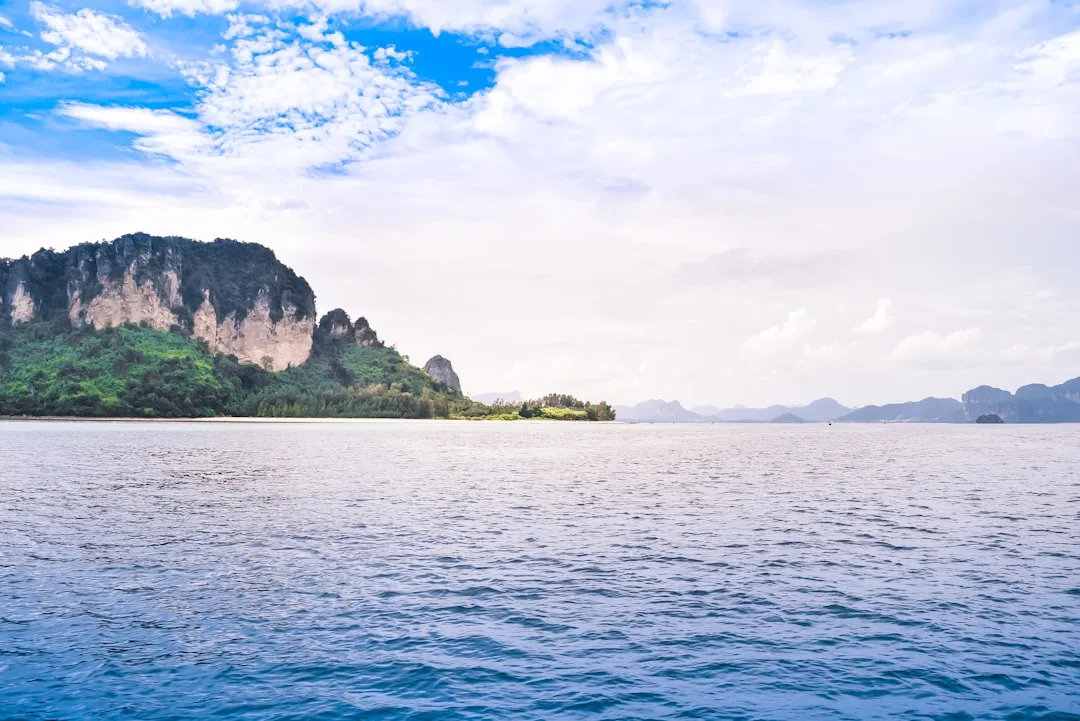
Phuket/Andaman Coast: 25°C to 33°C. Dry season continues. Andaman Sea calm and clear, diving and snorkeling optimal.
Ko Samui/Gulf Coast: 25°C to 32°C. Dry season on the Gulf side. February is Ko Samui’s finest month — the northeast monsoon has completely passed.
Ko Tao: 26°C to 32°C. Excellent diving — whale sharks are sometimes spotted around Ko Tao between February and April.
Chinese New Year in Thailand
Chinese New Year (date varies — late January to mid-February) is a major cultural event in Thailand’s Sino-Thai communities:
Bangkok — Chinatown (Yaowarat): The gold-sign-covered streets of Bangkok’s Chinatown run lion dances, dragon parades, and fireworks. Yaowarat Road is packed for several days around New Year. The food — roast duck, dim sum, braised pork — is extraordinary year-round but particularly festive during the celebration.
Phuket Town: Phuket’s old Sino-Portuguese town district runs one of Thailand’s most atmospheric Chinese New Year celebrations — the old town’s painted shophouse architecture provides an extraordinary backdrop for lion dances and firecracker rituals.
Nakhon Sawan: Further north, this city runs one of the largest Chinese New Year celebrations in Thailand — less visited by foreign tourists, more locally significant.
Chiang Mai in February
February’s final weeks in Chiang Mai represent the last of the excellent cool season:
- Flower Festival (early February): Chiang Mai’s annual flower festival runs the first weekend of February — elaborate flower floats, beauty pageants, and floral installations throughout the moat area. The city’s parks and gardens are at their most colorful.
- Doi Inthanon: Thailand’s highest mountain (2,565m), 90 minutes from Chiang Mai. February summit temperatures are cold (8–12°C) — bring layers. The twin royal pagodas and the mountain’s waterfalls are accessible in February.
- Meditation retreats: Several temples in and around Chiang Mai offer meditation courses for foreign visitors — Wat Suan Dok runs the Monk Chat program; Wat Ram Poeng offers longer Vipassana courses.
Andaman Islands in February
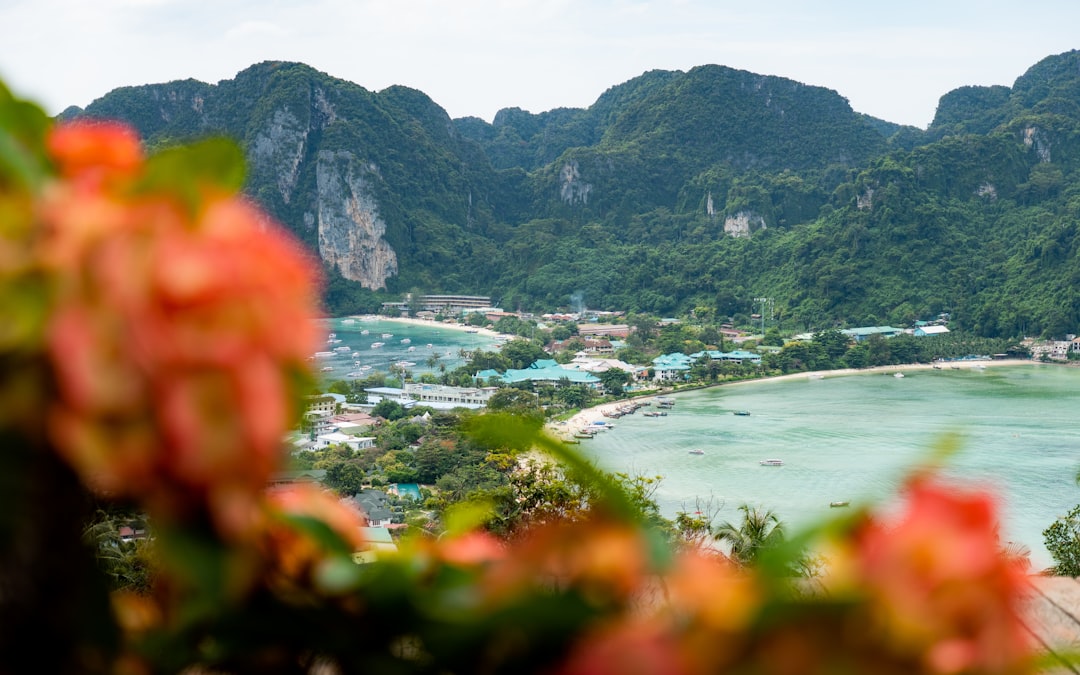
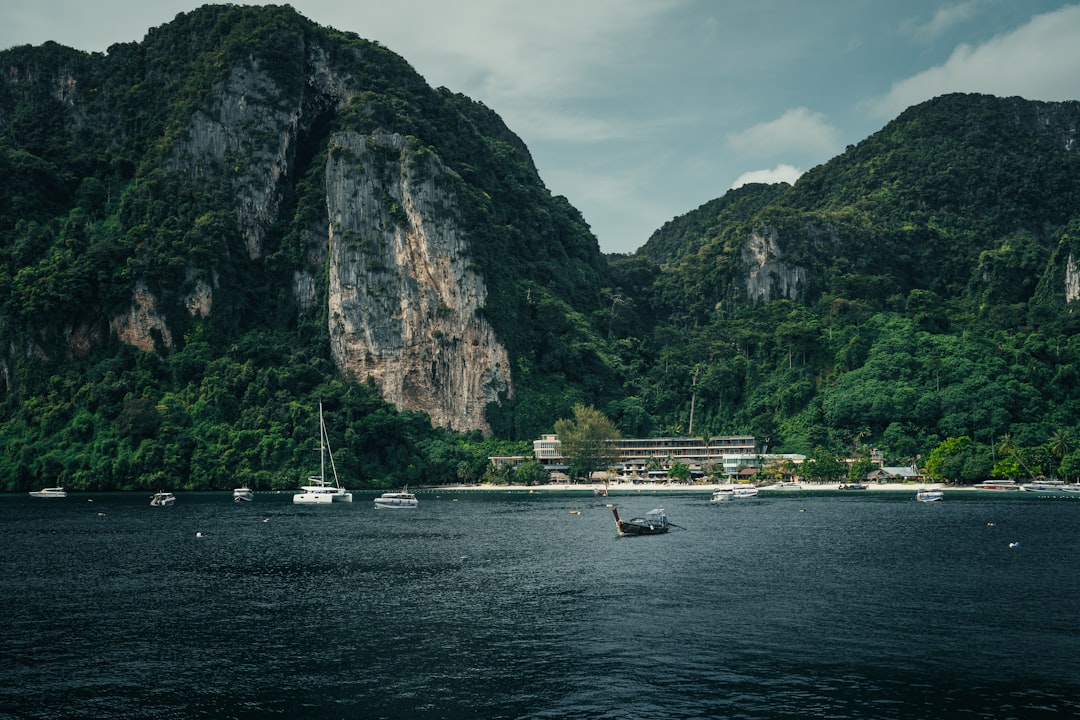
The Andaman coast (Phuket, Krabi, Ko Lanta, Ko Phi Phi) is at absolute peak in February:
Koh Lanta: The largest and least resort-developed of the major Andaman islands. February is excellent for the quiet east-coast villages, the Mu Ko Lanta National Park mangroves by kayak, and the beach strip along the west coast.
The Similans (Similan Islands): Accessible from Khao Lak or Phuket, the Similan Islands are a marine national park with some of the best diving and snorkeling in Southeast Asia. Open only November–May; February is peak. Live-aboard dive trips are the best format; day trips from Phuket are also possible.
Khao Sok National Park: One of the world’s oldest rainforests, in inland Surat Thani province. February is optimal — dry enough for trails and lake kayaking in Cheow Lan Lake (the flooded reservoir with limestone karst islands). Jungle lodges on the lake are extraordinary.
Gulf of Thailand in February
Ko Tao: Whale shark sightings at Ko Tao and around Sail Rock (between Ko Phangan and Ko Tao) are possible February–April. Snorkeling and diving in February has 20–25m visibility. PADI open water certifications in Ko Tao cost $300–$400 — one of the cheapest places in the world to learn.
Ko Phangan: The Full Moon Party falls on different dates each month — check the February date if this is relevant. The quieter north and west beaches (Haad Salad, Haad Yao) are excellent alternatives to the party-focused Haad Rin.
Budget in February
| Category | Budget | Mid-range |
|---|---|---|
| Accommodation | $20–$60/night | $80–$200/night |
| Accommodation (Similans liveaboard) | $150–$250/2 nights | same |
| Meals (street food) | $1–$4/meal | $10–$28/meal |
| Similan day trip (from Phuket) | $60–$80/person | same |
Still peak season pricing — marginally below January in some properties as booking pressure eases slightly. The Similans live-aboard boats are worth the investment for experienced divers.
The Short Version
February is peak season with slightly better availability than January. The Chinese New Year cultural experience in Yaowarat (Bangkok) or Phuket Town is genuinely worth the timing. Chiang Mai’s Flower Festival is an underrated event. The Andaman coast — particularly the Similan Islands for divers and Ko Lanta for beach-focused travelers — is at optimal condition. February is the last comfortable month before the March-April heat builds. If January’s crowds put you off, February is the alternative — same weather, marginally less pressure.
Plan your trip