Costa Rica in November: Dry Season Returns to Guanacaste, Leatherbacks Continue, and the Best Value Window Opens
Plan your trip
November is Costa Rica’s best-kept secret. The dry season returns to Guanacaste — the Pacific beaches clear, the skies become predictably blue, and the landscape (still green from the rainy season) looks nothing like the desiccated brown of late dry season March. But prices have not yet caught up to the returning good weather; November is the last month before December’s Christmas pricing kicks in. The leatherback turtle season at Playa Grande continues from October’s opening. This combination — returning beach conditions at green season prices in a still-green landscape — makes November one of the finest travel months in Costa Rica.
Weather & Conditions
Guanacaste: 24–33°C. Dry season fully established by mid-November. Excellent beach conditions.
Manuel Antonio: 24–31°C. Still some rain in the central and southern Pacific, but improving.
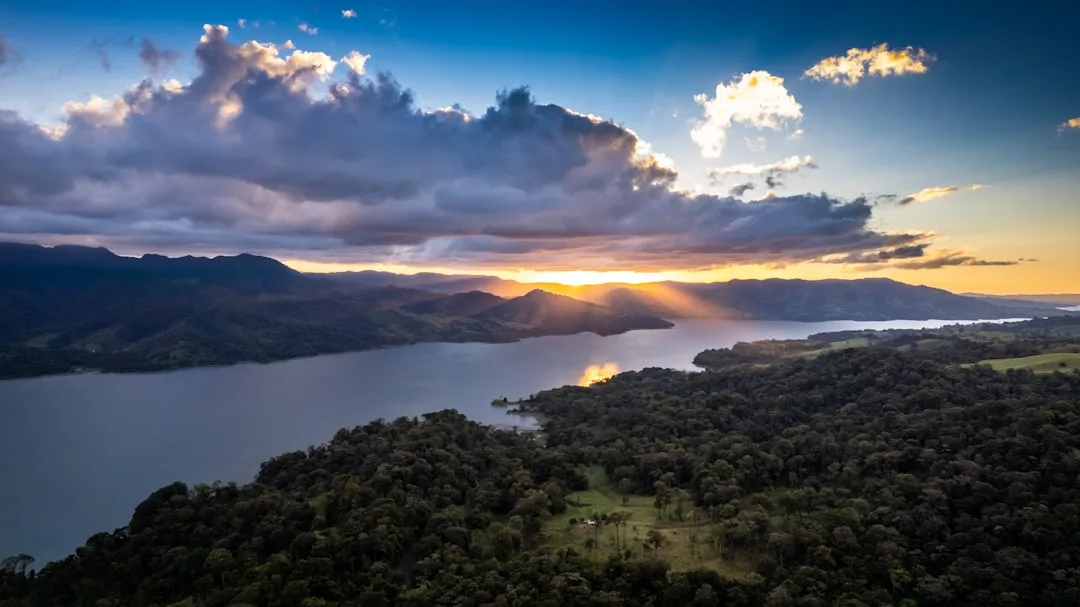
Arenal: 21–27°C. Less rain than October. Still some afternoon cloud.
Caribbean: 23–28°C. Rainy season on the Caribbean (which runs through December).
Nicoya Peninsula (Playa Grande): 24–32°C. Dry season arrived. Leatherback nesting continuing.
What to Do
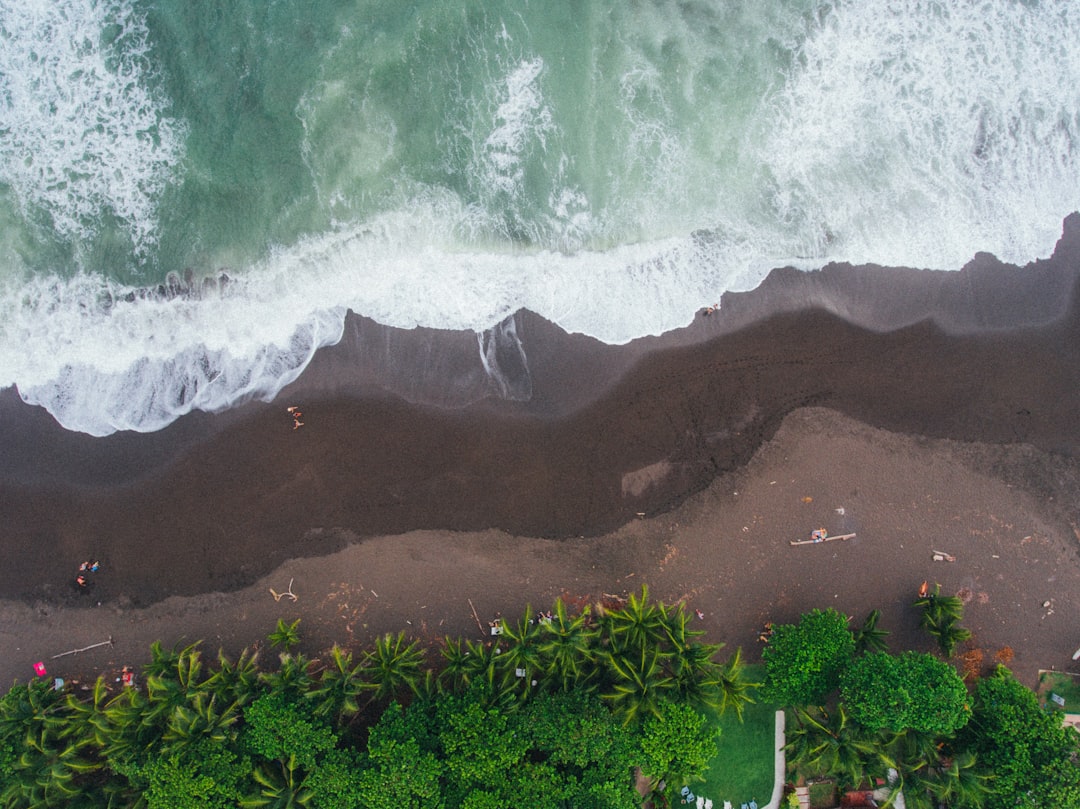
Guanacaste beaches — return of the dry season: Mid-November marks the confirmed return of dry season to Guanacaste. Tamarindo, Playa Conchal, Flamingo, Nosara, and the surrounding Nicoya Peninsula beaches go from rainy-season mode to full beach operation. The ocean visibility improves, the surf returns to consistent patterns, and the beach towns reactivate for the coming high season. The landscape is at its most attractive — the hills around Guanacaste are still green from the rainy season but the rain has stopped.
Leatherback turtle nesting, Playa Grande: The leatherback season at Las Baulas National Park continues through November. The October crowds are gone; November turtle tour booking is easier and the experience is more intimate. The leatherback nesting peak is typically November–January. A single 900kg leatherback coming ashore in moonlight, digging her nest, and returning to the Pacific is one of the most powerful wildlife encounters in Costa Rica.
Playa Ostional olive ridley arribada: The olive ridley mass-nesting events at Playa Ostional on the Nicoya Peninsula can continue through November. The arribada — when thousands of turtles arrive simultaneously over a 3–5 day period — is one of the natural world’s most extraordinary mass events. Timing is unpredictable; check with Ostional community rangers (who manage the beach) for current arrival patterns.
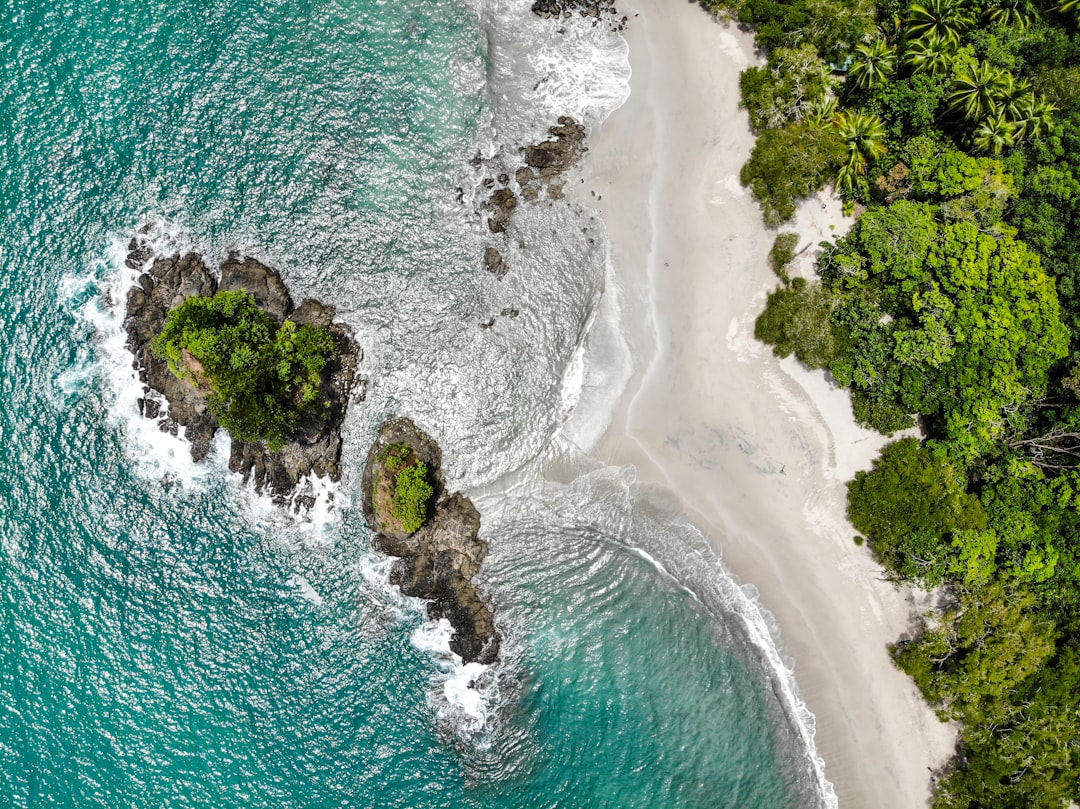
Manuel Antonio National Park: November’s improving central Pacific conditions make Manuel Antonio accessible and excellent. The park (the most visited national park in Costa Rica) has the combination of beach and primary forest that exists nowhere else. White-faced capuchin monkeys, three-toed sloths, raccoons, and the two-toed sloth are all present. The beach within the park (accessible only through the park entrance) is one of the finest swimming beaches in the country.
Sarapiquí birding — post-rainy season peak: The Caribbean lowlands birding at the CRBG Sarapiquí area and La Selva Biological Station reaches a post-rainy season peak in November as resident birds are joined by North American migrant species. November has some of the highest bird species counts of the year for Caribbean lowland sites.
Festivals & Events
Día de los Muertos (November 2): All Souls’ Day is observed in Catholic Costa Rica. Families visit cemeteries, decorated with flowers. Not a tourist event but visible in community behavior.
Practical Tips
November dry season in Guanacaste: the transition happens in stages — the north (Liberia, Playa del Coco) clears first, followed by the central Nicoya (Tamarindo, Flamingo) by mid-November, and the southern Nicoya (Nosara, Sámara, Malpaís) sometimes not until late November. Check regional conditions before booking if your destination is in the southern Nicoya.
November vs. December pricing: December prices rise sharply as Christmas and New Year create peak demand from mid-December through early January. November is the last month with green season pricing. The value proposition is real.
Caribbean November: the Caribbean coast (Puerto Viejo, Tortuguero, Cahuita) is in its rainy season in November. The Caribbean doesn’t follow the Pacific’s November clearing.
Leatherback tours: Las Baulas National Park’s tour system caps at 15 visitors on the beach at any time. Book through the park (sinacreservas.go.cr) or Hotel Las Tortugas. November tours are easier to book than peak January–February.
Who November Is For
Value travelers who know November’s secret — dry season conditions at green season prices. Leatherback turtle visitors who want the intimate November experience over the peak-season crowds. Guanacaste beach travelers who want the landscape still green with the rain stopped. Birders targeting the post-rainy season Caribbean lowland surge. And anyone who has done the research to understand that November is Costa Rica’s finest value month.
Plan your trip