Manuel Antonio Guide: Sloths, Beaches & the Smallest National Park
Plan your trip
Manuel Antonio is Costa Rica’s paradox: the smallest national park in the country (683 hectares) and, at certain times of year, the most visited. The combination of pristine beaches within an intact forest — where sloths sleep in cecropia trees above the sand and white-faced capuchin monkeys walk the paths alongside visitors — creates an experience that is genuinely spectacular and simultaneously requires careful management to avoid being overrun.
The wildlife here is unusually habituated to human presence after decades of visitor traffic, which means it’s easier to spot than almost anywhere else in Costa Rica. The flip side is that the park imposes strict visitor limits, sells out in advance, and is closed on Tuesdays.
The Park
Entry: sinac.go.cr | $21/person | Open Wednesday–Monday, 7 AM–4 PM | Daily visitor cap applies
The park entrance is at the southern end of the village, after crossing a tidal estuary (a concrete bridge now spans it; the previous ford was removed for ecological reasons). From the entrance, a series of trails through dense secondary forest connect to four beaches.
Wildlife: What to Expect
Three-toed sloths: Almost guaranteed. They move so slowly — advancing a maximum of 38 meters per day — that once located they remain observable for hours. Look up at cecropia trees (the large-leaved species frequently standing alone along the path edges). Guides spot them from 30+ meters with practiced eyes.
White-faced capuchin monkeys: Habituated and bold. They’ll approach for food (which is illegal to give — the park fines for feeding wildlife, and it genuinely harms the animals). Keep bags closed; they understand zip mechanisms and have learned to unzip day packs. Watch from a comfortable distance.
Squirrel monkeys: The more endangered of the two monkey species present. Smaller, more skittish, and more colorful. In the late afternoon they move through the forest canopy near the Playa Manuel Antonio beachhead.
Coatis: Raccoon relatives with long, ringed tails. Common along the main trail; confident around visitors. Don’t feed them — the park staff will cite you.
Raccoons: Present and aggressive around unattended bags at the beach. Don’t leave food visible.
The Trails
The park has 5 km of marked trails, all connecting the beaches via the central ridge path.
Main Trail to Playa Manuel Antonio (1.5 km, 30 minutes): The primary route through the forest to the park’s main beach. Wildlife most concentrated along this trail.
Punta Catedral Loop (1 km loop from Playa Manuel Antonio): A short climb to the Punta Catedral headland — a former island connected to the mainland by a sand tombolo. Views from the headland over the Pacific coastline are the best in the park.
Hidden Beach (Playa Gemelas): A smaller, less visited beach on the eastern side of the Punta Catedral circuit. Often empty mid-week.
The Beaches
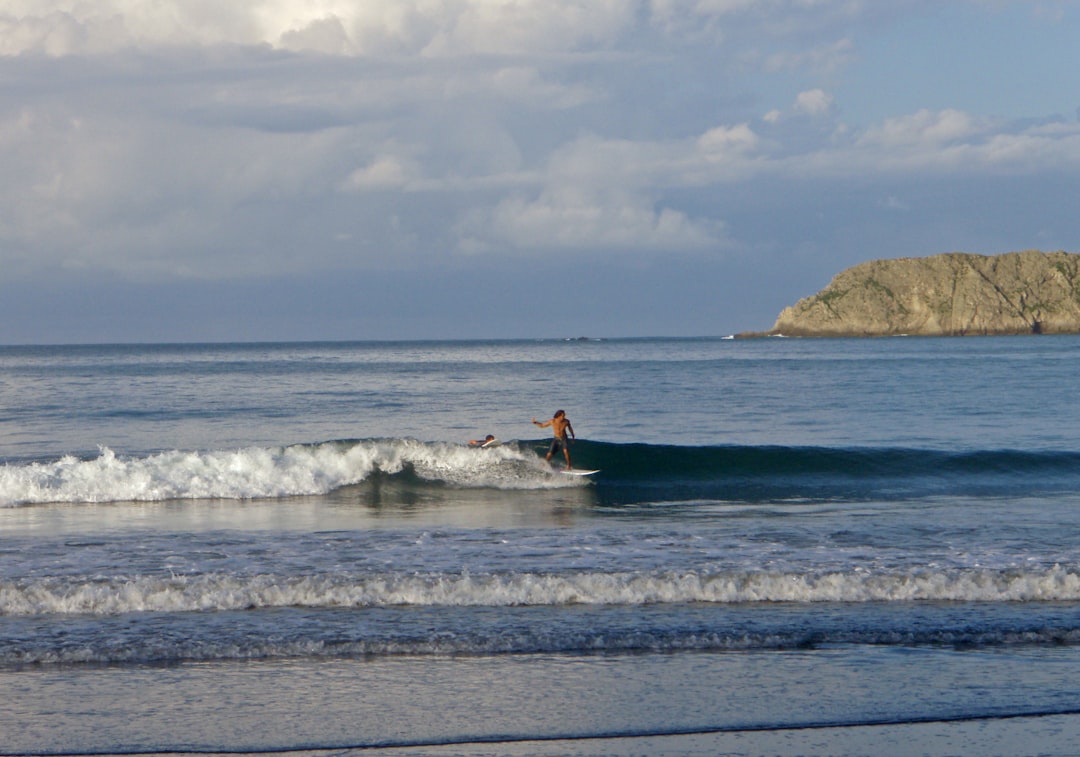
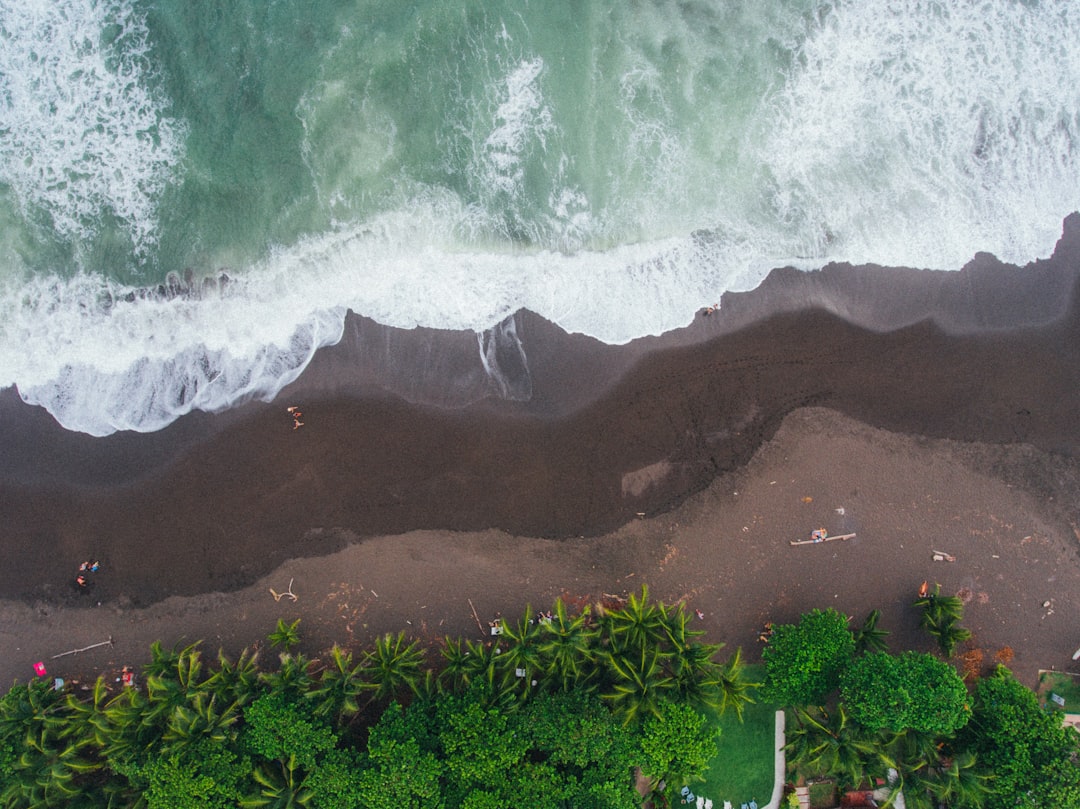
Playa Manuel Antonio: The main beach — white sand, calm Pacific water protected by the Punta Catedral headland, and a monkey-filled forest edge. The best swimming beach in the park.
Playa Espadilla Sur: The longest beach in the park, less calm than Playa Manuel Antonio, stronger surf. More space for spreading out; less wildlife at the waterline.
Playa Biesanz: Outside the park entrance, reachable from the village — a small protected cove with particularly calm water, good for snorkeling (there’s a small coral reef). Not inside the park; accessible by a 10-minute walk from the main road.
Practical: Beating the Crowds
Arrive before 7 AM: The park gates open at 7 AM; the visitor cap means that by 9–10 AM on weekends, the park is at capacity. Late arrivals are turned away.
Book online: The sinac.go.cr reservation system allows advance booking with specific time slots. Booking online guarantees entry and allows a slightly later arrival than the gate queue approach.
Weekdays: Wednesday and Thursday are significantly less crowded than weekends. If the schedule allows, mid-week visits have a fundamentally different experience.
Tuesday closure: The park closes every Tuesday for maintenance and ecological recovery. Plan around this.
Guides
A guide is not required but dramatically improves wildlife detection. The difference between self-guided and guided visits is typically: self-guided sees 2–4 species (mostly monkeys and coatis that approach the path); guided sees 8–12+ species including sloths at every visit, more bird species, reptiles, and lesser-noticed fauna.
Guides wait at the park entrance (certified guides only are permitted). Rate: ~$25–35/person for a 2-hour guided walk.
Quepos: The Base Town
7 km north of Manuel Antonio village
Quepos is the functional town — restaurants, banks, ATMs, supermarkets, and transport connections. Manuel Antonio village (closer to the park) is more expensive and tourist-oriented; many visitors stay in Quepos and taxi to the park.
Getting to Quepos: 3.5 hours from San José by shuttle ($55 with Interbus/Grayline) or public bus ($7, 3.5 hours via Dominical). Domestic flights from San José: 35 minutes ($80–150 on Sansa Airlines).
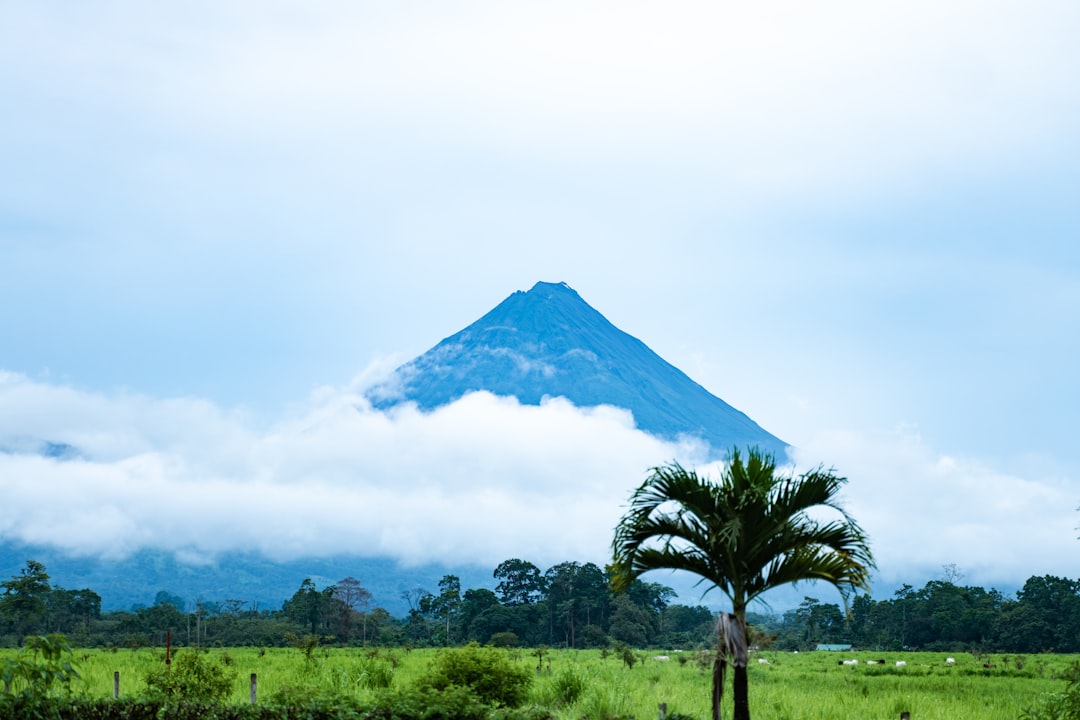
From Arenal: No direct road route — requires returning to the Pacific highway. 4–5 hours via Ciudad Quesada. The shuttle services navigate this via multiple connections.
Accommodation
In Manuel Antonio village: Hotel California (mid-range, good views), Tulemar Resort (higher-end, private beach), Arenas del Mar (luxury with private beach access). Prices are higher than most of Costa Rica.
In Quepos: Best Western Kamuk (mid-range, central), Hotel Si Como No (sustainable, award-winning, $$$). Budget options along the main road into town.
Practical Notes
What to bring: Swimwear (you’ll want to swim after the hike), reef-safe sunscreen (chemical sunscreens are banned in the park — zinc oxide only), water, closed shoes for the trail (flip-flops work but trail terrain is better handled with grip). Leave food in lockers at the entrance — the coatis and monkeys will find anything in a bag.
No plastic bags in the park: As of 2019, single-use plastic bags are prohibited.
Crocodiles: Present in the estuary at the park entrance. Don’t wade the estuary crossing outside of the marked bridge.
Plan your trip