Costa Rica Surfing Guide: Tamarindo, Santa Teresa & the Best Breaks
Plan your trip
Costa Rica has over 1,000 km of Pacific coastline and produces consistent surf year-round — the northwestern Guanacaste province in the dry season (December–April), the southern Pacific and Caribbean in the wet season (May–November). The country has been a serious surfing destination since the 1970s and now has a developed infrastructure of surf schools, board rentals, and surf camps at every level, from beginner-friendly foam-over-reef spots to world-class reef breaks.
Understanding the Two Coasts
Pacific coast: The primary surf destination — consistent west and northwest swells, clean point and beach breaks, and the infrastructure (hotels, surf schools, transport) that makes planning simple. Guanacaste in the north and the Central Pacific around Jacó and Manuel Antonio are the busiest zones; the Southern Pacific (around Dominical and Pavones) has bigger, more demanding surf.
Caribbean coast: Less consistent but when it works (October–March), the surf at Puerto Viejo de Talamanca (Playa Salsa Brava) is among the heaviest in Central America — a shallow reef break producing powerful hollow waves that is not for beginners. The Caribbean coast is accessed from San José via the Braulio Carrillo highway (3.5 hours).
Guanacaste: The Beginner and Intermediate Hub
Tamarindo
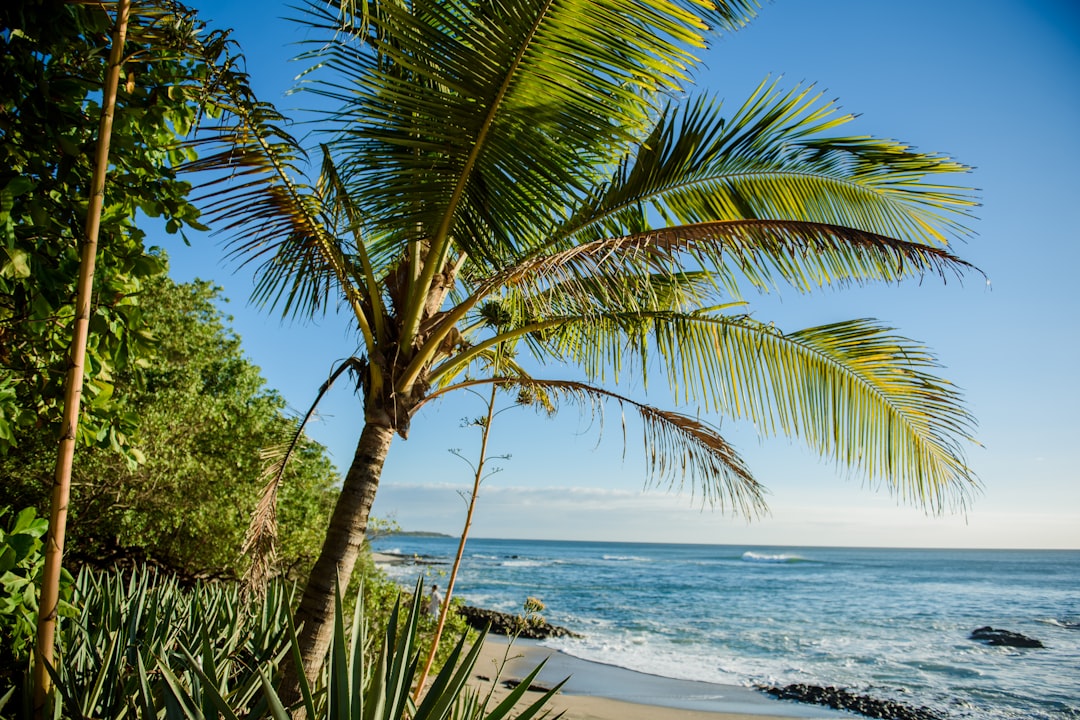
The most developed surf town in Costa Rica — beach break, multiple surf schools, equipment rental on every corner, and a consistent swell that produces learnable 1–2 meter waves most of the year. The wave quality at Tamarindo itself is decent rather than exceptional; the value is the ecosystem of instruction and infrastructure.
Best for: Beginners and first timers. Lessons from $45–70 including board and instructor for 2 hours. Multiple reputable schools: Tamarindo Surf School, Safari Surf School, and Blue Treetop.
Playa Langosta (5 minutes south of Tamarindo): A left-hand point break at the river mouth — better quality wave, fewer crowds. Intermediate and above.
Nosara (Playa Guiones)
The more expensive, quieter alternative to Tamarindo — a beach break with a consistent 1–2 meter swell and a well-established yoga-and-surf wellness community. Del Mar Surf Camp is the long-running institution. Guiones is 1 km of consistent beach break with sections for all levels.
Best for: Intermediate surfers; first-timers who want a less party-focused environment.
Central Pacific: Jacó and Surroundings
Jacó
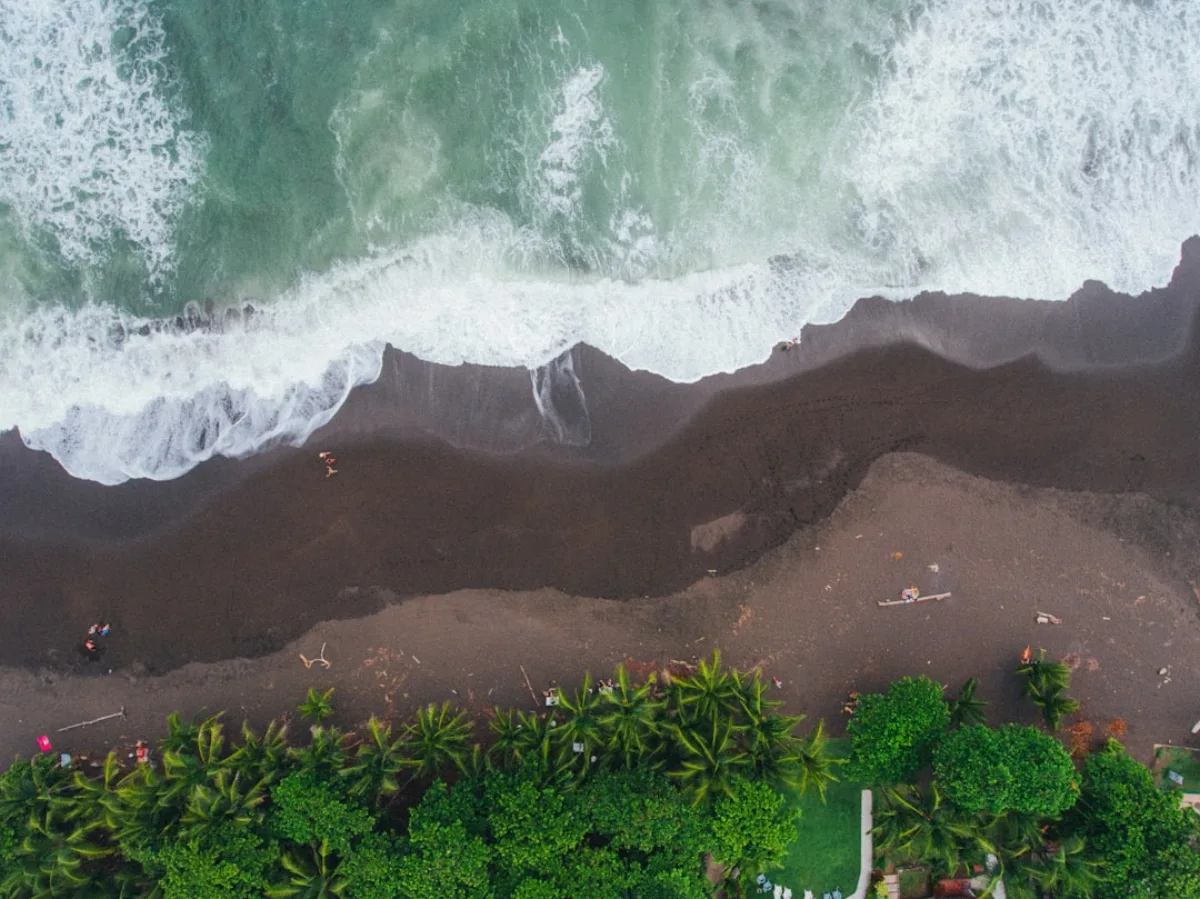
The closest Pacific surf town to San José (1.5 hours) — a beach break with reliable surf but a more developed, nightlife-oriented town than Nosara or Tamarindo. Heavy shore break; locals know which sections are rideable on which swell direction.
Playa Hermosa (5 km south of Jacó): One of the most consistent beach breaks in Costa Rica — heavy shore dump, powerful waves. The annual Hermosa Surf Festival attracts professional surfers. For intermediate to advanced surfers only.
The Southern Pacific: For Experienced Surfers
Santa Teresa (Nicoya Peninsula)
The most acclaimed surf destination in Costa Rica — a beach and point break system on the Pacific tip of the Nicoya Peninsula producing powerful, consistent surf in both directions. Santa Teresa itself is a break for intermediate surfers; Playa Carmen (the point break) is more demanding. The town has evolved from a surf camp to an upscale wellness and yoga destination; prices reflect this.
Getting there: 4.5 hours from San José via Paquera ferry and road (rental car recommended). Worth the journey for the quality of surf and the overall atmosphere.
Pavones
The longest left-hand wave in the world (when the swell is right) — a point break on the southern Pacific coast producing rides of up to 1 km along the cobble bottom. For experienced surfers only; the paddle-out and the power of the wave require solid skills. The swell window is April–October.
Getting there: Genuinely remote — 7+ hours from San José including road and possible boat crossing. Most visitors fly to Golfito or Puerto Jiménez and drive the final stretch.
Swell Season Summary
December–April (dry season, Guanacaste): Best for beginners — consistent northwest swell, dry weather, calm mornings before afternoon wind. Tamarindo, Nosara, and Playa Grande peak.
May–November (wet season, south): Bigger, more powerful south and southwest swells hit the southern Pacific. Santa Teresa and Pavones at their best. The Caribbean also activates.
Year-round: Costa Rica has surf somewhere year-round. The question is where to be in which month.
Practical Notes
- Riptides: Pacific beach breaks can have strong rip currents. Know how to read the water; if caught in a rip, swim parallel to shore, not against it
- Reef: Santa Teresa, Playa Negra, and Salsa Brava (Caribbean) break over reef — booties and a helmet are worth considering. Reef rash is unpleasant
- Rental boards: Widely available at all surf towns. Soft-top learner boards $15–20/day; performance shortboards $20–30/day
- Lessons: Group lessons $45–70; private lessons $80–120. Two-hour sessions are standard. Most schools offer multi-day packages
Plan your trip