Costa Rica in March: Quetzal Nesting Peak, Final Dry Season Weeks, and Pre-Green Season Value
Plan your trip
March is the final month of Costa Rica’s peak dry season and one of its finest for wildlife. The resplendent quetzal is nesting in the highland cloud forests — the male quetzal in full nesting plumage (with tail feathers up to 65cm long) is one of the most spectacular birds in the Western Hemisphere. The Pacific beaches are still completely reliable. The green season rains typically begin arriving in late April, making March the last month of guaranteed dry conditions and among the last weeks of peak-season pricing.
Weather & Conditions
Guanacaste: 26–36°C. Hot and dry. The vegetation is brown and the birds concentrate around water.
Manuel Antonio: 25–33°C. Still dry. Excellent beach conditions.
Arenal: 22–28°C. Clear mornings common. Humidity building.
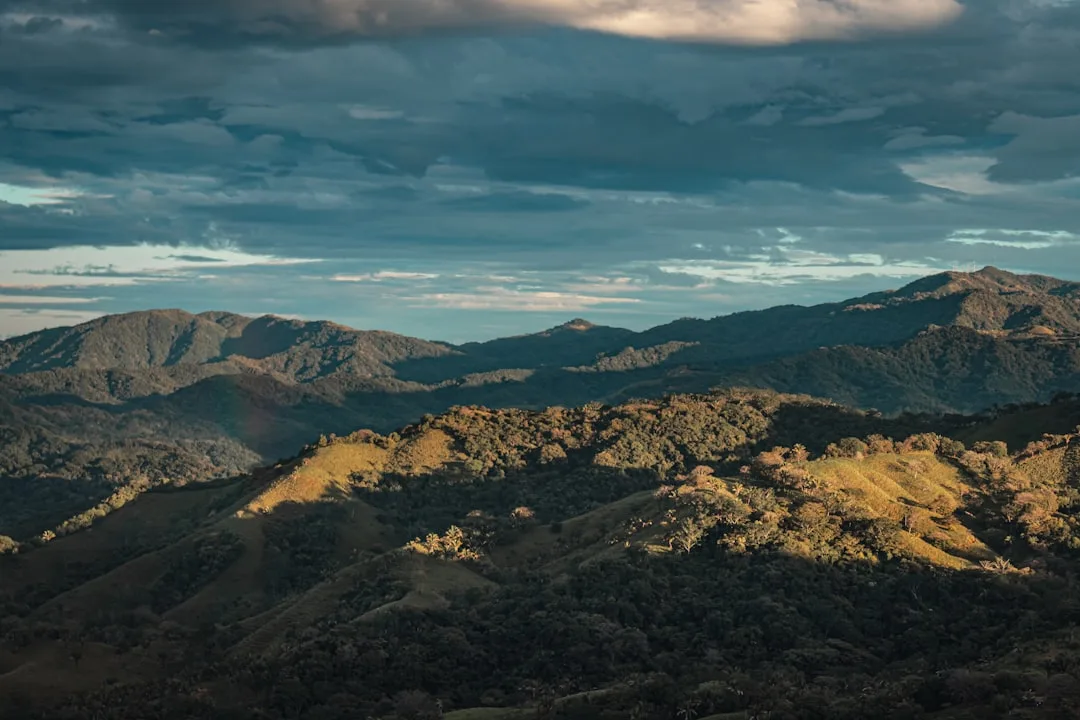
San Gerardo de Dota (quetzal country): 12–18°C. Cool. Cloud forest at its best.
Osa Peninsula: 25–32°C. Driest month. Best Corcovado conditions of the year.
What to Do
Resplendent quetzal nesting, San Gerardo de Dota: March and April are peak quetzal months. The male quetzal is in full breeding plumage — iridescent green body, red breast, and the extraordinary long tail feathers — and actively displays and nests in the wild avocado trees of the San Gerardo de Dota valley. Savegre Lodge guides consistently locate nesting pairs. The early morning walk (departing 5:30am) in mist-covered cloud forest with quetzals calling is one of Costa Rica’s genuinely extraordinary wildlife experiences.
Osa Peninsula and Corcovado National Park: March is Corcovado’s finest month — the driest of the year, with the best trail conditions and the least mud on the system of backcountry routes. All four monkey species (spider, howler, white-faced capuchin, squirrel), tapirs, peccaries, and scarlet macaws are present. The Drake Bay approach (by small plane from San José or boat from Sierpe) gives access to the Sirena ranger station — the most biodiverse part of the park.
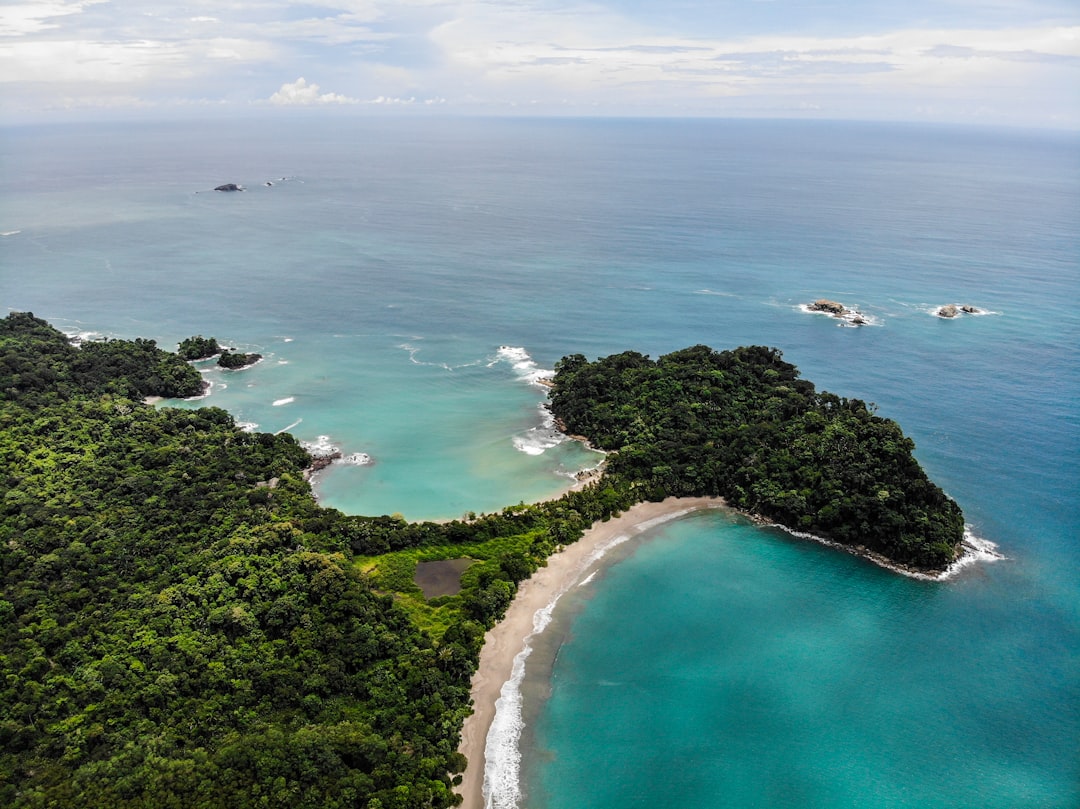
Guanacaste dry season final weeks: Late March is the last reliable beach time before the rains begin (typically April-May). The beaches at Playa Conchal, Flamingo, and Tamarindo are still at their best. The ocean is warm (28–29°C), visibility for snorkeling is good, and the roads are dry.
Hiking Chirripó (Cerro Chirripó, 3,821m): Costa Rica’s highest peak is in the Chirripó National Park in the Talamanca range. March dry season conditions make the 2-day summit approach most manageable. The hike covers 19km with 3,000m of elevation gain to the summit, where the view encompasses both Pacific and Caribbean on clear days. Permits are limited (40 per day) and must be booked through the park’s reservation system months ahead.
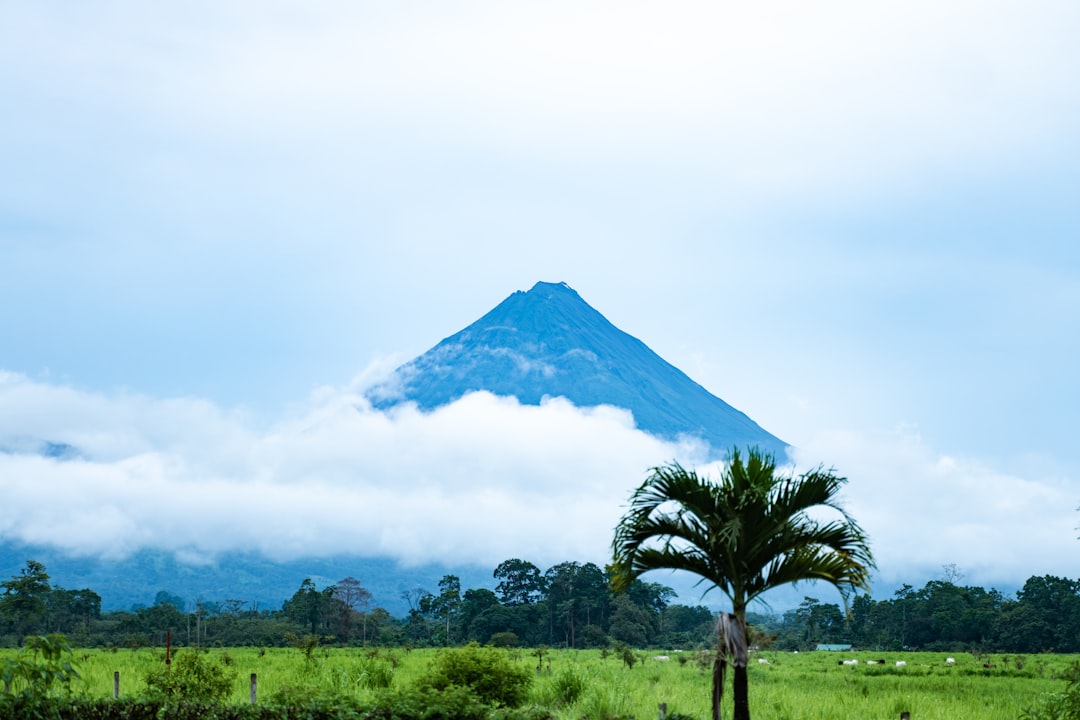
Rincón de la Vieja and Guanacaste volcanoes: Rincón de la Vieja (with its accessible mud volcanoes, fumaroles, and hot springs) and the surrounding Guanacaste National Park are at their driest and most accessible in March. The crater trail and the mud springs are doable in standard footwear in dry conditions.
Festivals & Events
Holy Week (Semana Santa, variable March or April): Costa Rica’s most significant holiday. The country shuts down for the week before Easter. Traffic on all roads is extreme on Palm Sunday and Good Friday. The beach towns are packed with domestic tourists.
Practical Tips
Semana Santa timing: if Holy Week falls in late March, expect maximum domestic tourism pressure on all beaches, Arenal, and Manuel Antonio. Book 3–4 months ahead if Holy Week falls in March.
Chirripó permits: the park reservation system (sinacreservas.go.cr) opens 3 months before the hike date. The 40 daily permits sell out quickly. Book the moment the window opens.
March pricing: still peak season rates, but the final week of March sometimes sees slight price reductions as the green season approaches and operators begin offering early-green-season promotions.
Quetzal guides: the Savegre Lodge guides (savegre.com) are the most reliable for quetzal sightings. Independent birding without a guide is possible but significantly less productive.
Who March Is For
Quetzal wildlife visitors timing the nesting season. Final dry season beach travelers. Chirripó summit hikers using the best conditions of the year. Corcovado trekkers who want maximum trail accessibility. And value travelers who want late dry season conditions before the April price drop when the green season begins.
Plan your trip