Costa Rica Wildlife Guide: What to See, Where & When
Plan your trip
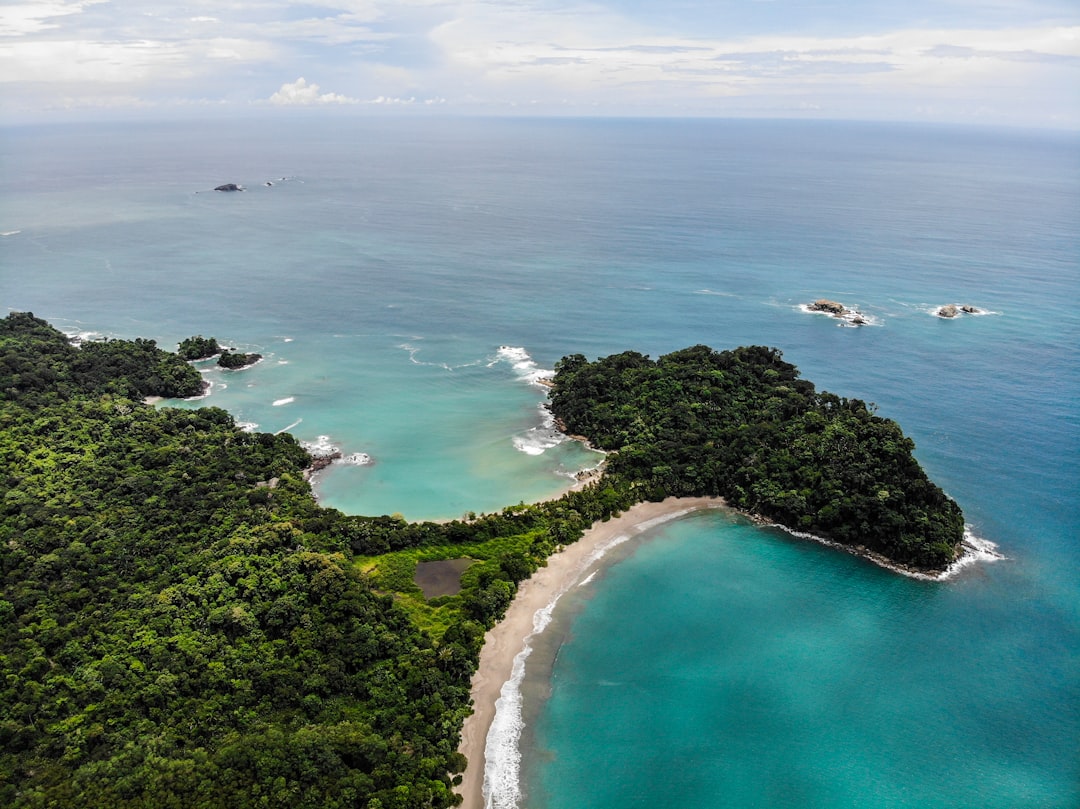
Costa Rica contains approximately 5% of the world’s biodiversity in a country the size of West Virginia. The number that matters for visitors: you will see significant wildlife here without a guide, without binoculars, and without a 4 AM jeep ride. Sloths hang in cecropia trees above tourist paths. Scarlet macaws fly in pairs over Pacific beaches. Howler monkeys announce dawn with a sound like distant wind through rigging. The density and accessibility of Costa Rican wildlife is the defining characteristic of the country as a destination.
This guide organizes by species and habitat.
The Signature Species
Three-Toed Sloths
The animal most visitors come specifically to see. Three-toed sloths (Bradypus variegatus) are genuinely common in lowland forests throughout Costa Rica — the key is learning to look.
Where to see them: Manuel Antonio National Park (highest density; guides find one on essentially every visit), Tortuguero, Monteverde, La Fortuna area, Sarapiquí.
How to find them: Look upward in cecropia trees — large-leaved, often standing alone at forest edges. Sloths appear as a brownish-grey blob in the canopy, frequently motionless for hours. Once seen, they’re unmistakable. A guide with a spotting scope increases sighting rates from perhaps 1 in 10 walks to 9 in 10.
What to expect: Sloths move very slowly — 0.03 mph average speed. They sleep 15–20 hours per day. The experience is observation from a distance; touching them is harmful and illegal in national parks.
Two-toed sloths (Choloepus hoffmanni): Larger, nocturnal, and less commonly spotted. Night tour guides find them regularly.
Howler Monkeys
The loudest land animal in the western hemisphere — a sound that carries 5 km through jungle and is frequently mistaken for a large predator by first-time visitors. The call is used to announce territory and communicate between groups.
Where to see them: Everywhere with forest cover. Santa Rosa, Corcovado, Tortuguero, the Osa Peninsula, Guanacaste forests. They’re also common at Manuel Antonio and near many beach lodges.
Behavior: Travel in family groups of 6–20. Active at dawn and dusk; resting midday. Will occasionally descend to lower branches when comfortable with human presence.
White-Faced Capuchin Monkeys
The highly intelligent, bold monkeys that approach visitors at Manuel Antonio, raid bags at beaches, and have learned to unzip backpacks.
Where to see them: Throughout the Pacific coast and lowlands. Manuel Antonio has the most habituated population. Avoid feeding them — it disrupts their social structure and health.
Squirrel Monkeys
Smaller, more colorful, endangered in Costa Rica — found in the Osa Peninsula, Manuel Antonio, and a corridor in between. The most colorful of Costa Rica’s four monkey species.
Spider Monkeys
The largest Costa Rican monkey, using its prehensile tail as a fifth limb. Corcovado National Park has the best population; requires guided access to the deeper park areas.
Birds: The World-Class List
Costa Rica has 900+ bird species — more than the entire North American continent. For birdwatchers, it’s one of the global top destinations.
Resplendent Quetzal
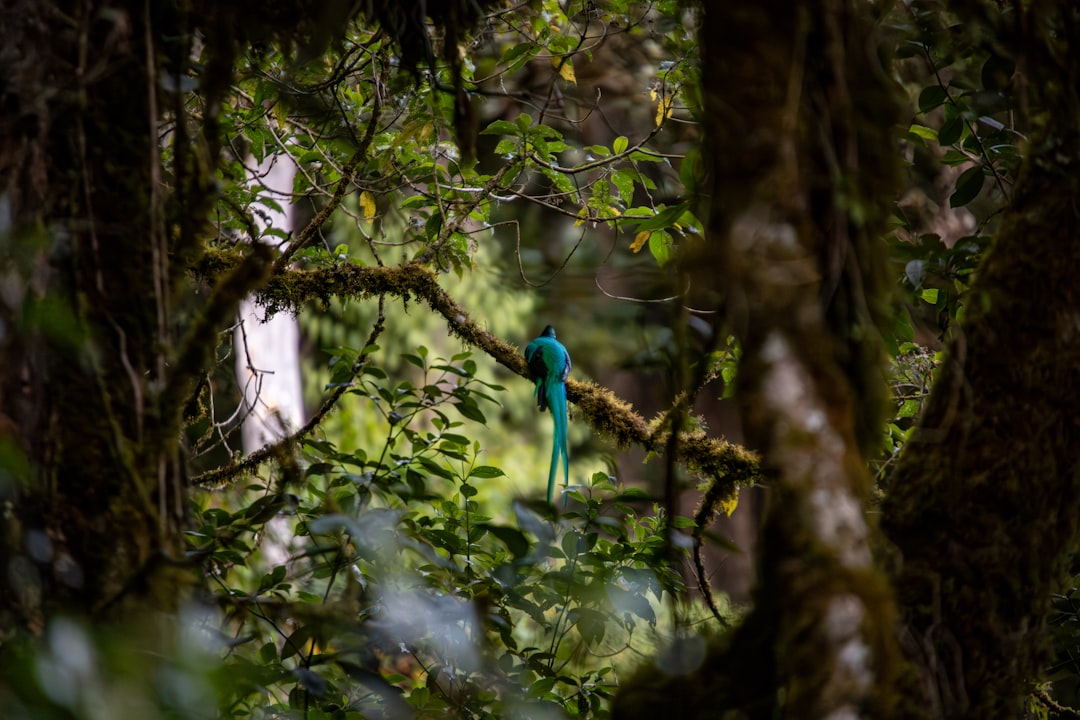
The most sought-after bird in Central America — iridescent green-red-blue, with a 1-meter tail in breeding males. Present in the cloud forests at Monteverde, San Gerardo de Dota (the best quetzal location in Costa Rica), and Tapantí.
Best location: San Gerardo de Dota, 2.5 hours southeast of San José. The valley has year-round quetzal presence; February–May is breeding plumage season. The Savegre Hotel has skilled local guides.
Time: Early morning (6–9 AM). The quetzal feeds on wild avocados in the cloud forest understory; guides with spotting scopes locate them consistently.
Scarlet Macaw
Spectacular large parrots flying in bonded pairs over Pacific lowland forests. Corcovado, Carara National Park, and the Osa Peninsula have the densest populations. Carara (1.5 hours from San José) is the most accessible location — reliable macaw sightings within 30 minutes of the main trail.
Toucans
Six toucan species present in Costa Rica. The Fiery-billed Aracari and Yellow-throated Toucan are the most commonly seen. Found throughout lowland forests; commonly spotted at lodge bird feeders.
Hummingbirds
54 species. The Monteverde hummingbird gardens and the feeders at any jungle lodge in the cloud forest zone concentrate multiple species at close range.
Sea Turtles
Tortuguero (Caribbean coast)
The most important sea turtle nesting site in the western hemisphere — green turtles (Chelonia mydas) nest here from June to October, with leatherbacks and hawksbills also present. The accessible village of Tortuguero is surrounded by Tortuguero National Park; boat tours through the canals provide wildlife viewing (caimans, river turtles, birds, monkeys, manatees).
Turtle watching at night: Guided, licensed tours only during nesting season. Groups of maximum 10 with a certified guide. Nesting females emerge at night; the experience of watching a 150 kg turtle dig a nest and deposit 100+ eggs is extraordinary.
Getting there: Tortuguero is accessible only by boat (from Puerto Limón, 2 hours) or small plane from San José.
Playa Grande (Pacific coast)
Leatherback turtle nesting site near Tamarindo — the world’s largest nesting population of leatherbacks (Dermochelys coriacea, the world’s largest reptile). Nesting season: October to March. Las Baulas National Marine Park manages the site; guided night tours ($25/person).
Reptiles
Crocodiles (American)
The Río Tárcoles bridge (near Jacó, 1.5 hours from San José) has a world-famous crocodile congregation — dozens of large American crocodiles (Crocodylus acutus) visible directly from the bridge. Free; 5-minute stop.
Caimans
Smaller, quieter relatives of crocodiles — present throughout the canal systems (Tortuguero, Caño Negro, Sarapiquí). Night tours see their red eye-shine reflected in torch light.
Poison Dart Frogs
Three species in Costa Rica — the Strawberry Poison Dart Frog (red body, blue legs) is the most photographed. Present in the Caribbean lowlands (Tortuguero, Sarapiquí). Their toxicity in the wild comes from their insect diet; they’re safe to observe but not to touch.
Jaguars and Cats
Five wild cat species present in Costa Rica. In order of sighting probability:
- Ocelot: Most commonly encountered cat; nocturnal. Night tours in Corcovado and Tortuguero have the best chance.
- Margay: Tree-climbing cat; rare sight.
- Puma: Present throughout; rarely seen. Dawn/dusk in Corcovado.
- Jaguarundi: Small, otter-shaped; occasionally diurnal.
- Jaguar: Present in Corcovado and the Osa Peninsula; extremely rare sighting. Trail cameras in the deep park areas document their presence regularly.
Corcovado National Park
Osa Peninsula | Remote, permit-required, guided access only
National Geographic called Corcovado “the most biologically intense place on Earth.” It has all four monkey species, all five wild cats, the densest jaguar population in Central America, harpy eagles, tapirs, and a wildlife density that distinguishes it from every other Costa Rican park. It’s also more remote and harder to access than Manuel Antonio or Arenal.
Access: Small plane from San José to Puerto Jiménez (45 minutes), or shuttle from the Osa Peninsula. Overnight stays and day hikes both require pre-arranged guides (the park does not allow independent entry). Multi-day guided camping trips are the most rewarding.
Practical Notes
Guides significantly increase sightings: The difference between guided and unguided wildlife watching in Costa Rica is extreme. A good guide spots sloths, snakes, and birds that self-guided visitors walk past without noticing. For serious wildlife watching, hire a specialist naturalist guide rather than a general tour.
Night tours: Essential for a different segment of the wildlife — nocturnal species (tree frogs, kinkajou, night herons, ocelots, spiders) that are invisible during the day. Available at virtually every destination; typically 2 hours, $35–50/person.
Best wildlife parks by goal:
- Most accessible wildlife: Manuel Antonio
- Best birdwatching: San Gerardo de Dota (quetzal), Carara (macaw), Monteverde (cloud forest)
- Sea turtles: Tortuguero (green turtle), Playa Grande (leatherback)
- Most biodiverse: Corcovado (requires effort and planning)
- Most habituated wildlife: Manuel Antonio
Plan your trip