Osa Peninsula: Costa Rica's Last Great Wilderness
Plan your trip
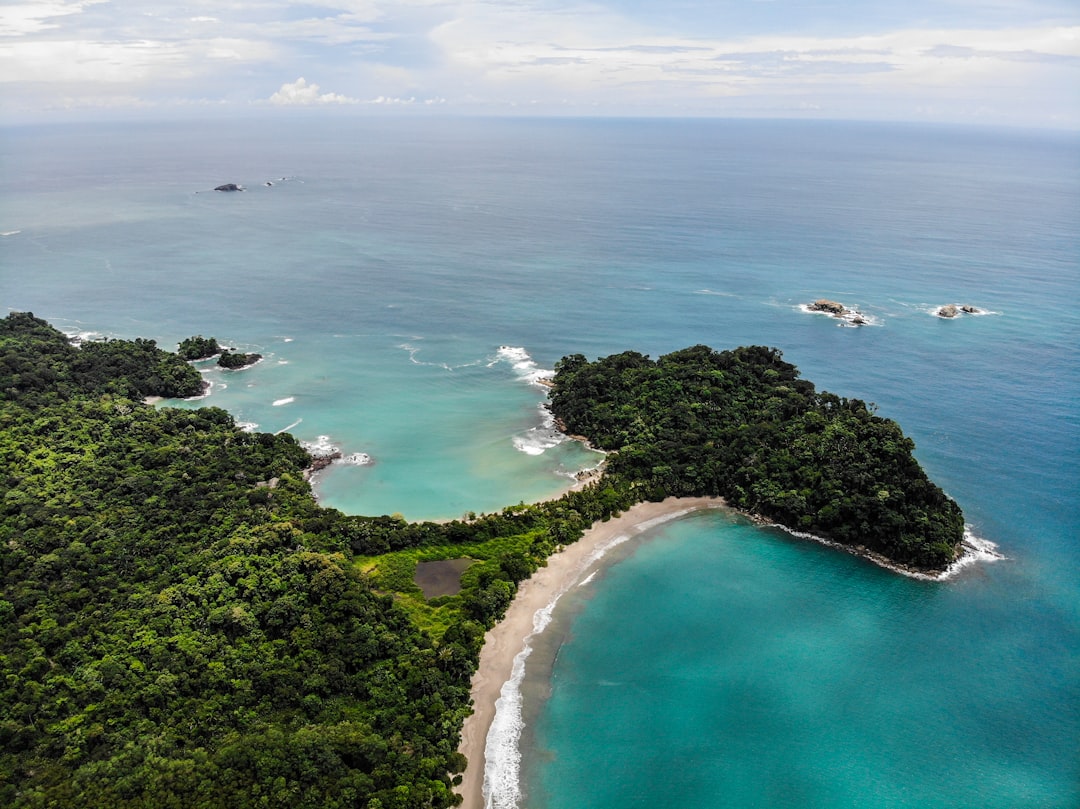
The Osa Peninsula is the kind of place where the superlatives are accurate. National Geographic called Corcovado National Park “the most biologically intense place on Earth” — 2.5% of the world’s biodiversity occupying 0.001% of the planet’s surface area. The 424 km² park on the southern Osa Peninsula has the highest scarlet macaw population in Central America, all four Costa Rican monkey species, 40 snake species, Baird’s tapirs wading in rivers, white-lipped peccary herds, and the largest jaguar population in Central America south of Mexico.
Getting there is the point. The Osa is 7+ hours from San José by road and ferry, or 45 minutes by small plane. The access barrier keeps the visitor numbers low and the wilderness intact.
Corcovado National Park
Corcovado is not a day-trip destination — it requires planning, physical fitness, and a permit system. The park is accessed through three main ranger stations:
San Pedrillo (northwest, Drake Bay side): Accessible by boat from Drake Bay. The least-visited entry point; good for day visits from Drake Bay lodges.
La Leona (south, Carate side): The starting point for the most popular multi-day hike — a 3.5-hour walk from the village of Carate (end of the road from Puerto Jiménez) along a beach backed by primary rainforest. The trail floods at high tide; timing is critical.
Los Patos (east, inland route): The hardest access — a 4WD track from Puerto Jiménez reaches the trailhead; the trail to Sirena (the main station) takes 8–9 hours through primary forest.
Sirena Research Station is the park’s interior hub — accommodation in basic bunks (reservations through SINAC, the national park system, mandatory), meals available, and the best wildlife concentration in the park. The Sirena area’s river mouths attract bull sharks, crocodiles, and tapirs simultaneously.
Wildlife Highlights
Scarlet macaws: The most visually spectacular wildlife sighting in Costa Rica — flocks of 20–50 macaws overhead, in primary colors that seem implausibly vivid against green canopy. The Osa has the densest population; sightings are near-guaranteed.
Tapirs: The largest land mammal in Costa Rica — Baird’s tapir, resembling a prehistoric hybrid of pig and rhinoceros. Regularly seen wading in the rivers around Sirena and on the beach trail at dawn.
Peccaries: White-lipped peccaries travel in herds of 50–200 animals — encountering a herd means standing still and letting them pass. The sound (tusks clacking) before you see them is distinctive.
Jaguars and pumas: Present but rarely seen — the cat population is real but the forest density means sightings are a matter of luck. Track evidence, scat, and scratch marks on trees are more common than visual contact. Night treks in the park with a guide improve the odds.
Primates: All four Costa Rican monkey species — spider, howler, white-faced capuchin, and squirrel monkey — are present. Spider monkey troops are particularly dramatic: acrobatic, noisy, and regularly seen crossing the forest canopy.
Drake Bay
The most comfortable base for Corcovado — a bay on the northwest corner of the Osa reached by small plane (45 minutes from San José’s Tobias Bolaños airport) or by boat from Sierpe (1.5 hours). Drake Bay has a cluster of eco-lodges ranging from budget to luxury, all offering guided Corcovado day trips by boat.
The bay itself has whale shark sightings, humpback whale calving (July–October, the Pacific humpback population; also January–March, the other population), and snorkeling on the offshore rocks with marine life typical of the Pacific coast.
Puerto Jiménez
The main town on the Osa Peninsula — a small, humid, functional town that serves as the practical logistics center. Car rental, tour operators, the SINAC park reservation office, a small airport, and the internet connection to book everything in advance. Most visitors pass through rather than stay; a handful of guesthouses near the park trailheads serve multi-day hikers.
Getting There
By small plane: Charter flights from San José’s Tobias Bolaños airport to Drake Bay or Puerto Jiménez — 45 minutes, $100–180 one way. SANSA Air and Skyway offer scheduled flights. Book well in advance; the planes are 12-seat turboprops and fill up.
By road and boat to Drake Bay: San José to Palmar Norte (5 hours), then Sierpe (30 minutes), then boat to Drake Bay (1.5 hours). A full day of travel; feasible if you rent a car.
By road to Puerto Jiménez: San José south to Puerto Jiménez — 7 hours on good roads plus the ferry across the Golfo Dulce at Golfito.
Practical Notes
- Park reservations: SINAC reservations for Corcovado are mandatory for overnight stays at Sirena. Book at sinac.go.cr at least 3 months in advance for peak season (December–April)
- Guide requirement: Guides are mandatory for entering Corcovado — rangers check at entry points. Guides are hired through Puerto Jiménez or Drake Bay operators ($35–70/person per day trip)
- Fitness: Multi-day Corcovado hikes (particularly the La Leona to Sirena to Los Patos loop) require sustained physical fitness. The heat and humidity are relentless
- Best time: Dry season (December–April) for trails and beach access. Green season (May–November) means rain, fewer visitors, lower prices, and still-excellent wildlife
Plan your trip