Costa Rica in February: Dry Season Continues, Whale Sharks at Cocos, and Quetzal Pre-Season
Plan your trip
February is the heart of Costa Rica’s dry season. Guanacaste’s beaches are completely reliable — day after day of blue sky and low surf. Wildlife activity is excellent as animals concentrate around remaining water sources. In the highlands, the resplendent quetzal begins courtship displays ahead of the March–April nesting peak. Underwater, February is the peak season for dive visibility at Bat Islands (Islas Murciélagos) and the beginning of whale shark season at Cocos Island. February delivers maximum reliability with slightly less crowd pressure than January.
Weather & Conditions
Guanacaste: 25–35°C. Sunny and dry. Zero rain.
Manuel Antonio: 24–31°C. Mostly dry. Best months of the year.
Arenal: 22–27°C. Clear mornings. Afternoon cloud.
Osa Peninsula: 24–31°C. Drier than rest of year. Best Corcovado conditions.
Caribbean: 24–29°C. Some rain possible. Year-round pattern.
What to Do
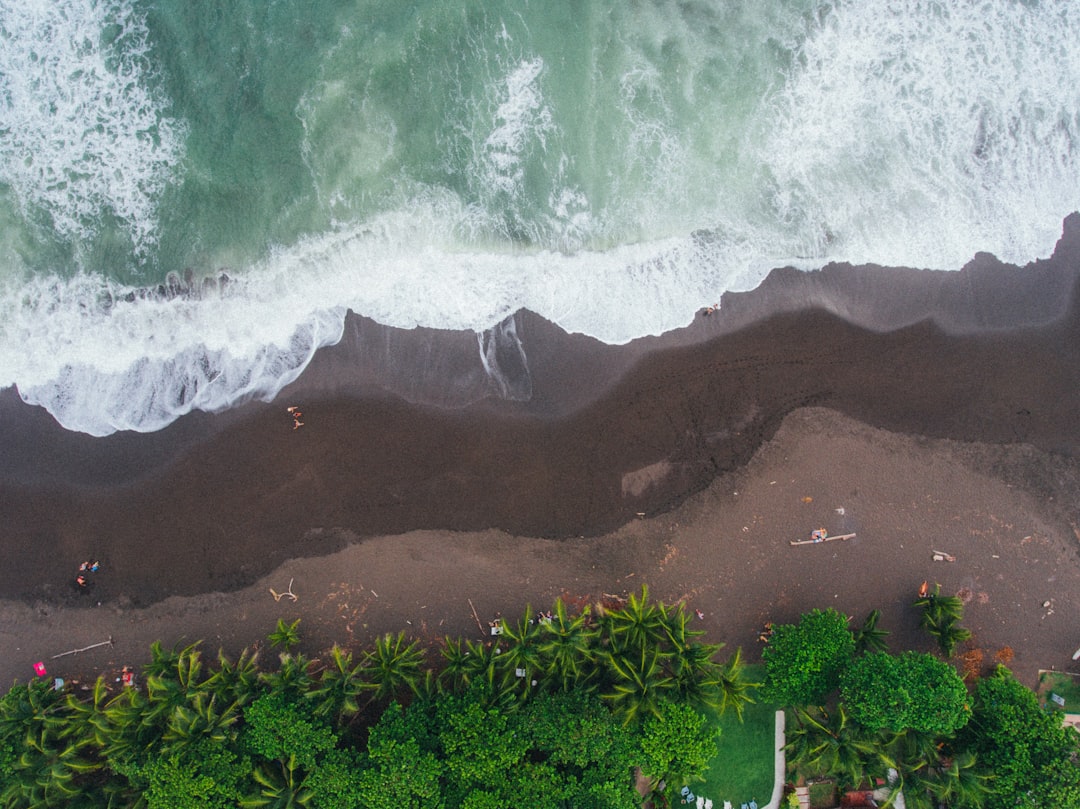
Guanacaste beaches and water sports: February is ideal for Pacific watersports. Surfing at Tamarindo (consistent breaks), Playa Avellanas (advanced surfers), and Playa Nosara (Playa Guiones, the best learner break on the Pacific coast) is at its best in the dry season swell patterns. Kitesurfing at Playa Coyote. Snorkeling tours from Tamarindo to the Catalina Islands (strong visibility in February).
Cocos Island (Isla del Coco) diving — whale shark season: Cocos Island, 550km offshore in the Pacific, is a 32-hour liveaboard journey that delivers some of the world’s finest pelagic diving. February-May is the best whale shark season. Hammerhead sharks school in hundreds at Dirty Rock and Alcyone dive sites. The island is accessible only by liveaboard (Undersea Hunter, Aggressor Fleet); trips run 10–12 days and cost $4,000–6,000 per person.
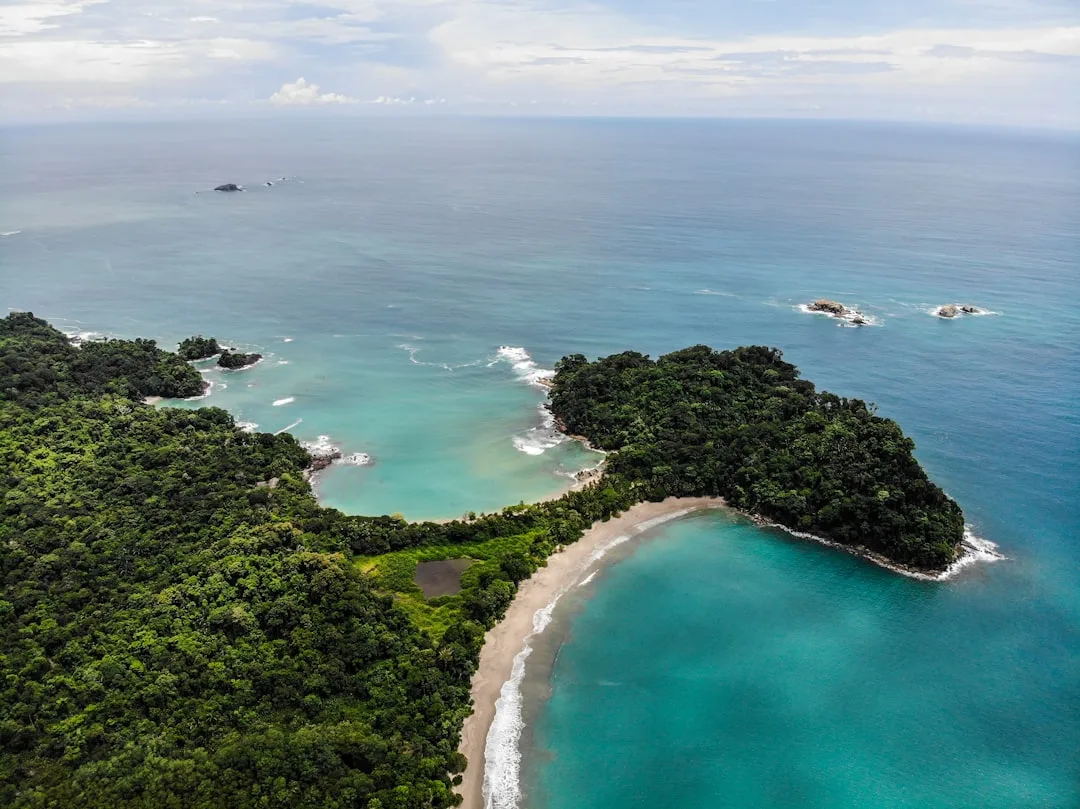
Bat Islands (Islas Murciélagos), Gulf of Papagayo: The bull shark dive at Islas Murciélagos in February is a classic Costa Rican diving experience without the Cocos Island commitment. The Catalina Islands (closer to Tamarindo) have manta ray sightings in February and March.
San Gerardo de Dota — quetzal courtship: The mountain village of San Gerardo de Dota (3 hours from San José) is Costa Rica’s premier quetzal watching location. February sees the beginning of quetzal courtship display — males calling and flying through the cloud forest before March nesting begins. The Savegre Lodge runs guided quetzal tours with local guides who know the territory. Sightings aren’t guaranteed but February through April are the highest probability months.
Monteverde and Santa Elena: February cloud forest visits mean trails are less muddy than the wet season. The Monteverde Cloud Forest Biological Reserve (the ACMCR-managed zone) and the adjacent Santa Elena Reserve both have trail networks through the epiphyte-laden forest. Night walks reveal red-eyed tree frogs, kinkajous, and nocturnal tarantulas.
Festivals & Events
Fiestas Cívicas: Various Costa Rican towns hold civic celebrations with bullfighting (Costa Rican style — the bull is not killed), marimba music, and street food in the February dry season period.
Practical Tips
Cocos Island liveaboard: book 6–12 months ahead. Departures are limited and demand from serious divers worldwide is high. The Undersea Hunter group (ospreygroup.com) and Aggressor fleet are the main operators.
San Gerardo de Dota quetzal timing: early morning (5:30–8am) is the prime quetzal activity period. The Savegre Lodge’s guides are the best resource. Book accommodation and guided tours through the lodge directly.
February rental cars: slightly lower prices than January but still peak season rates. Book in advance.
Pacific water temperature: 26–28°C in February — no wetsuit required for swimming and snorkeling. Divers may wear a 3mm suit for the extended dives.
Who February Is For
Reliable beach travelers who found January fully booked. Serious divers targeting Cocos Island or Bat Islands pelagics. Quetzal watchers timing the courtship season. Surfers targeting the dry season Pacific swell. And travelers who want January’s conditions with marginally less competition — February delivers the same dry season reliability at slightly lower prices.
Plan your trip