Egypt in March: Spring in the Desert, Last Comfortable Month Before Heat, Best Value
Plan your trip
March sits at the closing edge of Egypt’s comfortable season. Temperatures are warming toward summery but haven’t yet crossed the threshold where outdoor exploration becomes an endurance exercise. The peak tourist crowds of January and February thin out. And the landscape — particularly the Nile Valley with its green agricultural strips against the desert — looks its best in the clear, low-humidity spring air. The one caveat: the Khamsin wind season begins in March, bringing occasional dust storms that can last a day or two.
Weather & Conditions
Cairo: 14–22°C. Warming noticeably from February. The Khamsin winds can drop visibility and push temperatures briefly to 30°C+ for a day or two in March.
Luxor: 18–28°C. Warm afternoons at outdoor archaeological sites. Early morning visits remain pleasant. The day starts to feel hot by 11am by late March.
Aswan: 22–32°C in late March. Warm. Early morning temple visits are the right approach.
Red Sea: 22–26°C air temperature, 22°C water. Warm enough for comfortable snorkeling without a wetsuit. March is good value for Red Sea resorts.
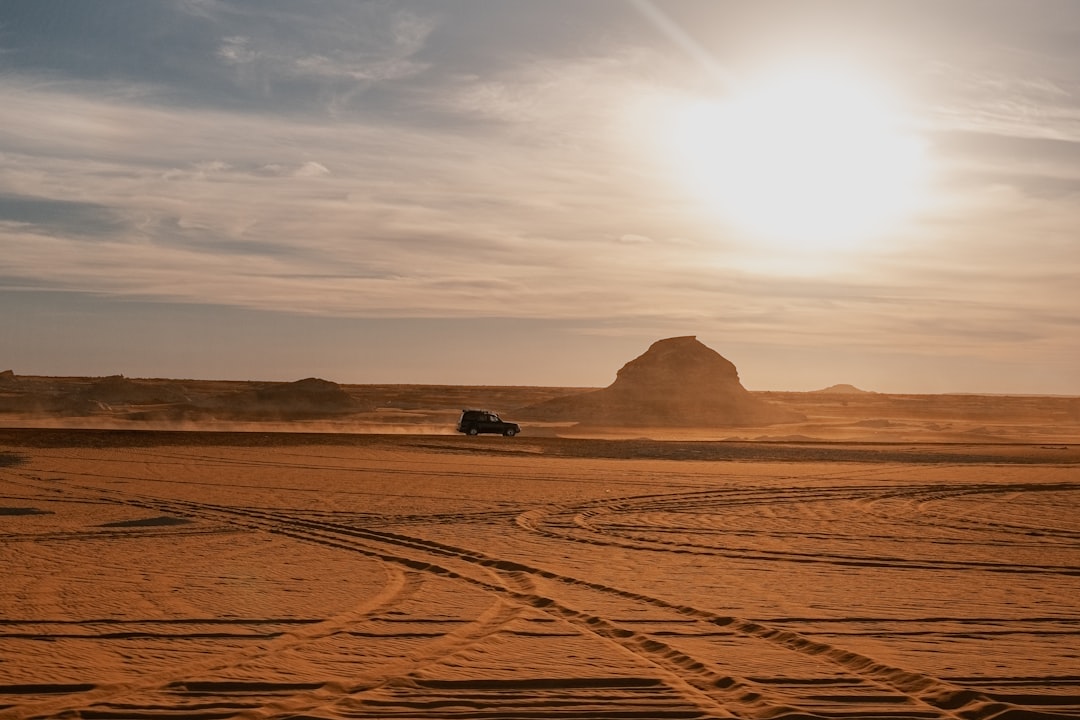
Siwa Oasis (Western Desert): 15–25°C. The desert oasis is at its most comfortable in March — cool nights, warm days, minimal tourists. The Berber-influenced culture and ancient Oracle Temple of Amun make it one of Egypt’s most rewarding off-the-beaten-track destinations.
What to Do
Siwa Oasis: Egypt’s most remote major oasis — a six-hour desert drive from Cairo — is home to the Berber Siwan culture, natural hot springs, salt lakes, and the Temple of the Oracle where Alexander the Great allegedly came for counsel. March is ideal: the date palms are in bloom, temperatures are comfortable, and very few tourists make it here. Stay at Adère Amellal eco-lodge or the simpler budget options in Siwa town.
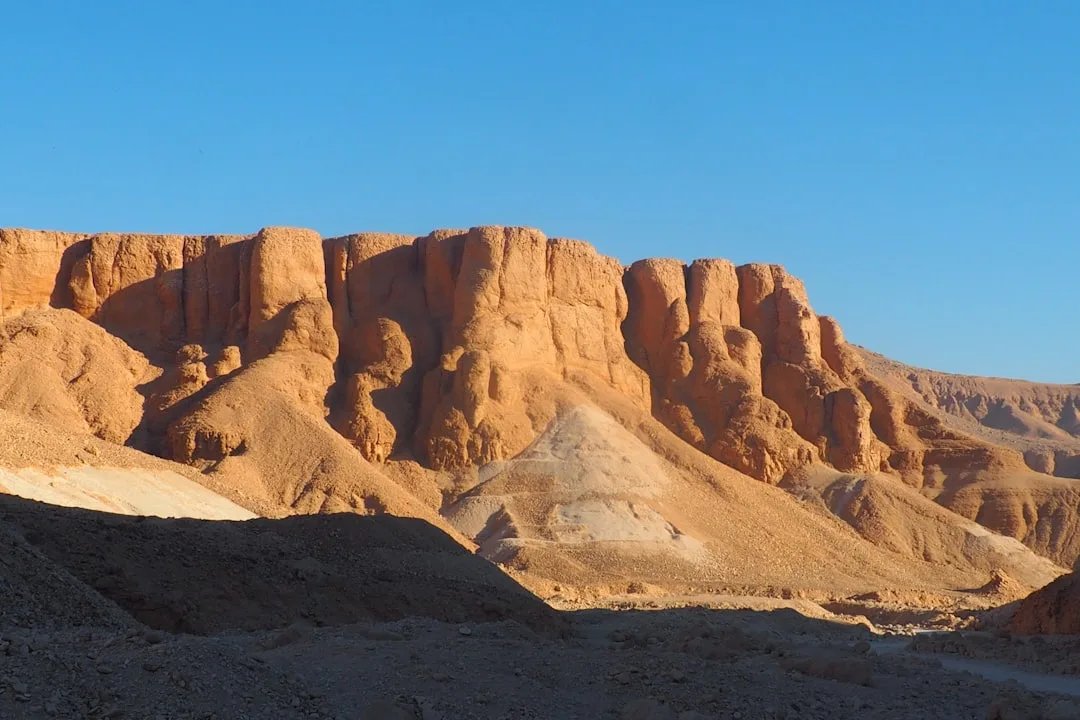
Luxor West Bank circuit: The Valley of the Kings, Hatshepsut’s Temple, Medinet Habu (Mortuary Temple of Ramesses III), and the Colossi of Memnon can be covered in a long morning in March’s temperatures. The Valley of the Kings requires a specific ticket covering three tombs — choose from the main list excluding Tutankhamun (extra fee) and the recently opened Ramesses VII (less crowded).
Coptic Monasteries, Wadi Natrun (Delta): The four ancient Coptic monasteries in the Wadi Natrun desert depression between Cairo and Alexandria — Deir Anba Bishoi, Deir Anba Baramous, Deir Abu Makar, and Deir es-Suriani — date to the 4th century. Still functioning monastic communities. March is a good month to visit before Coptic Easter preparations intensify.
Nile cruise (Aswan to Luxor, northbound): The traditional route operates both directions; the northbound Aswan-to-Luxor trip has a different pace and the advantage of catching the upper Nile sites first. March dates are still fully bookable. Smaller operators sometimes offer late-booking discounts in March as peak season fades.
Alexandria: The Mediterranean coast in March is mild and uncrowded. The Bibliotheca Alexandrina, the catacombs of Kom el-Shuqafa, and the remains of the old city make for a full day. The corniche promenade along the harbor is pleasant in March with sea breezes and light spring temperatures.
Festivals & Events
Sham el-Nessim (variable, March or April, first Monday after Coptic Easter): The ancient Egyptian spring celebration. Egyptians pour into public parks and open spaces for outdoor picnics featuring fesikh, colored eggs, and green onions. If your dates coincide, joining the festivity — even just observing the mass exodus to public gardens — gives real insight into Egyptian daily culture.
Mother’s Day (March 21): Widely observed in Egypt. Restaurants and cafes are busy. A minor consideration for dinner planning.
Practical Tips
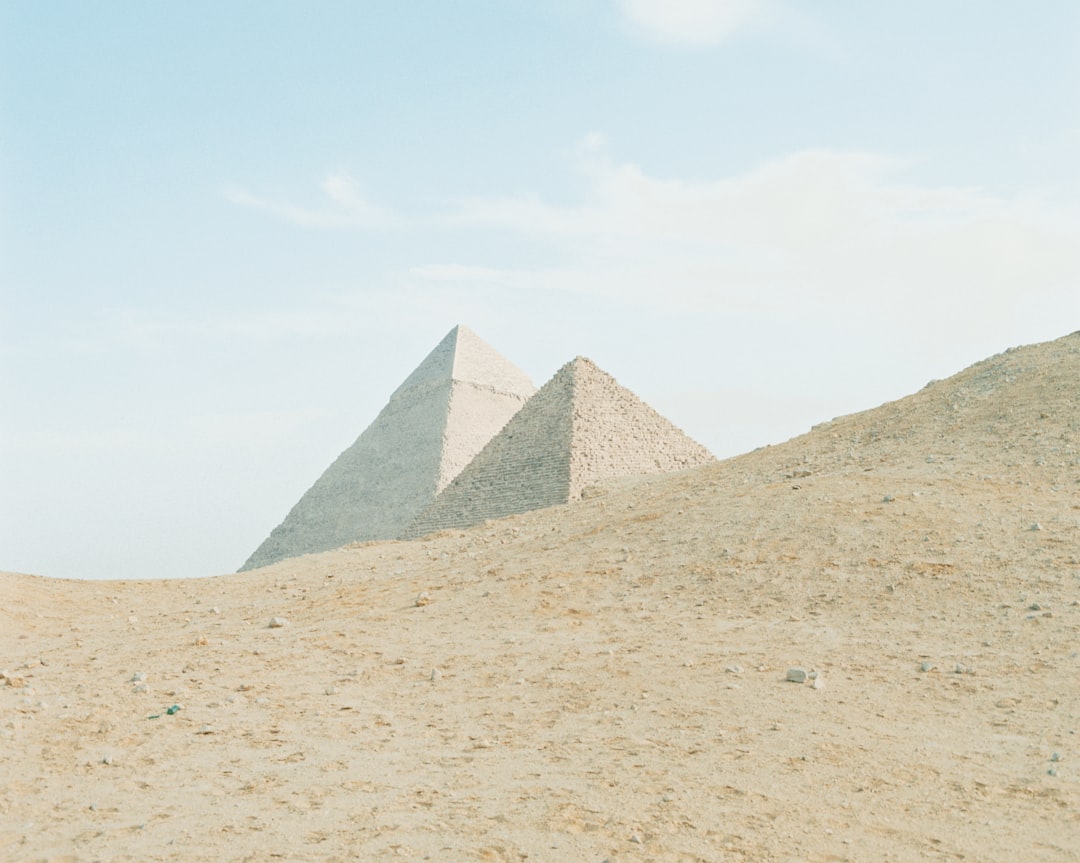
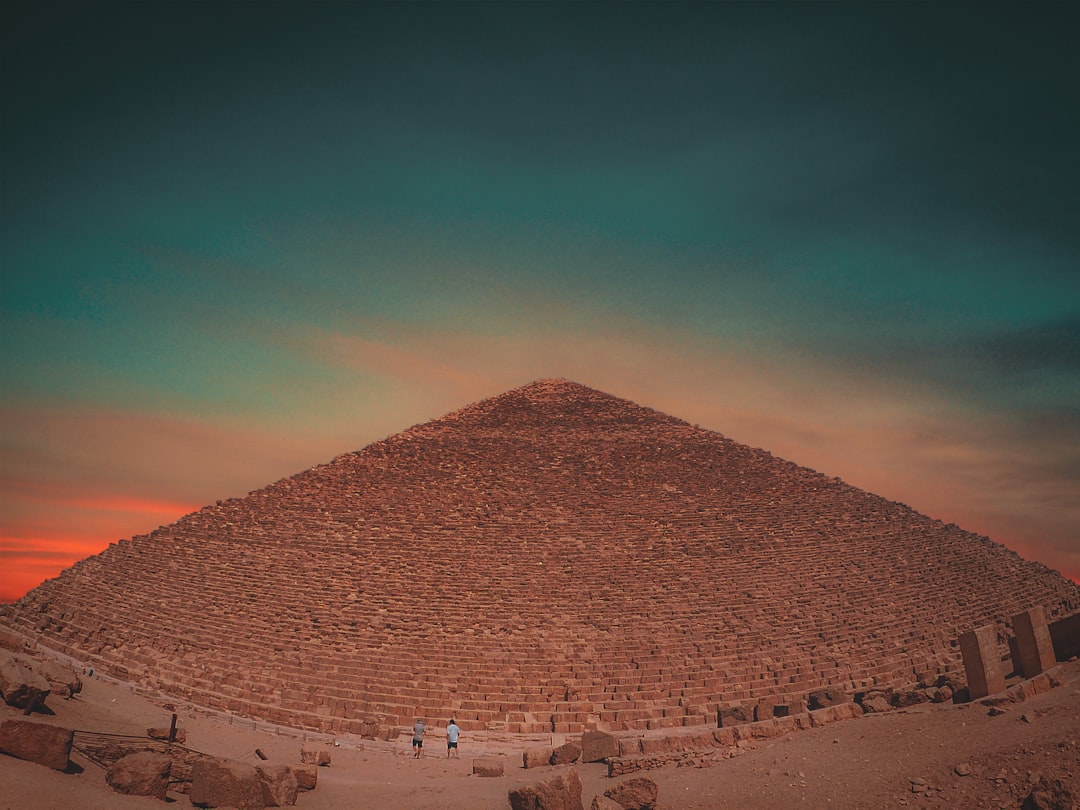
Khamsin dust storms can occur in March with little warning. If you’re in the desert — at Giza, Luxor’s west bank, or in the Western Desert — monitor weather forecasts. Storms last 12–48 hours and make outdoor sightseeing unpleasant (dust in everything, significantly reduced visibility).
March prices are notably lower than January–February. Hotel rates drop 15–25% in most Egypt destinations. This is the last genuinely comfortable month before the summer heat makes certain itinerary elements (extensive outdoor sites, desert trips) much harder.
Book Nile cruises 4–6 weeks ahead in March rather than the 2–3 months needed for January. Availability improves slightly.
Who March Is For
Travelers who want Egypt’s comfortable weather and lower January prices. Anyone combining ancient sites with a Red Sea diving segment. Off-the-beaten-track visitors heading to Siwa or the Western Desert. And experienced travelers who understand the Khamsin risk and are willing to be flexible around it.
Plan your trip