Two Weeks in Egypt: The Ultimate 14-Day Itinerary
Plan your trip
Two weeks in Egypt allows you to go beyond Cairo and the Pyramids and experience the full sweep of one of the world’s oldest civilisations — from the Pharaonic temples of Luxor (3,500 years old) to the Roman ruins of Alexandria, from the living Nile in Aswan to the surreal landscape of the White Desert. This is Egypt properly explored.
Days 1–3 – Cairo
Three days in Cairo — one of the world’s great cities, chaotic and fascinating in equal measure.
Day 1: The Grand Egyptian Museum (GEM) — the world’s largest archaeological museum, opened 2023, housing over 100,000 artefacts including the complete Treasures of Tutankhamun (the boy pharaoh’s burial goods, including the golden death mask — the most famous object in Egyptian archaeology). Allow 4–5 hours. Located at Giza, adjacent to the pyramids.
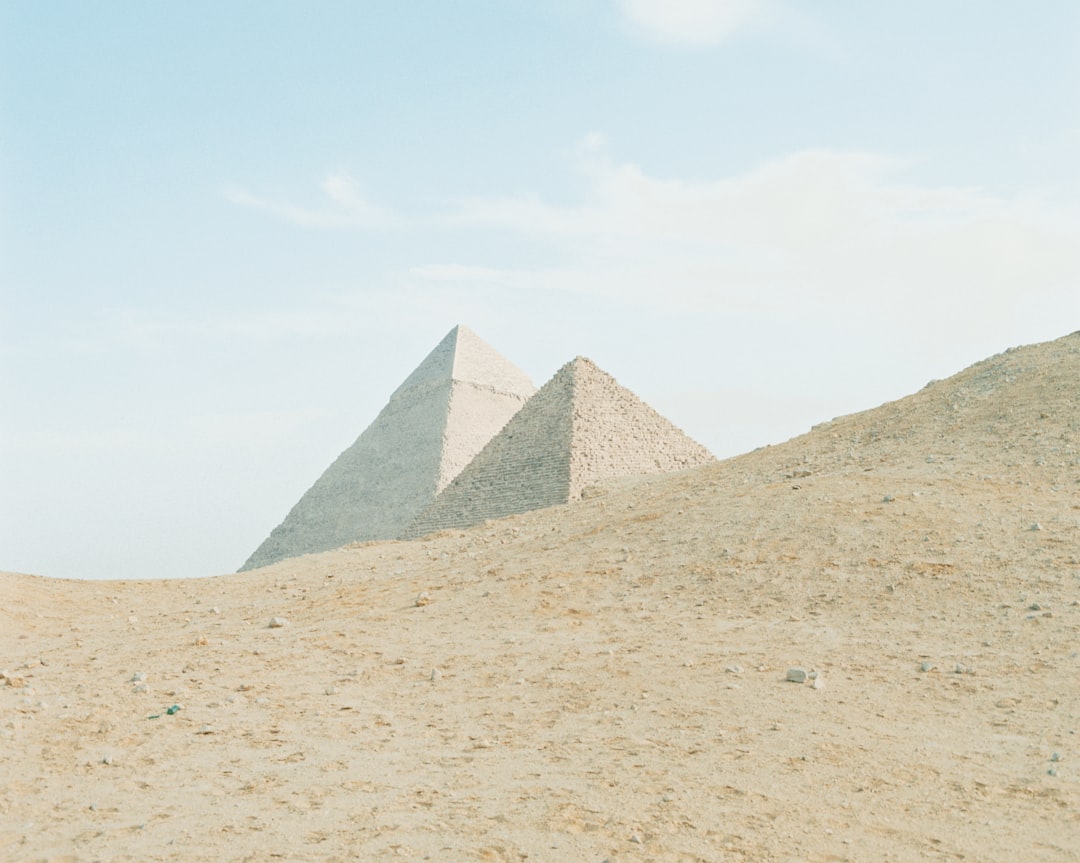
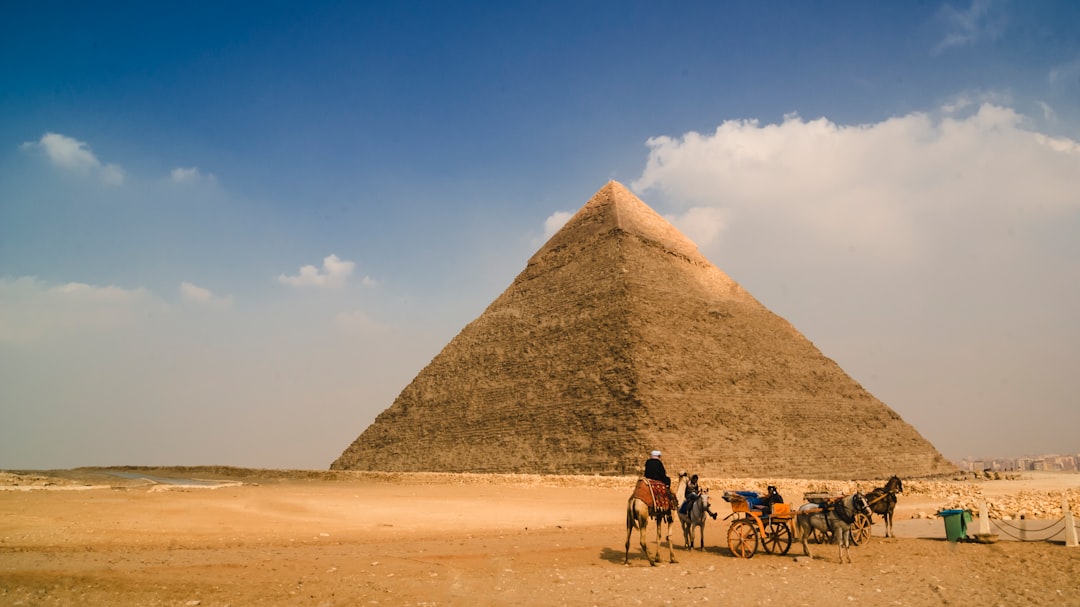
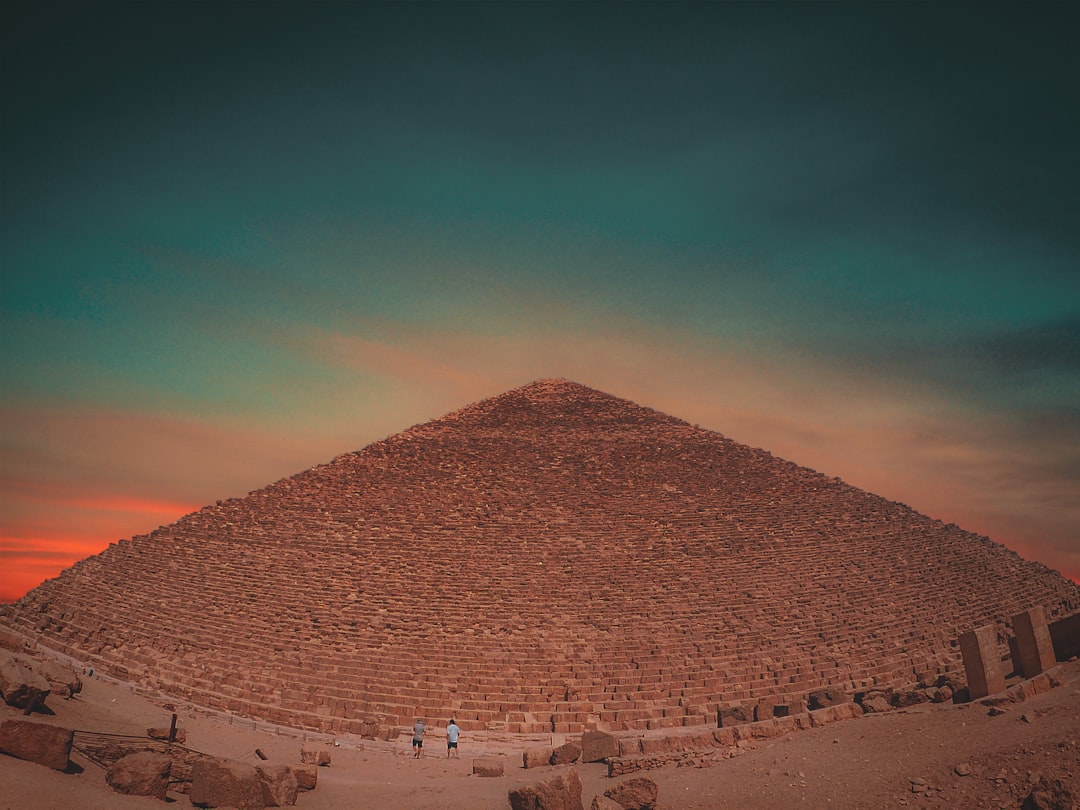
Day 2: The Pyramids of Giza and Sphinx — the last surviving wonder of the ancient world, built between 2580 and 2510 BCE. The scale of the Great Pyramid (Khufu) is only comprehensible when you stand at the base. Take a camel or horse ride around the plateau for perspective, or walk the perimeter on foot. Saqqara (30 minutes south): Egypt’s oldest stone structure — the Step Pyramid of Djoser (2650 BCE), predating Giza, in a less-visited archaeological complex. Memphis: the ancient capital with its colossal fallen statue of Ramesses II.
Day 3: Islamic Cairo — the dense, medieval heart of the city. Khan el-Khalili bazaar (a working market since 1382 — spices, gold, papyrus, textiles, and every form of souvenir in a labyrinthine layout). The Al-Azhar Mosque (972 CE — one of the world’s oldest universities still in operation). Walk the Al-Muizz Street — the main north-south artery of Islamic Cairo, lined with extraordinarily preserved medieval architecture including the Bab Zuweila gate (1092 CE).
Coptic Cairo: the Christian quarter with the Hanging Church (suspended over Roman gate towers, 3rd–4th century), the Coptic Museum, and the ancient Ben Ezra Synagogue (where Moses is said to have been found in the Nile — historically uncertain, culturally significant).
Day 4 – Alexandria
Train or bus (2.5 hours) to Alexandria — Egypt’s Mediterranean city, founded by Alexander the Great in 331 BCE, capital of Ptolemaic Egypt for 300 years, the ancient world’s greatest centre of learning.
The ancient library (Library of Alexandria) is gone, but its successor — the Bibliotheca Alexandrina (opened 2002) — is a stunning modern building with a massive reading room, excellent museums, and a collection of 8 million books. Designed by a Norwegian architectural firm to evoke the rising sun.
Qaitbay Citadel — a 15th-century Mamluk fortress built on the ruins of the ancient Lighthouse of Alexandria (one of the Seven Wonders of the Ancient World). The site juts into the Mediterranean; the views of the harbour are extraordinary.
The Corniche: Alexandria’s seafront boulevard, where the Mediterranean meets the city and local life is immediately apparent — fish restaurants, cafés, and the constant sea breeze that makes Alexandria a different Egypt from Cairo.
Graeco-Roman Museum (being renovated but partially open): the ancient city’s deities and rulers in marble.
Return to Cairo by evening train, or stay overnight in Alexandria.
Days 5–6 – Fly to Luxor
Early flight from Cairo to Luxor (1 hour). Luxor is an open-air museum — the ancient city of Thebes, capital of the New Kingdom (1550–1070 BCE), with more ancient monuments per square metre than anywhere else on earth.
Day 5 — East Bank:
- Karnak Temple Complex: the largest religious building ever constructed — a vast complex of temples, pylons, obelisks, and a sacred lake, built over 2,000 years by successive pharaohs. The Great Hypostyle Hall (134 columns, 23 metres tall, decorated with carved hieroglyphs on every surface) is one of the world’s great architectural experiences.
- Luxor Temple: a smaller but beautifully preserved temple on the Nile bank, illuminated at night in a way that shows the scale of the original structures. The Avenue of Sphinxes — recently excavated 3km processional route connecting Luxor and Karnak — is extraordinary.
Day 6 — West Bank: The west bank of the Nile at Luxor is the valley of the dead — where the pharaohs built their tombs and mortuary temples in the cliffs above the desert.
- Valley of the Kings: 63 royal tombs carved into the limestone cliffs. The standard ticket allows entry to 3 tombs; KV62 (Tutankhamun’s tomb) requires a separate ticket. The walls of each tomb are covered in painted spells and scenes from the Book of the Dead — the colour still vivid after 3,000 years.
- Hatshepsut Temple (Deir el-Bahari): the mortuary temple of Egypt’s greatest female pharaoh, built into a natural cliff amphitheatre. Three colonnaded terraces rising from the valley floor — one of the most elegant buildings in ancient Egypt.
- Colossi of Memnon: two 18-metre sandstone statues of Amenhotep III, standing alone in a field since their mortuary temple was quarried for stone by later pharaohs.
Days 7–8 – Nile Cruise or Felucca to Aswan
Two options:
Option A (comfortable): A Nile cruise ship between Luxor and Aswan (3–4 days, or 2-day express). Includes stops at Edfu Temple (the best-preserved temple in Egypt — dedicated to Horus, built 237–57 BCE, with extraordinary carved reliefs of the Horus myth) and Kom Ombo (a unique double temple to Sobek the crocodile god and Horus the Elder, on a bend in the Nile). The river itself — palm-lined banks, feluccas passing, egrets in the reeds — is the experience.
Option B (adventurous): A felucca (traditional Nile sailboat) from Luxor south. Slower, more basic, and closer to the river. Takes 3–4 days to Aswan with stops. Sleep on board under the stars.
Days 9–10 – Aswan
Aswan is Egypt’s most beautiful city — a Nubian city on the Nile, where the river slows around granite islands and the light is softer than anywhere further north.
Day 9:
- Philae Temple (Temple of Isis): moved to Agilkia Island to save it from Lake Nasser when the Aswan High Dam was built in the 1960s. Reached by motorboat; the island setting in the Nile is as remarkable as the temple. The Sound and Light Show at Philae is one of the better ones in Egypt.
- Nubian Village: take a short felucca to a Nubian village on the west bank — traditional architecture (painted in blues and yellows), crocodile owners, and genuine Nubian hospitality.
- Elephantine Island: ancient settlement in the middle of the Nile with ruins, a Nilometer (ancient river level gauge), and a small museum.
Day 10: Aswan High Dam (the 1960s Soviet-built dam that created Lake Nasser — the engineering and political implications are fascinating) and the Unfinished Obelisk in the granite quarries south of Aswan — a massive obelisk still attached to the bedrock, abandoned when a crack appeared. It shows exactly how the ancient Egyptians quarried stone; the scale is staggering.
Felucca at sunset from the Corniche — the most peaceful and beautiful thing you can do in Egypt.
Day 11 – Abu Simbel
Early morning flight or road trip from Aswan to Abu Simbel (270km south, near the Sudanese border) — the most dramatic temple in Egypt and one of the most remarkable engineering achievements of the 20th century.
The temples of Ramesses II and Nefertari (built 1264–1244 BCE) were carved directly into a sandstone cliff. When the Aswan High Dam would have submerged them under Lake Nasser, an international UNESCO effort moved the entire complex — 16,000 tonnes of stone cut into 1,041 blocks — 65 metres up the cliff to safety, between 1964 and 1968.
The Great Temple: four 20-metre colossal statues of Ramesses II flank the entrance. The inner chambers extend 60 metres into the cliff. Twice a year (February 22 and October 22 — the anniversary of Ramesses’s coronation and birthday), the sunrise illuminates the inner sanctum statues for 20 minutes.
Return to Aswan.
Days 12–13 – White Desert
Fly from Aswan to Cairo, then take an overnight sleeper train or drive to Bahariya Oasis (365km southwest of Cairo) — the gateway to the Western Desert.
White Desert National Park: a surreal lunar landscape of chalk formations sculpted by wind into mushrooms, arches, and towers of brilliant white rock scattered across a flat sandy floor. Camping overnight in the White Desert — among the white formations, under the most extraordinary star field in Africa — is one of the most extraordinary experiences in Egypt.
Black Desert and Crystal Mountain (a quartzite ridge embedded with crystals) are nearby.
Day 14 – Return to Cairo / Departure
Drive or bus back to Cairo (4–5 hours from Bahariya). Depart from Cairo International Airport (CAI).
Practical Notes
Transport: Egypt Air connects Cairo to Luxor, Aswan, and Abu Simbel (small planes, generally reliable). Trains for Cairo–Luxor–Aswan: comfortable overnight sleeper trains with AC berths (€30–80). Taxis and Uber within cities.
Guides: For the Valley of the Kings and Karnak, a local guide adds enormous value — the iconography and history are dense and not self-explanatory. Negotiate a rate at your hotel or use a licensed guide service.
Heat: October–April is the only comfortable time to visit Luxor and Aswan. Summer temperatures reach 45°C. The monuments don’t become less impressive in the heat — they become dangerous.
Safety: Egypt’s main tourist areas (Cairo, Luxor, Aswan, Sinai resorts) have been consistently safe for tourists for many years. Standard precautions apply. Check current Foreign Office/State Department advisories before travel.
Plan your trip