First Time in France? Everything You Need to Know
Plan your trip
France is one of the world’s most visited countries, and it earns every visit. But France also operates on its own cultural logic, and understanding that logic before you arrive transforms the experience. The French don’t expect you to be French — but they do appreciate it when you try.
The Basics
Capital: Paris
Currency: Euro (€)
Language: French — regional languages include Alsatian, Breton, Occitan, Basque, and Corsican
Time zone: CET/CEST (GMT+1/+2)
Driving: Right-hand side
Plugs: Type E/F (two round pins)
Visa: EU/EEA no visa; US, UK, Canada, Australia — visa-free 90 days (Schengen)
What First-Timers Get Wrong
Starting with English
In Paris and major tourist areas, most people speak English reasonably well. But starting a conversation with “Excuse me, do you speak English?” rather than “Bonjour, parlez-vous anglais?” is noticed. Say “Bonjour” first — always. It’s the most important word you’ll learn.
Expecting service like home
French service culture is not warm in the American or Australian sense. Your waiter will not check in on you every five minutes, perform artificial enthusiasm, or rush you out of your table. This is not rudeness — it’s respect for your autonomy and the pace of the meal. Catch their eye when you want something. Say “S’il vous plaît” and they will come.
Eating at tourist hours
French restaurants serve lunch between 12–2pm and dinner between 7:30–10pm. Attempting to eat outside these windows in a proper restaurant will result in polite rejection. Plan your schedule around French meal times — it’s worth it.
Rushing through Paris and skipping France
Paris is extraordinary, but France is much bigger than its capital. Brittany, Alsace, the Dordogne, Lyon, and the Basque Country offer experiences completely different from — and often superior to — the tourist trail.
Where to Go First
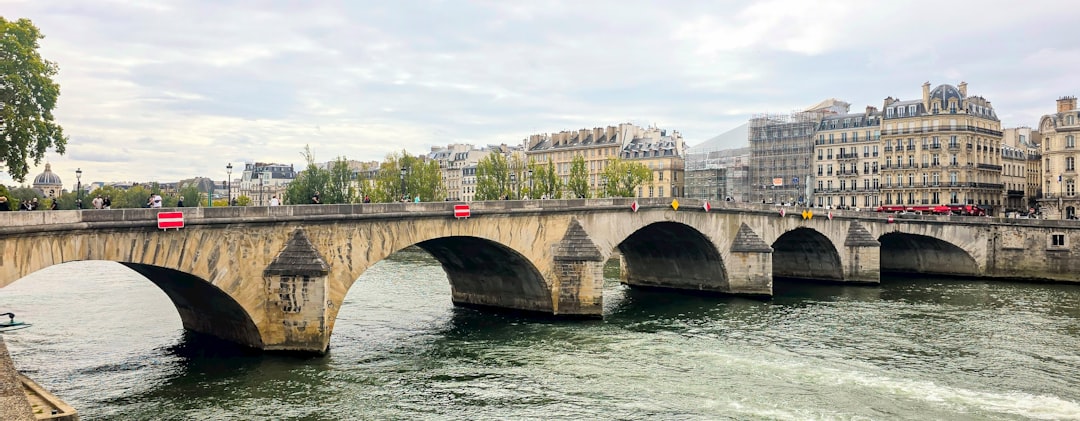
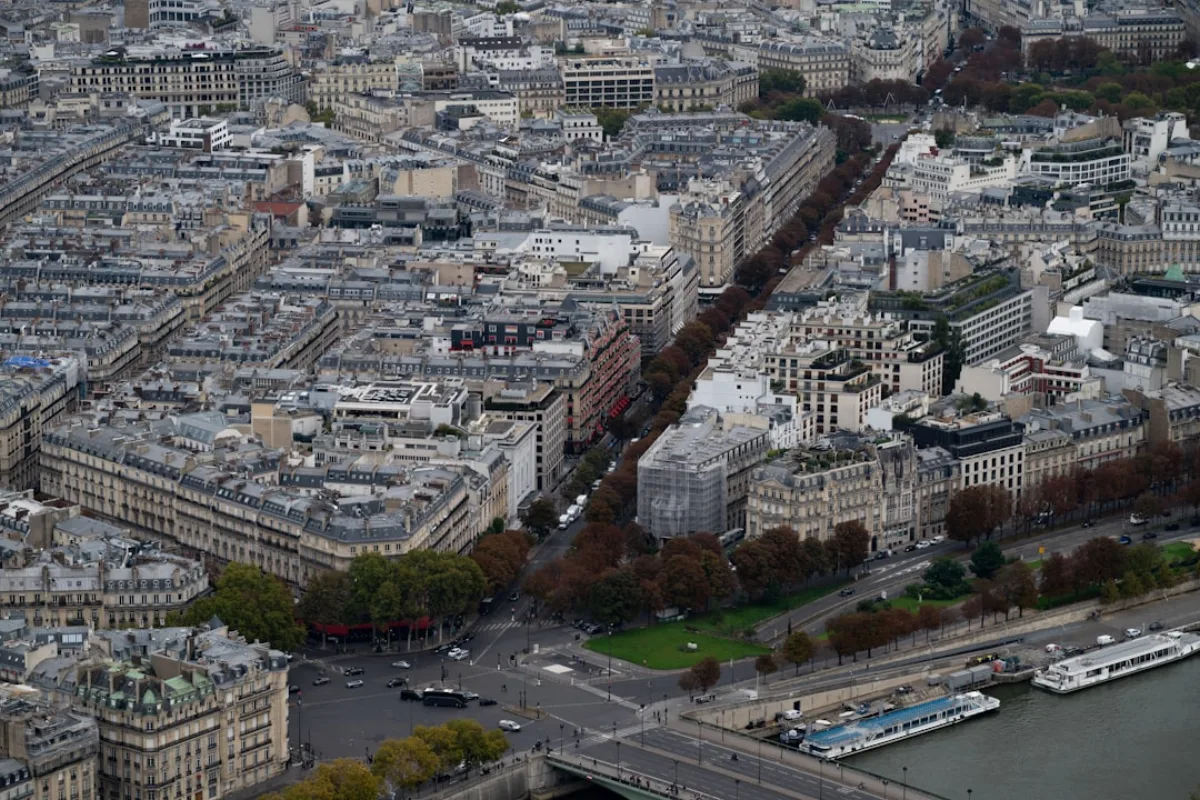
Paris (3–4 days): The Eiffel Tower, the Louvre, Montmartre, and Le Marais. But also: neighbourhood cafés, the Seine at sunset, Sainte-Chapelle’s stained glass.
Versailles (day trip from Paris): The Palace and Gardens of the Sun King are genuinely staggering in scale and opulence.
Loire Valley: Renaissance châteaux, wine, and the most beautiful river valley in France.
Provence: Lavender, olive oil, Roman ruins, and hilltop villages. Avignon, Gordes, Les Baux.
French Riviera: Nice, Monaco, Antibes. The most glamorous coastline in Europe.
Normandy: D-Day beaches, Mont Saint-Michel, and the dramatic cliff coastline at Étretat.
Alsace: Half-timbered villages, Riesling wine, and the best Christmas markets in Europe.
Food & Drink Essentials
Breakfast: The French don’t eat big breakfasts. A croissant or tartine (bread with butter and jam) with café au lait is the national standard. Buy from a boulangerie, not your hotel.
Cheese: France makes over 1,200 varieties of cheese, and eating them in France is a different experience from eating them elsewhere. Ask for local recommendations at a fromagerie (cheese shop).
Baguette: French law dictates that a traditional baguette must be made and sold in the same place. Get one still warm from a boulangerie. Eat it walking. This is allowed.
Wine: France’s wine regions — Bordeaux, Burgundy, Champagne, Alsace, Rhône, Loire — produce some of the world’s greatest wines. French wine literacy is high; asking a sommelier or wine merchant for a recommendation by price and preference works beautifully.
Steak-frites: The classic French brasserie dish. Order it à point (medium) or saignant (medium-rare). The French consider well-done an insult to good beef.
Crêpes: The national snack, particularly in Brittany (where they originated). Galette (buckwheat, savoury fillings) vs. crêpe sucrée (sweet). Get them from a street crêperie, not a restaurant.
Getting Around
TGV trains: France’s high-speed train network is exceptional — one of the world’s best. Paris is connected to Lyon (2h), Marseille (3h), Bordeaux (2h), Nice (5.5h), and Strasbourg (1h45m). Book well in advance for best prices on SNCF Connect.
Paris Métro: 16 lines, comprehensive coverage. The Navigo weekly pass (€30) is the best value for stays of 5+ days.
Renting a car: Essential for Provence villages, Loire châteaux, Normandy coast, and Alsace villages. Not needed in Paris.
Cycling: France has excellent cycling infrastructure, and the Loire Valley Cycle Route (La Loire à Vélo) is one of Europe’s finest cycling paths — flat, well-marked, and passing through château country.
Cultural Tips
“Politesse” (politeness) is taken seriously. Greet every shopkeeper with “Bonjour” when you enter, and “Au revoir, merci” when you leave. This is not optional — it’s basic respect.
Tipping: Service is included in French restaurant bills by law. Tipping is not expected but appreciated — rounding up or leaving €2–5 for a good meal is the norm. Don’t tip to the extent expected in the US.
Sundays: Many shops (except boulangeries, some supermarkets, and tourist areas) close on Sundays. Plan grocery shopping for Saturday.
August in Paris: Many Parisians leave the city in August. Some independent restaurants and shops close for the entire month. Paris in August is mostly tourists — not a problem, but different.
Regional pride: The French have strong regional identities. A Breton is not the same as a Provençal. People from Lyon will tell you Lyon is the gastronomic capital, not Paris (they may be right). Showing interest in regional culture opens doors.
Practical Tips
- Book major Paris attractions well in advance — Eiffel Tower summit, Louvre, Versailles timed entries sell out
- Carry cash — smaller restaurants, markets, and rural establishments often don’t take cards
- Pharmacies (green cross) are excellent for minor ailments — pharmacists in France are highly trained
- Water: Tap water is safe everywhere in France
- Drivers: French driving can be aggressive — especially on roundabouts (incoming traffic has priority)
- SNCF app: Download it for train tickets and real-time delays
Plan your trip