One Week in Greenland: The Perfect 7-Day Itinerary
Plan your trip
Greenland is one of the last great frontiers — a country of 57,000 people spread across 2.17 million square kilometres, where the ice sheet covers 80% of the land, glaciers calve into fjords the size of cities, and the sky does things found nowhere else on earth. Seven days scratches the surface. It’s enough to be transformed.
Days 1–2 – Nuuk: The World’s Most Northern Capital
Arrive in Nuuk — Greenland’s capital and largest city, with 18,000 inhabitants. It’s simultaneously a modern Scandinavian city and a place of profound Arctic remoteness.
Day 1: Start at the Greenland National Museum — housed in colonial-era Greenlandic buildings in the Old Town, with exhibits covering 4,500 years of Arctic human history. The centrepiece: the Qilakitsoq mummies — eight naturally preserved Inuit bodies from around 1475, found in 1972. Hauntingly beautiful and one of the most significant archaeological discoveries from the circumpolar world.
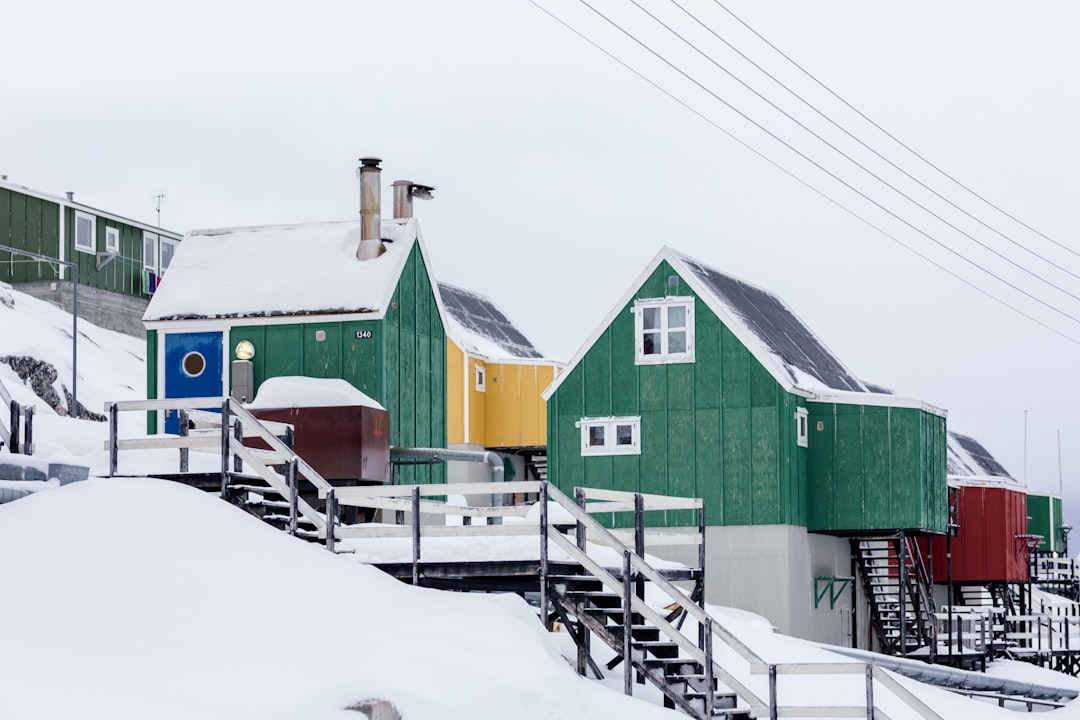
Walk through Nuuk’s Old Town (Kolonihavn) — the original Danish colonial settlement from 1728, with colourful wooden buildings around a small harbour. The Hans Egede Cathedral (1849) is named after the first Danish missionary who established Nuuk.
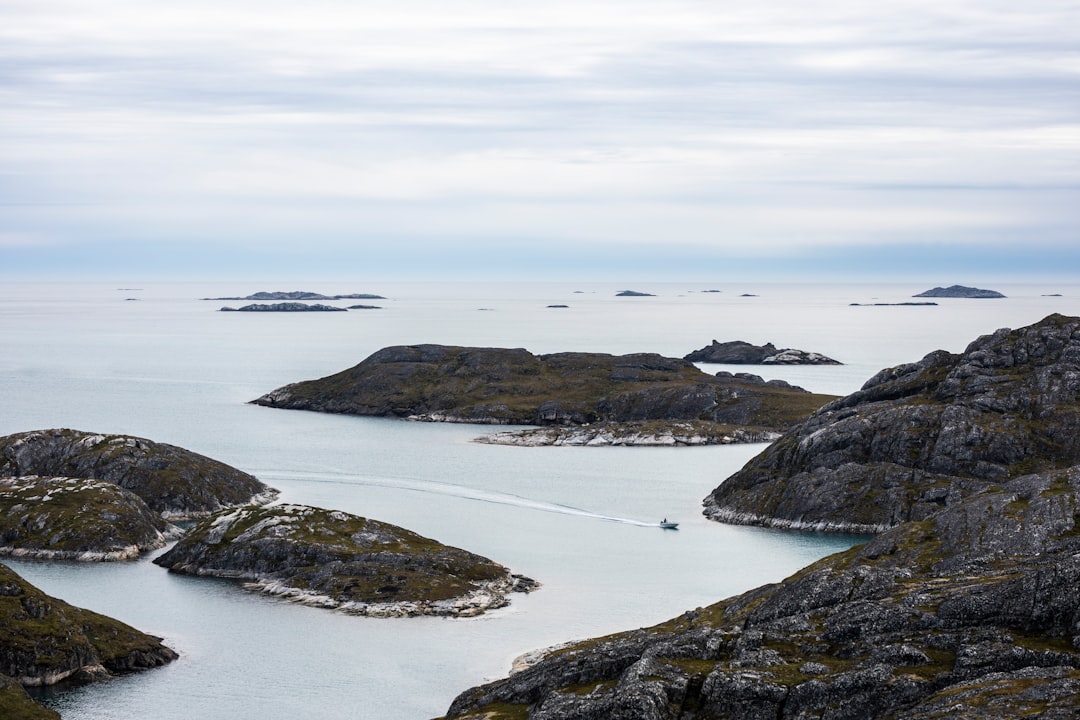
Day 2: Boat trip into Nuuk Fjord — the extraordinary fjord system surrounding the city, with icebergs drifting in from the ice sheet, humpback whales (summer and autumn), and mountain walls rising from the water. Many operators run 3–4 hour fjord tours with wildlife spotting.
Hike behind the city into the Arctic hill system — trails lead up to viewpoints over Nuuk, the fjord, and on clear days, the Greenland Ice Sheet shining on the horizon.
Day 3 – Fly to Ilulissat
Fly from Nuuk to Ilulissat (1.5 hours) — a town of 4,500 inhabitants on the west coast, and the gateway to one of the world’s most extraordinary natural phenomena.
Ilulissat Icefjord (Sermeq Kujalleq) — a UNESCO World Heritage Site and the world’s most productive glacier outside Antarctica. The glacier calves 46 cubic kilometres of ice per year, filling the 40km fjord with an ever-changing landscape of icebergs the size of skyscrapers. The sound alone — a continuous deep cracking and thundering as ice breaks and shifts — is extraordinary.
Evening: walk the wooden boardwalk trail to the main fjord viewpoint. The light at this latitude in summer (midnight sun from May to July) means you can walk at 11pm in full daylight. The icebergs glow blue and white.
Days 4–5 – Ilulissat: Ice & Exploration
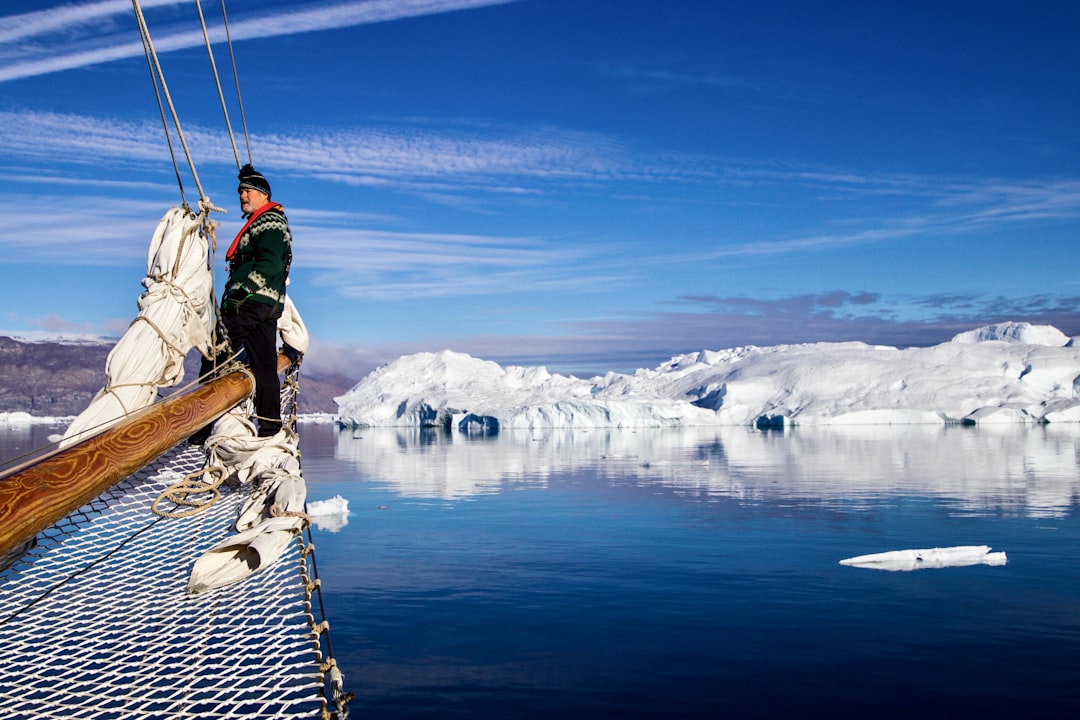
Day 4: The Sermermiut Archaeological Site — a Greenlandic settlement occupied almost continuously from 2500 BCE to 1850 CE, located on the edge of the icefjord. Walk the trail through the ruins to the edge of the fjord. Book a boat tour into the icefjord — the only way to truly appreciate the scale of the ice. Operators run zodiac trips through the floating bergs.
Afternoon: visit the Knud Rasmussen Museum — dedicated to the greatest Arctic explorer of the 20th century, a Greenlandic-born Danish explorer who made 10 expeditions across the Arctic. His house is the museum.
Day 5: Dog sled tour (winter: January–April) or hiking to the Ice Cap (summer). The route from Ilulissat to the ice sheet is 20km, typically done in a full-day guided hike. Standing on the Greenland Ice Sheet — 3km of ice at its thickest — is a profound experience. The crevasse-free surface near the edge is accessible to non-technical walkers with a guide.
Alternatively: boat trip north to Disko Island, a volcanic island with black beaches, hot springs, and dramatic scenery — accessible from Ilulissat by 90-minute boat.
Day 6 – Northern Lights or Midnight Sun
Depending on when you visit:
Winter (October–April): Dedicated northern lights viewing tour. Ilulissat’s dark sky (no light pollution) and clear Arctic air make it one of the world’s best locations for aurora viewing. Tours run by boat (away from any town lights) or by snowmobile.
Summer (May–August): The midnight sun. Greenland’s west coast gets 24-hour daylight May–July. Hike at 1am in full sunlight over the hills above Ilulissat. Eerie, disorienting, and magical.
Day 7 – Return to Nuuk & Departure
Fly back to Nuuk for international connections. Nuuk’s airport connects to Copenhagen (4 hours) — the main international gateway. If time allows before departure, a final coffee at one of Nuuk’s surprisingly good cafés overlooking the fjord.
Practical Notes
Getting around: All inter-settlement transport in Greenland is by small plane (Air Greenland) or boat — there are no roads between towns. Book domestic flights well in advance; they fill quickly in peak season.
Cost: Greenland is one of the world’s most expensive destinations — partly due to import costs on an island with no road connections to the outside world. Budget €250–400+/day per person mid-range.
Best time: Summer (June–August) for hiking, boat tours, midnight sun. Winter (January–March) for dog sledding, northern lights, and truly extreme Arctic atmosphere.
Clothing: Always dress in layers. Even in summer, temperatures near the ice sheet can drop rapidly. Waterproof outer layers essential year-round.
Plan your trip