India in July: Deep Monsoon, Ladakh Road Trips, and Empty Northern Monuments
Plan your trip
July is monsoon India at its most intense. The plains are under continuous rain. Kerala and the Western Ghats are a saturated, vivid green. The Taj Mahal stands in grey mist with almost no visitors. And Ladakh — in the Himalayan rain shadow — is sunny, spectacular, and filling with travelers who know that July is actually one of the best months to be there. It’s a month of sharp contrasts, and the right travelers find those contrasts the whole point.
Weather & Conditions
Delhi / North India: 28–36°C, heavy monsoon rain. Daily rainfall from afternoon into evening. Streets flood. But the heat breaks and the city is more functional than June. Humidity is high.
Rajasthan: 28–38°C, rain arrives by early July. Jodhpur and Udaipur receive less than Jaipur. The desert turns green for a few weeks — a strange and beautiful transformation.
Kerala / Western Ghats: Continuous heavy rain. Waterfalls at maximum flow. Backwaters full and green. Not a beach month but a landscape photography month.
Mumbai: 26–30°C, intense rain. Mumbai’s monsoon is legendary — the Arabian Sea delivers 2,000mm of rain between June and September. The city functions but flooding affects low areas.
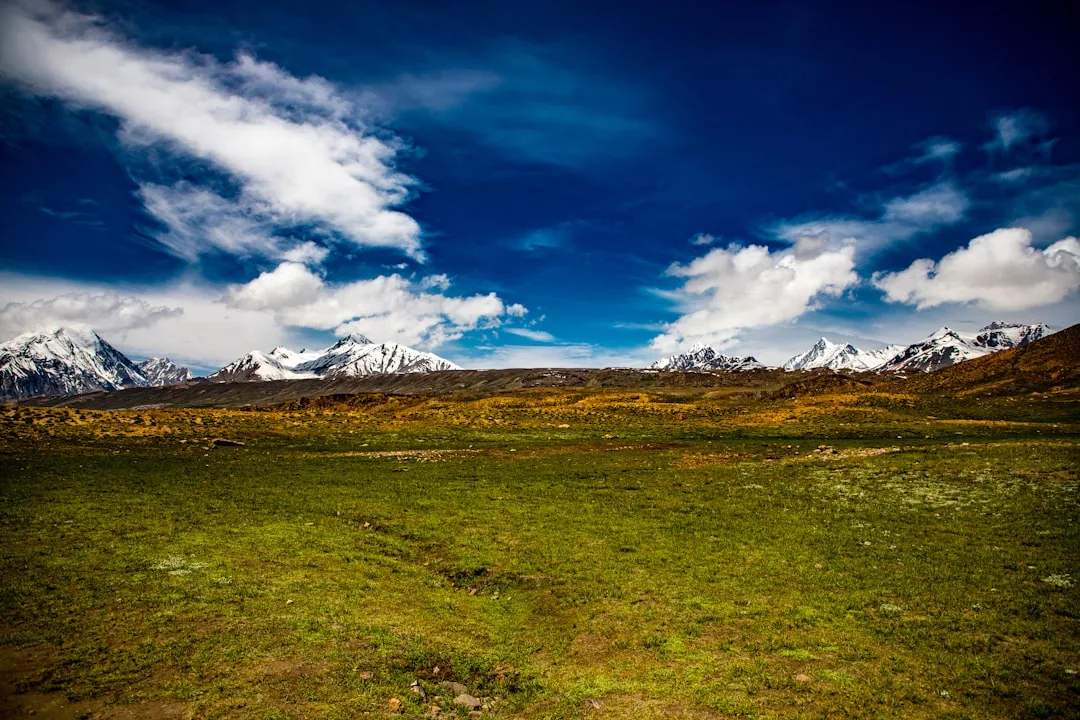
Leh, Ladakh: 15–28°C, sunny and dry. The Himalayan rain shadow keeps Ladakh arid. This is peak Ladakh season.
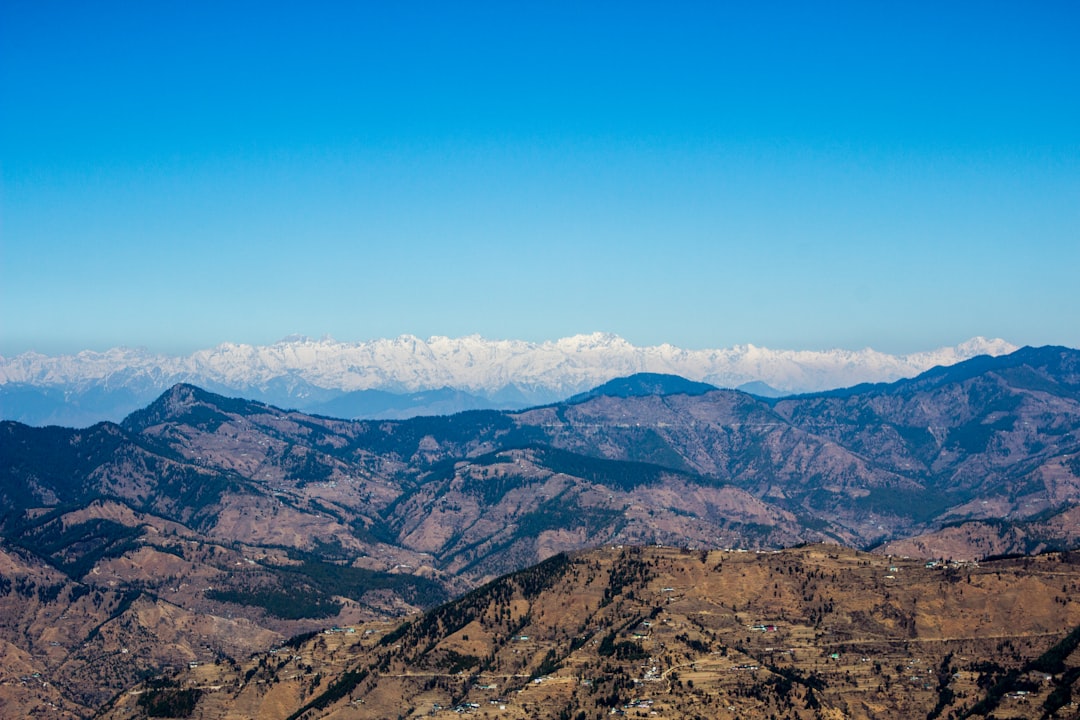
Himalaya (Manali, Kullu): Monsoon has arrived. Valley treks are limited; Rohtang Pass may be affected by cloud and road damage.
What to Do
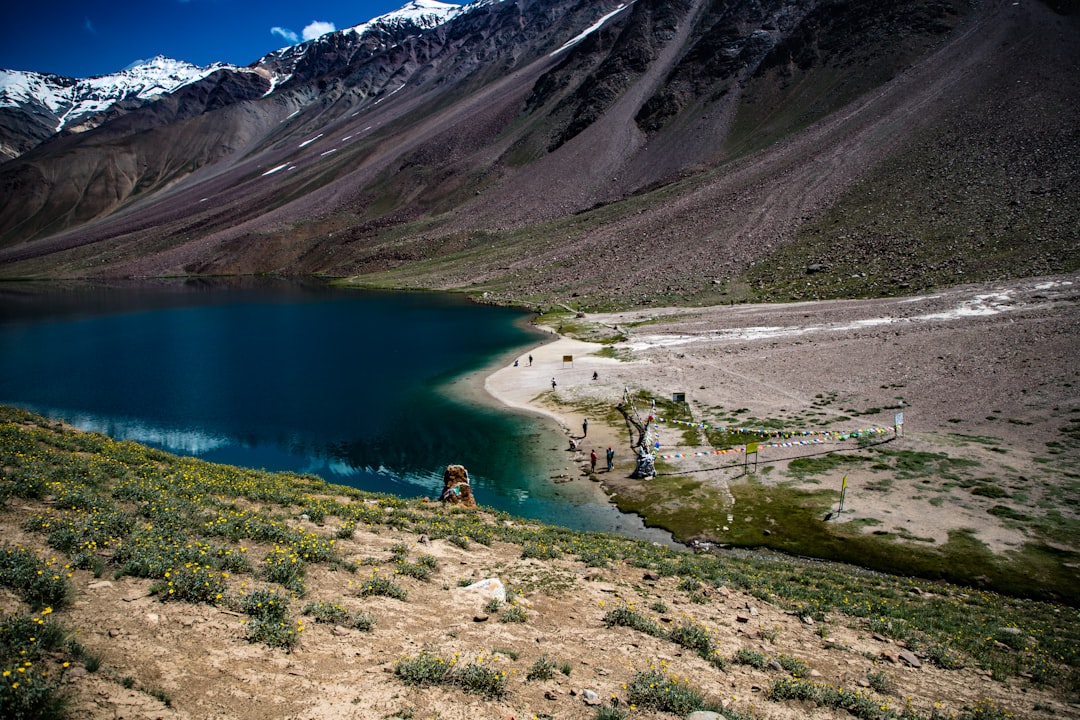
Ladakh motorcycle and road trip: July is peak Ladakh season. The Manali-Leh Highway is open (though subject to temporary closures after heavy rain at the southern approaches). The Srinagar-Leh Highway is the more reliable July approach. Pangong Lake, Nubra Valley (accessible via Khardung La, one of the world’s highest motorable passes), the Tso Moriri high-altitude lake, and the Zanskar Valley are all accessible.
Markha Valley Trek, Ladakh: One of the classic multi-day Ladakhi treks runs through the Markha Valley, crossing high passes and visiting remote villages. July is peak trekking season. Organized treks through operators like Snow Leopard Adventures or Rimo Expeditions; independent trekking requires a permit for border areas.
Hemis Festival, Ladakh (if not June): The Hemis Monastery festival — two days of cham mask dances, thangka unfurlings, and traditional music in the monastery courtyard — falls in June or July depending on the Tibetan calendar year.
Monsoon trekking in Kerala: The “monsoon trekking” concept is real in Kerala’s high ranges — paths through tea estates and forest in steady rain, with misty mountain views. Operators in Munnar offer guided monsoon treks to Anamudi (the highest peak in the Western Ghats) and through the Silent Valley National Park system.
Taj Mahal in the rain: Agra in July is wet, humid, and the Taj complex is dramatically quiet. The white marble in grey monsoon light has a different atmosphere from the crisp January version. Few tourists. Book online to skip the entry line.
Festivals & Events
Rath Yatra, Puri (if not late June): The great chariot festival of Lord Jagannath pulls hundreds of thousands of pilgrims to Odisha’s coast. One of the world’s largest religious processions.
Guru Purnima (full moon of July): Honored across India’s Hindu, Buddhist, and Jain traditions as the full moon dedicated to teachers and gurus. Ashrams and monasteries hold special events.
Muharram (Islamic New Year period, variable): Observed with processions and Taziya (replica mausoleums) carried through the streets in Muslim communities, particularly in Lucknow and Hyderabad.
Practical Tips
July is India’s cheapest month for hotel accommodation in the plains. Five-star hotels in Delhi, Agra, and Rajasthan’s cities offer rates 40–60% below January levels. The savings are real and dramatic.
The Taj Mahal in July: completely functional, minimal queues, empty gardens, and wet weather photography that produces results you can’t get in January’s clear-sky crowds.
Ladakh in July: flights are the reliable route (Delhi-Leh 1 hour). Book 6–8 weeks ahead — July flights fill completely. The Manali-Leh road trip is the adventure choice but requires 2 days of driving and accepts road closure risk.
Monsoon travel requires waterproof gear, flexibility for rain delays, and a philosophical acceptance that some plans will be rained out.
Who July Is For
Ladakh enthusiasts who want the peak season without the September crowds. Budget travelers willing to embrace monsoon for dramatically lower prices. Monsoon landscape photographers. Anyone specifically interested in India without its tourist density — July’s monsoon empties most historic sites of their usual visitor crowds.
Plan your trip