India in June: Monsoon Arrives, Himalaya Trekking Peaks, Kerala Turns Green
Plan your trip
June is when the monsoon’s arrival redefines India. The southwest monsoon typically hits Kerala around June 1 and pushes northeast across the country through July–August. For Kerala and the Western Ghats, this means dramatic transformation — rivers filling, waterfalls thundering, tea estates turning vivid green. For Ladakh, June is the peak trekking month before the high Himalayan routes become affected. For the plains, the heat finally breaks — but with intense rain.
Weather & Conditions
Kerala (monsoon arrives ~June 1): 25–32°C, heavy rain. Waterfalls are spectacular. The backwaters fill and green intensifies. Not a beach month — the seas are rough — but an extraordinary landscape.
Western Ghats (Coorg, Wayanad): Wet, green, and dramatic. June is the month waterfalls appear everywhere. Scenic but logistically wet.
Delhi / North India: 30–42°C until the monsoon arrives (typically late June to early July). Dry and very hot until the rain breaks it.
Rajasthan: 35–44°C in June, with the monsoon arriving in late June or early July. Not a visit month.
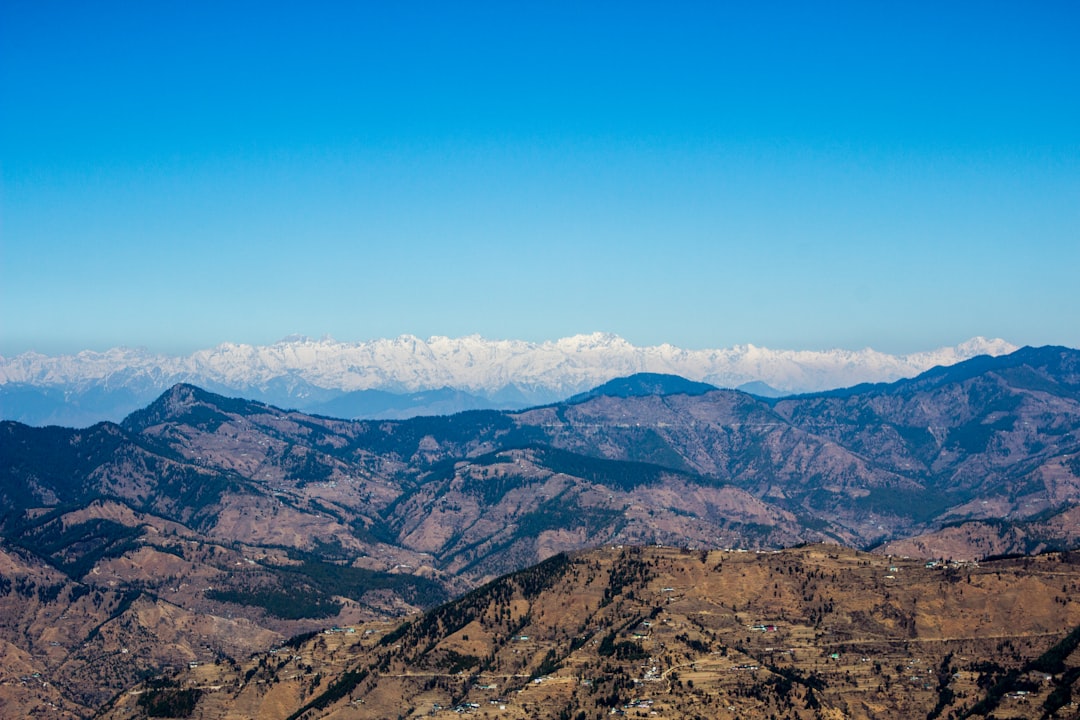
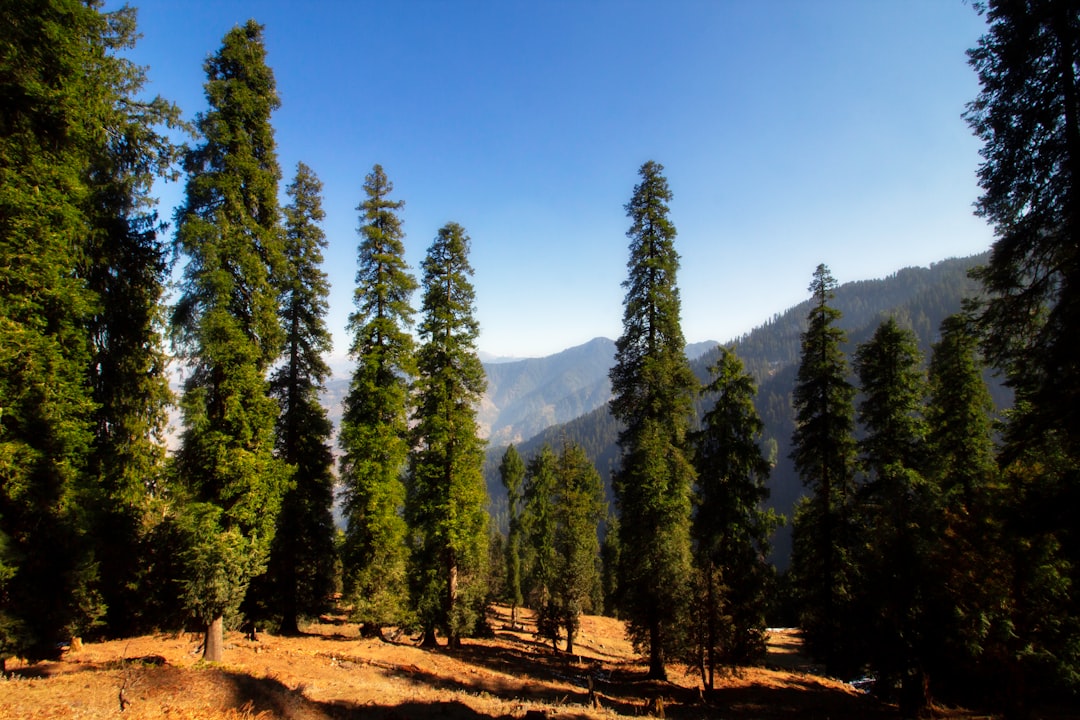
Himalaya (Manali, Kullu Valley): 15–25°C. Excellent trekking until mid-June; upper routes may become monsoon-affected by late June.
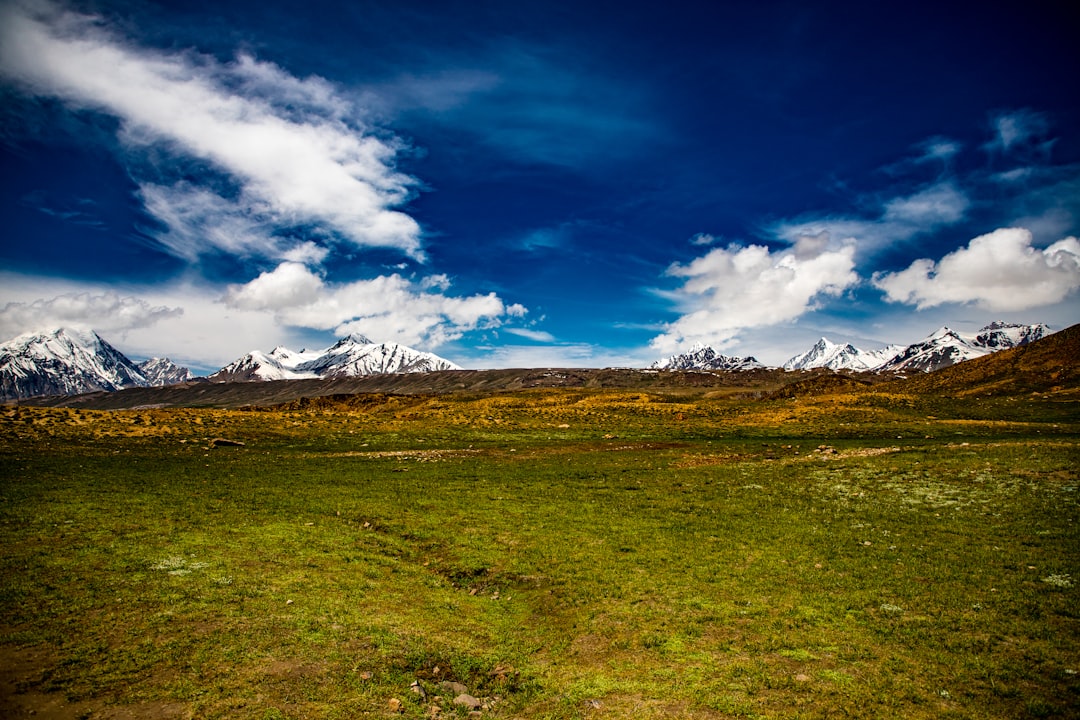
Leh, Ladakh: 12–25°C. The Himalayas’ rain shadow means Ladakh sees minimal monsoon rainfall. June is peak trekking and road trip season.
Sikkim / Darjeeling: Monsoon arrives mid-June. Dramatic, beautiful, and logistically challenging. Landslides on hill roads are possible.
What to Do
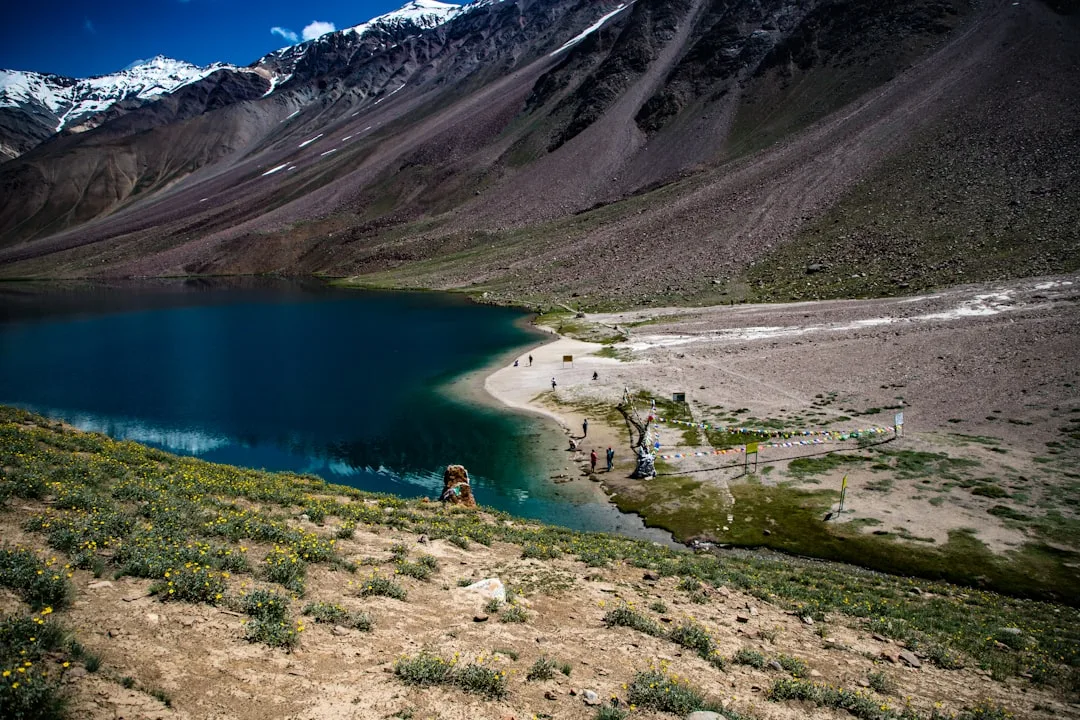
Leh and Ladakh — peak season: June is the best single month for Ladakh. Roads are fully open, temperatures are ideal, the landscape is extraordinary, and the high-altitude trekking routes (Markha Valley, Stok Kangri, Chadar preparation) are fully accessible. Buddhist monasteries hold festivals in June (check Hemis Monastery dates — the Hemis Festival is usually June or July). Renting a Royal Enfield motorcycle in Leh and riding to Pangong Lake or Nubra Valley is a Ladakh classic.
Ayurvedic Panchakarma retreat, Kerala: Traditional Ayurvedic medicine holds that monsoon is the ideal time for deep detoxification treatments — the body is more receptive to oil massages and herbal preparations in the humid season. Several reputable Ayurvedic centers in Thrissur, Thiruvananthapuram, and Varkala offer residential retreat programs (minimum 7–14 days). June–August is their prime season.
Valley of Flowers, Uttarakhand (opens late June): The UNESCO World Heritage alpine meadow above Joshimath blooms from late June through August. The trek from Govindghat is 16km to the valley, usually done over 3–4 days with accommodation at Ghangaria village. Wildflowers in hundreds of species cover the valley floor — one of the great natural spectacles of the Indian Himalayas.
Pin Parvati Pass trek (Himachal–Uttarakhand): One of India’s most demanding high-altitude crossings — from Spiti Valley over the 5,320m pass into the Parvati Valley of Kullu — is best attempted in June before monsoon affects the southern approach.
Monsoon waterfalls, Goa: Goa in monsoon is completely different from beach-season Goa — green, wet, and dramatically wild. The Dudhsagar Falls (250m cascade on the Goa-Karnataka border) reach their peak flow in June. Accessible by jeep from Mollem or by train. The beach resorts are quiet and cheap.
Festivals & Events
Hemis Festival, Ladakh (June or July): The largest monastery festival in Ladakh, held at Hemis Monastery near Leh. Monk dances (cham), elaborate thangka displays, and traditional music over two days. Exact dates follow the Tibetan calendar — confirm before travel.
Rath Yatra (Puri, Odisha, late June or early July): One of India’s most extraordinary festivals — the giant wooden chariots of Lord Jagannath, Balabhadra, and Subhadra are hauled through the streets of Puri by tens of thousands of devotees. A UNESCO-recognized cultural event.
Practical Tips
Monsoon logistics: rain in Kerala and the Western Ghats is serious — roads flood, landslides occur, and rural areas become temporarily inaccessible. The upside is extraordinary green landscapes and dramatically low tourist prices.
Ladakh in June: book accommodation at least 2 months ahead — the short season creates high demand. Pangong Lake road permits require advance planning through a licensed operator.
June is the year’s best month for India budget travel in the plains — Delhi hotels are at their lowest rates, Rajasthan heritage properties are heavily discounted, and the tourist infrastructure is undercrowded. If the heat is manageable, it’s exceptional value.
Who June Is For
Himalayan trekkers and Ladakh road trip enthusiasts. Ayurveda and wellness retreat visitors. Waterfalls and monsoon landscape photographers. And budget travelers who want empty monuments and minimum prices regardless of rain and heat.
Plan your trip