India in March: Holi, the Last Cool Month, and the Kerala Hills at Their Best
Plan your trip
March is when India’s festivals peak and its comfortable weather window begins closing. Holi — the festival of colors — is the main event, usually falling in March. Temperatures in North India are warm but manageable. By late March the heat is building in Rajasthan and the plains, but the shoulder-season period creates a rare combination: major cultural events, acceptable temperatures, and slightly lower prices than peak January.
Weather & Conditions
Delhi / North India: 16–30°C. Warm afternoons. The last comfortable month for extended outdoor activity in the plains.
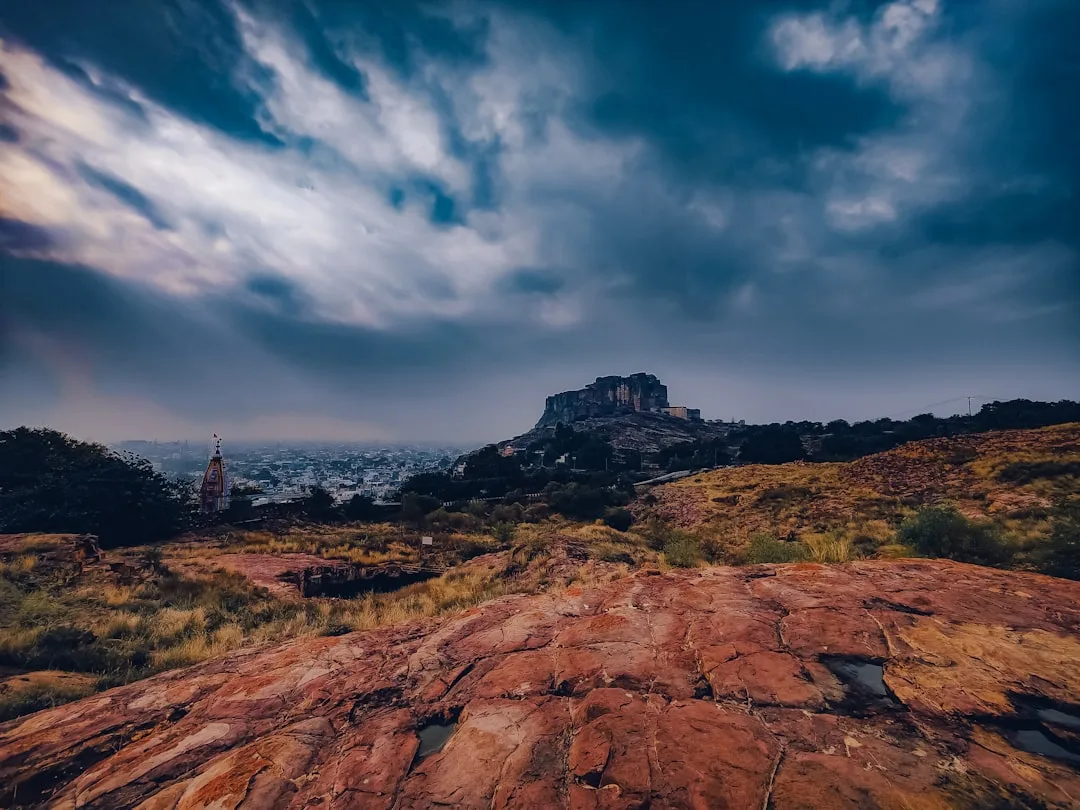
Rajasthan: 18–32°C by late March. Warm. Still workable for temple and fort exploration in the morning hours.
Kerala / South India: 25–34°C. Hot in the lowlands. The hill stations (Munnar, Coorg, Ooty) are pleasant alternatives.
Goa: 26–35°C. Getting hot. Beach season begins winding down; the European visitors depart, leaving local and Indian tourists.
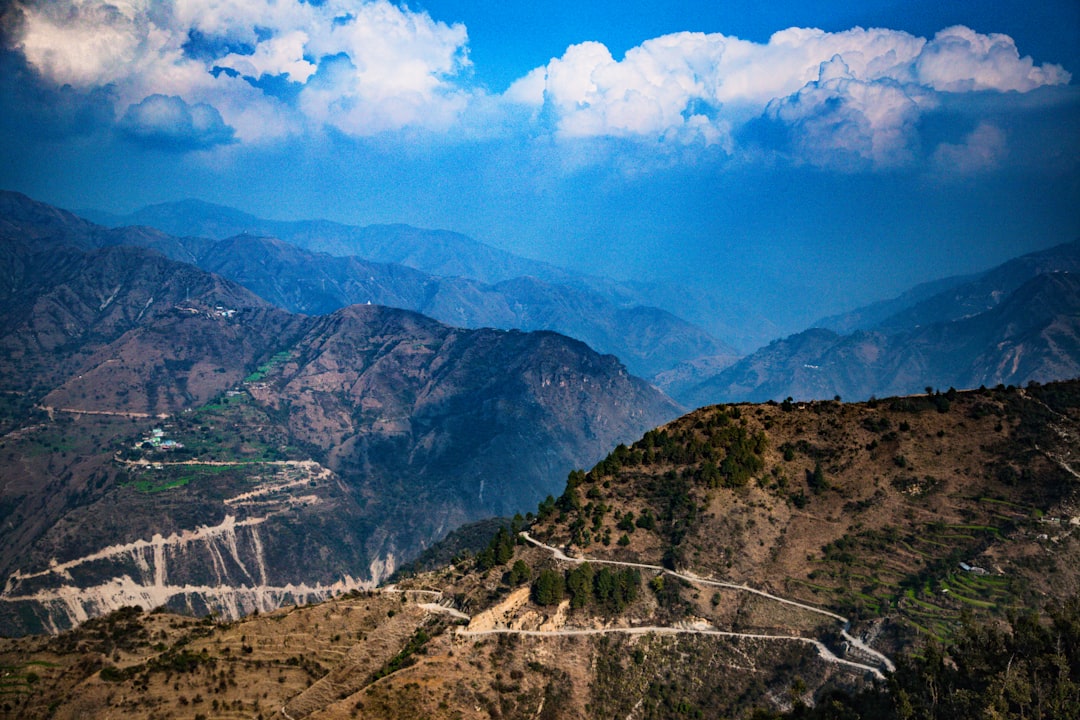
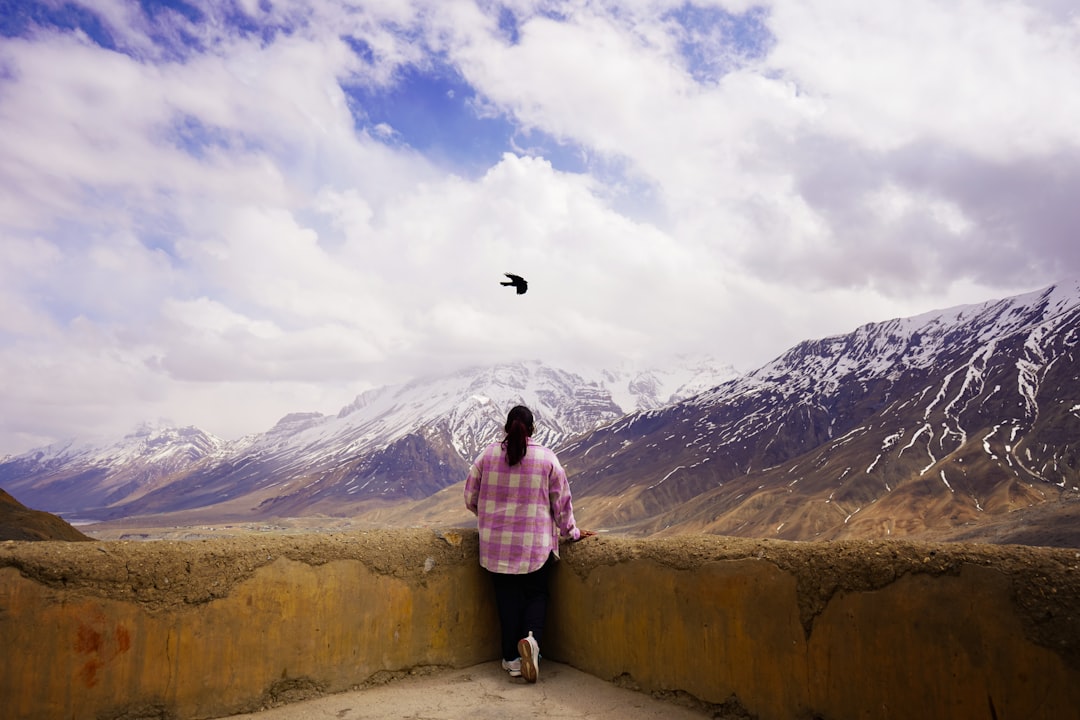
Himalayas: Snow melting at lower elevations but high passes remain closed. Dharamshala is accessible and pleasant in March.
Kolkata: 18–30°C. Comfortable and increasingly warm.
What to Do
Holi (festival of colors, full moon in March): The most internationally famous Indian festival. Played in the streets with colored powder (gulal) and colored water. The most authentic Holi experiences are in Mathura and Vrindavan (the Krishna heartland in Uttar Pradesh), where celebrations last 5+ days and include traditional songs, flower Holi at the temples, and the famous Lathmar Holi in Barsana. In Rajasthan’s cities, Holi is celebrated in the streets and hotel courtyards. Protect cameras and phones — colored water is relentless.
Hampi, Karnataka: The ruins of Vijayanagara — a medieval South Indian empire — spread across a boulder landscape of surreal scale. Hampi is accessible and excellent in March before South India’s heat intensifies. Rent a bicycle and spend two days exploring the ruins: the Vittala Temple (with its musical pillars), the Royal Enclosure, and the Lotus Mahal. Basic accommodation in Hampi village; better hotels in nearby Hospet.
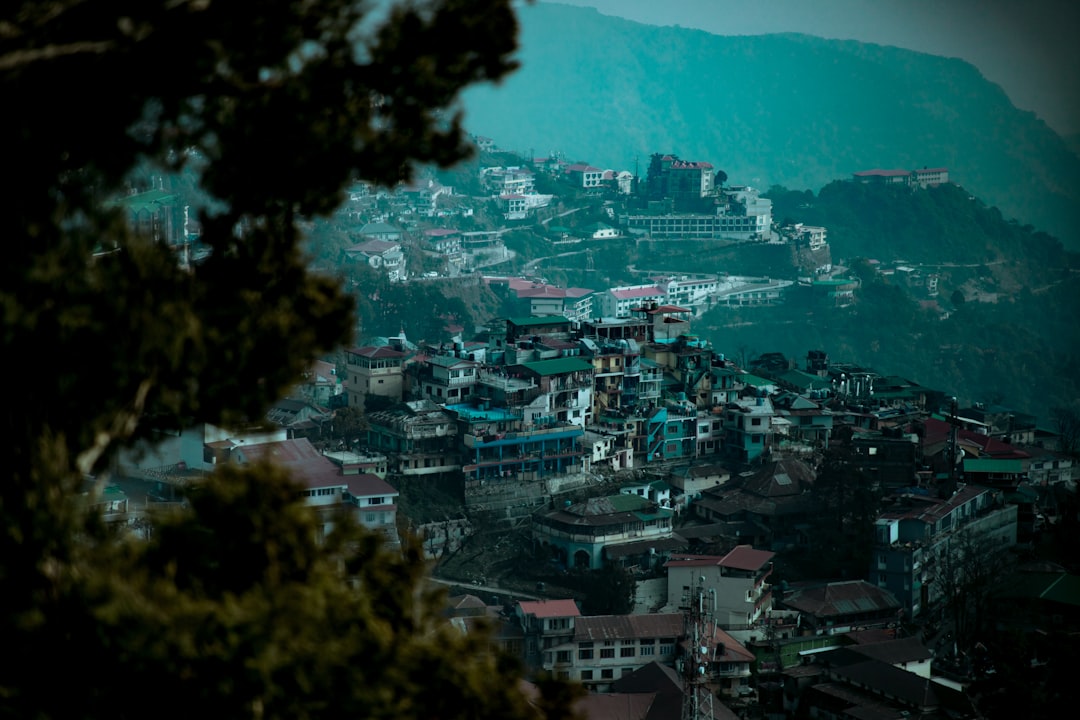
Kerala Hill Stations — Munnar: The tea estates of Munnar in Kerala’s Western Ghats are at 1,600m altitude — March temperatures here are 15–22°C, entirely comfortable when the plains are warming. Cycling through tea estates, hiking to Eravikulam National Park (Nilgiri tahr), and the Mattupetty reservoir area are all accessible.
The Ajanta Caves (Maharashtra): The rock-cut Buddhist cave paintings of Ajanta — arguably the most extraordinary body of ancient painting in Asia — are accessible near Aurangabad. March is an excellent month; temperatures are warm but the pre-summer crowds haven’t built. Combine with the Ellora Caves (Hindu, Buddhist, and Jain temples cut from a single mountain face, 90 minutes away).
Darjeeling in spring: The tea harvest begins in Darjeeling in March — the “first flush” picking is the most prized. The tea estates around Darjeeling hill station are visually extraordinary in spring. The Kangchenjunga view from Tiger Hill at dawn is one of the great mountain panoramas in the Himalayas.
Festivals & Events
Holi (full moon in March/variable): India’s festival of spring and color. Officially one day; practically several days of celebration in the north. March Holi falls around March 13–14 in most years.
Shivratri (variable, February or March): One of Hinduism’s most important festivals, dedicated to Shiva. Major celebrations at temples across the country — particularly at Varanasi’s Ghats and Pashupatinath in Nepal (easily accessible from Varanasi).
Elephant Festival, Jaipur (Holi day): Jaipur runs an elephant festival on the day of Holi, with decorated elephants, traditional costumes, and cultural performances at the Chowgan grounds.
Practical Tips
Holi protection: wear old clothes you don’t mind permanently staining. Cover cameras with zip-lock bags or leave them at the hotel. The color is water-soluble but stains fabric permanently.
Post-Holi, the international tourist tide in Rajasthan recedes significantly. Late March into April has Rajasthan’s sites with far fewer visitors — a tradeoff against increasing temperatures.
Kerala hill stations are genuinely more comfortable than Kerala’s coast in March — the 1,000–1,600m altitude means temperatures 10°C cooler than Kochi or Thiruvananthapuram.
Who March Is For
Anyone who has Holi on their India list — this is the month. Travelers combining a North India cultural itinerary with a South India cooler-altitude nature segment. People who want Rajasthan’s great sites with fewer tourists, willing to accept warmer temperatures. And budget travelers: prices are notably lower than January–February by mid-to-late March.
Plan your trip