India in May: Himalayan Trekking Opens, Plains Are Brutal, Ladakh Awakens
Plan your trip
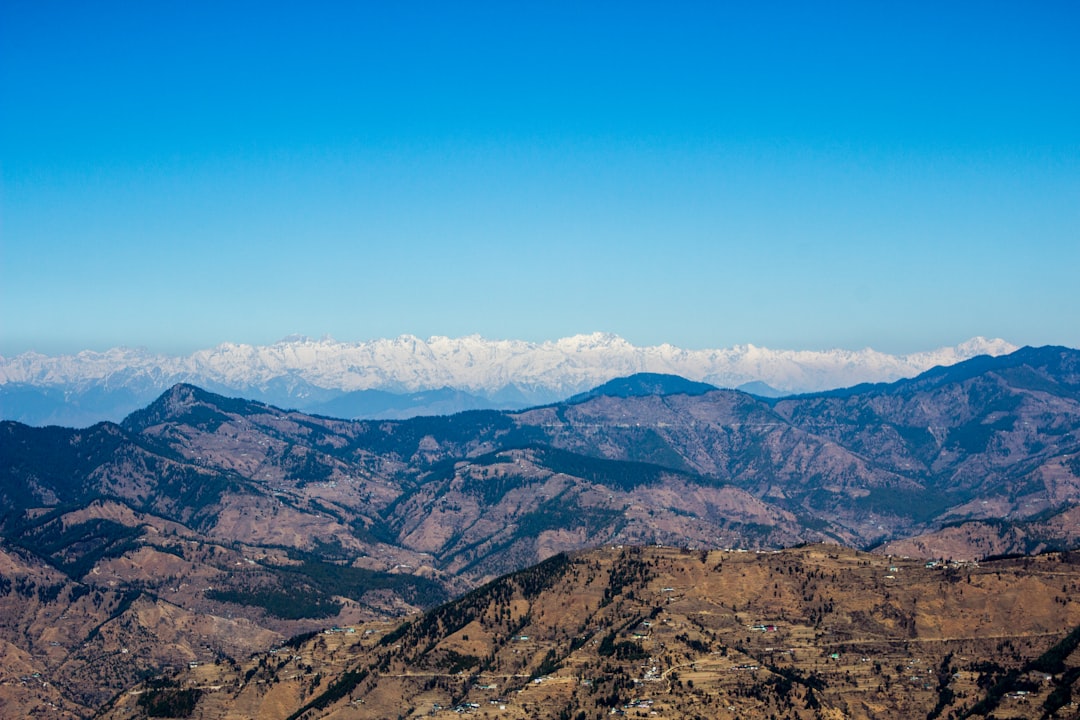
May in India is a tale of two countries: the plains and hills. In Delhi, Rajasthan, and the Gangetic plains, May temperatures regularly hit 42–46°C — genuinely dangerous for prolonged outdoor exposure. In the Himalayas, Ladakh, and the higher hill stations, May is the opening of one of the world’s great adventure seasons. Leh-Ladakh becomes accessible. Trekking routes through Himachal Pradesh and Uttarakhand open after winter. Rohtang Pass unlocks. May is about knowing which India to be in.
Weather & Conditions
Delhi: 30–44°C. Brutal. The capital is in the grip of May heat waves that have intensified significantly in recent years. Outdoor exploration requires strict morning-only timing.
Rajasthan: 32–46°C. Some of the hottest cities in the world in May — Churu and Bikaner occasionally record 48–50°C. Not a month for the desert.
Mumbai: 28–35°C, humid. The pre-monsoon mugginess arrives.
Leh, Ladakh: 8–22°C. The high desert plateau is accessible again as the Manali-Leh Highway (over Rohtang and Baralacha La) opens. Ideal trekking temperatures.
Manali and Himachal Pradesh: 12–22°C. Valley trekking season begins. Rohtang Pass opens (with permits) for day trips from Manali.
Darjeeling / Sikkim: 15–22°C. Pre-monsoon season. Good trekking before June clouds arrive.
Kerala hills (Munnar, Wayanad): 18–26°C. Comfortable.
What to Do
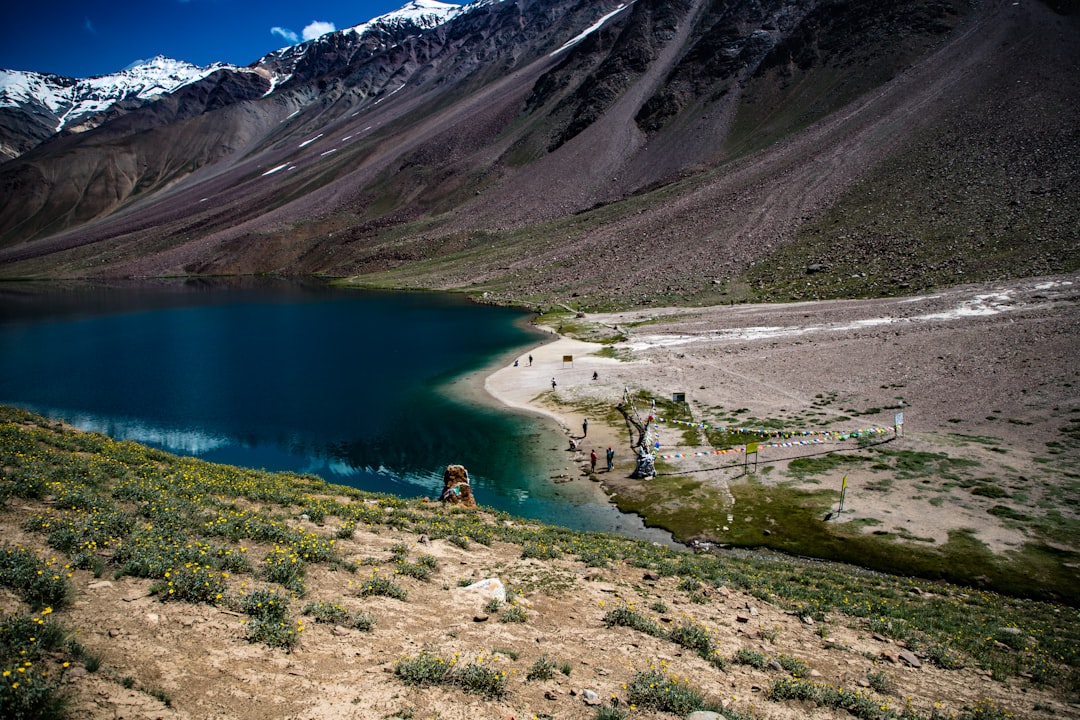
Leh-Ladakh expedition: May is the first month Ladakh opens for tourism after winter. The Manali-Leh Highway through the high passes (Baralacha La at 4,890m, Tanglang La at 5,328m) opens in May — the exact date varies by snowfall. Flying to Leh from Delhi (1 hour) is reliable. The landscape — high desert at 3,500m, Himalayan peaks, Buddhist monasteries — is at its most dramatic with late snow still on the surrounding ridges.
Spiti Valley, Himachal Pradesh: The dramatic high-altitude desert valley connected to Shimla by the Pin Parvati Pass road opens fully in May. Key Pin Valley, Kaza town, Tabo Monastery (one of the oldest in the Himalayan world), and the Key Monastery are all accessible by May. Road conditions are rough; hire a local 4WD from Shimla or fly to Chandigarh then drive.
Roopkund Trek (Uttarakhand): The famous “Skeleton Lake” trek — named for the hundreds of 9th-century human skeletons visible at the glacial lake at 5,029m — opens in May. Run by organized operators (Indiahikes, Trek the Himalayas) and not advisable independently. The route through Lohajung, Wan, and Bedni Bugyal is one of Uttarakhand’s most beautiful.
Valley of Flowers (Uttarakhand, begins June but accessible from Nanda Devi base): The approach route preparation and Joshimath acclimatization typically happen in May. A week based in Joshimath acclimatizes for a June Valley of Flowers expedition.
Shillong and Meghalaya: The northeast hill city and its surrounding countryside are comfortable in May before monsoon arrives. The Mawphlang Sacred Forest, the living root bridges at Nongriat, and the Umiam Lake are all accessible.
Festivals & Events
Buddha Purnima (Vesak, full moon of May): India’s significant Buddhist sites — Bodh Gaya (where the Buddha attained enlightenment), Sarnath (first sermon), Kushinagar (death) — celebrate with elaborate ceremonies. Bodh Gaya sees Buddhist pilgrims from Tibet, Sri Lanka, Thailand, and Japan converge around the Mahabodhi Temple.
Saga Dawa (Ladakh/Sikkim, variable May or June): The most important Buddhist festival in the Himalayan calendar, commemorating the Buddha’s birth, enlightenment, and death. Monasteries in Ladakh hold elaborate thangka displays, puja ceremonies, and mask dances.
Practical Tips
If Ladakh is the goal, book flights to Leh 6–8 weeks ahead — they fill quickly and prices surge in season. Acclimatize for 2–3 days in Leh before attempting high-altitude passes or treks. Altitude sickness at 3,500m is real.
Delhi in May is manageable with extreme precautions (morning exploration only, serious hydration, midday indoor) but it’s not a city tourism month. The Agra and Taj Mahal experience is possible but challenging.
Hill station accommodation in Manali and Shimla is in high demand in May as school holidays drive domestic Indian family travel. Book 4–6 weeks ahead.
Who May Is For
Himalayan trekkers and adventure travelers who want the high routes before June monsoon hits lower elevations. Ladakh pilgrims and photographers. Budget-focused travelers who want the plains cities at their cheapest (accepting the heat). And anyone who wants to experience India’s mountain face — entirely separate from the cultural circuit India of January.
Plan your trip