Best Time to Visit Ireland: Month-by-Month Guide
Plan your trip
The honest answer: Ireland doesn’t have a bad time to visit, but it does have very different seasons. The same country that offers sun-drenched cliffs in June delivers moody fog-wrapped mountains in November — and both are beautiful for different reasons. The real question is what kind of experience you’re after.
The Short Answer
Best overall: May, June, and early September
Best for weather: July and August
Best for value: November through March
Best for atmosphere: December (Christmas) and March (St Patrick’s Day)
Month-by-Month Breakdown
January & February
Cold (3–8°C), often wet, short days. Most tourist sites are open but quiet. Accommodation prices are at their lowest. The landscapes are stripped bare and dramatic — especially in Connemara and Donegal. Good for city breaks (Dublin, Cork, Galway) where museums and pubs keep you occupied.
March
St Patrick’s Day (17 March) transforms Dublin into one big festival — parades, live music, and a very festive atmosphere. Book accommodation months in advance if you’re targeting the week around the 17th. Spring starts nudging in by late March.
April
Weather starts improving. Expect 10–14°C with a mix of sunshine and showers. The Wicklow Mountains and Killarney National Park are at their best — waterfalls from winter rains, fresh green vegetation, far fewer tourists than summer. Easter week brings some crowds to popular sites.
May ⭐ Best value/experience balance
Consistently one of the best months. Longer days (sunset after 9pm by late May), mild temperatures (12–16°C), wildflowers carpeting the Burren and hedgerows, and significantly fewer crowds than July–August. Accommodation prices haven’t spiked yet.
June ⭐ Great choice
Ireland at its most lush. Long evenings mean you can be hiking clifftops at 9pm in full daylight. Temperatures average 14–17°C. Crowds are building but haven’t hit peak. The Ring of Kerry, Dingle, and the Wild Atlantic Way are gorgeous. Book accommodation in advance.
July & August — Peak Season
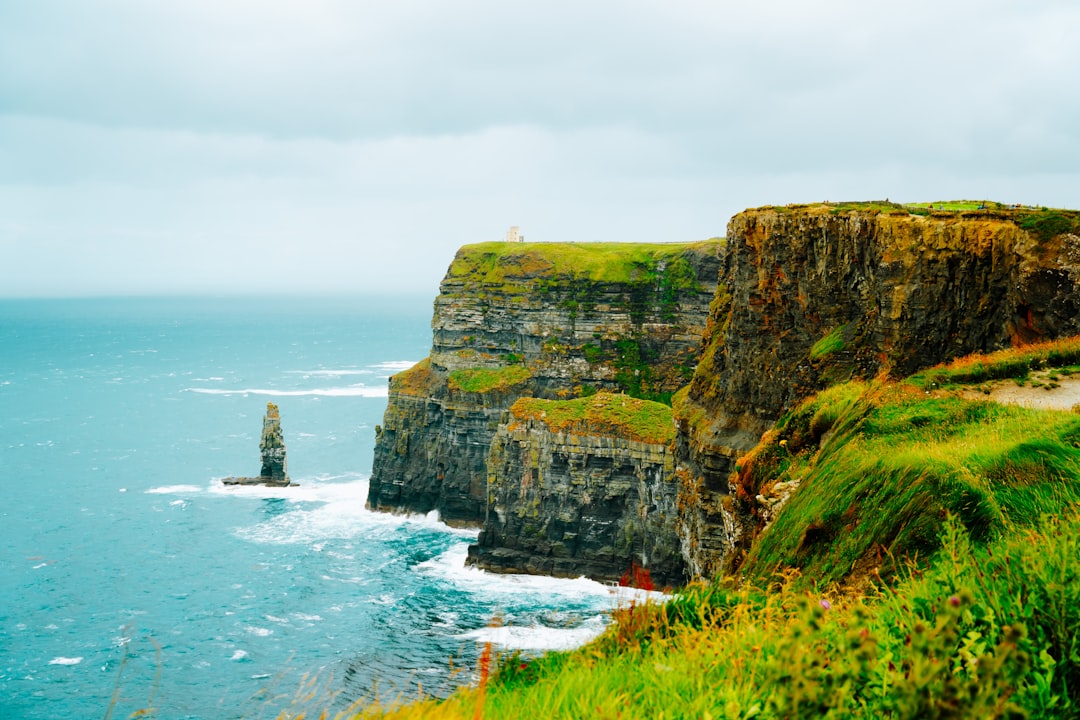
Ireland’s warmest months (16–20°C on good days). Long days, festivals everywhere, all attractions fully open. The downside: higher prices, packed popular sites (Cliffs of Moher queues), and accommodation that needs booking months ahead. Still great — just plan ahead.
September ⭐ Hidden gem month
Summer crowds disappear but the weather holds. Early September often delivers some of the clearest, sunniest days of the year. Prices drop after school holidays. The Wild Atlantic Way and Connemara are at their most dramatic. Highly recommended.
October
Autumn colours are spectacular — especially around Killarney, Wicklow, and Glendalough. Halloween (Samhain) has Irish roots and is celebrated enthusiastically. Weather is increasingly unpredictable, but the country is much quieter.
November & December
Short days, frequent rain, but the craic (atmosphere) is alive in pubs. Christmas in Ireland is festive and genuine — Dublin’s city centre, Kilkenny’s Christmas market, and Galway’s winter atmosphere are particularly good. Some rural attractions close.
What to Pack (Any Season)
- A waterproof jacket (shell or rain layer) — non-negotiable
- Layers: even in summer, evenings cool down fast
- Walking shoes or boots if you plan to hike
- A sense of humour about the rain
Key Events
| Date | Event |
|---|---|
| 17 March | St Patrick’s Day — Dublin |
| May | Dublin Writers Festival |
| July | Galway International Arts Festival |
| August | Puck Fair (Kerry) — one of Ireland’s oldest |
| Late Oct | Halloween celebrations (Derry has the biggest) |
| Dec | Christmas markets in Dublin, Kilkenny, Cork |
Regional Differences
West coast (Kerry, Clare, Galway, Donegal): More rain, more dramatic, wilder. Best in May–June and September.
East coast (Dublin, Wicklow, Wexford): Drier and calmer. Good year-round for city breaks.
Southwest (Cork, Kerry): Mildest winters due to the Gulf Stream — flowers bloom through January.
Plan your trip