First Time in Ireland? Everything You Need to Know
Plan your trip
Ireland is one of Europe’s most visitor-friendly destinations — the language barrier is zero, locals are famously welcoming, and the country punches well above its weight in scenery, history, and atmosphere. But there are a few things first-timers often don’t know that make a real difference.
The Basics
Capital: Dublin
Currency: Euro (€) — though Northern Ireland uses British pounds (£)
Language: English (Irish/Gaelic is a co-official language, spoken in Gaeltacht regions)
Time zone: GMT/IST (GMT+1 in summer)
Driving side: Left
Visa: EU citizens need no visa; US/UK/Canadian/Australian passport holders enter visa-free for up to 90 days
Power sockets: UK-style 3-pin plugs (Type G)
What First-Timers Always Ask
”Will it rain the whole time?”
Probably some of it, yes. Ireland gets rain regularly throughout the year — but Irish weather changes fast. A grey morning can become a brilliant afternoon. The key is not to let rain cancel plans. Pack a waterproof jacket, embrace the drizzle, and you’ll be fine. The west coast gets more rain; the east (Dublin) is noticeably drier.
”Is it safe?”
Very safe. Ireland consistently ranks among Europe’s safest countries. Normal big-city awareness in Dublin (pickpocketing in tourist areas) is all you need.
”Do I need a car?”
Yes, almost certainly, once you leave Dublin. Ireland’s rural scenery — which is the whole point of going — is not accessible by public transport. Buses connect the cities, but to drive the Ring of Kerry, explore Connemara, or visit the Giant’s Causeway, you need your own wheels. Rent a car and embrace the left-side driving.
”How is the food?”
Better than its reputation. Modern Irish food has evolved into something genuinely excellent — farm-to-table culture, exceptional seafood, world-class dairy and beef, and increasingly creative restaurants, especially in Dublin, Cork, and Galway.
Where to Go (First-Timer Priorities)
Dublin (Days 1–2): You’ll likely arrive here. Don’t skip the National Museum, Trinity College, and at least one proper pub evening.
County Kerry (Days 3–4): The Ring of Kerry and Dingle Peninsula are among Europe’s most beautiful drives. Killarney is the most convenient base.
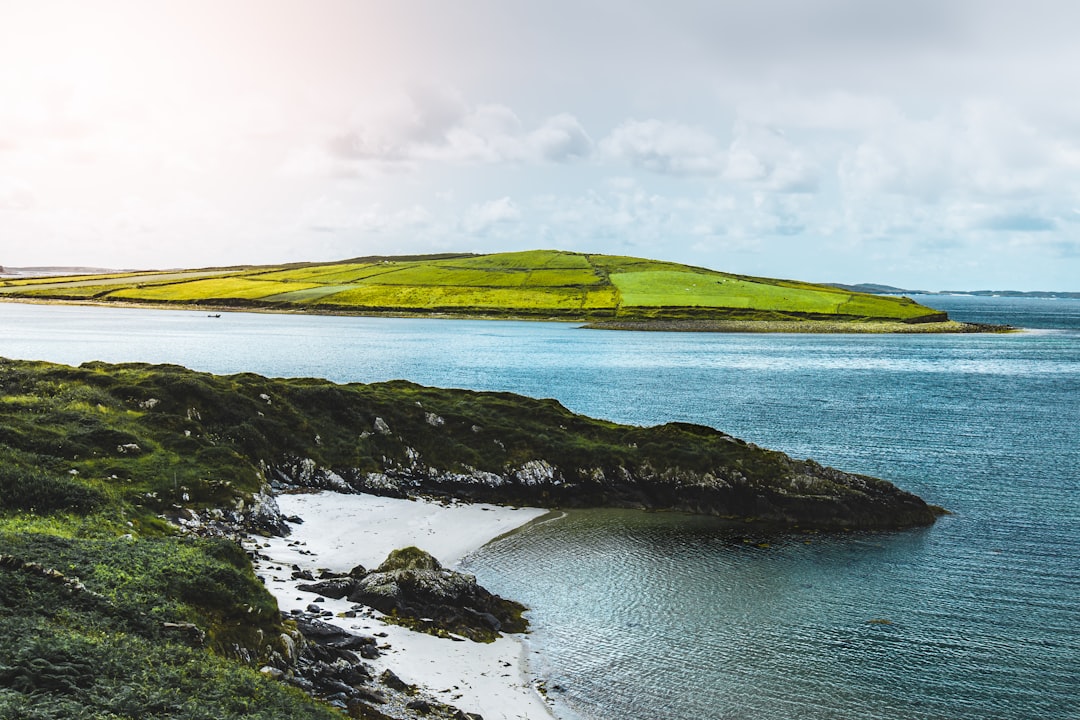
Galway and Connemara (Days 5–6): Galway is Ireland’s most vibrant city outside Dublin. Connemara is the wild, treeless bogland that you’ll see in every tourist poster.
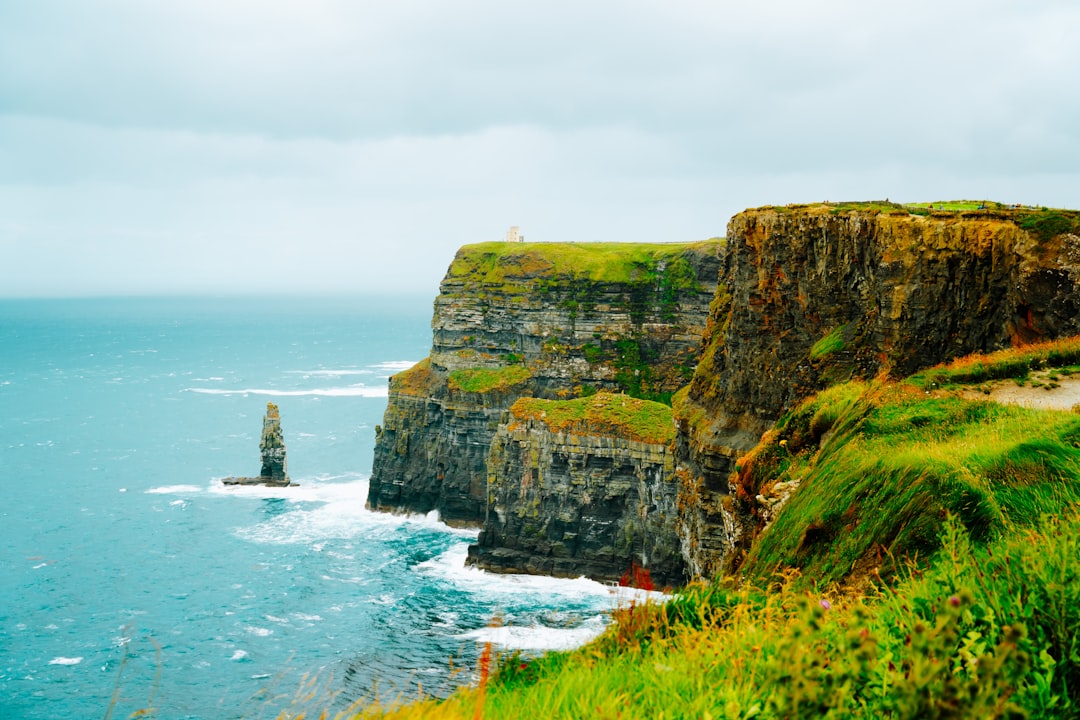
Cliffs of Moher (Day 7): One of Ireland’s iconic sights — genuinely impressive, especially if you walk the coastal path away from the main platform.
If you have time: Giant’s Causeway (Northern Ireland), Glendalough, Kilkenny, and the Wild Atlantic Way between Donegal and Kerry.
Cultural Tips
The pub is central to Irish social life. Not just for drinking — pubs are where people meet, have conversations, listen to music, and feel at home. Sitting at the bar and chatting with strangers is completely normal. Don’t sit there staring at your phone.
Traditional music (trad) is everywhere — especially in Kerry, Galway, and Clare. Sessions (live unannounced trad music in pubs) are informal and genuine, not tourist performances. Turn up, order a pint, and listen.
“The craic” (pronounced “crack”) is a uniquely Irish concept meaning fun, good conversation, and general social enjoyment. “How’s the craic?” is a casual greeting. “The craic was ninety” means it was excellent.
Don’t call the Irish English. They’re not. Ireland and England have a complex 800-year history. The distinction matters and is appreciated.
Time is flexible. Irish hospitality means things run on “Irish time” — slightly behind schedule, and no one minds. Relax into it.
Getting In and Around
Dublin Airport (DUB) handles most international arrivals. Aircoach buses run every 20 minutes to the city centre (€8, 30–45 min). Taxis cost €25–35.
Ferries from UK: Stena Line and Irish Ferries connect Holyhead–Dublin and Fishguard–Rosslare. Useful for bringing your own car.
Within Ireland: Rent a car. Most attractions are spread across the countryside and rental cars give complete freedom. Book online in advance — local Irish rental companies (like Europcar Ireland) can be cheaper than international chains.
Driving tips:
- Drive on the LEFT
- Country roads are often one lane with passing places — be patient
- Speed limits are in km/h (not mph as in Northern Ireland)
- Sat nav / Google Maps works well throughout the island
Don’t Miss
- A trad session in a Kerry or Galway pub — Doolin, Dingle, or a backstreet Galway bar
- Kilmainham Gaol — the most powerful history experience in Dublin
- The Burren — otherworldly limestone landscape with 5,000-year-old tombs
- Glendalough — monastic ruins in a mountain valley
- Howth or Dún Laoghaire — Dublin’s seaside suburbs, easily reached by DART train
Common Mistakes to Avoid
- Underestimating distances on Irish roads (100km can take 2 hours on country roads)
- Not booking accommodation in advance for July–August
- Skipping the north coast and Giant’s Causeway because “it’s Northern Ireland”
- Spending all your time in Dublin and missing the countryside
- Rushing. Ireland rewards slow travel.
Plan your trip