Vending Machines in Japan: A Practical Guide
Plan your trip
Japan has approximately 4 million vending machines (jidō-hanbaiki, 自動販売機) — the highest density per capita of any country. They are genuinely useful, not a novelty. The machines are on every city block, on rural mountain hiking trails, at temple entrances, in office buildings, on train platforms, and in dedicated vending machine-only establishments.
Understanding what’s in them and how they work is practically useful for any trip.
Standard Drinks Machines
The most common machines sell canned and bottled drinks:
- Canned coffee (kan kōhī): Japan invented canned coffee in 1969. Georgia (Coca-Cola Japan) and Boss (Suntory) are the dominant brands. Available hot or cold depending on season — the machine heats or chills the cans internally. Hot cans are warm to hold; in winter this is genuinely useful. ¥130–160.
- Green tea (ryokucha): Unsweetened bottled green tea, ubiquitous. Itoen Oi Ocha is the standard. ¥130–160.
- Sports drinks: Pocari Sweat and Aquarius are the main brands — rehydration electrolyte drinks that taste like diluted grapefruit.
- Canned soup: Corn potage and pumpkin soup in hot cans in winter.
- Water: Still and sparkling.
The hot/cold indicator is a red or blue stripe on the button or a small icon. Not all items in a machine are the same temperature — you can have cold tea and hot coffee in the same machine.
Coin and Payment
Standard machines accept ¥10, ¥50, ¥100, and ¥500 coins and ¥1,000 notes. Most modern machines also accept IC cards (Suica, Pasmo) — tap the card reader before selecting. Some machines accept credit cards. Change is provided; the slot is at the bottom.
Typical price: ¥130–200 for standard drinks. Premium items (specialty teas, imported water, protein drinks) up to ¥300.
Hot Food Machines
Less common but found in urban convenience clusters, office buildings, and some train stations:
Cup ramen / instant noodles: The machine dispenses a cup noodle and hot water simultaneously — ready in 3 minutes.
Hot canned foods: Beyond soup — oden (simmered fish and vegetables in dashi), nikuman (pork buns), corn dogs.
Yakitori (grilled chicken skewers): Found in some locations, particularly izakaya-adjacent machines.
Beyond Drinks
Japan’s vending machine range extends far beyond beverages:
Cigarettes: Common, require age verification.
Umbrellas: Found at station exits and convenience areas when rain is forecast.
Fresh produce and eggs: Rural agricultural areas often have unmanned farm stands with vending machines for eggs, vegetables, and rice. The vegetable machines near farming communities are entirely genuine — not a tourist attraction.
Sake and beer: Alcohol vending machines exist in some areas (mostly hotels and entertainment districts). Age verification by inserting an IC card or driver’s license is required.
Bread and pastry: Some office building lobbies and transit areas have fresh bread machines.
Ice cream: Standard in summer locations and at tourist sites.
Specialty and Tourist-Attraction Machines
Certain vending machines are tourist destinations in their own right:
Kirin Brewery vending trail, Yokohama: Multiple machines selling fresh draft beer near the brewery.
Canned sake machines, Fushimi (Kyoto): In Japan’s sake-producing district, machines selling regional sake brands in cans or small bottles.
Ramen noodle machines: Several ramen shops now operate 24/7 frozen ramen machines outside the restaurant — allowing purchase of restaurant-quality raw noodles at any hour.
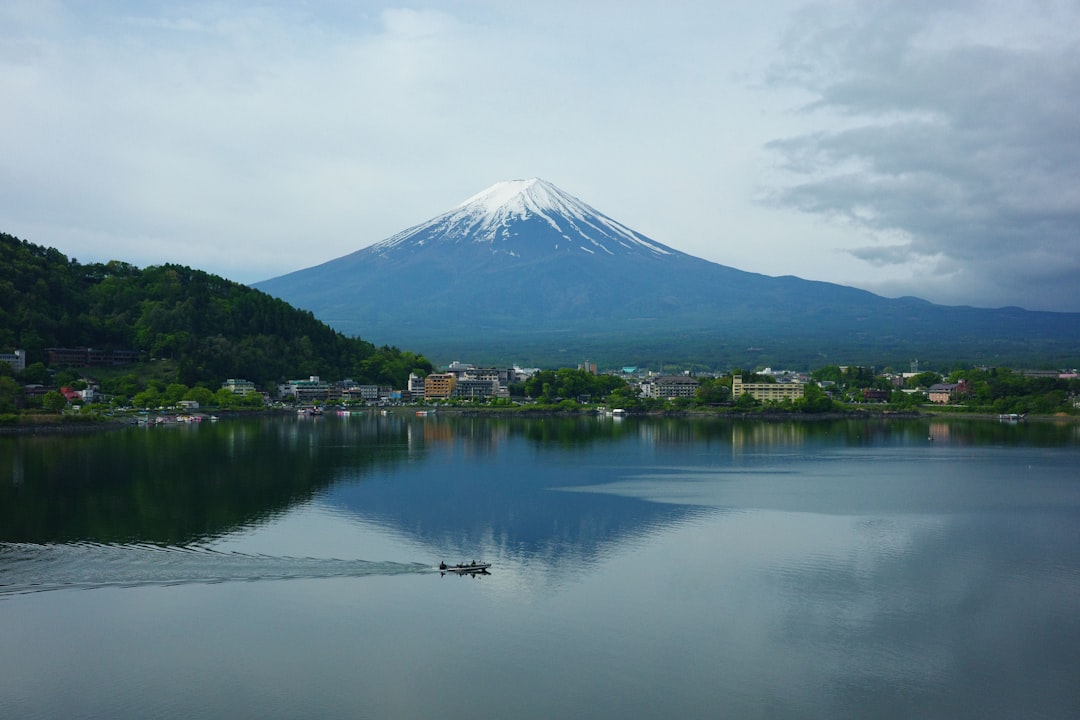
Mount Fuji vending machines: High-altitude machines at the 5th and 8th stations — legendary for being operational at 2,300m elevation. Prices are slightly higher (¥200–300) to account for the logistics.
Practical Tips
On hiking trails: Vending machines appear at trailheads and mountain huts on popular trails (Takao-san, Fuji, Nikko). A 500ml bottle is ¥130 at the base and ¥180–200 at altitude.
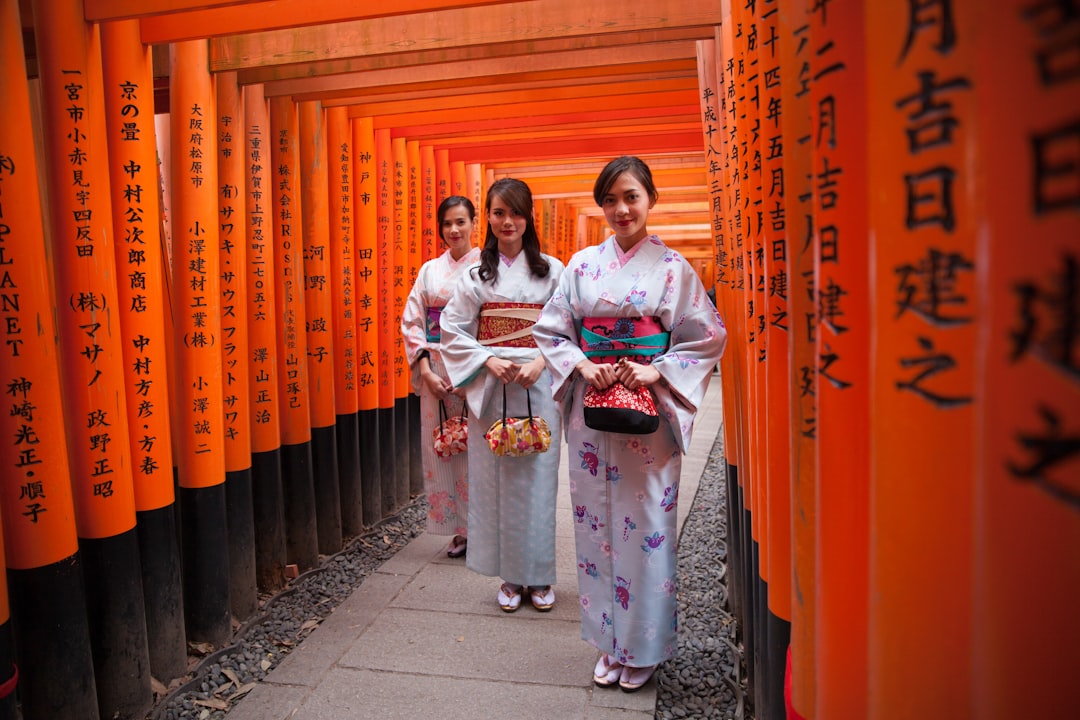
At temples and shrines: Machines are placed discreetly near entrances. Buying a cold drink at Fushimi Inari before the climb is standard practice.
Night use: Japan’s vending machines are always lit and always operational. At 3am in a quiet neighborhood, the vending machine is often the only retail option. The internal lighting makes them useful as orientation markers on dark streets.
Temperature cycle: Machines switch between hot and cold products seasonally (typically spring and autumn). In transition months you may find hot and cold available simultaneously. Summer machines are entirely cold; winter machines mix hot and cold.
The sound: Japanese vending machines play a brief jingle or recorded voice when dispensing — “arigatō gozaimashita” (thank you very much). Normal. Expected.
Plan your trip