Nikko: Japan's Most Ornate Shrine Complex
Plan your trip
Nikko is where Tokugawa Ieyasu — the shogun who unified Japan in 1603 and ended 150 years of civil war — is enshrined. His grandson built the Toshogu shrine complex in 1634 as a monument to that authority, and he did not do it quietly. Where most Japanese sacred architecture works through restraint, Nikko works through accumulation: more carvings, more gold leaf, more color, more everything. It is deliberately, almost aggressively impressive.
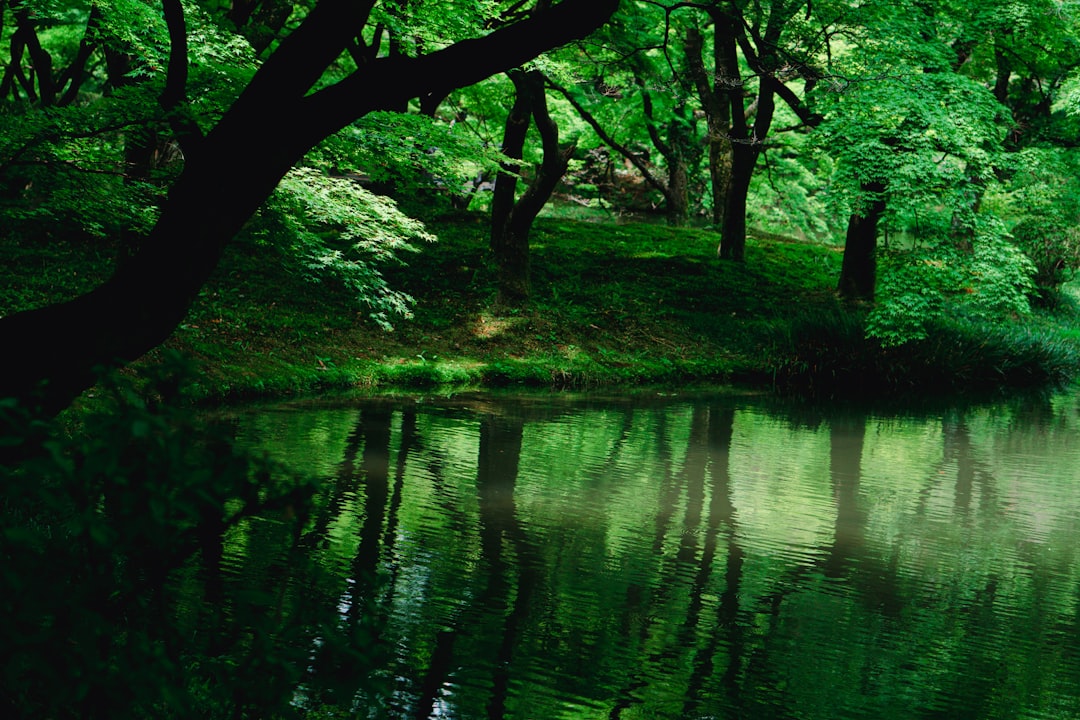
The forest around it is ancient cedar, planted over centuries in groves that pre-date most of the buildings. The combination of that forest and the extravagance of what’s inside it is specifically Nikko, and it is unlike anything else in Japan.
Two hours from Tokyo by direct train. A long day trip or an overnight.
Getting There
From Tokyo (Asakusa): Tobu Nikko Line Limited Express Spacia direct to Nikko Station — 1 hour 50 minutes, ¥2,860. The most direct option and the nicest train.
From Tokyo (Shinjuku/Ikebukuro): JR Nikko Line via Utsunomiya — about 2 hours total, ¥2,520 (JR Pass valid for the Shinkansen portion to Utsunomiya, then local JR line to Nikko).
Nikko to the shrines: From Nikko Station, a bus runs to Nishi-sando (the western approach to the shrine complex) — 10 minutes. Or walk uphill through the cedar avenue — 30 minutes, worth it.
Nikko Pass: Tobu sells a 2-day pass (¥4,780 from Asakusa) covering the train and unlimited buses within Nikko. Worth it for an overnight.
The Shrine Complex — What’s Here
The Nikko UNESCO World Heritage site is actually three interconnected compounds on the wooded hillside: Toshogu, Futarasan Jinja, and Rinno-ji. Most visitors concentrate on Toshogu. Allow 3 hours for Toshogu alone; 5 hours for all three.
Toshogu
The main complex. Admission ¥1,300, plus ¥520 for the Sleeping Cat and Okusha.
Omotesando (cedar avenue approach): The path from Nishi-sando bus stop through the cedar forest is the correct entry. The trees are enormous — planted in 1648 by a lord who couldn’t afford gold for his donation — and the scale of them sets up the contrast with what you’re about to see.
Ishi-torii gate: The stone torii at the entrance is the first in the sequence of gates and structures climbing the hill. After this point, every surface is carved and painted.
Shinkyo (Sacred Bridge): The bright red lacquered bridge over the Daiya River at the base of the complex, built in 1636. You can walk across it (¥300 round trip). The combination of red lacquer and mountain cedar behind it is the most-photographed image in Nikko.
Five-Story Pagoda: Free-standing, 36 meters, painted in five colors. The structural system uses a central pole suspended by chains rather than resting on the ground, allowing the pagoda to shift slightly during earthquakes without collapsing — a 17th-century seismic engineering solution.
Yomeimon Gate (Higurashi-mon, “the gate you can watch until sunset”): The most elaborately carved structure in Japan. Every surface — 508 carved figures in all — is covered in intricate reliefs of flowers, animals, mythological creatures, and Chinese and Japanese figures. One pillar is deliberately installed upside down to ward off evil (perfection invites jealousy from spirits; deliberate imperfection is protection). Stand in front of it for a minimum of 15 minutes.
Three Wise Monkeys: The wood carving on the Sacred Stable building showing “see no evil, hear no evil, speak no evil” — it originated here, in 1636, not in ancient China as commonly assumed. The full sequence of eight panels tells the story of a human life.
Sleeping Cat (Nemuri-neko): A small decorative carving above a gate leading to the Okusha inner sanctuary, carved by the same sculptor as many of the main carvings. Small, easy to miss, and famous enough to draw queues.
Okusha (Tokugawa Ieyasu’s tomb): Beyond the Sleeping Cat, 207 stone steps up through ancient cedar to a simple bronze urn in a stone enclosure at the summit. After the visual excess of the lower complex, the plain simplicity of the actual tomb is striking — intentionally so. Admission included with the ¥520 Sleeping Cat ticket.
Rinno-ji
The Buddhist temple complex adjacent to Toshogu. Admission ¥400.
Sanbutsu-do (Three Buddha Hall): The largest building in Nikko, containing three golden statues (Amida, Senju Kannon, Bato Kannon) each 7–8 meters tall. The hall is currently partially scaffolded for ongoing restoration.
Shoyoen Garden: The stroll garden adjacent to Rinno-ji, designed in 1815. Compact and well-composed; the best option for sitting down between shrine visits.
Futarasan Jinja
The shrine at the base of Mount Nantai (Nikko’s sacred mountain), founded in the 8th century — predating everything else here by 900 years. Admission ¥200. Quieter and more meditative than Toshogu. The current shrine buildings date from 1619.
Kegon Falls
The 97-meter waterfall at Lake Chuzenji, 15 km west of the shrine complex, accessible by bus (30 minutes) or the Irohazaka switchback road (47 hairpin turns up a mountain wall — worth experiencing at least once).
The falls drop the full height in a single main cascade — one of Japan’s three “most scenic waterfalls.” An elevator (¥570) descends to an observation platform at the base. In late November, the surrounding maple and oak colors combined with the spray make this the most visually impressive moment in the Nikko area.
Lake Chuzenji: The volcanic crater lake at 1,269 meters elevation, formed by a lava flow from Mount Nantai. The lakeshore has a few restaurants and a small town with the Chuzenji Kanaya Hotel (1893, the oldest Western-style resort in the area). Walk the lake edge for an hour before or after the falls.
Practical Timing
Day trip from Tokyo: Leave Asakusa on the 7:30am Spacia express. Arrive 9:20am. Shrine complex by 10am (before the first tour group buses). Kegon Falls after lunch. Return train by 5pm.
Overnight: Stay in the Chuzenji Onsen area by the lake (ryokan ¥15,000–30,000/night) for the early morning forest atmosphere and access to the falls before day-trippers arrive. Or stay in Nikko town itself for more budget options.
Crowding: Weekends in spring and autumn foliage season (late October–mid November) are significantly busier. Weekdays at opening are manageable. The shrine complex opens at 8am — arrive then.
What to Eat
Yuba (tofu skin) is Nikko’s local specialty: the skin that forms on heated soy milk, served fresh, dried, or in tofu dishes. The restaurants on Nishi-sando leading to the shrine serve yuba kaiseki sets (¥2,500–4,000). The conveniece stores and market stalls near the station sell yuba snacks.
Nikko tamago: Eggs slow-cooked in hot spring water, sold at roadside stands near the falls area. Similar to Hakone’s black eggs in concept.
Nikko is not subtle, and does not ask to be. It is a statement — about power, about craft, about what 17th-century Japanese artisans could do when given unlimited resources and a patron who wanted a monument to outlast dynasties. Walk up through the cedar forest, stop in front of Yomeimon, and understand that statement. Then go find the falls.
Plan your trip