Umeda & North Osaka: Where the City Works
Plan your trip
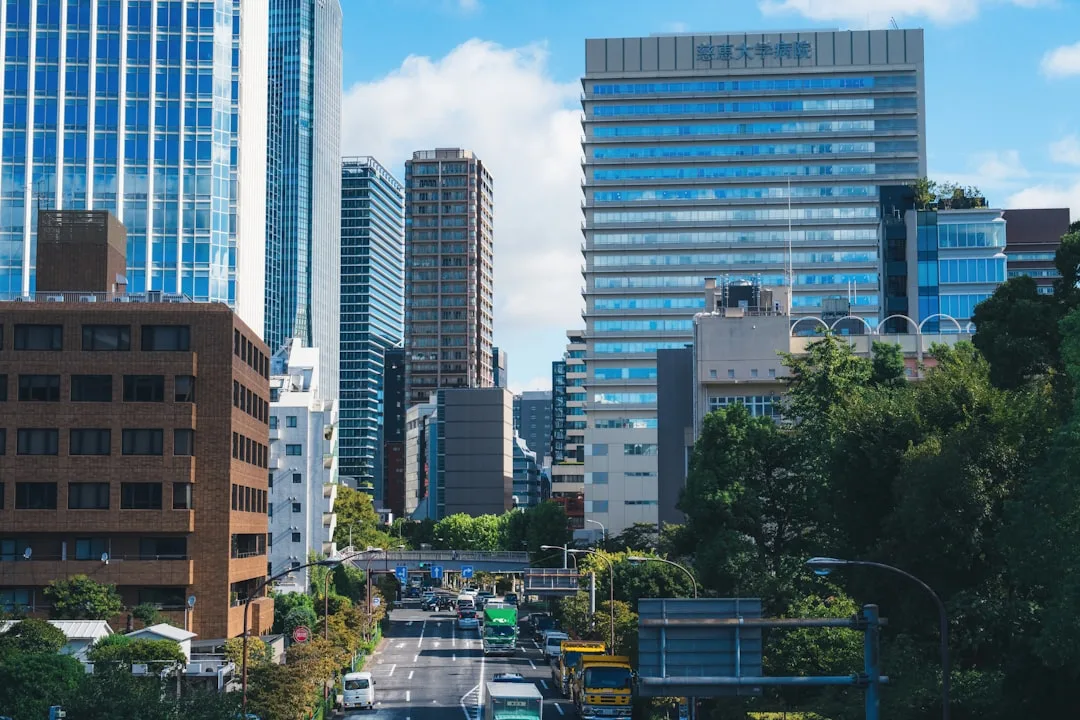
Osaka has two poles. The south — Namba, Dotonbori, Shinsekai — is chaotic, neon, and food-obsessed. The north — Umeda, Nakatsu, Temma — is taller, more corporate, and connected to the rest of Japan through the tangle of rail lines that converge at Osaka Station. You don’t visit Umeda the way you visit Dotonbori. You move through it, use it, eat in it, and occasionally, if you get lost in the right underground mall, make discoveries.
Osaka-Umeda station (Hankyu) and Osaka station (JR) are the same place, joined underground, and between them they process more passengers per day than most airports. The underground connections extend in every direction, forming a subterranean city that includes shops, restaurants, and walkways that let you navigate much of north Osaka without seeing the sky.
The Floating Garden Observatory
The Umeda Sky Building is Umeda’s most distinctive landmark — two 40-story towers connected at the top by a circular ring that houses the Floating Garden Observatory. Getting there requires an escalator ride between the towers in open air at height, which is either thrilling or alarming depending on your relationship with heights.
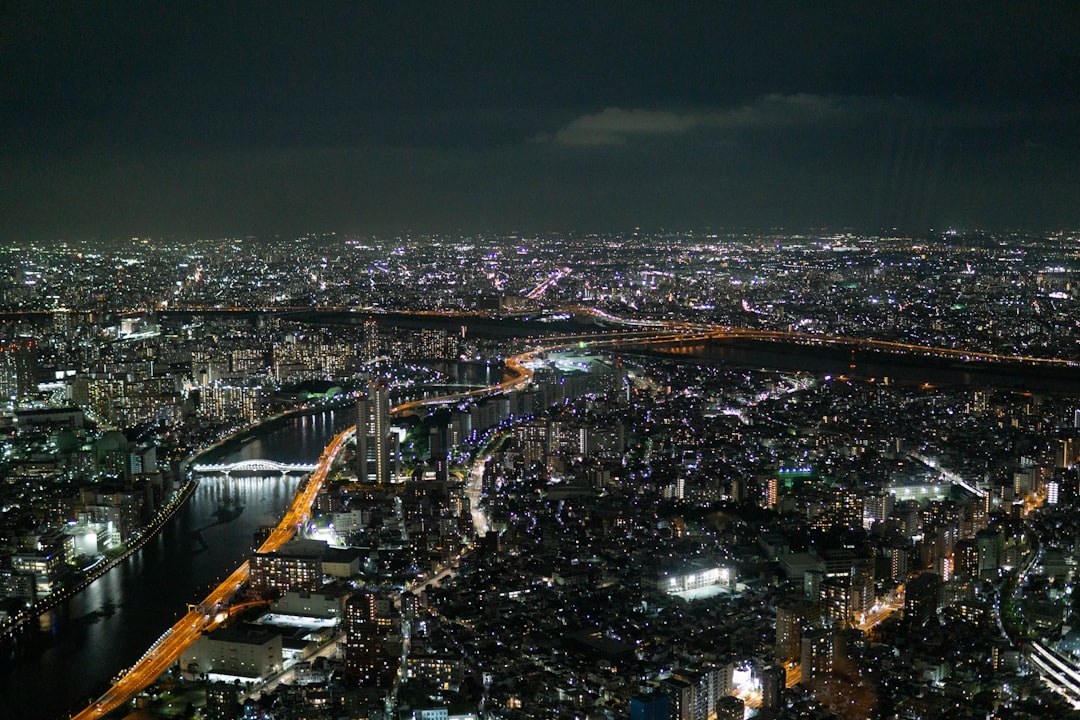
The view from the ring is panoramic and excellent, particularly at sunset when Osaka spreads out in every direction. The building was designed by Hiroshi Hara and completed in 1993; it was voted one of the top 20 buildings in the world by British architects in 2013. Admission is ¥1,500. Open until 10:30pm, which makes it a viable alternative to the Harukas tower if you’re in the north.
Below the observatory, in the building’s basement, is Takimi-Koji — a reconstructed 1920s alley of restaurants that does a reasonable job of creating the showa-era atmosphere tourists come to Shinsekai to find, with slightly more comfort.
Department Stores
Umeda has the highest concentration of flagship department stores in Japan. This matters not just for shopping but for food.
Isetan Mitsukoshi Osaka in the Osaka Station City complex has a basement food hall (depachika) that operates at the highest level of Japanese retail food culture. Every major confectioner, every regional specialty producer, every category of prepared food is represented. The section selling wagashi (Japanese sweets) alone takes twenty minutes to properly examine.
Daimaru Umeda, connected directly to the station, is similarly comprehensive. Its restaurant floors run to 15 levels.
Hankyu Umeda is the original — Hankyu is the private railway company that essentially built modern Umeda, and its department store occupies a full city block. The fashion floors are where Osaka’s professional class shops; the food hall is one of the best in the city.
For the tourist perspective: even if you have no intention of buying anything, the basement food halls are worth at least one visit for the concentration of regional Japanese food products in one place.
Eating in Umeda
The underground dining options are extensive and genuinely good. A few that stand out from the generic:
Kita-Shinchi — east of Umeda, accessed in 10 minutes on foot. Osaka’s most concentrated nightlife and restaurant district, oriented toward expense-account dining and whisky bars. Not cheap but genuinely excellent for yakitori, kappo, and late-night small plates.
Nishi-Tenma — southwest of Umeda, slightly more accessible in price. A neighborhood of independent bars and restaurants that Osaka’s food media writes about more than the tourist press covers. Good for finding a counter ramen place or a natural wine bar without a reservation.
Grand Front Osaka — the large mixed-use complex directly north of the station has reliable options across floors: Ippudo ramen, Gyoza no Ohsho, and Kani Doraku for crab if you want to splurge. Not the most atmospheric but convenient and consistent.
Nakatsu: The Neighborhood Behind the Station
One subway stop north of Umeda on the Midosuji Line, Nakatsu is where designers, architects, and food-focused locals live. Small streets run parallel to the elevated railway; beneath the tracks there are boutiques and coffee shops in the kind of converted space that keeps Osaka interesting.
The area around Oyodo (the walk between Nakatsu and Umeda’s north end) has seen growth in independent restaurants over the last several years. No specific recommendation to chase — this is the kind of area you wander with attention, see what’s on a handwritten menu board, and sit down.
Osaka Station City
The 2011 redevelopment of Osaka Station created a covered complex above the tracks with retail, hotels, and the rooftop Toki-no-Hiroba (Plaza of Time) — a large outdoor space with good views and a garden that functions as a meeting point for the city. The Stellar Floor at the top of the complex has a 360-degree walkway around the roof. Free, open until late evening.
Getting Around North Osaka
The Midosuji subway line runs north-south through Umeda and connects directly to Namba in 10 minutes. The Hankyu and Hanshin rail lines depart from Umeda toward Kyoto and Kobe respectively.
The underground mall system — Whity Umeda and Diamor Osaka — takes some navigation at first. Both are well-signposted in English and Japanese, and connecting them will eventually deposit you wherever you need to be. Buy a Suica or ICOCA card and tap in; the fares are small and the coverage is complete.
The honest take
Umeda is not the heart of Osaka. That’s in the south. But it’s the part of Osaka that reveals how the city actually functions — the density of commerce, the efficiency of movement, the quiet ambition of a city that has always competed with Tokyo without fully wanting to become it. Understanding Umeda is understanding a different register of Japan than the one tourists usually seek out.
Plan your trip