Seasonal
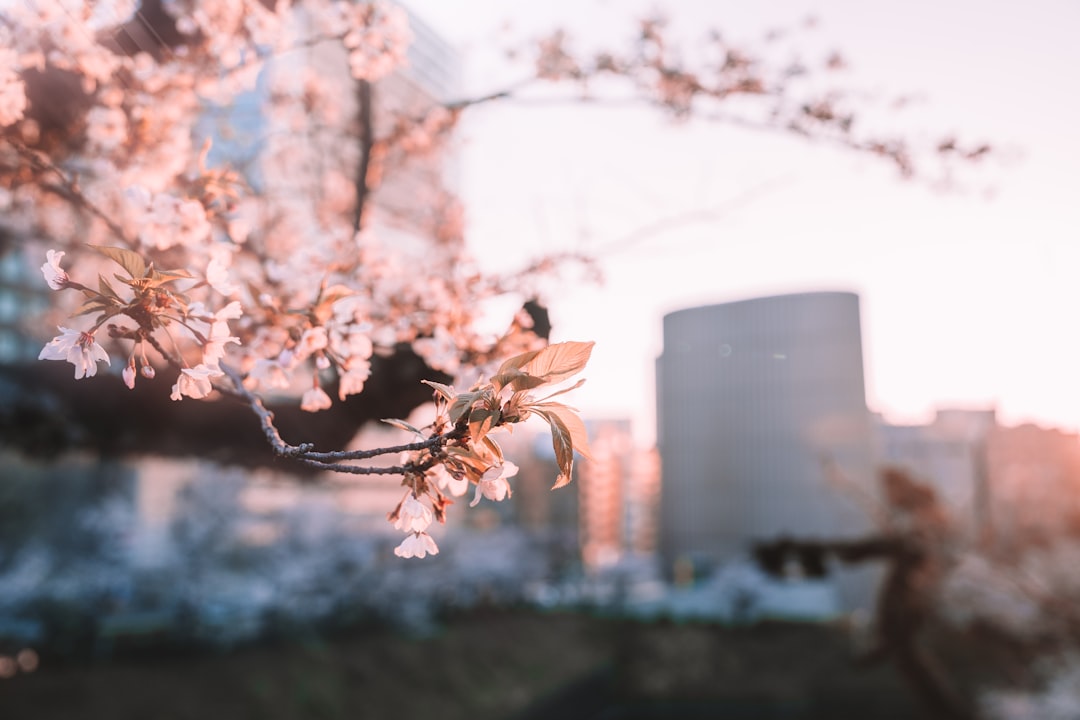
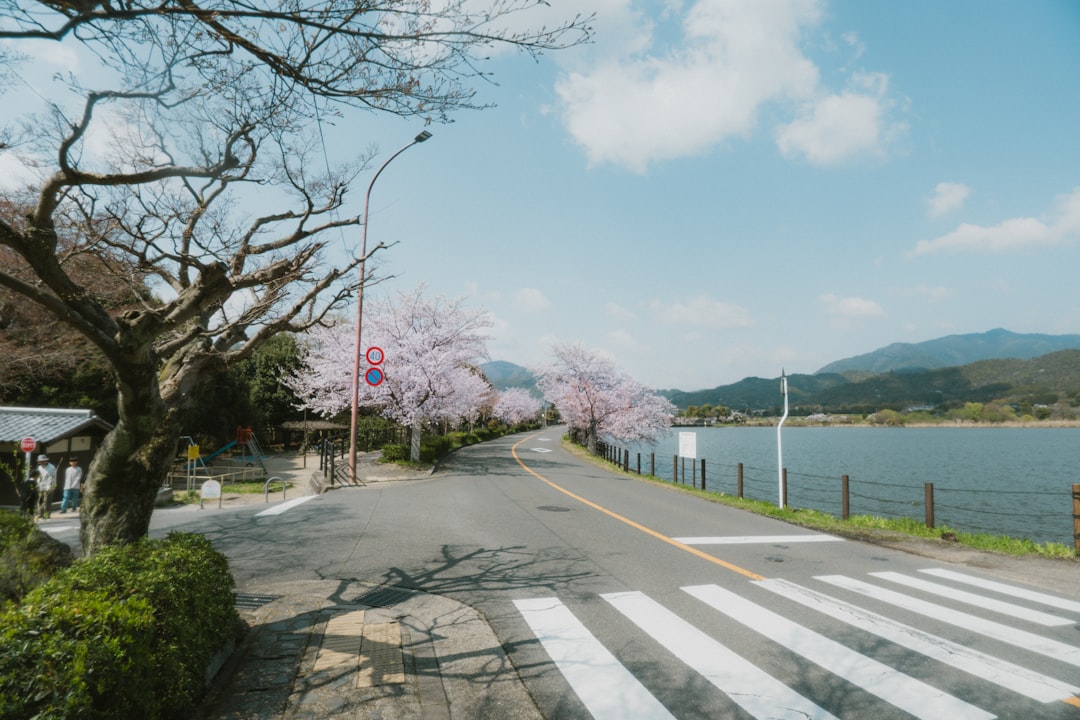
Japan in April: Peak Cherry Blossoms, Golden Week, and What to Expect
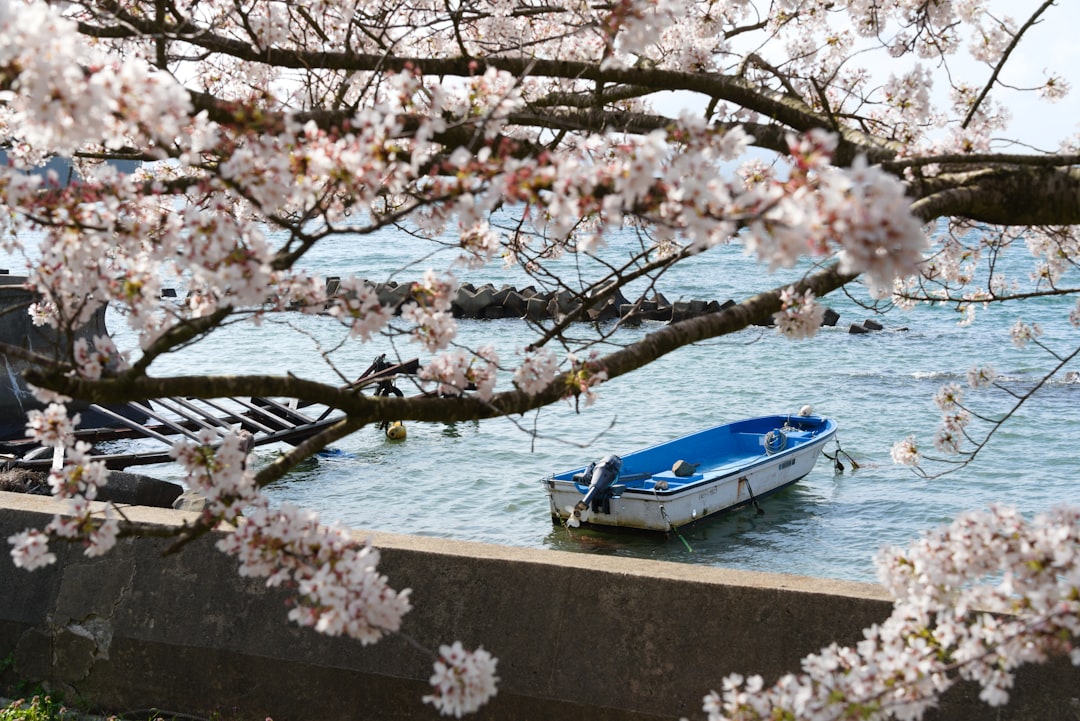
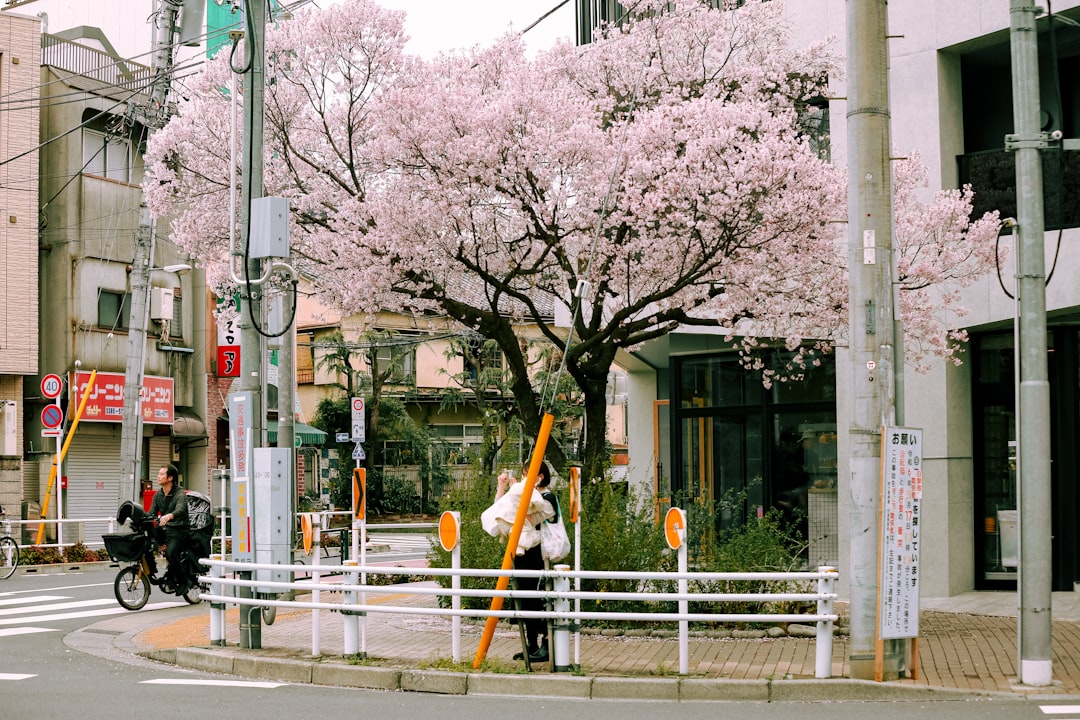
April is Japan's most celebrated month — cherry blossoms in full bloom, mild temperatures, and the country at its most festive. It's also the busiest. Here's the full picture.
Seasonal
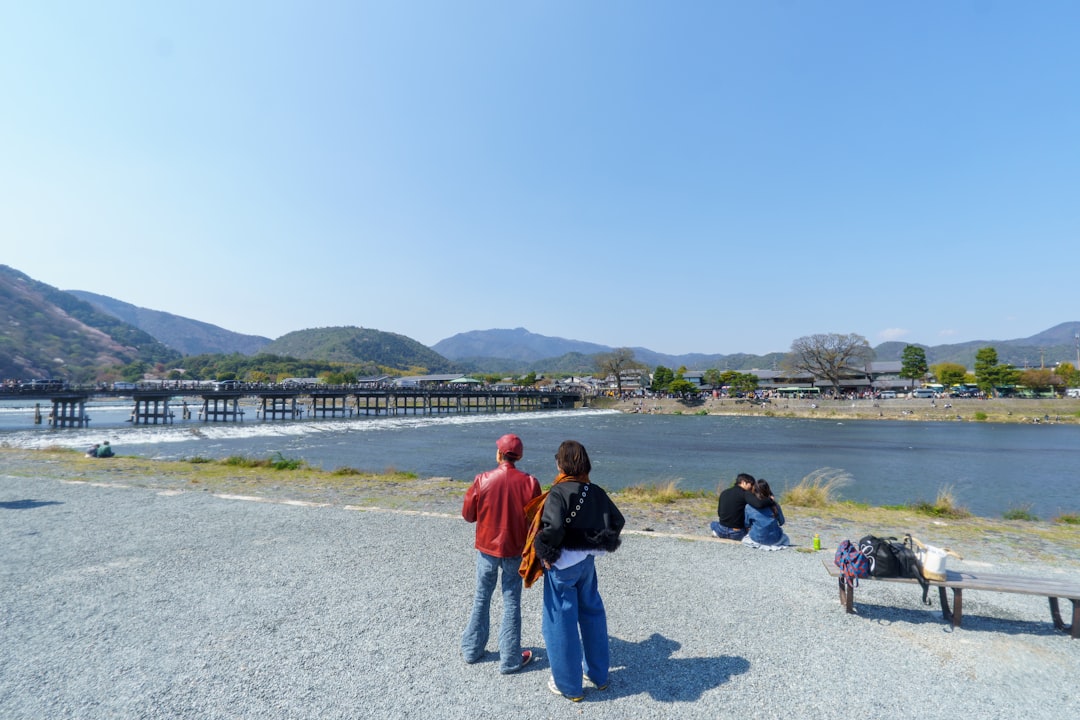
Japan in August: Obon, Fireworks, and the Country at Full Summer
August is Japan's hottest, most festive, and most domestic-tourist-heavy month. Obon brings millions home to their hometowns, fireworks explode over every river in the country, and the beaches fill up. Here's how to navigate it.
Seasonal
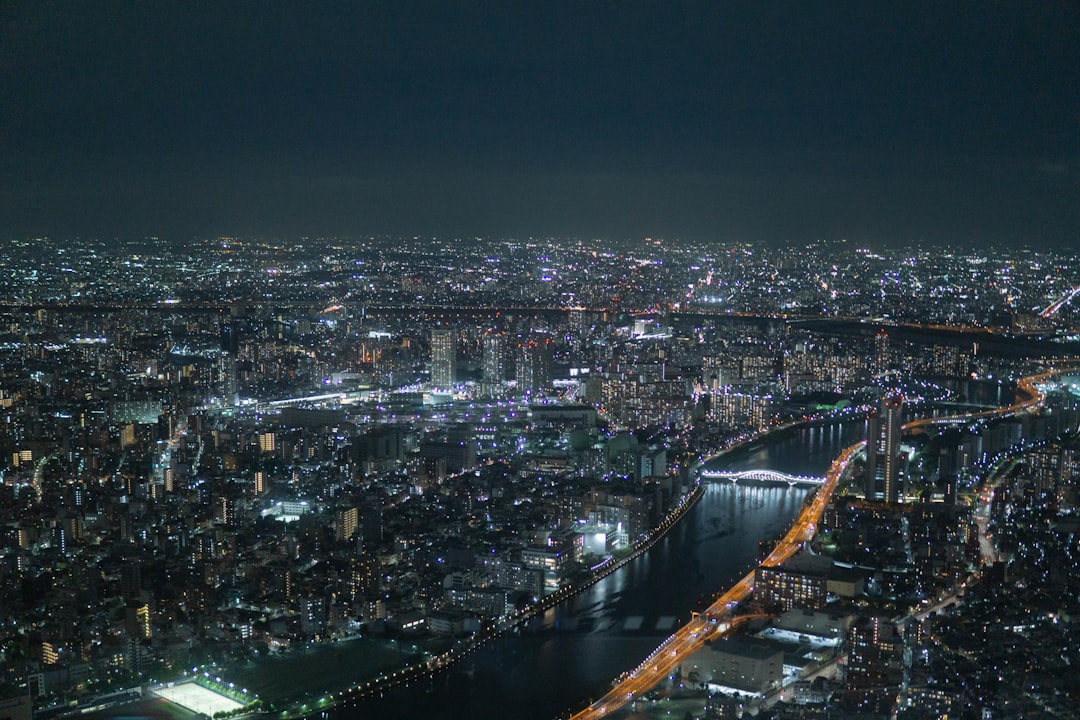
Japan in December: Winter Illuminations, Skiing, and Fewer Tourists
December is Japan's most underrated month. The fall foliage ends, the tourists leave, and the country enters a warm, festive mode — illuminations everywhere, excellent skiing in Hokkaido, and the best value accommodation of the year.
Seasonal
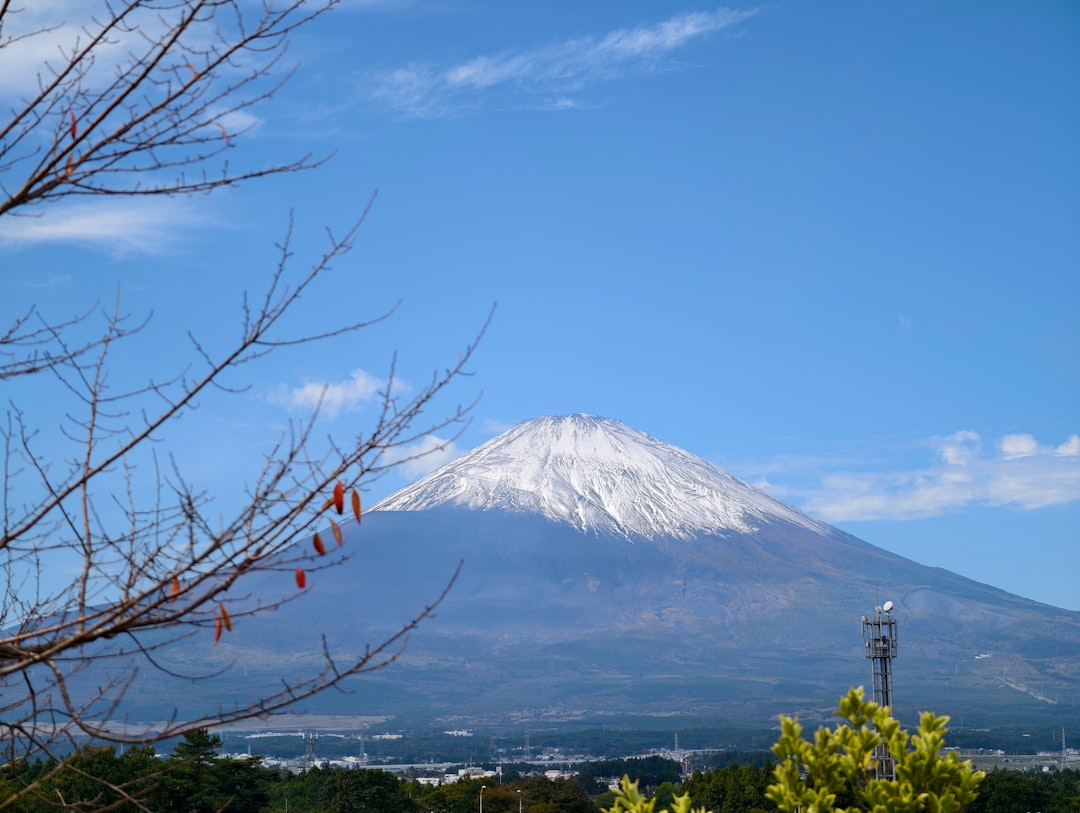
Japan in February: Plum Blossoms, Snow Festivals, and Before the Rush
February is Japan's secret shoulder season. The ski conditions peak, plum blossoms arrive before the tourist crowds, and Sapporo's Snow Festival draws visitors north while the rest of the country stays quiet. Here's how to use February wisely.
Seasonal
Japan in January: Powder Skiing, Hatsumode, and the Quietest Temples
January is Japan's coldest and least-visited month — which makes it one of the best for budget travelers, powder skiers, and anyone who wants Fushimi Inari to themselves. Here's what to expect.
Seasonal
Japan in July: Festivals, Fireworks, Hokkaido Lavender, and Surviving the Heat
July ends rainy season and begins Japan's summer festival season. The heat is intense, the matsuri are extraordinary, and Hokkaido — the exception to everything — is in its absolute prime.
Seasonal
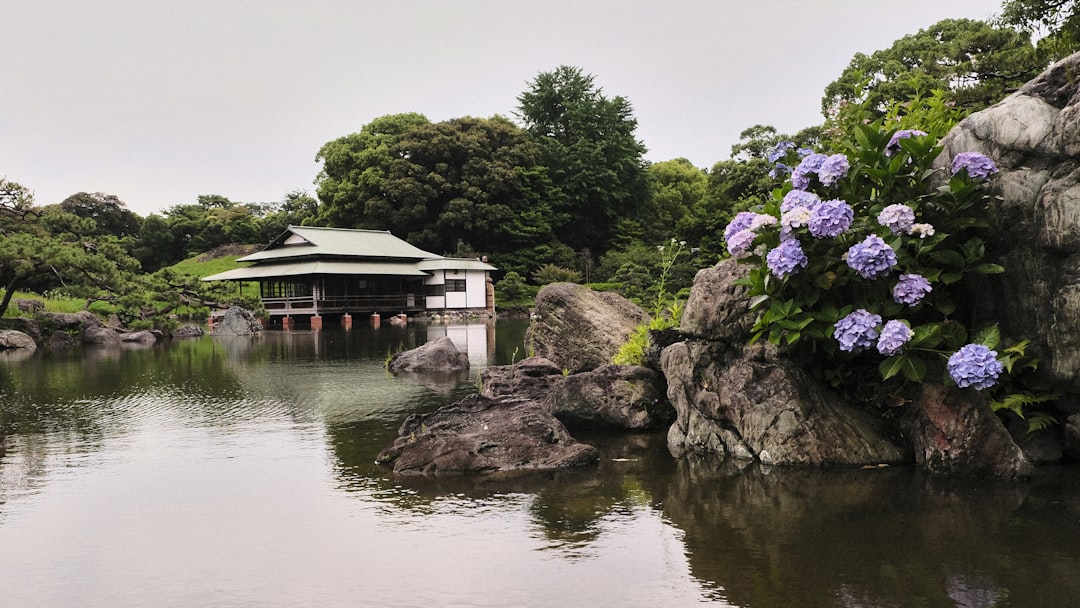
Japan in June: Rainy Season, Hydrangeas, and the Emptiest Temples
June is Japan's rainy season — and also one of the best-kept secrets in the travel calendar. The hydrangeas bloom everywhere, the crowds disappear, prices drop, and the temples in the rain look extraordinary.
Seasonal
Japan in March: Cherry Blossoms, Crowds, and the Best Month to Go
March is when Japan transforms. The cherry blossoms start in the south, the weather finally breaks, and the country enters its most photographed season. Here's how to make the most of it.
Seasonal
Japan in May: After the Crowds, Before the Rain
May is the window between Golden Week and rainy season — a brief stretch of warm, dry weather when Japan is gorgeous, the cherry blossoms are long gone, and the international crowds have started heading home.
Seasonal
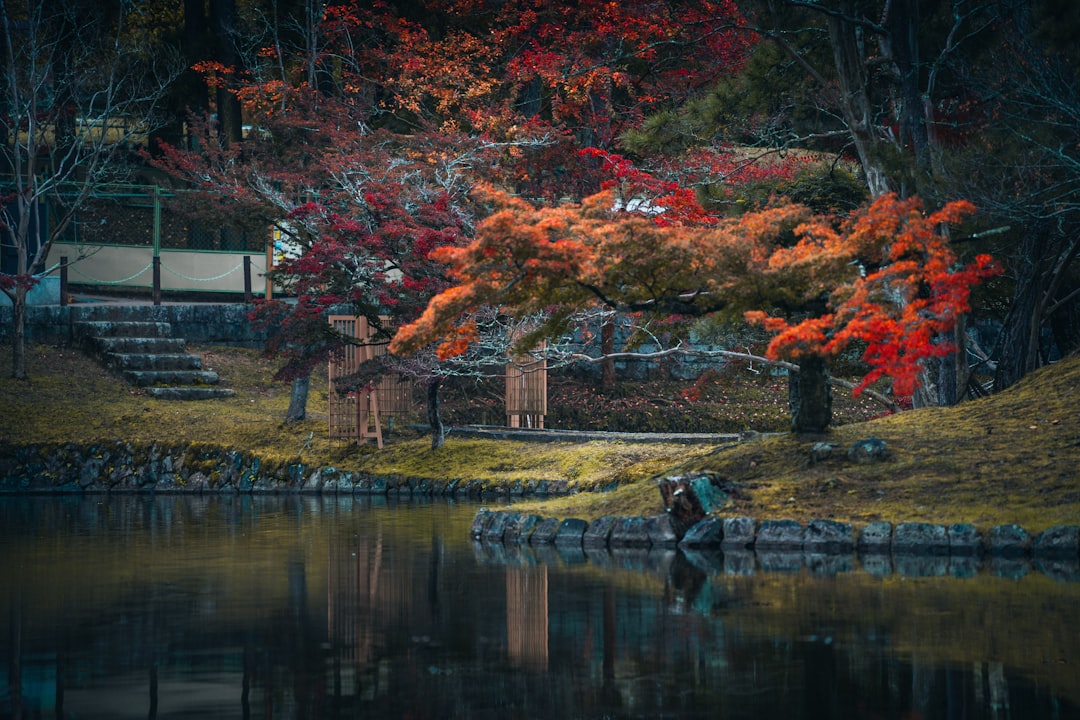
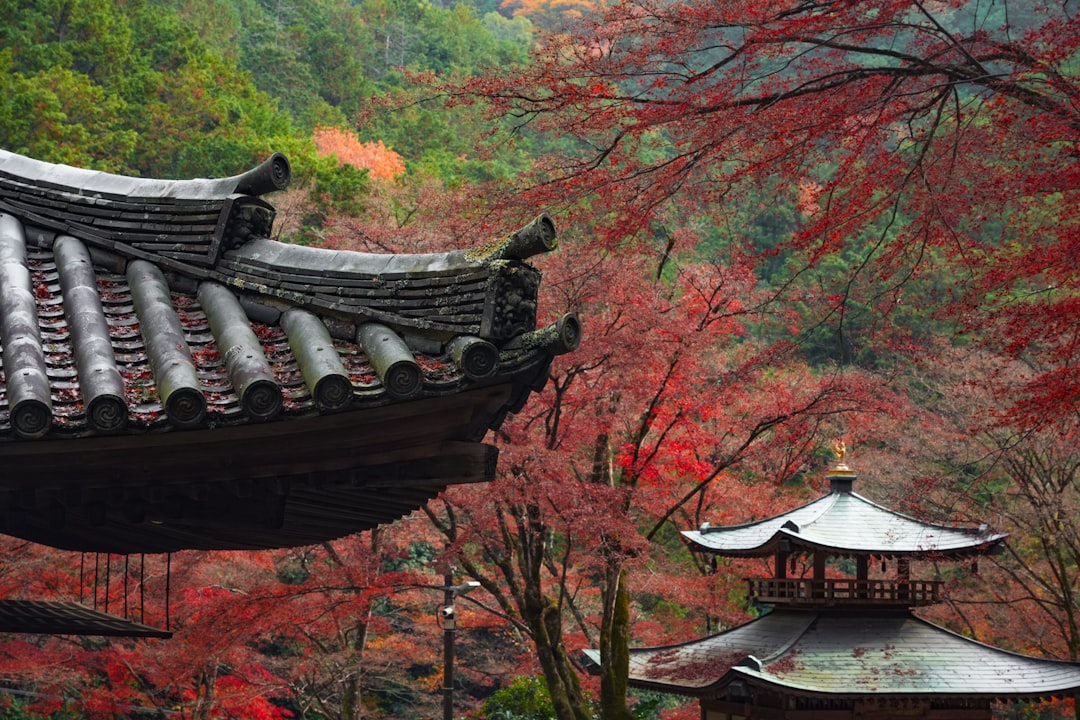
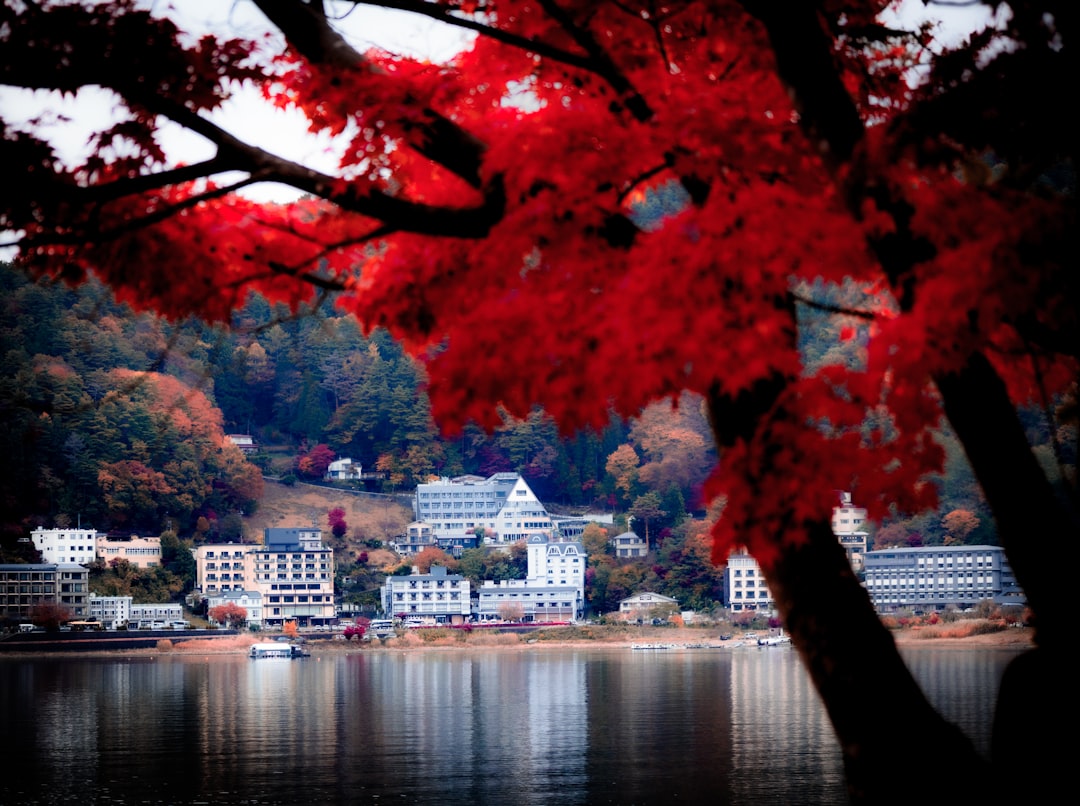
Japan in November: Fall Colors at Their Peak, Cool Nights, Fewer Crowds
November is when Kyoto turns red and gold and every temple garden becomes a painting. It's the fall foliage peak for central and western Japan — and increasingly the rival of cherry blossom season for sheer beauty.
Seasonal
Japan in October: Fall Foliage, Perfect Weather, and No Golden Week
October might be Japan's best-kept secret. Autumn leaves start in the north, the summer heat breaks completely, and the crowds are a fraction of cherry blossom season. Here's why October deserves more credit.
Seasonal
Japan in September: After the Crowds, Before the Colors
September is Japan's transition month — the heat breaks slowly, typhoon season peaks, and the country sits between summer festivals and autumn foliage. Timing it right gives you excellent weather and nearly empty temples.
Itinerary · Osaka
5 Days in Osaka: The Complete Itinerary with Day Trip Options
Five days in Osaka gives you the full city — the street food circuit, Osaka Castle, Shinsekai, day trips to Kyoto and Nara, and the depth of the neighborhoods that a 3-day itinerary skips. Day-by-day breakdown.
Budget · Osaka
Osaka on a Budget: What It Costs and How to Spend Less
Osaka is Japan's most affordable major city — food is cheaper than Tokyo, accommodation more competitive, and the street food scene means you can eat extraordinarily well for very little. Here's what everything costs.
Food · Osaka
Osaka Food Guide: Everything You Need to Eat in Japan's Kitchen
Osaka is Japan's food capital — kuidaore (eat until you drop) is the city's philosophy. From takoyaki and kushikatsu to Michelin-starred kaiseki and the ramen styles unique to the city. The complete Osaka eating guide.
Food · Osaka
Osaka Izakaya Guide: How to Eat and Drink Like a Local
The izakaya is the heart of Osaka social life — affordable, informal, and designed for the long evening of small dishes and drinks. How to navigate the ordering system, what to eat, where to go, and the etiquette that makes the difference.
Neighborhoods · Osaka
Osaka Neighborhoods: A District-by-District Guide
Osaka's personality lives in its neighborhoods — from the neon commerce of Namba to the craft culture of Nakazakicho, the historical Tanimachi corridor, and the local nightlife of Fukushima. Here's how the city's districts work.
Nightlife · Osaka
Osaka Nightlife: From Izakayas to Clubs and the Late-Night Ramen Circuit
Osaka is Japan's nightlife capital — the drinking culture starts earlier and ends later than Tokyo, the izakaya scene is the most accessible in Japan, and the club district in Amerika-mura runs past sunrise. Here's the full guide.
Food · Osaka
Osaka Ramen Guide: The Best Bowls and the Styles Worth Knowing
Osaka's ramen scene is distinct from Tokyo's and Fukuoka's — lighter broths, a 24-hour culture, and regional styles that rarely appear outside Kansai. The best ramen shops, the key styles, and what makes Osaka ramen different.
Tips · Osaka
Shopping in Osaka: From Shinsaibashi to Amerika-mura and the Department Store Basements
Osaka is one of Japan's best shopping cities — the Shinsaibashi arcade, the vintage culture of Amerika-mura, the department store depachika food halls, and the traditional craft shops of Tanimachi. The complete guide.
Culture · Osaka
Osaka Temples and Shrines: Beyond Osaka Castle
Osaka's religious sites are often overshadowed by the food culture — but Shitenno-ji (one of Japan's oldest temples), Sumiyoshi Taisha (the most important shrine in western Japan), and Imamiya Ebisu Shrine are genuinely excellent. The complete guide.
Transport · Osaka
Getting Around Osaka: Subway, IC Cards, and the City's Transport Network
Osaka's subway system is one of the most efficient in Japan — 9 color-coded lines covering every major district. Here's how to navigate the IC card system, the Osaka Amazing Pass, and the routes that matter.
Activities · Osaka
Universal Studios Japan: The Complete Guide to Super Nintendo World and Beyond
Universal Studios Japan in Osaka is one of the best theme parks in the world — and Super Nintendo World is its crown jewel. Tickets, Express Pass strategy, the Mario Kart ride, and how to spend a full day without wasting it.
Compare
Japan vs South Korea: Which Should You Visit First?
Two of Asia's most fascinating countries, less than 2 hours apart by plane. Here's how to decide which one belongs at the top of your list — and why the answer depends entirely on who you are.
Compare
Japan vs Thailand: Two Versions of Asia, Zero Overlap
Japan is precision, ritual, and temples that will silence you. Thailand is color, chaos, and a warmth that will undo you. They share a continent and almost nothing else. Here's how to choose.
Compare
Tokyo vs Seoul: The Food Capital Showdown
Two of the greatest food cities on earth, separated by a two-hour flight. Tokyo has perfection. Seoul has obsession. Here's what eating your way through each city actually looks like.
Practical · tokyo
Narita and Haneda Airports: Getting Into Tokyo
Tokyo is served by two airports — Narita (international hub, 60km east) and Haneda (closer, increasingly international). A guide to the transport options from each airport to the city, costs, travel times, and how to choose the right route.
Nature
Awaji Island: Japan's Onion Island Between Osaka and Shikoku
Awaji Island sits in the Seto Inland Sea between Kobe and Tokushima — close enough to Osaka for a day trip, diverse enough for two. A guide to the island's food (Japan's finest onions and sea urchin), its puppet theater, the Akashi Kaikyo Bridge, and the art installations at Zenbo Sekkei.
Food
Bento Culture in Japan: A Guide to Train Lunches and Ekiben
The Japanese bento box is a complete meal in a portable container — and nowhere is this tradition more elevated than the ekiben, the station-sold regional bento available at shinkansen platforms across Japan. A guide to the culture, the best regional varieties, and where to find them.
Practical
Coin Lockers in Japan: How to Store Luggage While You Sightsee
Japan's coin locker system is excellent — lockers at every major train station let you store bags for the day while you explore. A guide to finding lockers, sizes, costs, IC card payment, and what to do when they're full.
Experiences
Japanese Cooking Classes: What to Learn and Where
Taking a Japanese cooking class is one of the most practical souvenirs you can bring home from a trip — sushi rolling, ramen broth, ramen from scratch, tempura technique, or a full washoku menu. A guide to the types of classes, what to expect, and the best options in Tokyo and Kyoto.
Food
Depachika: Japan's Department Store Food Halls
The basement food halls of Japanese department stores — depachika — are among the best food destinations in any city. A guide to what you'll find, which stores have the best selections, how to navigate them, and why they're worth treating as a primary eating and shopping destination.
Culture · kyoto
Geisha in Japan: Understanding Kyoto's Geiko and Maiko
Geisha — called geiko in Kyoto dialect — are professional entertainers trained in classical arts who perform at private banquets. The hanamachi (flower districts) of Kyoto are the most active in Japan; this guide explains the actual system, how to see geiko and maiko, and the etiquette of the hanamachi.
Seasonal · kyoto
Gion Matsuri: Japan's Greatest Festival
Gion Matsuri is Kyoto's month-long July festival — one of Japan's three greatest festivals, centered on two processions of massive wheeled floats (yamaboko junko) through the old city streets, with a week of lantern-lit evening exhibitions beforehand.
Practical
Golden Week in Japan: How to Survive and Enjoy It
Golden Week (late April to early May) is Japan's busiest travel period — four national holidays in 10 days produce the country's largest domestic travel surge. What you'll find, what to avoid, and how to plan a worthwhile Japan trip during the most crowded week of the year.
Food
Gyoza and Udon: Japan's Most Beloved Everyday Foods
Gyoza and udon are the comfort food backbone of Japanese daily eating — the pan-fried dumplings and thick wheat noodles that appear everywhere from ramen shops to standing noodle bars. A guide to the regional styles, where to eat them, and what to order.
Experiences
Ikebana: Japanese Flower Arranging
Ikebana is the Japanese art of flower arrangement — not decoration, but a discipline of space, line, and seasonal expression that has developed over 600 years into multiple distinct schools. A guide to the tradition, the major schools, and how to take a class in Japan.
Nature
Jigokudani: Japan's Snow Monkeys
Jigokudani Monkey Park in Nagano is home to the world's only wild primates that bathe in hot springs — Japanese macaques who descend from the surrounding mountains to soak in the outdoor onsen pool through winter. A guide to visiting, timing, and what to expect.
Experiences
Kabuki: How to Watch Japan's Classical Theater
Kabuki is Japan's 400-year-old classical theater form — elaborate makeup, spectacular costumes, stylized movement, and a theatrical vocabulary entirely its own. A guide to understanding what you're watching, how to get tickets, and where to see it in Tokyo and Osaka.
Food
Kaiten-Sushi: Japan's Conveyor Belt Sushi
Kaiten-sushi — conveyor belt sushi — is one of Japan's great dining inventions: high-quality sushi at affordable prices with none of the formality of traditional sushi counters. A guide to how it works, the best chains, ordering strategy, and what to eat.
Experiences
Karaoke in Japan: Everything You Need to Know
Karaoke was invented in Japan and the Japanese approach to it — private rooms, no audience, all night — is entirely different from Western karaoke bars. A guide to the major chains, how the room system works, pricing, etiquette, and why it's one of the best things to do in Japan regardless of singing ability.
Experiences
Kimono Rental in Japan: Where, How, and What to Expect
Renting a kimono for a day of sightseeing in Kyoto or Tokyo is one of the most memorable things to do in Japan — the transformation is immediate and the photographs are exceptional. A guide to the best rental areas, what to expect, how much it costs, and the etiquette of wearing traditional dress in a real city.
Food
Japanese Kit Kats and Regional Snacks: What to Buy
Japan has over 300 Kit Kat flavors and a regional omiyage snack culture that makes its convenience stores and souvenir shops genuinely worth shopping. A guide to the best Kit Kat varieties, the best regional snacks, and where to find them.
Culture
Kyushu: Japan's Southern Island
Kyushu is Japan's third-largest island — volcanic, subtropical, historically distinct, and undervisited relative to its quality. A guide to the main cities, the active volcano Aso, the hot spring capital Beppu, and how to plan a Kyushu itinerary.
Experiences · tokyo
Maid Cafes in Akihabara: What They Are and What to Expect
Maid cafes are a specific Tokyo entertainment format — cafes staffed by costumed 'maids' who treat customers as guests in a performative domestic setting. A guide to how they work, what to expect, the etiquette, and the best options in Akihabara.
Food
Matcha in Japan: A Complete Guide
Matcha is powdered green tea grown in shade — it has been Japan's ceremonial tea for 800 years and is now simultaneously one of the most sophisticated culinary traditions in the world and a global flavor trend. A guide to understanding quality grades, where to buy the best, and the full spectrum of matcha experiences.
Nature
The Nakasendo Walk: Tsumago and Magome
The Nakasendo was one of Japan's five great Edo-period roads connecting Tokyo and Kyoto through the mountains of central Honshu. The best-preserved section — between the post towns of Magome and Tsumago in the Kiso Valley — is a 8km walk through forested mountain paths that looks almost identical to how it did in 1800.
Seasonal
Nebuta and Awa Odori: Japan's Great Summer Festivals
The Nebuta Matsuri in Aomori and the Awa Odori in Tokushima are two of Japan's largest and most spectacular summer festivals — massive illuminated floats and hypnotic folk dancing that draw millions of visitors in August. A guide to both festivals, how to attend, and what to expect.
Seasonal
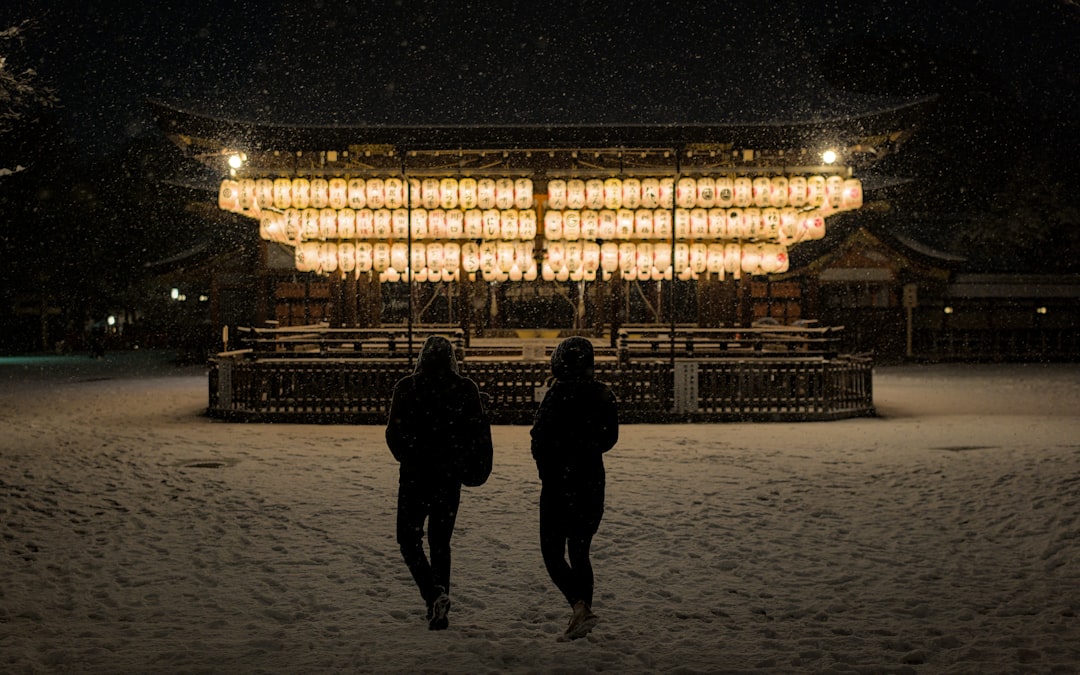
New Year in Japan (Oshogatsu): The Most Important Holiday
Oshogatsu — the Japanese New Year — is the country's most important holiday, combining Shinto temple visits, family traditions, special foods, and the most beautiful version of a familiar calendar event. A guide to what happens, where to experience it, and how to plan a trip around it.
Culture
Noh and Bunraku: Japan's Classical Theater
Noh and Bunraku are Japan's two most ancient theatrical traditions — Noh the masked musical drama of the warrior elite, Bunraku the puppet theater that influenced Kabuki. A guide to what they are, how to see them, and how to approach them as a first-time audience member.
Seasonal
Obon: Japan's Festival of Returning Spirits
Obon is Japan's summer Buddhist festival for honoring ancestral spirits — combining lantern ceremonies, Bon Odori folk dancing, and family reunions in one of the country's most atmospheric seasonal events. A guide to the traditions, the best festivals, and how to experience it as a visitor.
Nature
Japan's Best Onsen Towns: Beyond Hakone
Japan has over 27,000 onsen (hot spring) locations — the most celebrated towns are Hakone and Beppu, but the most memorable experiences are often found at Kusatsu's sulfur springs, Kinosaki's public bath circuit, Ginzan's snow-covered Taisho-era streets, or the remote Nyuto Tsurunoyu in the mountains.
Practical
What to Pack for Japan: A Practical Packing List
Packing for Japan requires thinking about walking distances, shoe-removal etiquette, seasonal weather, and what's available cheaply in Japan versus what you should bring. A practical list organized by season and trip length.
Practical
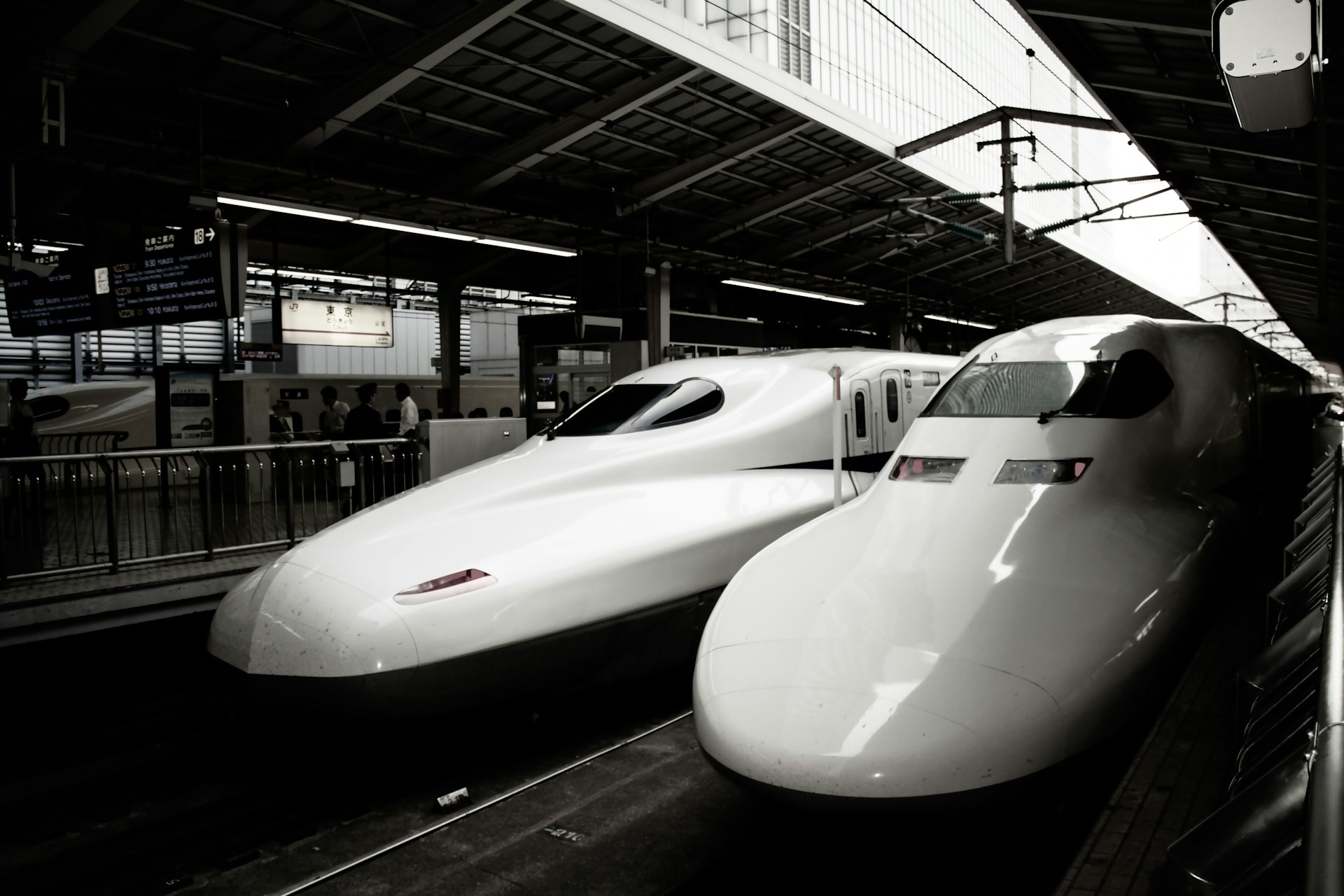
How to Book Shinkansen Tickets in Japan
Japan's bullet train network is fast, punctual, and surprisingly easy to navigate once you understand the ticket types, seat classes, and booking methods. A complete guide to booking shinkansen seats — including reserved vs unreserved, how to use the JR Pass, and where to buy tickets.
Nature
Shirakawa-go and Gokayama: Japan's Alpine Villages
Shirakawa-go and Gokayama are UNESCO-listed historic villages in the Japanese Alps — famous for their gassho-zukuri farmhouses with steeply pitched thatched roofs designed to shed heavy snow. In winter, illuminations turn them into the most photographed landscapes in central Japan.
Practical
Japan SIM Cards, Pocket WiFi, and Staying Connected
Staying connected in Japan is straightforward once you know the options — SIM cards at the airport, eSIMs from home, pocket WiFi rentals, or your existing plan. A practical guide to the best options by trip length, device, and usage needs.
Nature
Skiing in Japan: Niseko, Hakuba, and the Best Resorts
Japan has some of the best powder snow in the world — Hokkaido's Niseko gets 15 meters of dry Siberian powder annually. A guide to the top ski resorts, the best season window, how to get there, and what makes Japan skiing different from anywhere else.
Experiences
Takarazuka: Japan's All-Female Musical Theater
The Takarazuka Revue is Japan's most distinctive theater tradition — an all-female musical theater company in Hyogo Prefecture that performs lavish Broadway-style productions with women playing male roles. A guide to the theater, the troupes, how to see a performance, and the fan culture.
Nature
Tateyama Kurobe Alpine Route: Japan's Mountain Crossing
The Tateyama Kurobe Alpine Route is one of Japan's most dramatic travel experiences — a full crossing of the Northern Alps using cable cars, trolley buses, and the world's deepest underground hydroelectric facility, reaching 2,450m through snow corridors that tower 20 meters overhead in spring.
Experiences
The Japanese Tea Ceremony: A Visitor's Guide
The tea ceremony (chado) is a choreographed ritual for preparing and drinking matcha that encapsulates the core Japanese aesthetic principles of wabi-sabi, ma, and ichi-go ichi-e. A guide to what it is, where to experience it in Kyoto and Tokyo, and what to expect.
Food
Tsukemen: Japan's Dipping Ramen
Tsukemen — dipping noodles — is the variant of ramen where thick noodles are served cold or warm on the side and dipped into an intensely concentrated broth. A guide to the style, the best shops, how to order, and why it's worth seeking out over regular ramen.
Practical
Vegetarian and Vegan Eating in Japan
Eating vegetarian or vegan in Japan is more challenging than in most Western countries — dashi (fish stock) is the invisible base of Japanese cooking, hidden in sauces, broths, and seasonings. This guide covers how to eat well without meat or fish, the best options, and the phrases that actually work.
Practical
Vending Machines in Japan: A Practical Guide
Japan has approximately 4 million vending machines — one for every 30 people. They sell everything from coffee and hot soup to umbrellas, fresh eggs, and sake. A guide to what's actually in them, where the unusual ones are, and how to use them.
Food
Japanese Whisky: A Guide for Visitors
Japanese whisky has gone from obscure curiosity to the most sought-after category in the world in 20 years. A guide to the distilleries, the best bars in Tokyo and Kyoto, how to navigate Japanese whisky labels, and why Yamazaki, Nikka, and the craft distillery wave matter.
Practical · kyoto
Getting Around Kyoto by Bus: The Practical Guide
Kyoto's bus network is the most practical way to reach many of the city's temples and gardens — but the system has quirks that confuse visitors. A guide to the routes, the IC card system, the day pass, and the key lines for tourist areas.
Culture · kyoto
Daigo-ji: Kyoto's Mountain Temple and Sakura
Daigo-ji is one of Kyoto's most dramatic temple complexes — a UNESCO World Heritage Site spread across a mountain, with a five-story pagoda older than most of Europe's great cathedrals and a famous cherry blossom history tied to Toyotomi Hideyoshi's last great party.
Culture · kyoto
Enryaku-ji and Mount Hiei
Enryaku-ji is the headquarters temple of the Tendai Buddhist school — a complex of over 100 buildings spread across the summit ridge of Mount Hiei, overlooking both Kyoto and Lake Biwa. The mountain monastery that educated most of Japan's Buddhist reformers, including the founders of Zen, Pure Land, and Nichiren Buddhism.
Culture · kyoto
Kamishichiken: Kyoto's Oldest and Quietest Hanamachi
Kamishichiken is the oldest of Kyoto's five geiko districts — a short street of teahouses and ochaya near Kitano Tenmangu shrine, rarely visited by tourists but home to the most traditional geiko culture in the city. A guide to the neighborhood, the Kitano Odori performance, and the seasonal beer garden.
Experiences · kyoto
Staying in a Kyoto Machiya: Town House Accommodation
Machiya are Kyoto's traditional wooden town houses — narrow-fronted, deep, with internal gardens and centuries of architectural history. Several hundred have been restored as private accommodation. A guide to what they're like to stay in, where to book, and what to expect.
Culture · kyoto
Miyagawacho: Kyoto's Quietest Hanamachi
Miyagawacho is one of Kyoto's five geiko districts — a single atmospheric street running south from Shijo parallel to the Kamo River, with preserved machiya architecture and fewer tourists than neighboring Gion. A guide to the neighborhood, its seasonal odori performance, and how to experience it properly.
Culture · osaka
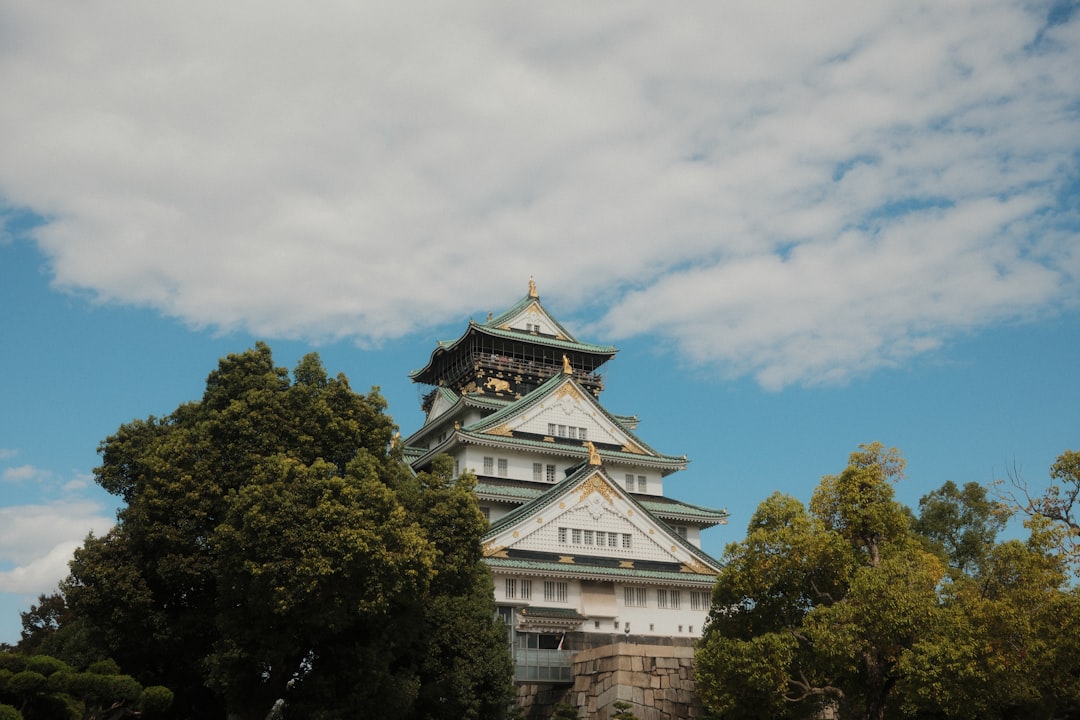
Osaka Castle: History, Visiting, and What's Inside
Osaka Castle is one of Japan's most recognizable landmarks — a 16th-century fortress rebuilt in concrete in 1931, surrounded by genuine moats, stone walls, and 600 cherry trees. A guide to what's inside the museum, how to visit the grounds, and the history of Hideyoshi's great construction.
Food · osaka
Kuromon Market: Osaka's Kitchen
Kuromon Ichiba has been feeding Osaka for 190 years — a 580-meter covered market with 170 stalls selling fresh seafood, Wagyu beef, pickles, and street food. A guide to what to eat, when to go, and why it remains one of the best food markets in Japan despite its tourist popularity.
Culture · tokyo
Jiyugaoka: Tokyo's Patisserie District
Jiyugaoka is a residential neighborhood in southwest Tokyo built around an unusually high concentration of European-style patisseries, confectionery shops, and café culture — plus the largest market-style sweets complex in Tokyo. A neighborhood that earns its designation as Tokyo's confectionery capital.
Culture · tokyo
Shibamata: Tokyo's Most Unchanged Shitamachi
Shibamata is a small neighborhood in the northeastern corner of Tokyo that has remained almost entirely unchanged since the 1960s — a wooden shopping street leading to a 1,300-year-old temple, famous as the setting for Japan's longest-running film series. A guide to visiting.
Culture · tokyo
Sugamo: Tokyo's Grandma's Harajuku
Sugamo is the old-fashioned shopping street neighborhood that Tokyo's elderly residents love — nicknamed 'Grandma's Harajuku,' it's a reminder of what Tokyo shopping streets looked like before they became fashionable. A guide to what to eat, what to buy, and why it's one of the most genuinely characterful walks in the city.
Culture · tokyo
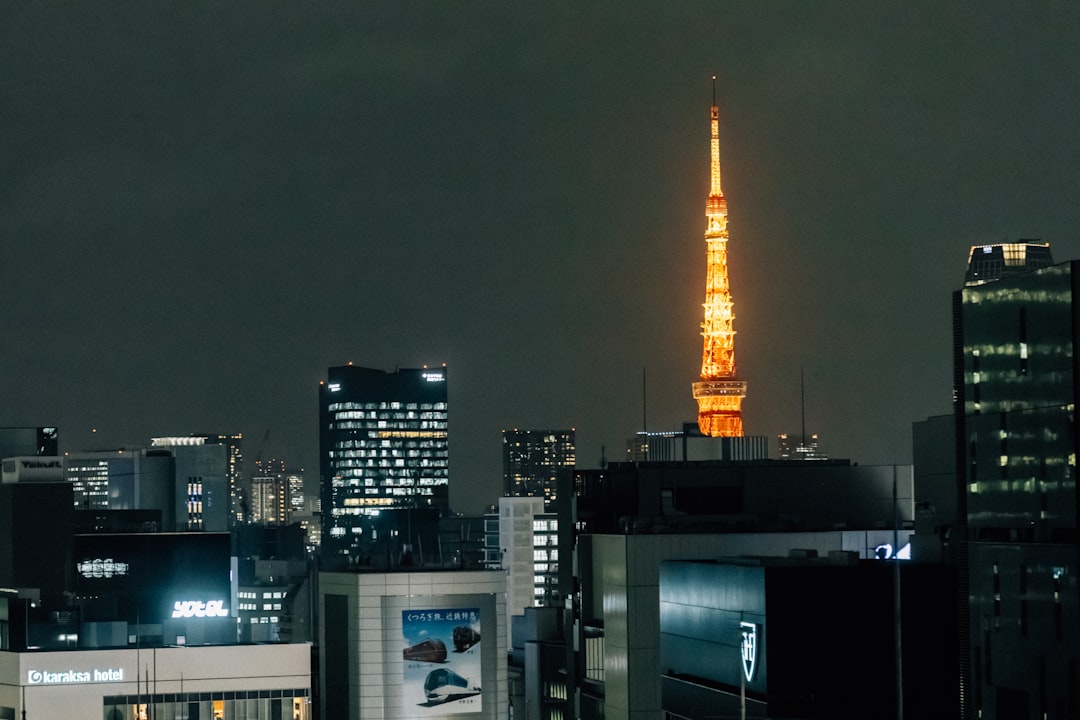
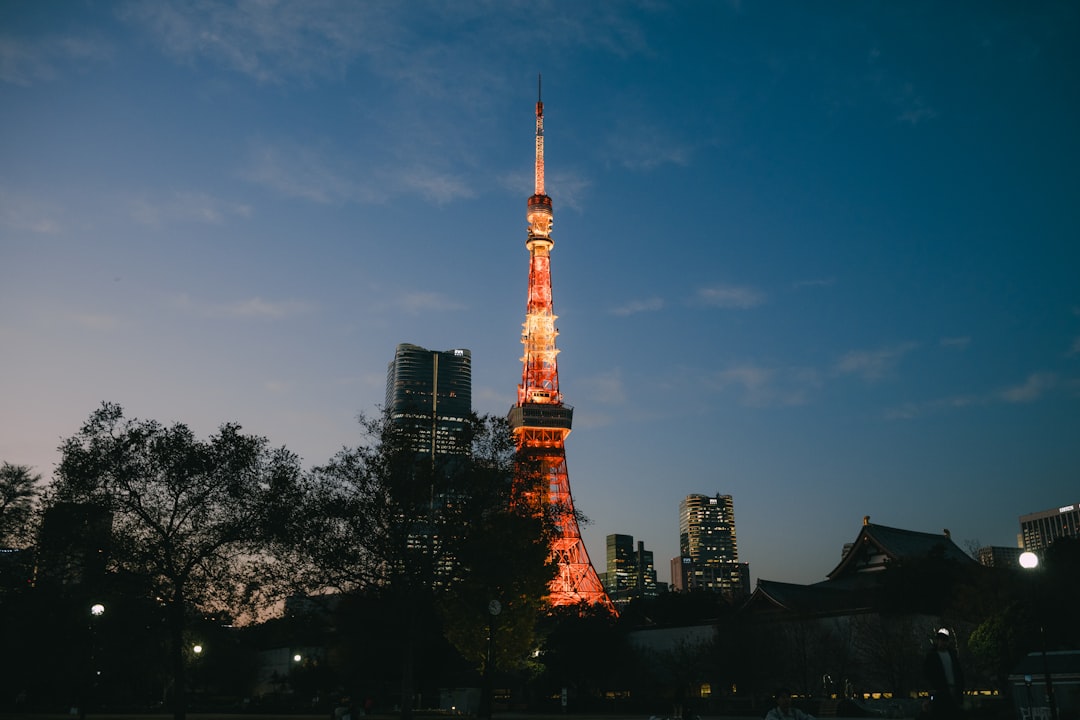
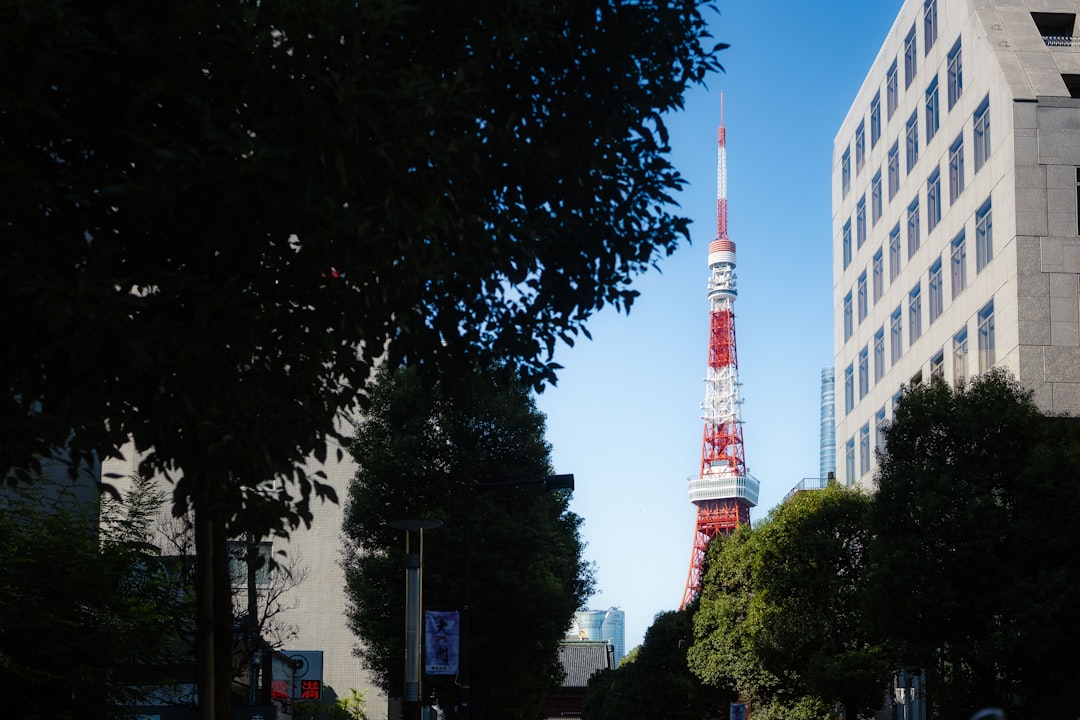
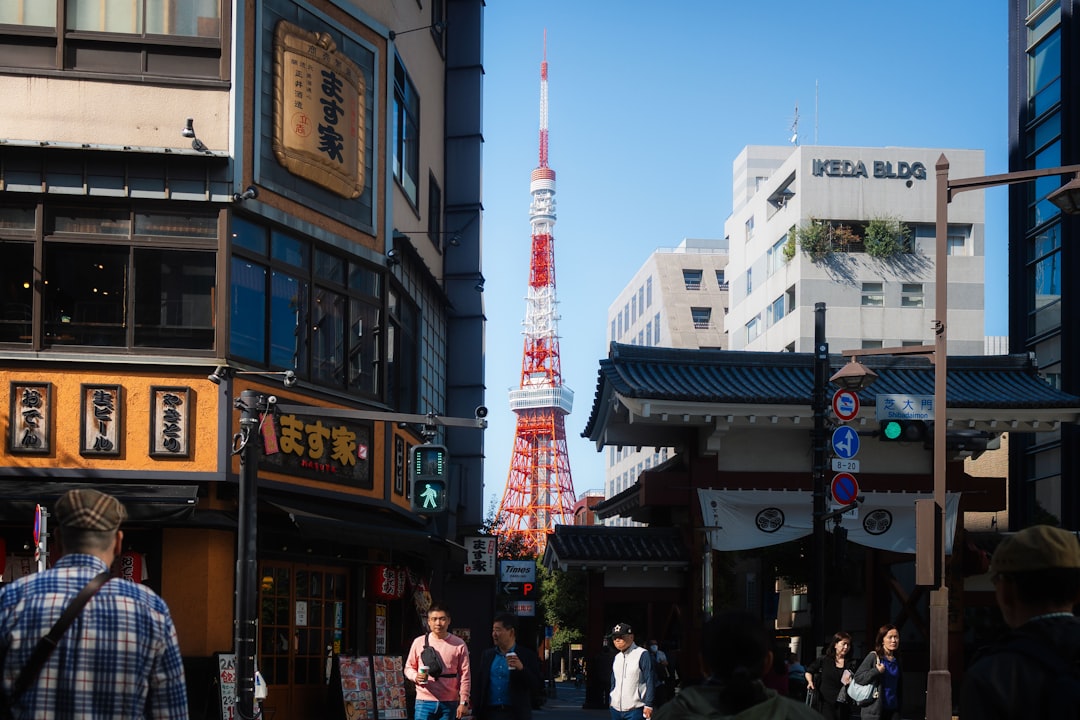
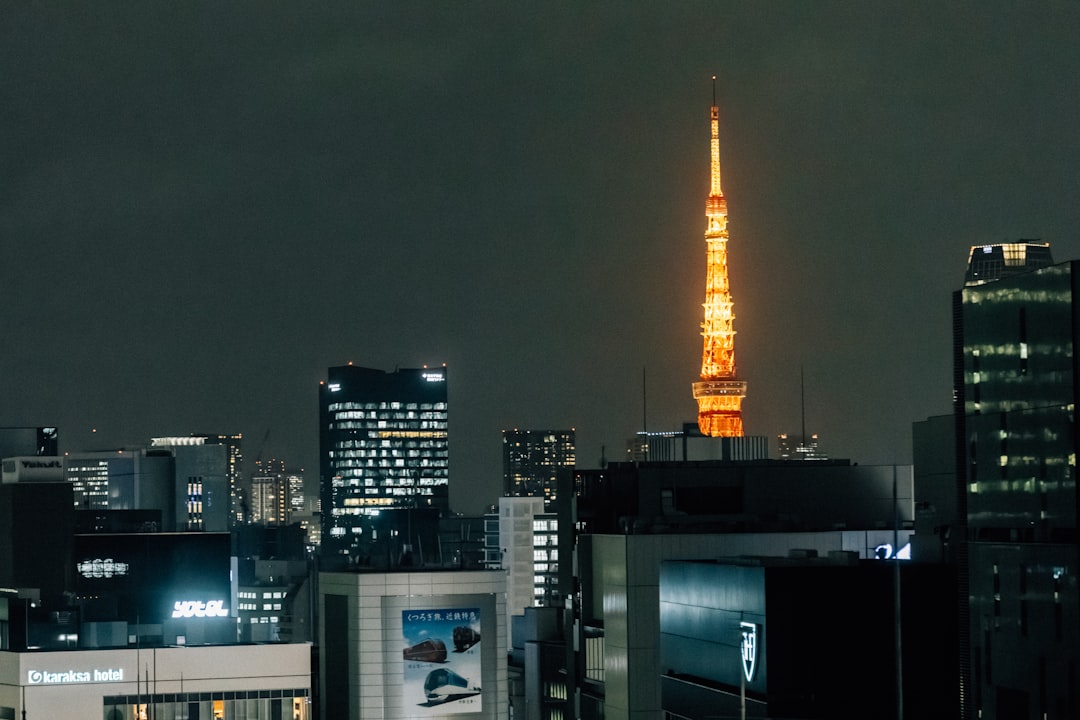
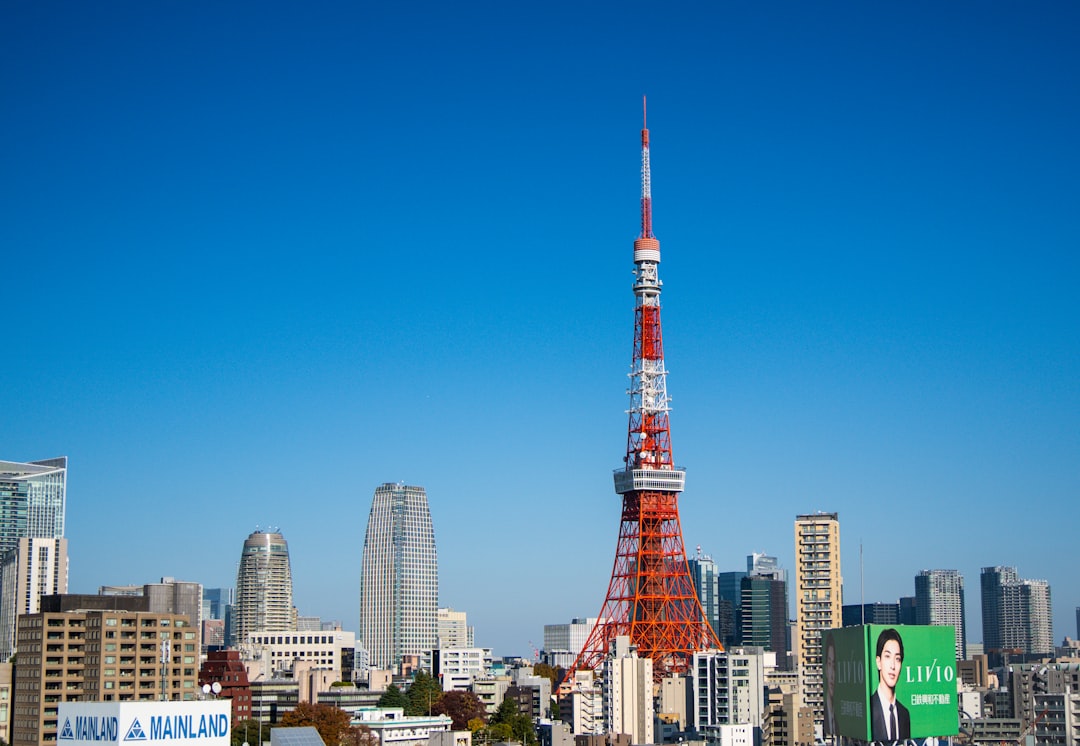
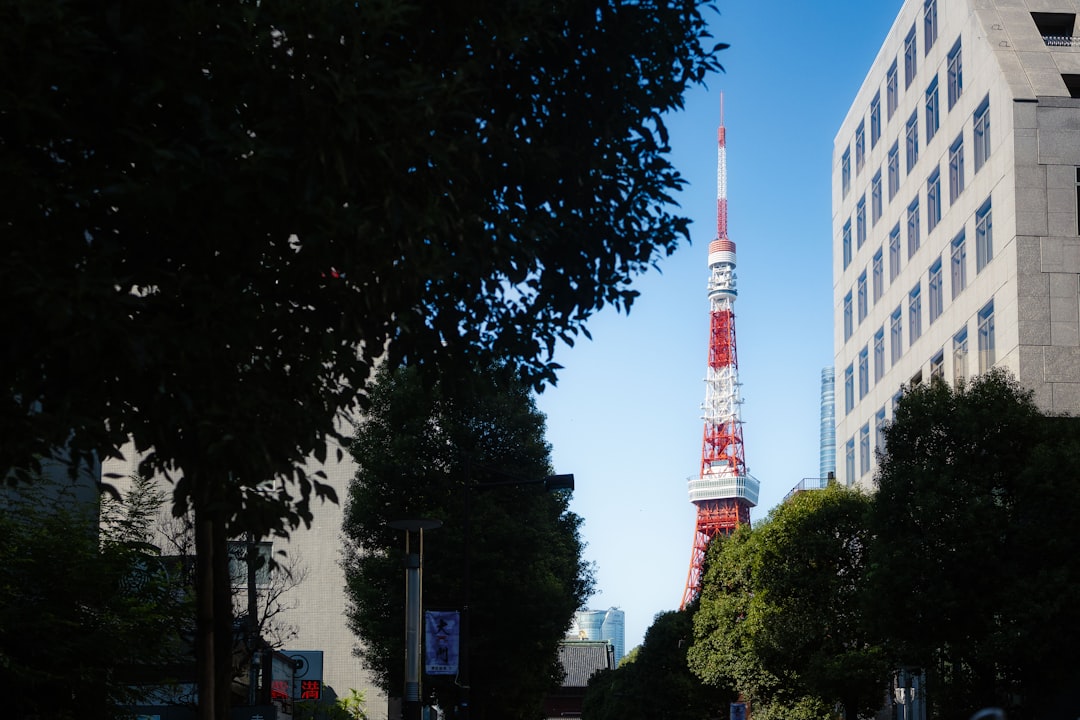
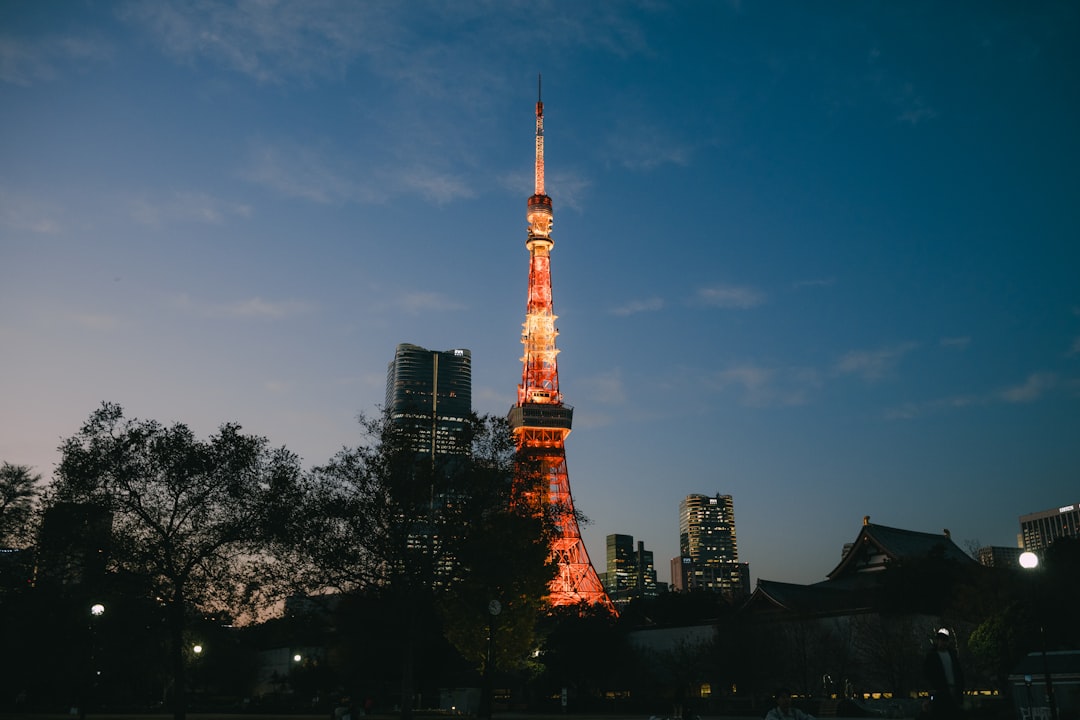
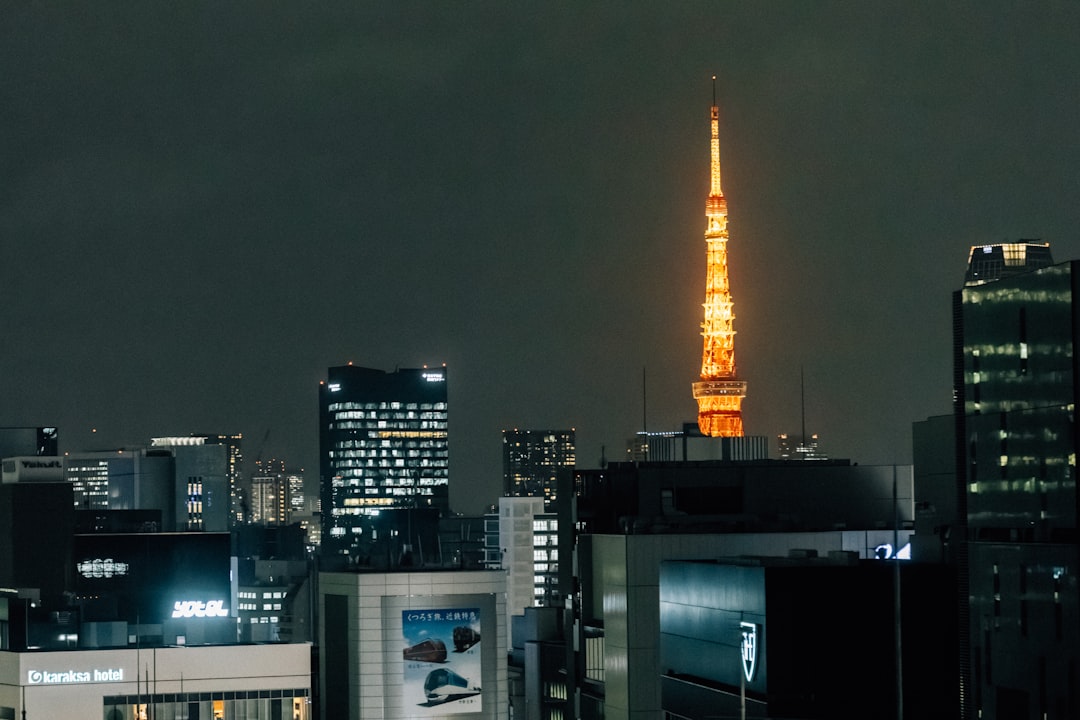
Tokyo Tower: Japan's Iconic Red Landmark
Tokyo Tower was Japan's tallest structure from 1958 to 2012 and remains one of the city's most recognizable landmarks. A guide to visiting the observation decks, the best views of the tower from the outside, and why it remains worth visiting despite the newer Sky Tree.
Food · tokyo
Toyosu Market: Tokyo's Seafood Hub After Tsukiji
Toyosu Market replaced Tsukiji as Tokyo's central wholesale seafood market in 2018. A guide to visiting the tuna auction, the sushi restaurants, and how the new market compares to its legendary predecessor.
Tips
Driving in Japan: Everything You Need to Know
Japan has excellent trains but driving unlocks rural ryokan, mountain onsen, coastal roads, and destinations that no rail line reaches. This guide covers licenses, highway systems, navigation, parking, and the roads worth driving.
Practical
JR Pass: Is It Worth It? The Complete 2026 Guide
The JR Pass is Japan's famous rail pass for foreign tourists — unlimited travel on JR trains, Shinkansen, and local lines. But the 2023 price increase changed the calculus significantly. This guide covers who the pass still benefits, how to calculate whether it pays off for your trip, and the best alternatives.
Food
Okonomiyaki: Japan's Savory Pancake
Okonomiyaki — the thick batter pancake loaded with cabbage, meat, and seafood — is a comfort food institution split between two competing regional traditions: the Osaka style (mixed) and the Hiroshima style (layered). A guide to both, where to eat them, and how to cook your own.
Experiences
Watching Sumo in Japan: The Complete Guide
Sumo is Japan's ancient martial art and national sport — bouts that last seconds but are preceded by hours of ritual, tradition, and the weight of 1,500 years of history. This guide covers how to get tickets, the tournament schedule, the rules, the ritual, and where to see sumo training.
Food
Tempura in Japan: A Complete Guide
Tempura — seafood and vegetables in a barely-there batter, fried to a crisp translucency — is one of Japan's most refined culinary arts. A guide to the different grades of tempura restaurants, the proper way to eat it, regional variations, and where to find the best in Tokyo and Kyoto.
Food
Tonkatsu: Japan's Definitive Pork Cutlet
Tonkatsu — panko-breaded deep-fried pork cutlet — is one of Japan's most beloved Western-influenced dishes, elevated by Japanese craftsmanship into a near-perfect food. A guide to the different cuts, the best restaurants, the proper way to eat it, and why it's worth spending real money on.
Culture · kyoto
Daitoku-ji: Kyoto's Temple of Subtemples
Daitoku-ji is a Rinzai Zen temple complex in northern Kyoto comprising 24 subtemples — most closed to the public, but several of the finest Zen gardens in Japan are accessible here, including Daisen-in's celebrated garden in miniature and Kotoin's famous maple approach.
Culture · kyoto
Fushimi: Kyoto's Sake District
Fushimi is one of Japan's most important sake-brewing districts — the soft groundwater from the Fushimi springs has produced sake here for 400 years. The district has the Gekkeikan Okura Sake Museum, working breweries, and a canal-and-warehouse character entirely different from the rest of Kyoto.
Nature · kyoto
Kibune and Kurama: Kyoto's Mountain Escape
Kibune and Kurama are two mountain villages 30 minutes north of Kyoto — connected by a 4km hiking trail over the ridge between them. Kibune has kawadoko river dining in summer; Kurama has a dramatic mountain shrine and onsen. Together they're the most distinctive day trip from Kyoto.
Culture · kyoto
Nijō Castle: The Shogun's Kyoto Palace
Nijō Castle was the Kyoto residence of the Tokugawa shoguns — a statement of military power built into an aesthetic of refined restraint. The Ninomaru Palace, its nightingale floors, and the garden remain among the best-preserved examples of early Edo period architecture.
Culture · kyoto
Ohara: Kyoto's Northern Village
Ohara is a small farming village in the mountains north of Kyoto, an hour by bus from the city center — home to Sanzen-in's moss garden, two remote nunneries, and a pace of life entirely separate from the Kyoto tourist circuit.
Culture · kyoto
Pontocho: Kyoto's Lantern-Lit Alley
Pontocho is a 500m stone-paved alley between Kawaramachi and the Kamo River — Kyoto's most atmospheric dining lane, with traditional restaurants, geiko sightings, and summer kawadoko platforms extending over the river.
Culture · kyoto
Sanjūsangendō: The Hall of a Thousand Kannon
Sanjūsangendō is a 120m-long wooden hall housing 1,001 life-size gilded Kannon statues — a scale of devotional art that exists nowhere else in the world. One of Kyoto's most extraordinary Buddhist sites and profoundly undervisited relative to its significance.
Culture · kyoto
Tofukuji: Kyoto's Autumn Foliage Temple
Tofukuji is one of the five great Zen temples of Kyoto and the most celebrated destination for autumn foliage in the city — a ravine of 2,000 maple trees that turns the gorge between the main temple buildings into a river of red and orange in November.
Culture
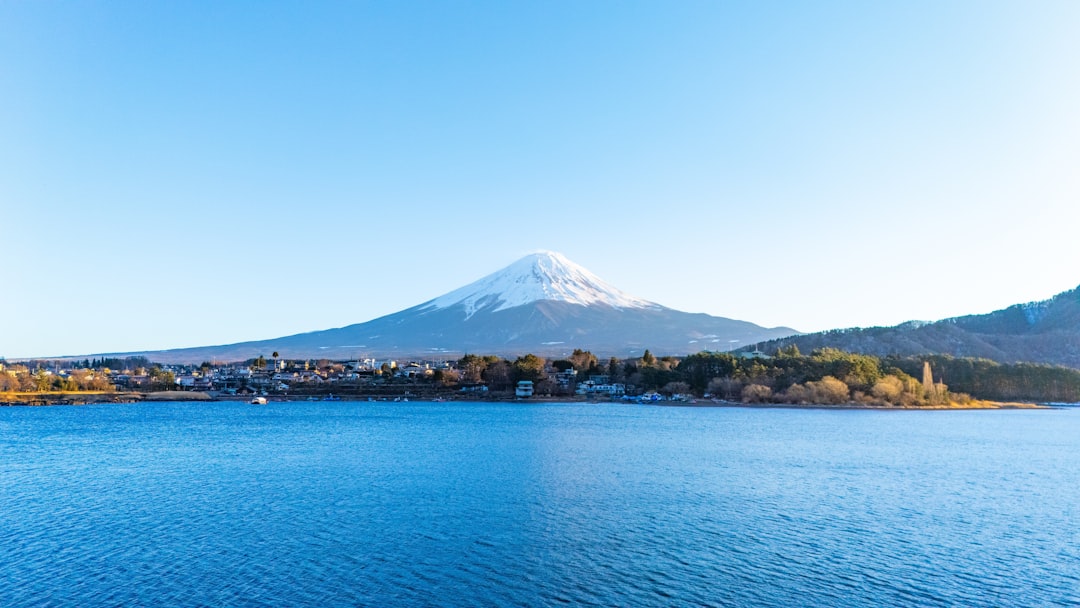
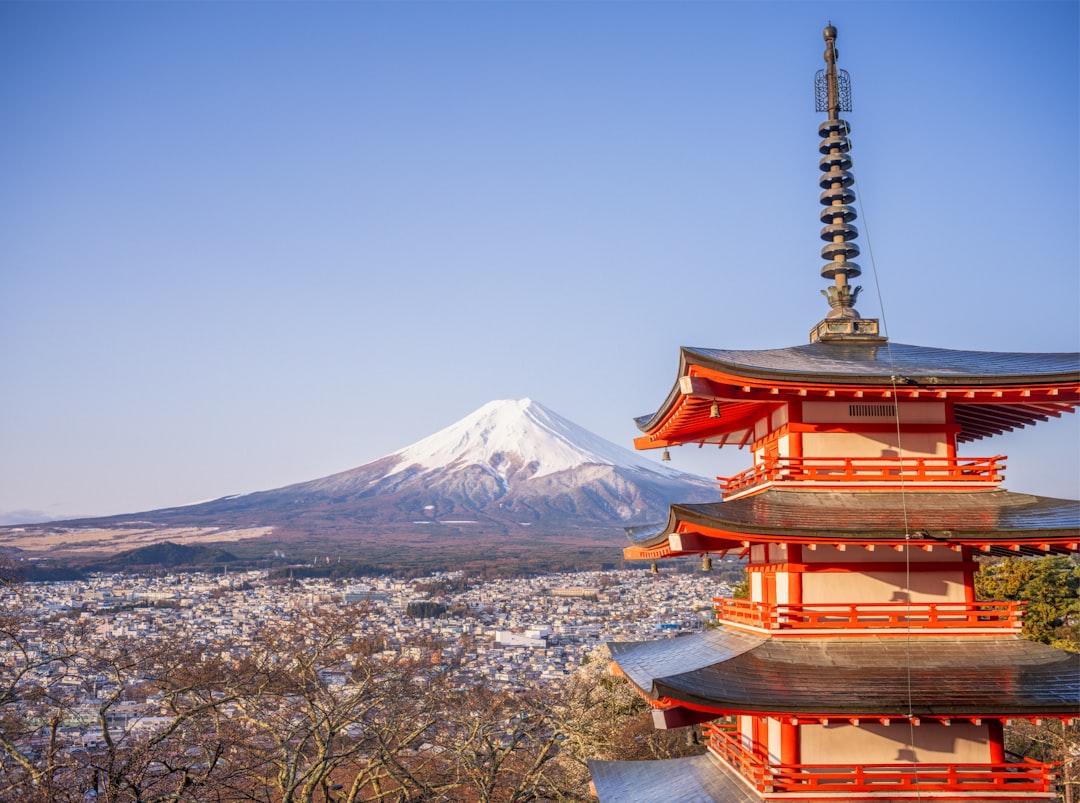
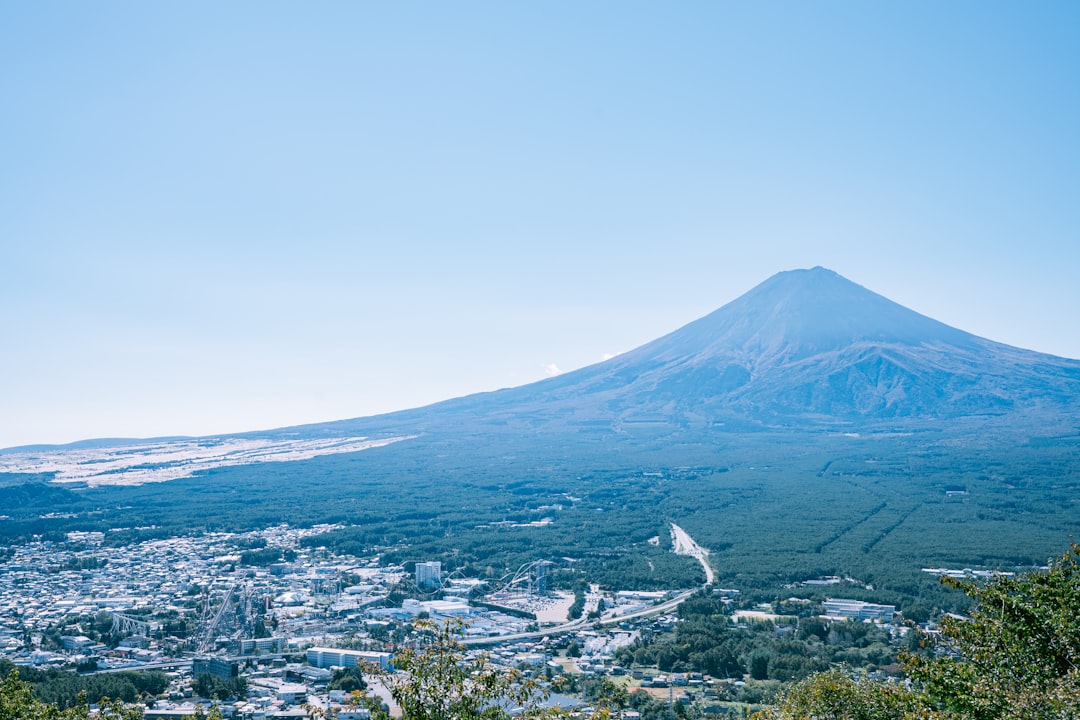
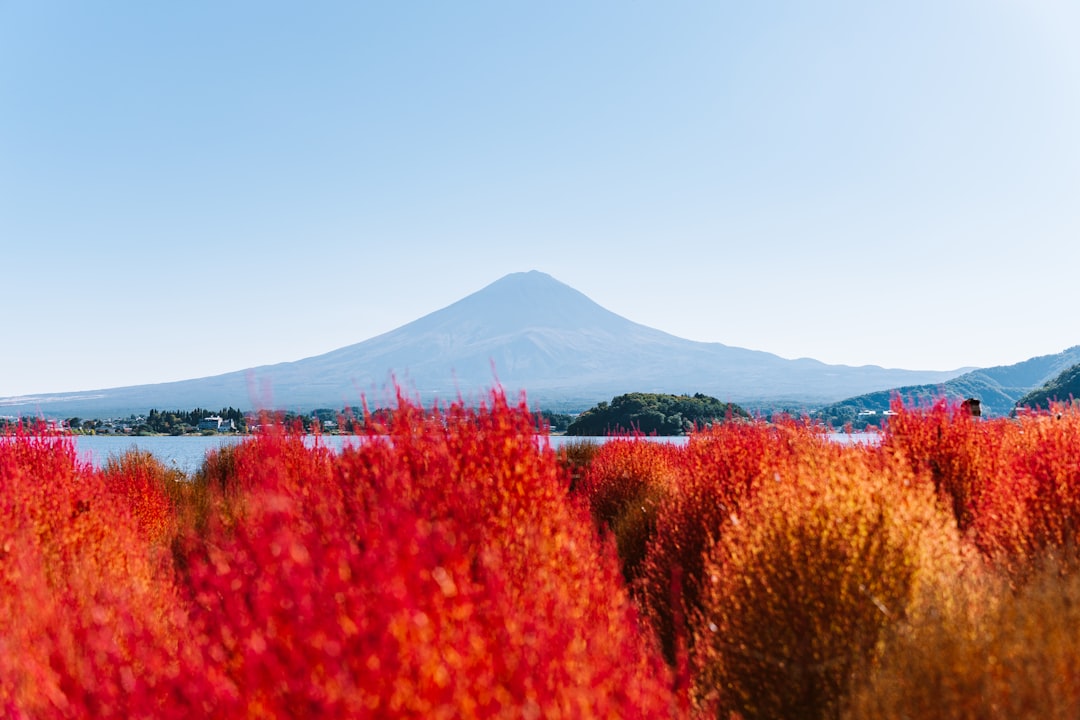
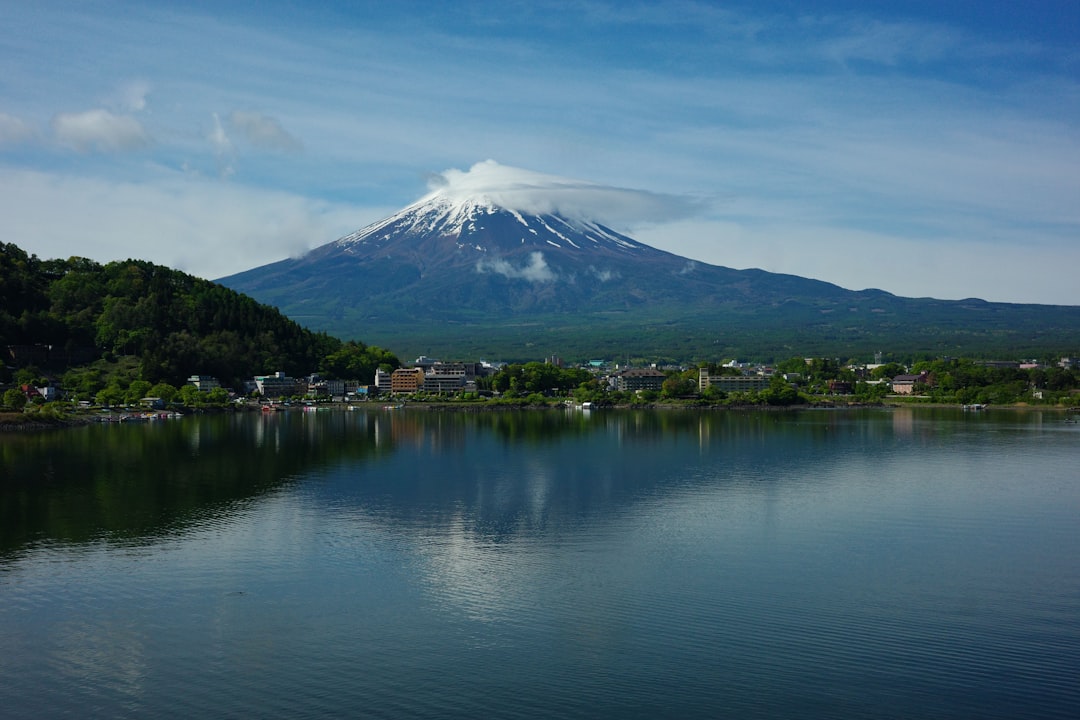
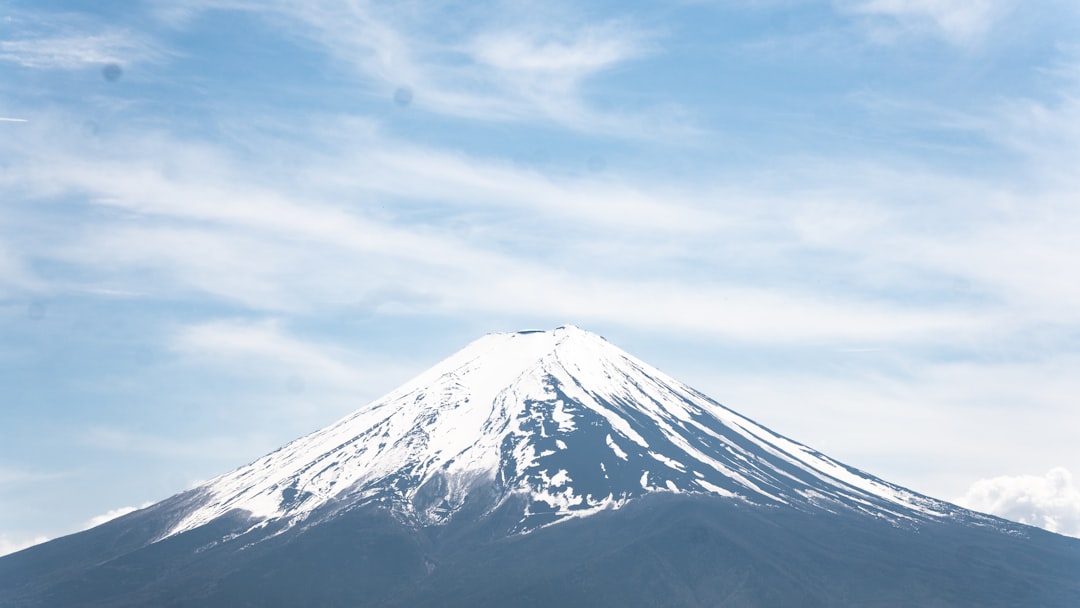
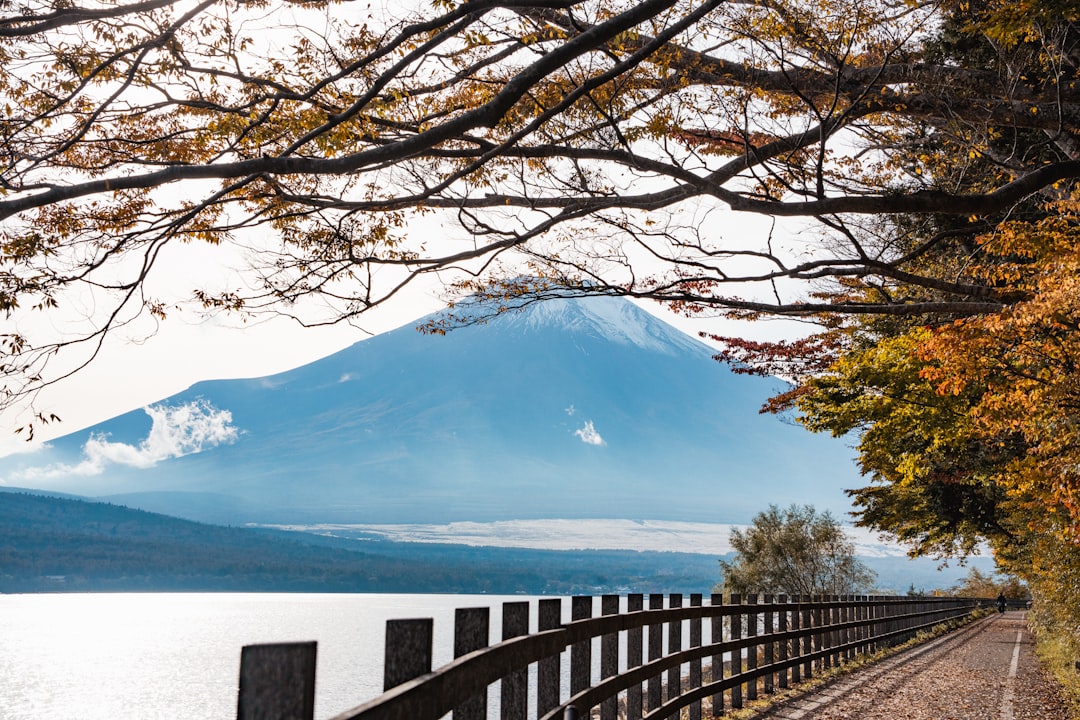
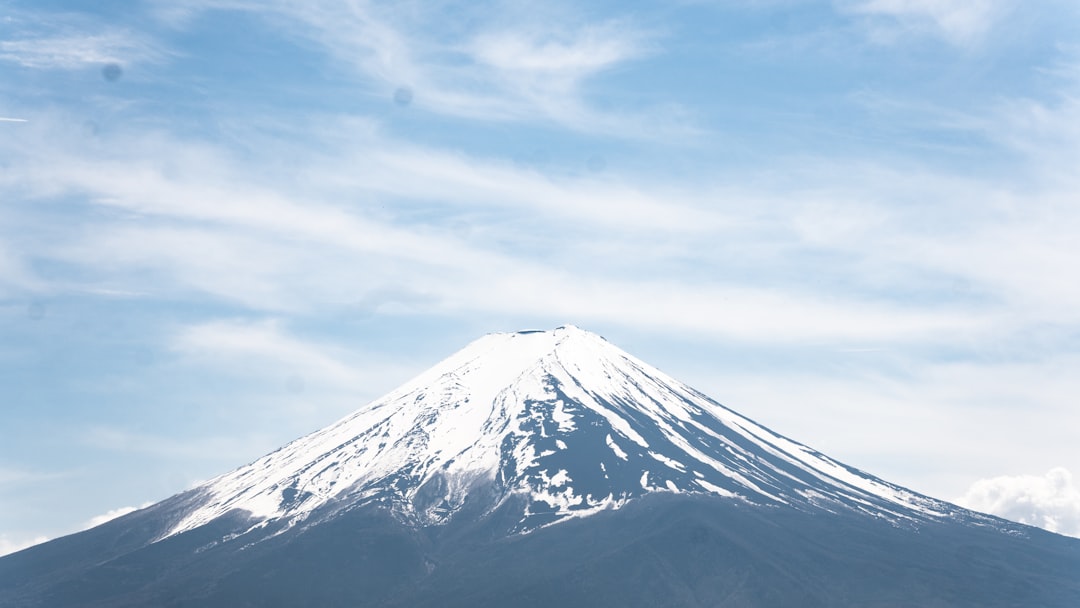
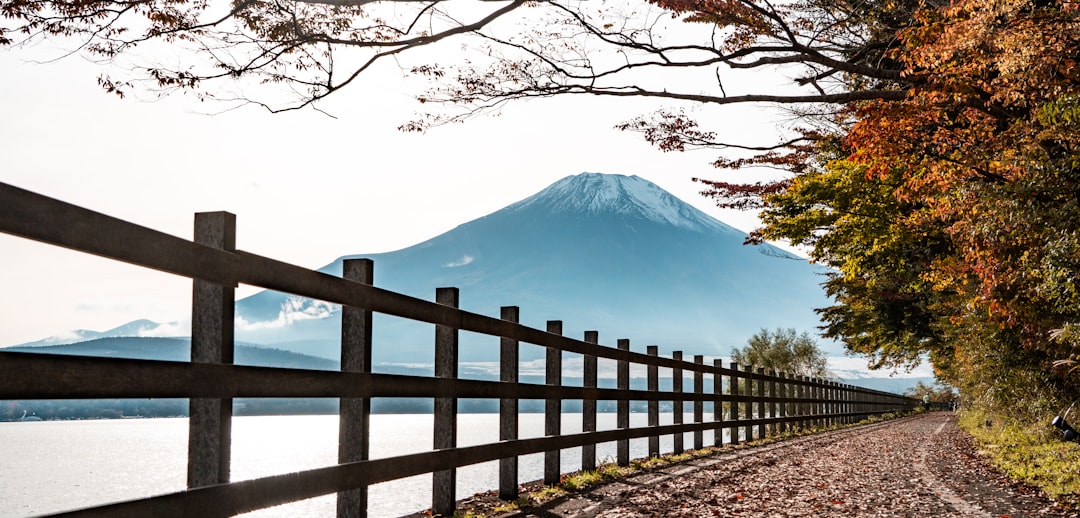
Mount Fuji: The Complete Guide to Climbing and Visiting
Japan's highest peak at 3,776m is the country's most iconic image and one of the world's most climbed mountains. This guide covers the four trails, climbing season, summit conditions, and the alternatives for those who prefer to admire from below.
Culture
Naoshima: Japan's Art Island
Naoshima is a small island in the Seto Inland Sea that has become one of the world's most significant sites for contemporary art — home to Tadao Ando-designed museums, site-specific installations, and art embedded into the village itself.
Tips · tokyo
Day Trips from Tokyo: The Complete Guide
Tokyo's position at the center of Japan's rail network makes it an ideal base for day trips. Nikko, Hakone, Kamakura, Yokohama, and Kawaguchiko are all within 90 minutes — each offering something the city cannot.
Culture · tokyo
Hama-Rikyū: Tokyo's Tidal Garden
Hama-Rikyū is a 250-acre former Tokugawa shogunate hunting ground and duck pond, now a public garden at the mouth of the Sumida River — a tidal landscape of ponds, teahouses, and pine-lined paths in the middle of the Tokyo waterfront, surrounded by the skyscrapers of Shiodome.
Culture · tokyo
Tokyo Imperial Palace and East Gardens
The Imperial Palace sits at the geographic and symbolic center of Tokyo — a 3.4 km² complex of moats, gates, and forested grounds in the middle of the city. The East Gardens are open daily; the inner grounds require advance reservation. A guide to what visitors can actually see and how to make the most of the moat walk.
Culture
Yakushima: Ancient Cedar Forest and UNESCO Wilderness
Yakushima is a mountainous island off the southern tip of Kyushu covered in ancient cedar forest — some trees over 2,000 years old. The island's core is a UNESCO World Heritage wilderness and the inspiration for the forest in Studio Ghibli's Princess Mononoke.
Itinerary · hiroshima
Hiroshima + Miyajima: The Complete 2-Day Guide
Hiroshima and Miyajima are 30 minutes apart by ferry and form the best two-day excursion in western Japan. The Peace Memorial is one of Japan's most important experiences; Miyajima is one of its most beautiful.
Tips
Photography in Japan: The Best Spots and When to Visit Them
Japan is one of the most photographed countries in the world and still offers genuinely fresh images if you know where to go and when. Beyond the famous postcard shots, here's where the real photography is.
Tips
Japan in Summer: Heat, Festivals, and How to Handle Both
Japanese summer runs from late June through September and is hot, humid, and full of matsuri, fireworks, and regional festivals that don't exist at any other time of year. It's also the least popular season among Western tourists, which has advantages.
Tips
Japan in Winter: Snow, Onsen, and the Off-Season Advantage
Winter is Japan's most underrated travel season. Fewer tourists, cheaper accommodation, snow landscapes in Hokkaido and Tohoku, illumination festivals across every city, and onsen at their best when the air is cold.
Culture
Japanese Gardens: The 12 Greatest and How to Read Them
A Japanese garden is not decoration — it's a philosophy expressed in rock, water, moss, and framing. Understanding what you're looking at changes the experience from 'pretty park' to something closer to a spatial argument.
Tips
Japanese for Travelers: What Actually Helps
You don't need to speak Japanese to travel in Japan. But knowing the right 30 words and phrases — and understanding how the language works — transforms your experience from navigation to engagement.
Culture · kanazawa
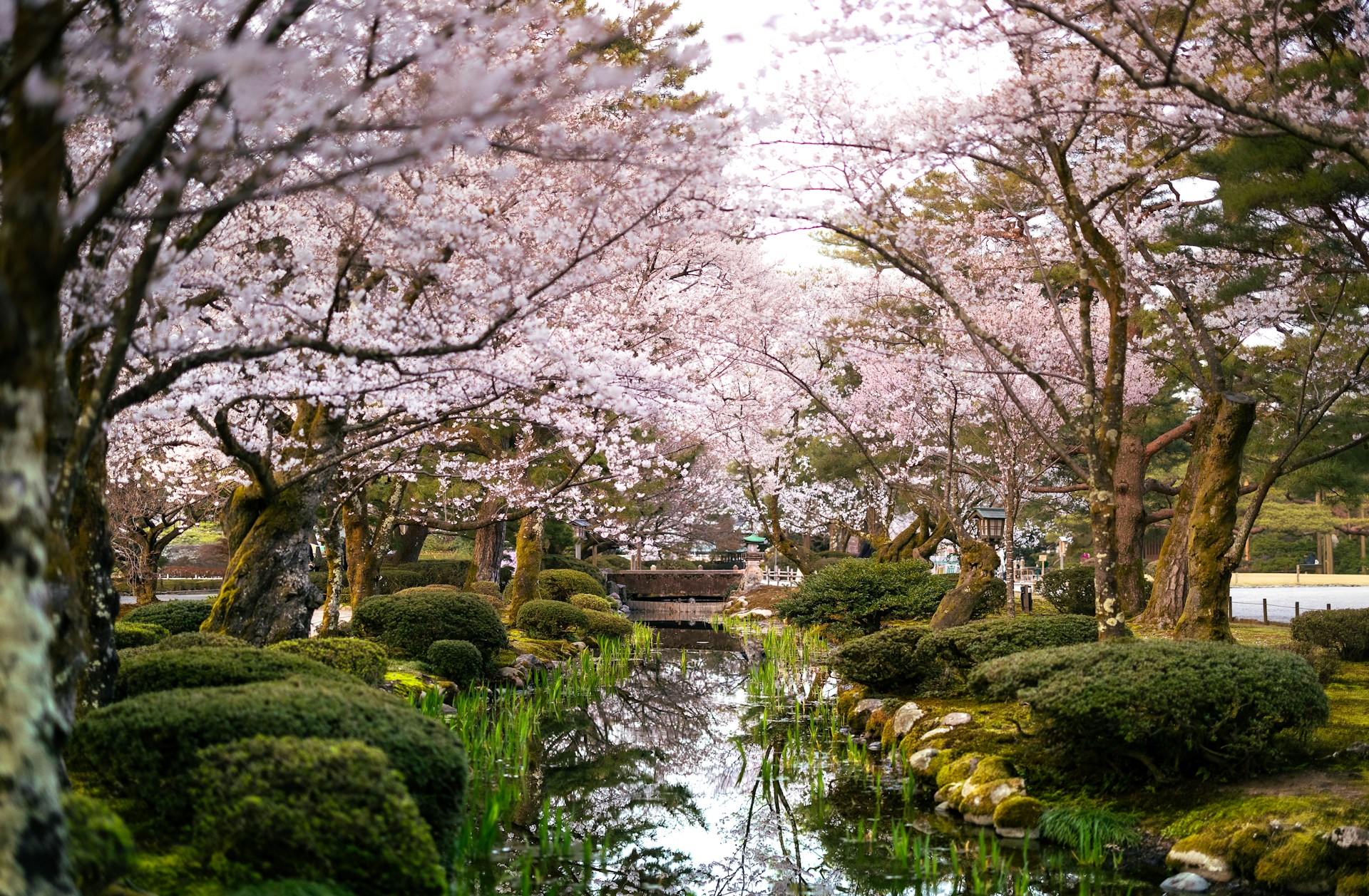
Kenroku-en and the Best of Kanazawa
Kanazawa has Japan's best preserved samurai and geisha districts, one of the three great gardens, a world-class contemporary art museum, and a food culture that rivals Kyoto. It's the most underrated city in Honshu.
Culture
Kobe: Port City, Beef, and a Different Kind of Japan
Kobe sits between mountains and sea with an international identity unlike any other Japanese city. The beef is the best in the country, the port district has European buildings, and the city operates at a pace that feels more relaxed than either Osaka or Kyoto.
Culture
Manga & Anime Japan: The Complete Culture Guide
Japan's manga and anime culture is not a subculture — it's a dominant form of storytelling with dedicated districts, museums, theme parks, and pilgrimage sites across the country. Here's how to engage with it seriously.
Culture · hiroshima
Miyajima: The Floating Torii Gate and What Surrounds It
Miyajima is one of Japan's three official 'scenic views' and it earns the designation. The floating torii of Itsukushima Shrine at high tide is among the most iconic images in the country. Here's how to see it properly.
Itinerary · osaka
3 Days in Osaka: The Right Way to Use Them
Three days is enough to understand Osaka without wearing it out. This itinerary gives you the iconic, the local, and the underrated — including a day trip to Nara that most Kyoto visitors miss.
Tips · osaka
Day Trips from Osaka: The 8 Best Excursions
Osaka is the perfect base for Kansai exploration. Kyoto, Nara, Kobe, Himeji, and several less-obvious destinations are all within 90 minutes. Here's how to use each day from Osaka most effectively.
Culture · osaka
Dotonbori & Namba: Osaka's Neon Heart
Dotonbori is the image that defines Osaka for the world — the glowing signs, the Glico running man, the canal. Namba is the neighborhood around it. Together they are the reason most visitors come south.
Culture · osaka
Shinsekai & Tennoji: Old Osaka's Last Quarter
Shinsekai was built to be modern and became something better — a time capsule of showa-era Japan, cheap kushikatsu, blowfish restaurants, and pachinko halls. The area around Tennoji gives it context.
Food · osaka
Osaka Street Food: The Definitive Eating Guide
Osaka's food identity isn't built on fine dining — it's built on affordable obsession. Takoyaki, kushikatsu, okonomiyaki, taiko manju, kare-pan. Here's where to eat, what to order, and why the city takes food more seriously than anywhere else in Japan.
Culture · osaka
Umeda & North Osaka: Where the City Works
Umeda is Osaka's business and transport center — a dense cluster of department stores, underground malls, towers, and the most complex station in Japan. It's not the soul of the city but it's the spine.
Culture
Sumo: How to Watch Japan's Ancient Sport
Sumo is one of Japan's oldest athletic traditions, ritualistic and technical in ways that aren't obvious from a distance. A tournament visit — or even understanding the sport properly — changes how you see the country.
Culture · tokyo
Ghibli Museum Mitaka: How to Get Tickets and What to Expect Inside
The Ghibli Museum in Mitaka is one of the hardest tickets to obtain in Japan and one of the most rewarding museum experiences in the country. Designed by Hayao Miyazaki himself as an architectural expression of the Studio Ghibli aesthetic, it is a building to get lost in — spiral staircases, hidden passages, the Cat Bus room for children, and the rooftop robot sentinel from Laputa. The ticket logistics require planning months ahead.
Tips
Capsule Hotels in Japan: What to Expect, Who They're For, and the Best Options
Capsule hotels are one of Japan's most distinctive accommodation inventions — sleeping pods stacked two-high in a shared dormitory floor, with shared bathrooms and communal facilities. They are efficient, surprisingly comfortable, and in the new generation of capsule hotels, genuinely well-designed. This is the complete practical guide.
Food
Izakaya: How to Navigate Japan's Pub Culture
The izakaya is Japan's most democratic institution — a pub-restaurant hybrid where food and drink arrive simultaneously, the menu covers dozens of small plates, and the atmosphere ranges from high-volume chain to intimate wooden counter. Understanding how izakaya work transforms a visit from fumbling to fluent. This is the complete guide.
Food
Ramen in Japan: The Complete Regional Guide
Ramen is Japan's most beloved comfort food and its most regionally diverse — the soup base, noodle thickness, toppings, and serving style vary dramatically between Sapporo, Hakata, Tokyo, Kyoto, and dozens of smaller cities with their own traditions. This is the guide to understanding the styles, ordering with confidence, and finding the best bowls in each region.
Food
Sake in Japan: A Traveler's Introduction to Nihonshu
Sake (nihonshu) is Japan's national drink — a brewed rice wine with a complexity that matches wine and a culture of regional production, seasonal brewing, and food pairing that rewards curiosity. This guide covers the essential categories, how to read a sake menu, where to drink it, and which regions to prioritize for sake experiences.
Tips
Shopping in Japan: Tax-Free, What to Buy, and the Best Stores
Japan is one of the world's great shopping destinations — for the quality of goods, the depth of category-specific retail, and the tax-free shopping system that returns up to 10% on qualifying purchases. This guide covers the tax refund process, what Japan is genuinely worth buying, and the store types that don't exist anywhere else.
Food
Sushi in Japan: Types, Etiquette, and the Full Spectrum from Kaiten to Omakase
Sushi in Japan ranges from ¥100 conveyor belt chains to ¥50,000 omakase counters, with genuine quality at every price point when you know where to look. This guide covers the types of sushi, how to eat at every format, the etiquette that makes a counter visit work, and what the best experiences at each budget level look like.
Food
Wagyu in Japan: Kobe, Matsusaka, Omi — The Regional Beef Guide
Wagyu — Japanese black cattle with extreme intramuscular fat marbling — is the most expensive beef in the world, and in Japan it is available at a range of price points that make the real thing accessible outside of a luxury restaurant. This guide covers the three great regional brands, how to actually eat wagyu, and where to find it at every budget.
Food
Yakitori in Japan: The Complete Guide to Grilled Chicken Culture
Yakitori — skewered chicken grilled over charcoal — is one of Japan's most democratic foods: available at every price point, from ¥150 izakaya skewers to ¥20,000 omakase yakitori counters. Understanding the cuts, the seasoning choices, and the culture of the yakitori-ya makes the difference between a meal and an experience.
Itinerary · kyoto
Kyoto 3-Day Itinerary: East, West, and North
Three days in Kyoto, structured by geography to minimize wasted transit time. Day 1 covers the eastern hills: Fushimi Inari at dawn, Kiyomizudera and Higashiyama. Day 2 covers the northwest: Kinkakuji, Ryoanji, Arashiyama. Day 3 covers the northeast and central: Ginkakuji, the Philosopher's Path, Nishiki Market, and Nijo Castle.
Culture · kyoto
Fushimi Inari-taisha: The Complete Guide to Kyoto's Thousand Torii Gates
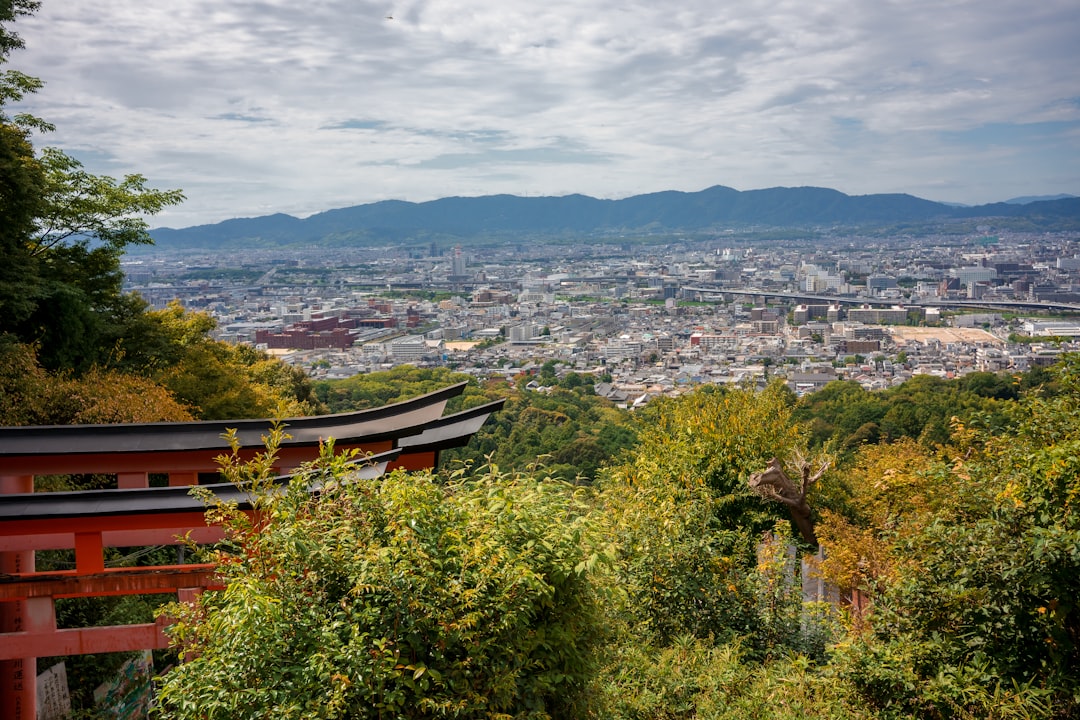
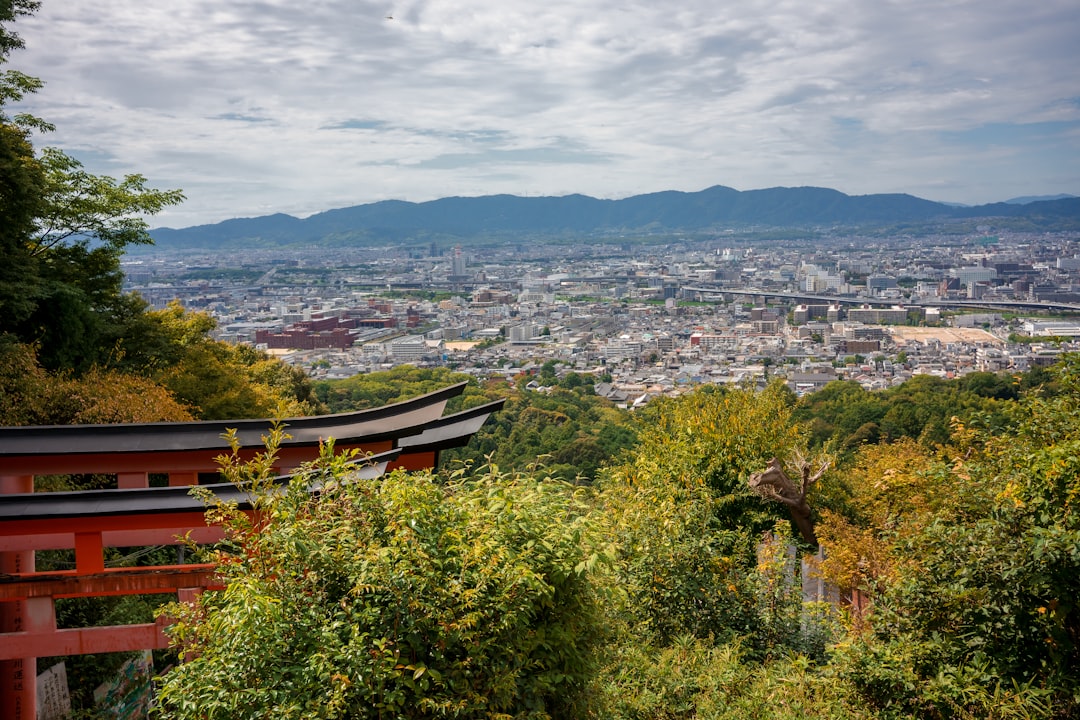
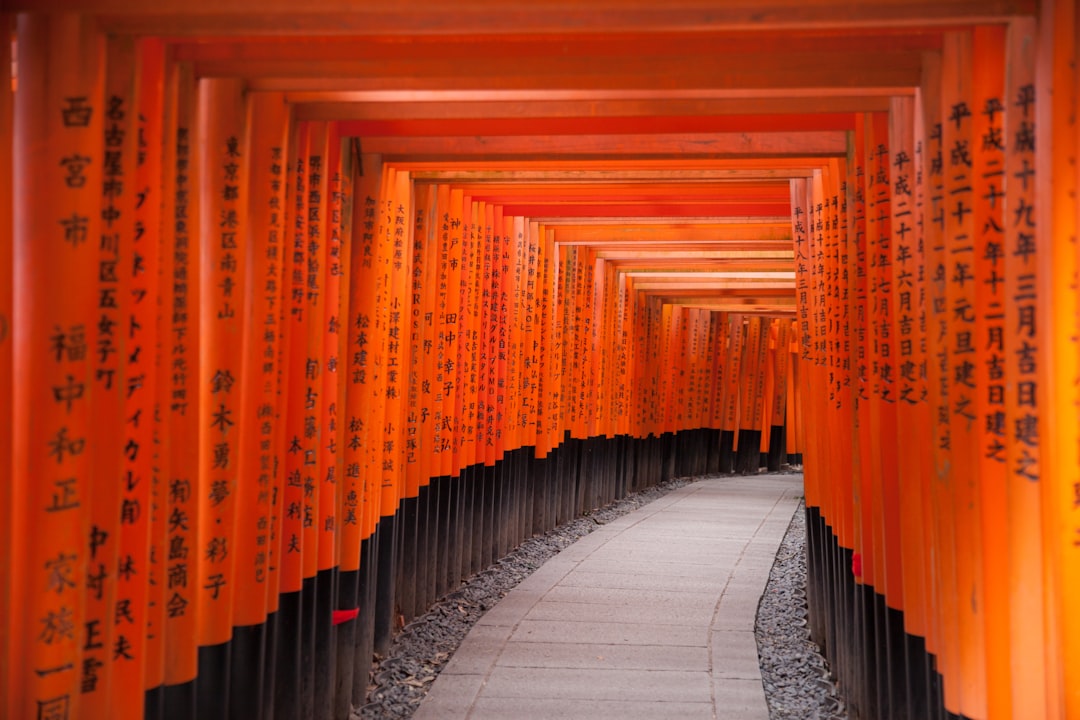
Fushimi Inari is one of the most photographed sites in Japan — the mountain shrine with thousands of vermilion torii gates winding up through a forested mountain south of Kyoto. The lower gates are always crowded; the upper mountain is often quiet. This guide covers how to visit, when to go, how far to hike, and what the shrine actually is.
Culture · kyoto
Ginkakuji and the Philosopher's Path: Kyoto's Eastern Hills Walk
Ginkakuji — the Silver Pavilion — was never actually silver, but the garden it anchors is one of the finest in Japan. The Philosopher's Path, a 2-kilometer canal walk connecting Ginkakuji to Nanzenji through a canopy of cherry trees, is the best walking route in Kyoto. This guide covers both the temple and the walk.
Culture · kyoto
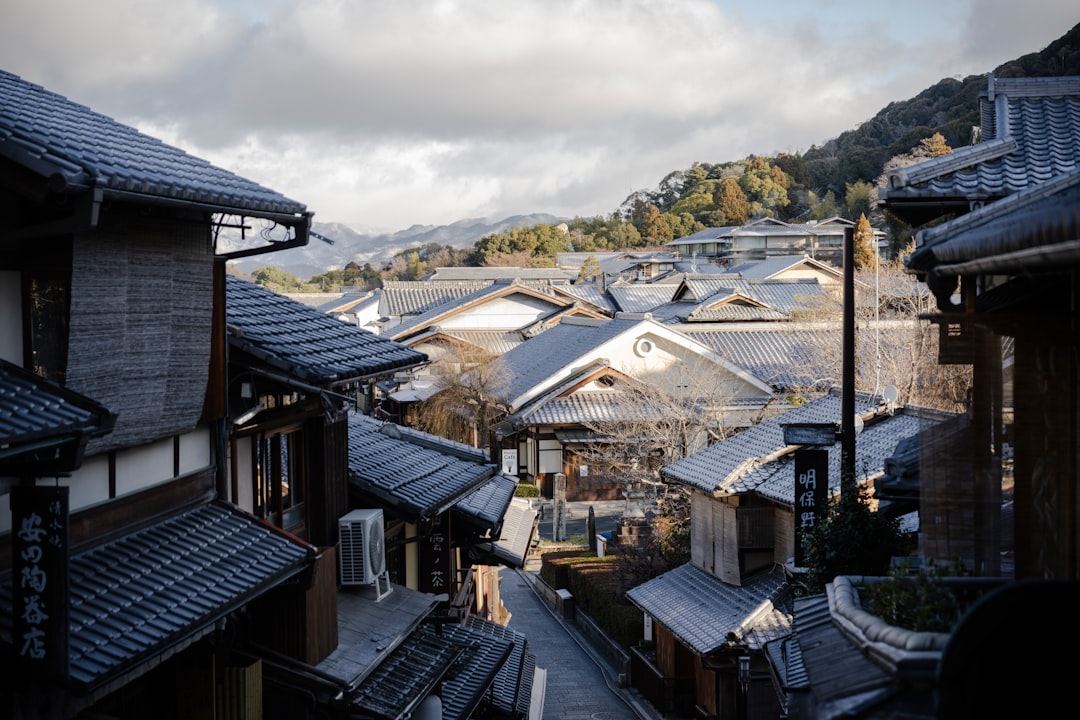
Higashiyama Walk: Sannenzaka, Ninenzaka, and Kyoto's Preserved Historic Streets
The Higashiyama district is the most intact historic streetscape in Japan — stone-paved lanes lined with Edo and Meiji-period wooden townhouses running between Kiyomizudera to the north and Yasaka Shrine to the south. Walking the full Higashiyama circuit, from the southern Gion end to the Kiyomizudera approach, is the single best walk in Kyoto.
Culture · kyoto
Kinkakuji: The Golden Pavilion of Kyoto
Kinkakuji — the Golden Pavilion — is one of Japan's most recognizable buildings and, for most of its history, the most controversial. The three-storey pavilion covered in gold leaf standing beside its reflection pond is the defining image of Muromachi-period Kyoto. This guide covers what makes it worth visiting, how to do it without the worst crowds, and what else is in the surrounding district.
Culture · kyoto
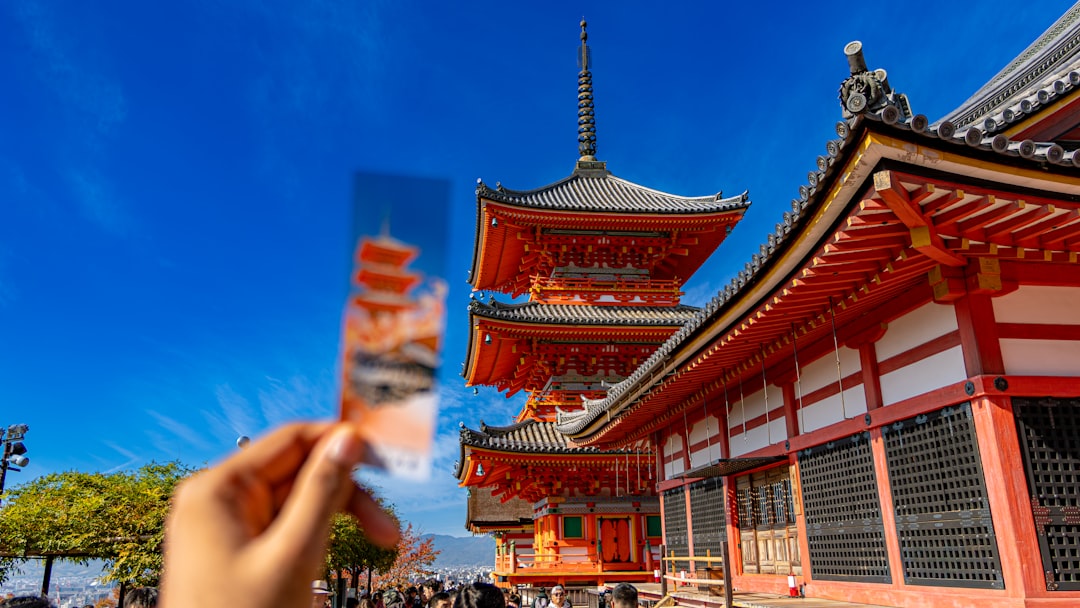
Kiyomizudera: The Hillside Temple Above Kyoto
Kiyomizudera is Kyoto's most visited temple — a wooden complex built into the eastern hills, with the famous main hall veranda extending over the hillside on 139 wooden pillars, and the Otowa waterfall below feeding three channels with different blessings. The approach through Higashiyama's preserved historic streets is as significant as the temple itself.
Culture · kyoto
Nanzenji: Kyoto's Great Zen Complex with an Unlikely Aqueduct
Nanzenji is one of the most important Zen temple complexes in Japan — a sprawling compound at the foot of the Higashiyama mountains with a massive sanmon gate, several sub-temples with excellent gardens, and the incongruous sight of a Meiji-era brick aqueduct running through the middle of the historic precinct. It is also the southern anchor of the Philosopher's Path.
Food · kyoto
Nishiki Market: Kyoto's Kitchen in 400 Meters
Nishiki Market is the covered market running parallel to Shijo-dori in central Kyoto — approximately 100 vendors in 400 meters selling pickled vegetables, yuba, seasonal Kyoto produce, mochi, and the preserved foods that define the city's culinary identity. It has operated as a food market since the Edo period. This is how to navigate it and what to eat.
Culture · kyoto
Ryoanji: Kyoto's Famous Rock Garden
Ryoanji is home to Japan's most famous rock garden — 15 stones arranged in raked gravel within a walled rectangular space that has been the subject of interpretation for over 500 years. No one agrees on what it means. The garden requires patience; the reward is a space that changes with sustained attention in a way that no photograph communicates.
Culture · tokyo
teamLab in Tokyo: Borderless and Planets — What to Expect and How to Book
teamLab operates two major immersive art venues in Tokyo — teamLab Planets (Toyosu) and the relocated teamLab Borderless (Azabudai Hills). Both are permanent installations that attract more than a million visitors per year. This guide covers what each venue actually contains, the practical booking logistics, and which one to prioritize.
Itinerary · tokyo
Tokyo 3-Day Itinerary: The Essential First-Timer's Guide
Three days in Tokyo, structured to cover the essential neighborhoods and experiences without covering so much ground that nothing registers. The itinerary is organized by geography to minimize transit time — each day stays in one part of the city and covers the adjacent neighborhoods on foot.
Culture · tokyo
Tokyo Daikanyama: Bookshops, Boutiques, and the Quieter Side of Shibuya
Daikanyama is the neighborhood Tokyo's creative class chose when it could afford to. A 10-minute walk from Shibuya — but architecturally and atmospherically a different city — it has the best bookshop in Tokyo, the highest concentration of independent clothing boutiques in the western part of the city, and a residential calm that makes it one of the most pleasant neighborhoods to spend an afternoon.
Culture · tokyo
Tokyo Ginza: Art, Architecture, and the World's Most Expensive Shopping District
Ginza is Tokyo's most prestigious commercial district — the address where Japanese luxury, international fashion houses, art galleries, and the city's finest depachika coexist on a grid of wide boulevards. It is also genuinely beautiful to walk, especially on weekends when the main avenue closes to traffic.
Culture · tokyo
Tokyo Koenji: Antiques, Subculture, and the City's Most Authentic Shotengai
Koenji is where Tokyo's counterculture settled when Shimokitazawa got expensive. The neighborhood has the city's best antique furniture and vintage clothing markets, a dense shotengai (covered arcade) that has barely changed in 40 years, a thriving live music scene, and a population that has actively resisted the gentrification reshaping the rest of western Tokyo.
Culture · tokyo
Tokyo Marunouchi and Yurakucho: Business District by Day, Food Underground by Night
Marunouchi is Tokyo's financial heart — the corporate district between Tokyo Station and the Imperial Palace moat. But the underground malls beneath the office towers, the architecture of the Mitsubishi Ichigokan area, the brick Marunouchi Building complex, and the Yurakucho yakitori and izakaya district under the elevated tracks make this one of the most rewarding areas in Tokyo for those who look beyond the corporate surface.
Culture · tokyo
Tokyo Nakameguro: Canal Walks, Cherry Blossoms, and the Best Cafés in Tokyo
Nakameguro is Tokyo at its most walkable and most curated — a canal lined with independent boutiques, cafés, and restaurants, running through a residential neighborhood that has become the city's most desirable address for design-conscious visitors. The Meguro River is Tokyo's best cherry blossom walk. The surrounding streets are the best concentration of independent retail in the city.
Culture · tokyo
Tokyo Roppongi: World-Class Art Museums and a Neighborhood That Never Sleeps
Roppongi has two identities that coexist without fully reconciling: one of Tokyo's most important art districts (three major museums within a 10-minute walk) and one of its most active nightlife zones. The art side — Mori Art Museum, the National Art Center, and 21_21 Design Sight — is genuinely world-class. Both sides are worth understanding.
Culture · tokyo
Tokyo Shibuya: The Complete Neighborhood Guide
Shibuya is Tokyo's most kinetic neighborhood — the crossing, the youth fashion district, the department stores, the entertainment venues, and the layered hilltop streets above the station. This is the complete guide to one of the world's most recognizable urban intersections and everything around it.
Culture · tokyo
Tokyo Shimokitazawa: Vintage Shops, Live Music, and Indie Culture
Shimokitazawa is Tokyo's most distinctly un-Tokyo neighborhood — no skyscrapers, no chain stores dominating, no corporate scale. Instead: a dense grid of vintage clothing shops, live music venues, small theaters, and cafés built at human scale. It is the closest thing Tokyo has to a neighborhood that resisted modernization on purpose.
Culture · tokyo
Tokyo Skytree: Observation Decks, Solamachi, and the Best Views in Tokyo
Tokyo Skytree is the world's tallest tower at 634 meters and the best elevated viewing platform in Tokyo. The Tembo Deck at 350 meters and the Tembo Galleria at 450 meters offer unobstructed 360-degree views across the Kanto Plain on clear days. The Solamachi commercial complex at the base is one of Tokyo's better shopping and food destinations.
Transport · tokyo
Tokyo Subway and Train Guide: How to Navigate the World's Most Complex Transit System
Tokyo's train and subway network is the largest in the world — 48 lines, over 900 stations, and a daily ridership of 40 million. It is also remarkably navigable once you understand the structure. This guide covers the IC card system, the main lines, how to transfer, and the practical knowledge that makes the difference between getting lost and getting anywhere.
Food · tokyo
Tokyo Tsukiji: The Outer Market, the Food Culture, and What Remains
Tsukiji's famous tuna auctions moved to Toyosu in 2018, but the Outer Market — the 400-meter strip of food stalls, sushi counters, knife shops, and wholesale suppliers surrounding the old inner market site — remains one of Tokyo's most atmospheric food experiences. This is the guide to what's still here, what's worth doing, and how the market actually works today.
Culture · tokyo
Tokyo Ueno: Museums, Cherry Blossoms, and Ameyoko Market
Ueno is Tokyo's cultural and natural history district — a park with five major museums, a zoo, a concert hall, a shrine, and a pond, all within walking distance of the city's most atmospheric outdoor market. It is also Tokyo's most famous cherry blossom location and the first neighborhood many travelers encounter after arriving at Ueno Station.
Culture
Beppu: Japan's Onsen Capital and the Nine Hells
Beppu is Japan's largest hot spring resort city — a coastal city in Oita Prefecture that produces more onsen water than anywhere else in the country, with over 2,000 hot springs across the city. The Nine Hells (Jigoku Meguri) — volcanic pools of boiling water in vivid reds, blues, and milky whites — are the most famous sight; the sand baths, the mud baths, and the sheer density of steam rising from every corner of the city are the experience.
Culture
Goshuincho: The Japanese Temple Stamp Book
A goshuincho is a book of handwritten stamps and calligraphy collected from shrines and temples across Japan. Each goshuin is a unique piece of calligraphy produced on the spot by a priest or monk — part record, part art, part spiritual souvenir. It is one of the most distinctive practices in Japanese religious culture, and one of the most accessible for visitors.
Culture
Himeji Castle: Japan's Greatest Feudal Fortress
Himeji Castle is the largest and most complete castle complex in Japan — a National Treasure, a UNESCO World Heritage Site, and the primary reference for what Japanese castle architecture actually looked like at its peak. The original 1609 white-plastered wooden tower has never burned, never been destroyed, and never been significantly rebuilt. This is the one.
Culture
Iwakuni: The Kintai Bridge and the White Snakes
Iwakuni is a small city between Hiroshima and Shimonoseki on the San'yo coast, notable for two specific things: the Kintai-kyo bridge — a 1673 wooden arch bridge of extraordinary engineering and beauty — and the sacred albino snakes (*shiro hebi*) that live only in Iwakuni and are designated a national natural treasure. Both are accessible as a half-day from Hiroshima.
Tips
Japan's Convenience Stores: The Essential Guide
Japanese convenience stores — 7-Eleven, FamilyMart, and Lawson — are not what convenience stores are in other countries. They are food operations, payment centers, package shipping hubs, travel booking services, and ATMs all in one. Understanding what they can do is one of the most practically useful things a Japan visitor can know.
Food
Eating Through Japan's Four Seasons
Japanese cuisine is organized around the concept of shun — the peak season for each ingredient, when it tastes best and should be eaten. Each month brings specific fish, vegetables, and preparations that are only right at that moment. This is the guide to what to eat when, and why it matters.
Culture · kyoto
Arashiyama: Kyoto's Bamboo and River District
Arashiyama is the western mountain district of Kyoto — the bamboo grove, the Oi River, the Tenryu-ji temple garden, the monkey park, the Jojakko-ji moss staircase, and the hidden approach through Sagano's lanes. It is the most visited area outside central Kyoto, and the most rewarding when approached with time and the right order of sites.
Culture · kyoto
Kyoto's Gion District: Walking the Geisha Quarter
Gion is Kyoto's most famous hanamachi — the historic district of ochaya teahouses and okiya geisha houses along the Shirakawa canal and Hanamikoji Street. It is the best-preserved entertainment district from the Edo period in Japan, and the place where, with some patience and the right streets at the right hours, you can still encounter a maiko or geiko in transit between appointments.
Culture · kyoto
Uji: Kyoto's Matcha Capital and the Byodoin
Uji is a small city 20 minutes south of Kyoto that produces Japan's finest matcha, contains one of the most photographed buildings in the country (the Byodoin Hoodo), and has an entire riverside street dedicated to tea. It is one of the best half-day escapes from Kyoto's crowds.
Culture
Matsue and Izumo Taisha: Japan's Mythological Coast
Matsue is a castle town on Lake Shinji with the only original wooden castle keep in western Japan, an extraordinary local cuisine based on the lake's seven treasures, and an unexpectedly dense literary tradition. 40 minutes west, Izumo Taisha is Japan's oldest shrine — the home of the god of relationships, where all the gods of Japan gather for one month each year. Together they form the most compelling two-day itinerary in western Honshu.
Culture
Onomichi: The Hillside City and the San'yo Coast
Onomichi is a small port city on Hiroshima Prefecture's Seto Inland Sea coast — a hillside town with 25 temples connected by a steep path, narrow lanes where cats live on walls and in temple gardens, and a specific atmosphere that Japanese filmmakers and novelists have returned to for a century. It is the starting point for the Shimanami Kaido cycling route and one of the best single-day destinations on the western Honshu coast.
Tips
Onsen Etiquette: How to Bathe in Japan (Including the Tattoo Question)
Japanese hot spring bathing has specific rules that aren't posted in English at most onsen. Getting them wrong is genuinely awkward. Getting them right allows you to use one of the best things Japan offers — communal hot spring bathing in century-old traditions — without incident. This guide covers everything, including what to do if you have tattoos.
Culture
Otaru: Hokkaido's Canal Town
Otaru is a former herring fishing and trading port on the Sea of Japan coast, one hour from Sapporo. The preserved Meiji-era stone warehouses along the canal, the glass workshops producing handblown objects in the old style, and the most concentrated sushi scene outside Tokyo make it the most rewarding single day trip from Hokkaido's capital.
Culture
Samurai Japan: Where to Experience the Warrior Class
The samurai were Japan's military aristocracy from the 10th through 19th centuries — a ruling class that produced both sophisticated aesthetics (tea ceremony, landscape gardens, poetry) and a culture of martial discipline that still shapes how Japan thinks about excellence, craft, and commitment. Here is where the history is most legible, most preserved, and most worth experiencing.
Culture
Sapporo: Hokkaido's Capital City
Sapporo is the fifth-largest city in Japan and the capital of Hokkaido — a planned Meiji-era city with an American-style grid, an extraordinary food scene built on Hokkaido's dairy, seafood, and agriculture, and the Yuki Matsuri (Snow Festival) that transforms the city every February with ice sculptures the size of buildings. It is the base for exploring Hokkaido and a significant destination in its own right.
Transport
Seishun 18 Kippu: Japan's Cheapest Way to Travel by Train
The Seishun 18 Kippu is a special JR ticket that allows unlimited travel on local and rapid JR trains across all of Japan for ¥12,050 — spread across 5 days of use. It is slow, requires patience, and produces the most interesting cross-sections of Japan you'll find from any transport option. Here is exactly how it works.
Culture
Shimanami Kaido: Cycling Across the Seto Inland Sea
The Shimanami Kaido is a 70 km series of bridges and expressways connecting Onomichi (Hiroshima Prefecture) to Imabari (Ehime, Shikoku) across six islands in the Seto Inland Sea. It is the only road route between Honshu and Shikoku open to cyclists and pedestrians — and widely considered one of the best cycling routes in the world.
Culture
Shinto and Buddhism in Japan: What You're Actually Looking At
Japan has two primary religious traditions — Shinto and Buddhism — that have coexisted, merged, and distinguished themselves over 1,400 years. Understanding the difference between a shrine and a temple, what the architectural elements mean, and how to behave at each changes what visiting Japan's sacred sites feels like. This is the guide.
Culture
Tohoku: Matsushima, Yamadera, and Japan's Quiet Northeast
Tohoku is Japan's northeastern region — the six prefectures of Aomori, Iwate, Miyagi, Akita, Yamagata, and Fukushima that together contain some of the country's most significant natural scenery, oldest pilgrimage mountains, and least-visited castles and historic sites. Matsushima Bay (one of Japan's 'Three Views'), Yamadera mountain temple, and the Dewa Sanzan mountain circuit are the anchors of a region that rewards anyone willing to go beyond Kyoto and Tokyo.
Culture · tokyo
Akihabara: Tokyo's Electric Town
Akihabara started as a postwar black market for radio parts and grew into the world's densest concentration of electronics stores, anime merchandise, manga, and gaming culture. It is simultaneously a working electronics district and the physical center of otaku culture — two things that coexist in a way that makes the neighborhood unlike anywhere else in Tokyo.
Culture · tokyo
Odaiba: Tokyo's Artificial Island
Odaiba is a man-made island in Tokyo Bay — a 1990s urban development project that became an entertainment and shopping district unlike anywhere else in central Tokyo. The views back to the city skyline, the life-size Gundam statue, teamLab's digital art installations, and the uncanny urbanism of a planned island city make it worth the trip across the Rainbow Bridge.
Food · tokyo
Shin-Okubo: Tokyo's Koreatown
Shin-Okubo is Tokyo's Korean neighborhood — a dense commercial district a 5-minute walk from Shinjuku with Korean restaurants, K-pop merchandise shops, Korean grocery stores, and a specific atmosphere that doesn't exist anywhere else in the city. It has also evolved into a broader Asian food district with growing Thai, Bangladeshi, and Southeast Asian presence.
Culture · tokyo
Yanaka: Tokyo's Most Intact Old Neighborhood
Yanaka is the district in northern Tokyo that survived the 1923 earthquake and the World War II firebombings largely intact — a neighborhood of narrow lanes, wooden machiya houses, family temples, craft workshops, and a working shopping street that looks and operates closer to 1960s Tokyo than to Shibuya. It is the best place in the city to understand what Tokyo was before it became what it is.
Culture
Tottori: Japan's Sand Dunes and the San'in Coast
Tottori is Japan's least populous prefecture and contains something that exists nowhere else in the country: a genuine sand dune system on the Sea of Japan coast. The Tottori Sand Dunes stretch 16 km along the coast and rise up to 90 meters — an undeniably strange landscape in a country defined by mountains, rice paddies, and dense cities. With the San'in Kinosakinoseki coastline and proximity to Matsue, it forms one of Japan's most undervisited routes.
Food
Fukuoka: Japan's Most Underrated City
Fukuoka is the entry point to Kyushu and, by most measures, the most liveable city in Japan. It is also the home of tonkotsu ramen, outdoor food stalls on the river, and access to some of the most interesting landscapes in the country. Here is why it deserves more than a stopover.
Culture
Geisha: What They Actually Are and How to Encounter Them
Geisha are not what most tourists think they are. This is what the profession actually involves, where the active districts are, how to see working geisha and maiko without intruding, and what distinguishes a real practitioner from the cosplay transformation services that most visitors encounter instead.
Culture
Hakone: Fuji Views, Hot Springs, and the Art of Doing Nothing
Hakone is 90 minutes from Tokyo and a complete decompression — volcanic mountains, open-air sculpture, a ropeway over sulfur vents, and onsen ryokan where the only obligation is to be in hot water before breakfast. Here is how to organize it.
Culture · hiroshima
Hiroshima and Miyajima: What to Expect When You Go
Hiroshima is not defined by what happened to it — it is defined by what it did afterward. This guide covers the Peace Memorial, the island shrine of Miyajima, and how to move through both with the right amount of time.
Culture
Hokkaido: Japan's Wild North
Hokkaido is Japan at a different scale — wider, colder, less crowded, and with a nature intensity that the rest of the country simply doesn't have. National parks, ski resorts, ramen, dairy products, and the ghost of the Ainu civilization. Here is how to approach it.
Culture
Ise Jingu: Japan's Most Sacred Shrine
Ise Jingu is the most important Shinto shrine in Japan — the home of Amaterasu, the sun goddess from whom the imperial family claims descent. The buildings are rebuilt completely every 20 years using the same ancient techniques. Nothing in Japan is older or more deliberately renewed.
Culture
Japan's Autumn Foliage (Momiji): Where to Go and When
Japan takes autumn color as seriously as cherry blossoms — illuminated night gardens, precise weekly forecasts, and specific trees that have been drawing visitors for centuries. This is how to plan around it, where the best spots are, and why it is worth the effort.
Tips
Japan on a Budget: What Things Actually Cost and How to Spend Less
Japan has a reputation for being expensive. That reputation is partially accurate and partially not. The things that are expensive (ryokan, omakase sushi, department stores) are expensive. The things that are cheap (convenience stores, ramen, public transport, temple admission) are genuinely cheap. Here is how to navigate the difference.
Culture
Japanese Castles: The Real Ones and Why They Matter
Japan has 12 surviving original castle keeps from the feudal period. The rest are reconstructions — concrete, built after World War II or during the Meiji period. Knowing which is which changes how you visit them. Here are the ones worth seeking out and what to understand about them.
Culture
Japanese Festivals (Matsuri): The Complete Calendar
Japan has over 300,000 festivals per year. Most are local, small, and invisible to travelers. The ones worth planning around are specific — a specific date, a specific place, a specific form of something that doesn't exist anywhere else. This is the calendar you need.
Culture
Onsen in Japan: How They Work and Where to Go
Japan has over 27,000 hot spring sources and a bathing culture that goes back more than a thousand years. This is what onsen actually are, the etiquette you need before you strip down, and the specific places worth traveling to for them.
Tips
Japan Travel Practical Guide: Visas, SIM Cards, Money, and Everything Else
The unglamorous part of traveling to Japan — entry requirements, how to get a SIM card or pocket Wi-Fi, how cash and cards actually work, what to pack, and how to handle the things that go wrong. Updated for current conditions.
Food
What to Eat in Japan: A Practical Guide to Japanese Food
Japan has more culinary depth per square kilometer than almost anywhere on Earth. This is what to eat, how to order it, what the regional differences actually mean, and why convenience stores are not a compromise.
Culture
Kagoshima and Sakurajima: The City Under the Volcano
Kagoshima sits across a bay from an active volcano that has been erupting continuously since 1955. Ash falls on the city regularly. Residents check the wind direction before doing laundry. The city functions normally and is one of the more interesting places in Japan — warm, subtropical, with strong historical identity and excellent food.
Culture
Kamakura: Great Buddha, Sea Views, and Temple Circuits
Kamakura was Japan's de facto capital in the 13th century, and the temples and statues from that period are still there — set into forested hills above the Pacific coast. An hour from Tokyo, compact enough to walk between sites, and very different from Kyoto's kind of old.
Culture
Koyasan: Sleeping in a Buddhist Temple on a Sacred Mountain
Koyasan is the headquarters of Shingon Buddhism — a mountain temple complex founded in 816 by the monk Kukai, with 117 temples, an ancient cemetery the size of a forest, and the possibility of staying overnight in a working monastery. Two hours from Osaka. Completely unlike anywhere else in Japan.
Culture
Kumano Kodo: Pilgrimage Trails of the Kii Peninsula
The Kumano Kodo is a network of ancient pilgrimage roads in the Kii Mountains south of Osaka, leading to three grand shrines revered for over a thousand years. It is the only pilgrimage route in the world that shares UNESCO World Heritage status with another — the Camino de Santiago. Here is how to walk it.
Culture · kyoto
Kyoto: The Complete Travel Guide
Kyoto is the city Japan preserved when it modernized everything else. Seventeen UNESCO sites, five geisha districts, and a thousand years of Buddhist and Shinto architecture — all still functional, all still inhabited. Here is how to move through it without making the mistakes most visitors make.
Culture
Matsuyama and Dogo Onsen: Shikoku's Best City
Matsuyama has the oldest onsen in Japan, one of the few surviving original castle keeps in the country, and a pace that feels nothing like the mainland. It's the right introduction to Shikoku — an island that operates on different assumptions about what travel is for.
Culture
Nagasaki: Where Japan Faced the World
Nagasaki was Japan's only legal port of contact with the outside world for 200 years — the place where Dutch traders, Chinese merchants, and the Catholic faith entered a country officially closed to everything foreign. Then, on August 9, 1945, it was the second city destroyed by an atomic bomb. Both histories are still present.
Food
Nagoya: Ghibli, Castles, and Food Nobody Talks About Enough
Nagoya is Japan's fourth-largest city and its most under-visited by international travelers. It has the best-preserved castle in Japan, its own deeply specific food culture, and the only Ghibli Park in the world. Here is what it is and how long it needs.
Culture · nara
Nara: The Deer, the Buddha, and the Ancient Capital
Nara was Japan's first permanent capital, and it shows. The city holds the largest wooden building in the world, a bronze Buddha 15 meters tall, and 1,200 deer that wander freely through the park and consider you an obstacle. A day trip from Kyoto or Osaka, done correctly.
Culture
Nikko: Japan's Most Ornate Shrine Complex
Nikko is the opposite of Zen minimalism — it is gold leaf, lacquer, intricate carvings, and mountain cedar all stacked together in a valley two hours from Tokyo. Here is what it actually is, how to approach it, and why the forest around it matters as much as the shrine.
Culture
Okinawa: Japan's Subtropical South
Okinawa is not Japan in the conventional sense — it is a distinct island culture with its own language, its own food, its own spiritual traditions, and beaches that look nothing like Honshu. Here is what it actually is and how to approach it beyond the resort strip.
Food · osaka
Osaka: The City That Eats Differently
Osaka operates on a different register from the rest of Japan — louder, more direct, more interested in food than ceremony. Here is what the city is, what to eat, where to go, and why it deserves more than a day trip from Kyoto.
Culture
How to Stay in a Ryokan: What to Expect and What to Do
A ryokan is not a hotel with tatami mats. It is a specific form of Japanese hospitality with its own logic, its own rituals, and its own way of organizing time. This is what to expect when you arrive, what happens over the course of a stay, and how to make the most of it.
Culture
Takayama: Japan's Best-Preserved Old Town
Takayama is a 16th-century castle town in the Japanese Alps that survived the 20th century largely intact. The Sanmachi Suji merchant district, the biannual festivals with their 17th-century floats, and the surrounding mountain landscape make it one of the most complete historical towns in Japan — and consistently undervisited relative to what it offers.
Culture · tokyo
Asakusa: Old Tokyo and the Temple It Was Built Around
Asakusa is the neighborhood that survived Tokyo's reinventions — the earthquakes, the firebombing, the economic miracle. Senso-ji is its anchor, but the craft shops, the back streets, and the cookware district immediately to the north are what turn a temple visit into a full day.
Tips · tokyo
Tokyo: The Complete Travel Guide
Tokyo is not one city — it's thirty neighborhoods pretending to share a train map. This is how to move through it: which areas to stay in, what each one gives you, where to eat, and what nobody warns you about before you arrive.
Tips · tokyo
Harajuku and Omotesando: Fashion, Forest, and Architecture
Two streets, 200 meters apart, completely different worlds. Takeshita Street is teenage Japan in full expression; Omotesando is architecture and luxury retail. Between them is a forested shrine that feels impossible given the surrounding density. Here is how to move through all three.
Tips · tokyo
Shinjuku: Tokyo's Most Intense Neighborhood
Shinjuku contains two completely different cities divided by a train station: the neon-lit chaos of Kabukicho and Golden Gai to the east, and the glass-tower corporate district to the west. Both are worth your time, and the 20-minute walk between them is one of the more disorienting transitions in Tokyo.
Itinerary
2 Weeks in Japan: The Itinerary That Actually Works
Skip the rushed Golden Route. This 14-day Japan itinerary balances iconic cities with places most tourists never reach — built for 2026, with real costs and honest advice.
Transport
Japan Rail Pass 2026: Is It Worth It? (Honest Cost Breakdown)
The JR Pass question answered properly — with actual route math, current prices, and the cases where you're better off buying individual tickets.
Tips
Off the Beaten Path Japan: 10 Places Beyond Tokyo and Kyoto
The Japan most travelers never reach. These 10 destinations offer fewer crowds, deeper experiences and the satisfaction of finding something on your own.
Tips
Japan in Spring: The Ultimate Cherry Blossom Travel Guide
Everything you need to plan a cherry blossom trip to Japan — when to go, where to go, how to actually get a spot under the trees, and what no one tells you about sakura season.
Culture · kanazawa
Kanazawa: The Best Japanese City Nobody Talks About
Kanazawa escaped the bombs, the overtourism, and somehow also the travel blogs. Here's what's actually there — and why it might be the best two days you spend in Japan.