Odaiba: Tokyo's Artificial Island
Plan your trip
Odaiba was landfill — the island was built on reclaimed Tokyo Bay over several decades, with a large-scale development push in the 1980s and 90s intended to create a new business and entertainment district to relieve central Tokyo’s congestion. The bubble economy burst before the vision fully materialized, leaving an island with wide boulevards, massive entertainment complexes, and a specific uncanny quality of planned urbanism that never quite filled to its intended density.
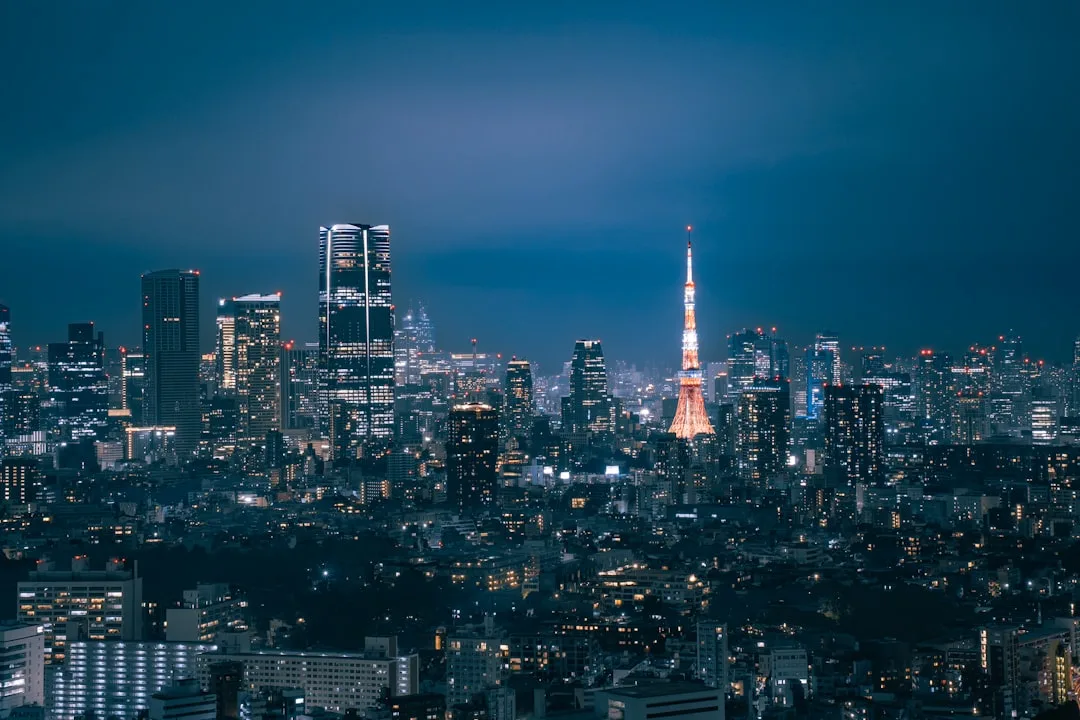
What resulted is paradoxically interesting. Odaiba has the best skyline views of Tokyo (looking back from the island toward Shibuya and Shinjuku across the bay, with the Rainbow Bridge in the foreground), some of the most significant contemporary art installations in Japan (teamLab), and enough specific attractions to justify a half-day or full-day visit.
Getting There
Yurikamome Line: The driverless elevated monorail from Shimbashi Station. The 30-minute ride across the Rainbow Bridge and along the Odaiba waterfront is itself a view — the bridge crossing provides a wide-angle panorama of Tokyo Bay. One-day pass ¥820; single fare ¥330 from Shimbashi.
Rinkai Line: From Shibuya or Osaki (via JR Saikyo Line) to Tokyo Teleport Station. JR Pass valid on the Saikyo Line section. Faster than the Yurikamome for the Shibuya–Odaiba connection.
Water bus (Tokyo Cruise): From Hinode Pier (near Hamamatsucho) or Asakusa. Takes 50–70 minutes from Asakusa; more scenic than practical. Good for combining with an Asakusa morning.
teamLab Borderless
The flagship installation of teamLab, the Japanese digital art collective. An entire building of immersive digital environments — projected art that responds to visitors’ movements, rooms that transition between seasons, spaces where koi swim across floors and walls that react to where you walk.
teamLab Borderless Odaiba opened in 2018, closed in 2022 for relocation, and reopened at a new Azabudai Hills location in 2024. The original Odaiba location is being developed; check current status before planning a visit, as the Odaiba and Azabudai Hills versions are different locations.
teamLab Planets (Toyosu, near Odaiba): The second major teamLab installation, focused on physical immersion — walking through shallow pools of water with reflected projections, lying in mirrored rooms. Different character from Borderless; more body-involved and more intimate. Currently operating. Book tickets in advance; sells out frequently. ¥3,200.
Getting to Planets: From Tatsumi Station (Yurakucho Line) or Shijomae (Yurikamome) — the Toyosu location is adjacent to Odaiba and easily combinable.
Life-Size Gundam Statue (Unicorn Gundam)
At the DiverCity Tokyo Plaza shopping complex: a 1:1 scale replica of the RX-0 Unicorn Gundam from the Mobile Suit Gundam Unicorn anime series. The statue is 19.7 meters tall (approximately 6 stories), white with red trim in standard mode, converting to “Destroy Mode” (red transformation displays) at scheduled times during the day.
The transformation performances run multiple times daily with lights and audio; times are posted at the base. Even without the transformation, the scale of the statue — seeing a life-size version of a mecha design that exists only in animation — is what makes the pilgrimage.
Inside DiverCity: Multiple floors of retail and food court. The Gundam Base Tokyo in DiverCity is the main Bandai Namco Gundam merchandise store in Tokyo — model kits (Gunpla), figures, and accessories at competitive prices. Serious Gunpla builders make this a required stop.
Palette Town / Venus Fort Area
The area around the former Toyota Mega Web (closed) and Venus Fort — a shopping mall designed to resemble an Italian piazza with a painted sky ceiling, perpetually lit in “afternoon” regardless of the time outside. Venus Fort closed in 2022 and the site is being redeveloped; check current status.
The large Ferris wheel near the DiverCity area (Daikanransha) provides views over Tokyo Bay and back to the city skyline; worth the ride for the perspective.
Waterfront Views
The most underappreciated reason to visit Odaiba: the view from the north beach promenade looking back at the Tokyo skyline. The Rainbow Bridge in the foreground, Tokyo Tower visible to the left, Shibuya skyscrapers in the distance. At dusk the bridge lights activate and the city illuminates behind it — one of the better urban views in Japan.
The Odaiba Seaside Park runs along the north shore; the beach area (artificial, but maintained) is occasionally open for walking. The replica Statue of Liberty facing the Rainbow Bridge is the landmark that appears in every Odaiba photograph.
Sunset and night: The view is best at dusk when the city lights begin and the sky is still blue. The full night view is also excellent but the twilight window is the most dramatic.
Fuji Television Building
The distinctive spherical-windowed Fuji TV headquarters building, designed by Kenzo Tange, is visible from across the island. The observation sphere is occasionally open to visitors; the distinctive form is worth seeing as architecture regardless. Free to view from outside.
Aqua City and Decks Malls
Two large shopping and food complexes on the waterfront with ground-floor restaurants facing Tokyo Bay. Useful for meals — the ramen, sushi, and restaurant floors have reasonable options with water views. Not distinguishable from any other Tokyo shopping mall in terms of retail, but the dining location is better.
Joypolis (inside Decks): Sega’s indoor theme park with VR rides and gaming installations. More interesting than a standard arcade; the VR experiences are current-generation quality.
Practical Notes
Half-day vs full day: Half-day (4–5 hours) is right for most visitors — Gundam, the waterfront promenade, and one or two other stops. A full day works if you’re including teamLab Planets and want a leisurely pace.
Best time: Weekday afternoons are quietest. Weekends are crowded, especially around the Gundam statue. Evenings have the best views.
Combining: Odaiba pairs well with Toyosu (teamLab Planets + Toyosu Market for sushi breakfast) as a half-day east Tokyo circuit.
Getting back: The Yurikamome from Odaiba Kaihin-Koen or Daiba Station back to Shimbashi is efficient; night crossings of the Rainbow Bridge have a different character than the daytime view.
Odaiba occupies a specific category of Tokyo destination — not essential, but memorably strange. The scale mismatch between planned ambition and current occupation, the life-size robot on the waterfront, the digital art in the dark: it adds up to an experience that is specifically, deliberately Japanese in its relationship to spectacle.
Plan your trip