First Time in Kazakhstan? Everything You Need to Know
Plan your trip
Kazakhstan is one of the world’s most underexplored destinations — an enormous country (the world’s 9th largest) that combines extraordinary landscapes, a fascinating nomadic cultural heritage, unexpected cosmopolitanism, and some of the most dramatic terrain on earth. Most visitors arrive knowing almost nothing and leave wanting to return.
The Basics
Capital: Astana (also recently called Nur-Sultan; the name has changed multiple times)
Currency: Kazakhstani Tenge (KZT). €1 ≈ KZT 500.
Language: Kazakh (official), Russian (widely spoken in cities). English is improving but limited outside tourist areas.
Time zone: Two zones — ALMT (UTC+6) for Almaty; AQTT (UTC+5) for western Kazakhstan
Driving: Right-hand side
Plugs: Type C and F (standard European round pins)
Visa: US, EU, UK, Canada, Australia — visa-free for 30 days. Some nationalities up to 90 days. Check current regulations.
The Three Kazakhstans
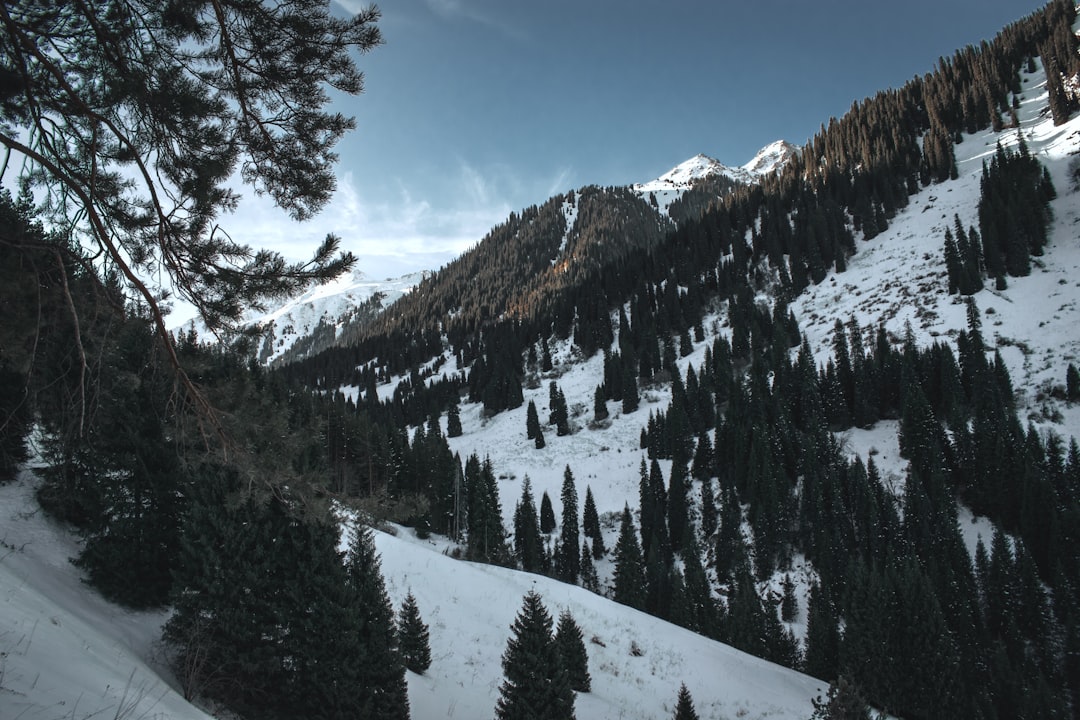
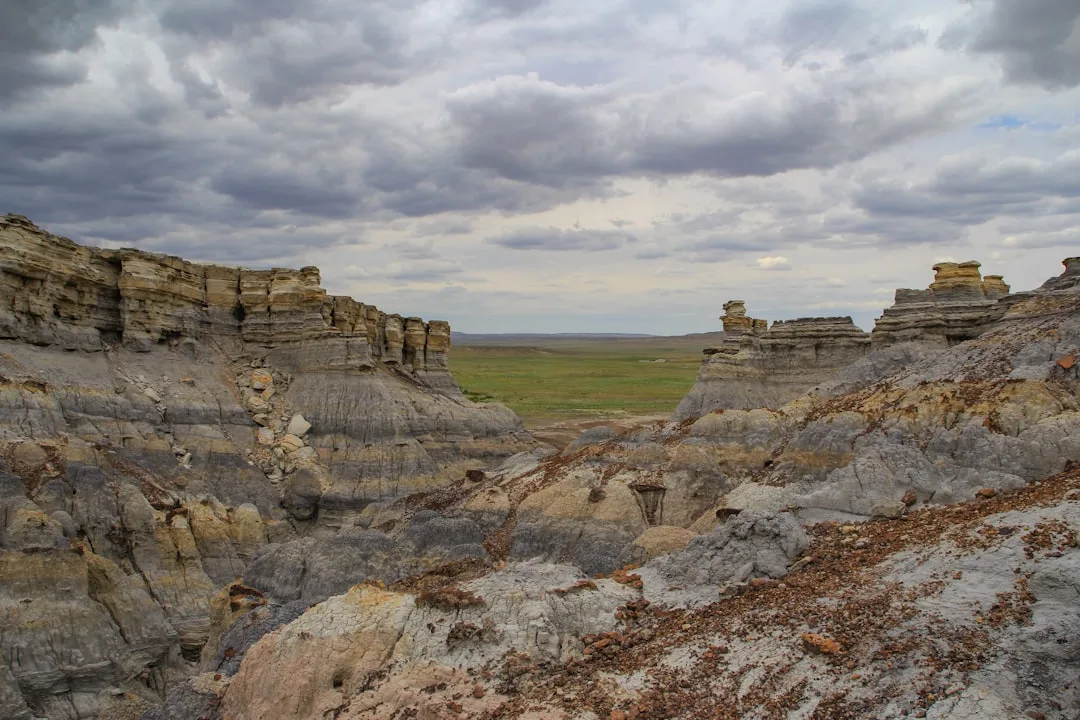
Southern Kazakhstan (Almaty and surroundings): The most visited region — the cosmopolitan city of Almaty, the Tian Shan mountains, Charyn Canyon, and the Kolsai Lakes. Accessible, developed for tourism, and spectacularly beautiful.
Central/Northern Kazakhstan (Astana and steppe): The futuristic capital Astana rising from flat steppe. The Burabay national park. The vast, unfathomable scale of the Kazakh steppe — the world’s largest continuous grassland.
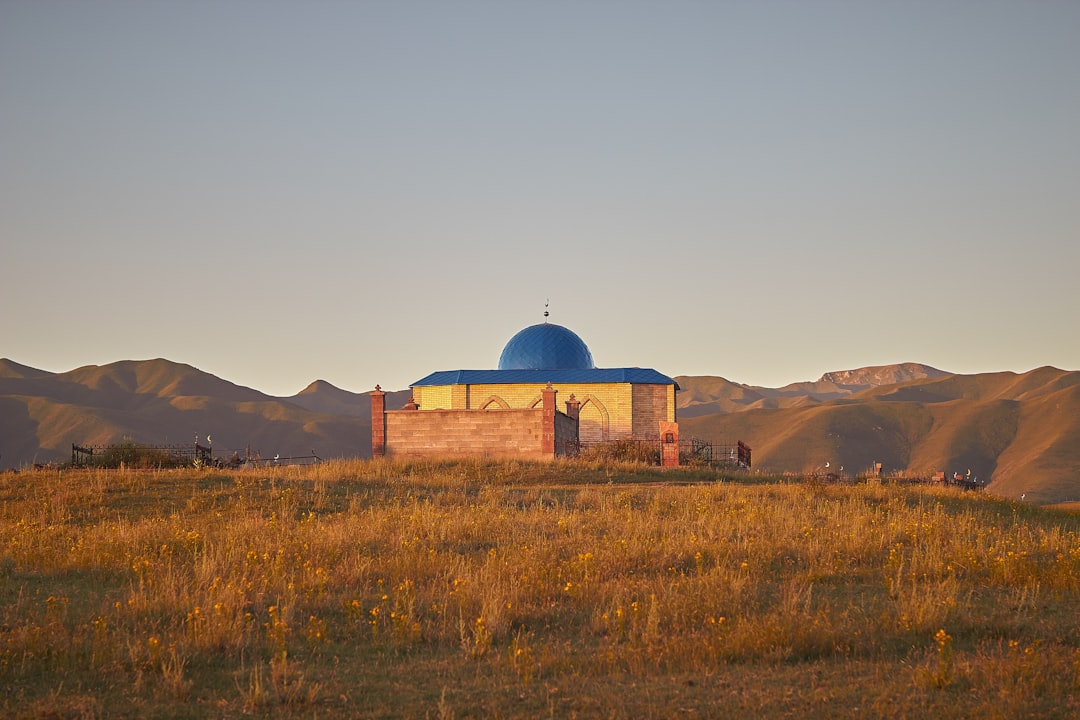
Southern Silk Road (Shymkent and Turkestan): The ancient Silk Road corridor, Uzbekistan-border food culture, and the extraordinary Mausoleum of Khoja Ahmed Yasawi.
Nomadic Culture: What You Need to Know
Kazakhstan was a nomadic society — herding horses, sheep, and camels across the steppe — until the Soviet collectivisation programme of the 1930s forcibly settled the population (causing a famine that killed an estimated 1.5 million people). The nomadic legacy runs deep: in language, in food, in the veneration of horses, and in the traditional architecture of the yurt.
The yurt: The circular, portable felt dwelling of the Kazakh nomad. Still used by herders in summer pastures; increasingly available as tourist accommodation in national parks. A properly made yurt is remarkably comfortable and thermally efficient.
Horses: Central to Kazakh culture. Horsemanship is a source of pride. Traditional horse games (kokpar — buzkashi, a kind of polo played with a goat carcass; baiga — horse racing) are practiced at festivals.
Eagle hunting: Kazakh eagle hunters (berkutchi) train golden eagles to hunt foxes and rabbits. A UNESCO-recognised tradition, practised mainly in the Altai mountains of eastern Kazakhstan.
Food: The Essentials
Kazakh food is meat-centric, hearty, and reflects the nomadic heritage.
Beshbarmak (five fingers): The national dish — large boiled noodle squares topped with boiled horse or lamb meat and caramelised onions, served on a communal platter and eaten with the hands (hence the name). The broth (shorpa) is served on the side.
Plov (pilaf): Central Asian rice dish with carrots, lamb, and garlic. Each region has its variant; Almaty’s Uzbek-influenced plov restaurants are some of the city’s best.
Shashlik: Grilled meat skewers over charcoal — lamb, beef, or chicken. The Central Asian answer to barbecue.
Samsa: Baked pastry parcels filled with lamb and onion. Found at every bazaar and railway station.
Lagman: Hand-pulled noodles in a spiced meat and vegetable broth. Uighur origin; common throughout Kazakhstan.
Qymyz: Fermented mare’s milk — slightly alcoholic, sour, and fizzy. An acquired taste that is deeply embedded in Kazakh culture. Try it at least once.
Kurt: Hard dried cheese balls, usually made from sheep’s milk. Carried by nomads as a portable protein source; still eaten as a snack.
Getting Around
Flights: Air Astana is Kazakhstan’s main airline — excellent safety record, good service. Connects Almaty to Astana, Shymkent, Aktau (Caspian coast), and beyond. FlyArystan (budget subsidiary) is cheaper.
Trains: Kazakhstan’s rail network covers major cities. Comfortable kupe (4-berth cabin) and platzkart (open berth) options for overnight routes.
Yandex Taxi: Works in Almaty and Astana — the same app as Russia. Reliable and cheap. Essential.
Rental car: Useful for mountain areas. Almaty has multiple rental agencies.
Practical Tips
Language barrier: Russian is the practical language throughout Kazakhstan. Download Google Translate with Russian and Kazakh for offline use. The Cyrillic script used for Russian is learnable quickly — knowing the alphabet makes navigation dramatically easier.
Cash: ATMs are widely available in cities. Carry KZT for small purchases; larger hotels and restaurants accept cards.
Registration: Foreigners staying more than 5 days must register with local migration authorities. Most hotels do this automatically. If staying with private hosts (Couchsurfing, Airbnb), check the registration requirement.
Safety: Kazakhstan is generally safe. Standard urban awareness in city centres. Very safe in mountain and rural areas — Kazakhs are exceptionally hospitable to visitors.
Phone: SIM cards available at airports and city shops. Beeline, Kcell, and Tele2 offer tourist SIMs. 4G coverage is good in cities; variable in mountain and steppe areas.
Alcohol: Available in restaurants, supermarkets, and shops throughout Kazakhstan. Unlike some Central Asian neighbours, Kazakhstan has no significant alcohol restrictions.
Don’t Miss
- Nauryz (March 21–23): The Kazakh New Year — outdoor festival with traditional food, music, and horse games
- The Golden Man at the Central State Museum: Kazakhstan’s greatest archaeological treasure
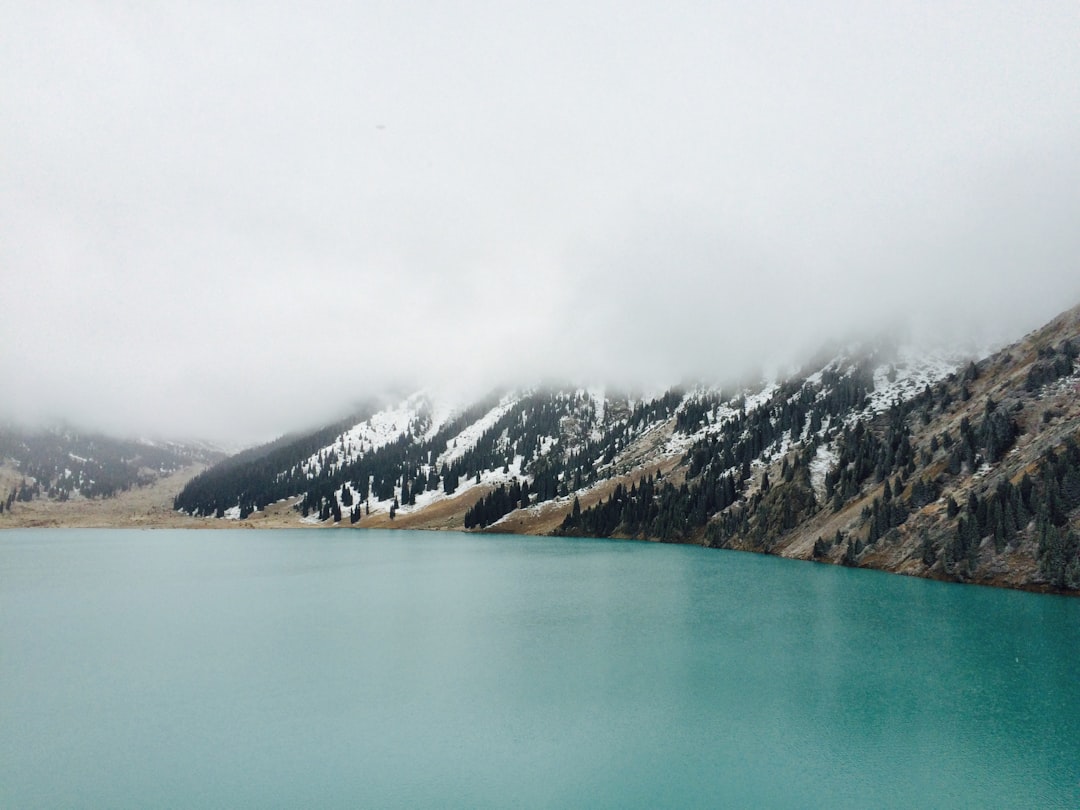
- Big Almaty Lake: A turquoise high-altitude lake that looks like it belongs in New Zealand
- Eagle hunting festival (autumn, Altai region): One of the world’s most extraordinary cultural spectacles
- A yurt night: Stay overnight in a real yurt in a mountain pasture — the stars above the steppe are extraordinary
Plan your trip