Incheon: Beyond the Airport
Plan your trip
Incheon’s history is shaped by the sea. The city was a fishing village until 1883, when it became one of Korea’s first treaty ports under pressure from Japan — the same process that opened Shanghai and Nagasaki. The Japanese colonial period produced the Domino-effect urban development that left the current Chinatown (Chinese traders followed Japanese commercial access), the former Japanese administrative quarter (Gaehang area), and the Jemulpo Port district with its mix of foreign concession architecture.
The 1950 Korean War Incheon Landing — General Douglas MacArthur’s amphibious invasion that reversed the North Korean advance — is the event that defined Incheon’s 20th century; the MacArthur statue in Jayu Park and the landing beaches are the main war history sites.
Today Incheon also contains Songdo International Business District — a city built from scratch on reclaimed land from the Yellow Sea, opened in 2003, designed as a model smart city with international schools, a Jack Nicklaus golf course, a Central Park with a canal, and a deliberately international character.
Getting There
Incheon International Airport to Incheon city: Not the same thing. The airport is on Yeongjong Island; Incheon city center is on the mainland. The AREX Airport Railway connects the airport to Incheon Terminal 1 Station in 7 minutes. The city’s older districts are further — take the AREX to Gyeyang, then transfer to Incheon Subway Line 1 toward the center.
From Seoul: Incheon Subway Line 1 from Seoul Station or Bupyeong Station — 1 hour total from central Seoul (₩1,950). AREX from Seoul Station to Incheon is faster but more expensive.
Songdo: Incheon Subway Line 1 to Bupyeong-gu Office, then Bus to Songdo. Or Incheon Subway Line to Incheon Grand Park, then transfer. Alternatively, the AREX to Gyeyang, then Subway Line 7 extension to Songdo (opening in phases).
Chinatown and the Historic Quarter
Incheon Chinatown (Junggu Chinatown): The compact but visually distinctive Chinese neighborhood around the main gate (near Incheon Subway Line 1 exit). The area was established by Chinese traders in the late 19th century; the current architecture is a mix of original buildings and reconstructed facades in the typical red-and-gold Chinese aesthetic.
Jajangmyeon (짜장면): The dish that Incheon Chinatown is specifically famous for. Jajangmyeon — thick noodles in a black bean sauce — arrived in Korea via the Chinese community in Incheon in the late 19th century and became one of the most popular cheap Korean meals. The restaurants in Chinatown produce the original Chinese-Korean version (slightly different from the nationwide Korean adaptation); the Gonghwachun restaurant (founded 1905) is the most historically significant.
Jajangmyeon Museum: A small museum on the history of jajangmyeon and its cultural significance as a delivery food. Korea’s favorite delivery dish, tracked through 100 years of immigration, adaptation, and ubiquity. Admission ₩1,000.
Japanese colonial quarter (Gaehang area): The streets across the road from Chinatown contain preserved Japanese colonial-era buildings — the 1883 Customs House building (open as a museum), the former Japanese Bank of Chosen building, and several Victorian-influenced stone commercial buildings from the concession period. The architectural contrast between the Chinese and Japanese colonial neighborhoods facing each other across the main street is the most visually interesting element of the Gaehang area.
Jayu Park and MacArthur
The hilltop park above the harbor, accessible by a 10-minute climb from the Chinatown area. The park contains the bronze statue of General Douglas MacArthur on a plinth, gesturing toward the sea — the standard military commander statue pose, facing the direction of the 1950 landing.
The Incheon Landing (September 15, 1950) was the amphibious assault that turned the Korean War. By August 1950, UN forces had been pushed back to the Pusan Perimeter (the southeast corner of the peninsula). MacArthur’s plan — landing at Incheon, far behind the North Korean lines — was considered extremely risky due to the extreme tidal variation (over 9 meters). The landing succeeded, the UN forces recaptured Seoul within two weeks, and the North Korean advance collapsed.
Landing beach sites: The Incheon Landing Operation Memorial Hall (in Songdo area) covers the history in detail. The actual landing beaches are at Wolmido Island and the surrounding coastal areas.
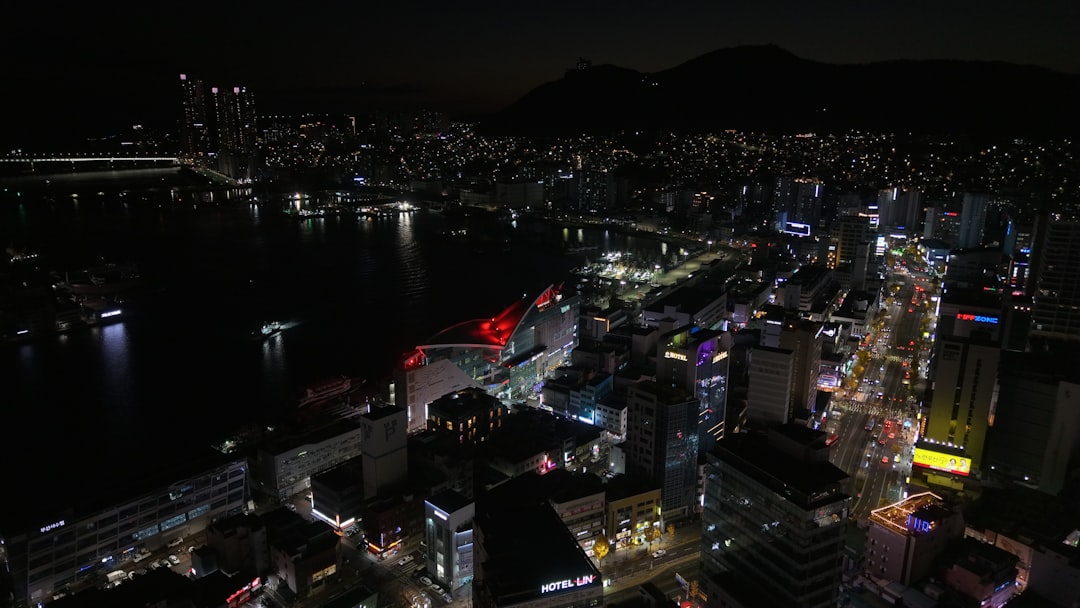
Jayu Park view: From the park, the view over the Incheon harbor and the Yellow Sea is the best elevated view in the city.
Wolmido Island
The small island connected to Incheon by a causeway, 2 km from the Chinatown area. The waterfront has a small amusement park, seafood restaurants, and a promenade with views of the cargo port activity. The seafood market near the ferry terminal sells fresh shellfish, octopus, and fish directly from the boats.
Popcorn shrimp and hoe: The Wolmido waterfront is specifically known for fresh raw fish (hoe) served with gochujang-sesame dipping sauce and for fried octopus (nakji twigim). The informal seafood vendors along the harbor wall are cheaper and more local than the sit-down restaurants.
Songdo International Business District
The planned city built on reclaimed land from the Yellow Sea — 53 square kilometers of urban development designed from scratch with sustainable infrastructure, smart city technology, and an international community ethos.
Songdo Central Park: The 40-hectare park at the center of Songdo, with a canal connecting to the Yellow Sea, boat rentals, walking and cycling paths, and an amphitheater. Designed to be activated with outdoor events; the landscaping is deliberately lush.
The NCCK or Incheon Global Campus: Songdo contains branch campuses of several international universities — New York University, George Mason University, the University of Utah, and others. The campus area is architecturally interesting as a deliberately international zone.
Songdo Conventia: The convention center and adjacent Songdo Sheraton and Marriott hotels form the conference district that Songdo was designed to attract.
What Songdo actually looks like: Clean, wide, walkable, quiet by Korean urban standards, with an uncanny slightly unfinished quality where the development hasn’t fully filled to its intended density — similar to Odaiba in Tokyo. Worth half an hour for the specific feeling of a city that was designed rather than grew.
Practical Notes
Best structure: Chinatown → Japanese colonial quarter (morning, 2 hours), jajangmyeon lunch (30 minutes), Jayu Park (30 minutes), Wolmido waterfront and seafood (afternoon, 1.5 hours). Total: 4.5–5 hours.
Combine with airport: If arriving at or departing from Incheon Airport with a half-day gap, Chinatown is accessible in 30–40 minutes from Terminal 1. This makes Incheon’s historic quarter easily combinable with any itinerary that passes through the airport.
Eating: The Chinatown restaurants for jajangmyeon (lunch), the Wolmido seafood stalls (afternoon snack), and the hoe restaurants near the ferry terminal (dinner) form a complete Incheon food day.
Incheon is the Korea that didn’t become Seoul — the port city that was opened before Seoul was a global capital, that hosted the Chinese traders and Japanese colonial administrators and American landing forces before any of that became history. The preserved architecture and the jajangmyeon are what remain of that specific intersection of forces. It takes half a day to see it properly, and most people who pass through the airport never do.
Plan your trip