South Korea in August: Peak Summer, Liberation Day, and Chuseok Prep
Plan your trip
August is summer’s peak in Korea — the monsoon is finished, the heat is at maximum, and the entire country seems to relocate to the coast. Domestic tourism is at its annual high, beaches are over capacity, and the city heat index in Seoul regularly pushes into “feels like 38°C” territory. If you can manage the heat, August delivers an intensity that’s uniquely Korean.
Weather in August
Seoul: 25°C to 34°C. High humidity — the combination of post-monsoon air and urban heat island effect makes Seoul genuinely brutal mid-day. Nights stay warm.
Busan: 26°C to 33°C. Sea breeze moderates slightly. Haeundae water temperature reaches 25–27°C — the best swimming conditions of the year.
Jeju: 26°C to 32°C. Typhoon risk continues through August; travel insurance essential.
Gangwon mountains: 20°C to 28°C. A legitimate escape from city heat — Seoraksan’s higher elevations are 5–8°C cooler than Seoul.
Liberation Day (August 15)
Gwangbokjeol — Korea’s Independence Day, marking liberation from Japanese colonial rule in 1945 — is a national holiday on August 15. Expect:
- Gyeongbokgung and other major palaces: free admission, special programs, large crowds
- Domestic short trips: trains and buses to coastal destinations book out around the date
- Some businesses closed; major tourist infrastructure fully open
- Patriotic programming on TV; street events in central Seoul
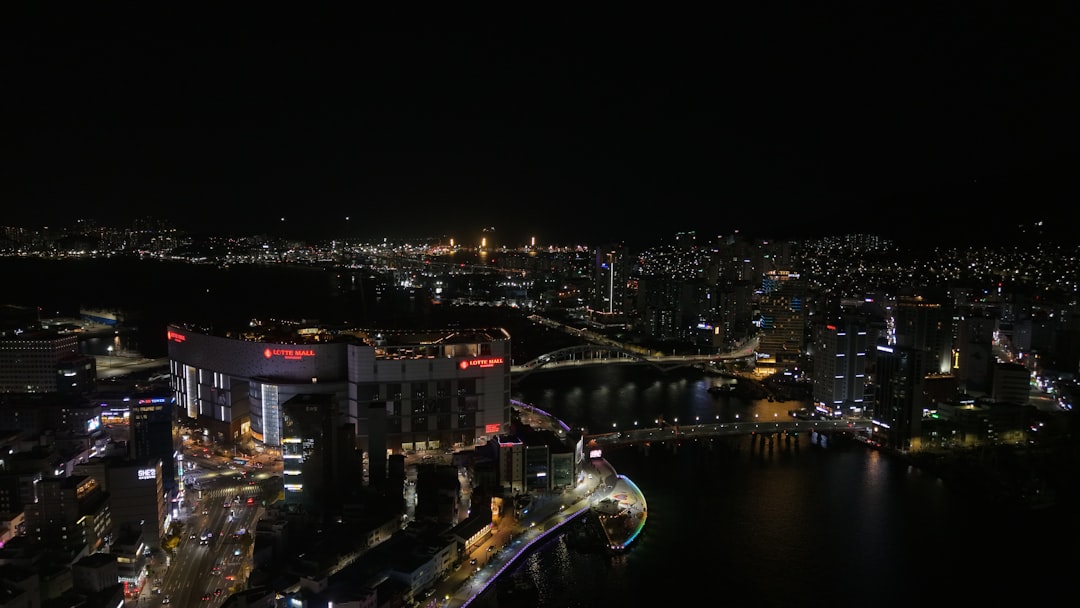
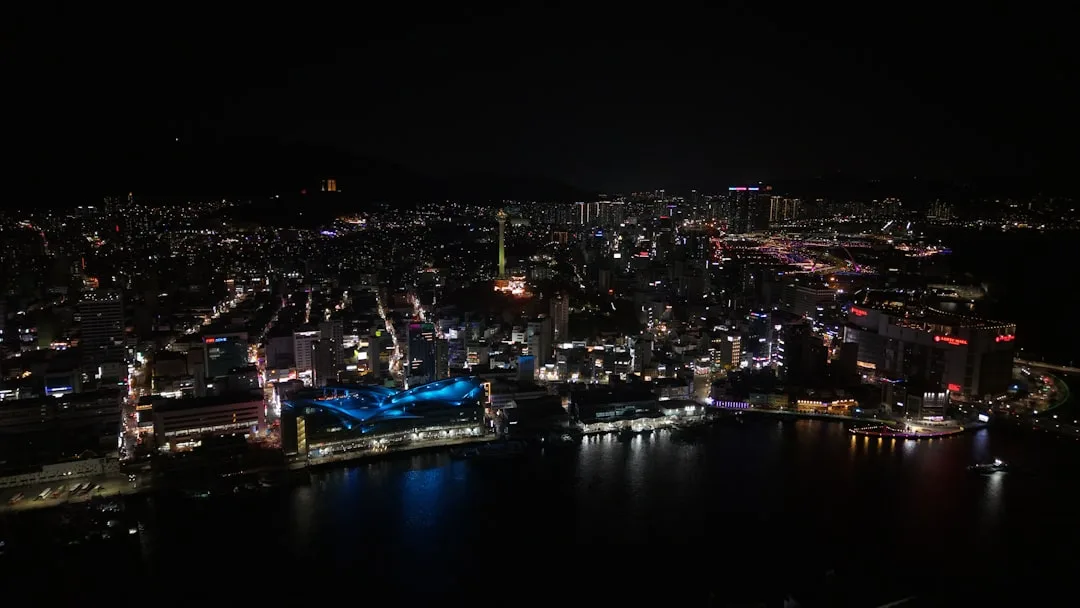
Busan in August
Busan is the destination of August. Haeundae Beach reaches its maximum — the sand is literally invisible under beach umbrellas on peak weekends. The scene is social, loud, and energetic. For a slightly less overwhelmed experience:
- Songjeong Beach — 20 min north, smaller, more local
- Dadaepo Beach in western Busan — family crowd, less intense
- Oryukdo Skywalk and Igidae Coastal Trail — coastal scenery without the beach crowds
The Pusan International Short Film Festival and various summer cultural events run throughout August. Gwangalli Beach has better urban atmosphere than Haeundae — views of Diamond Bridge, restaurants and bars directly on the sand.
Summer Food Culture
August is peak season for Korea’s summer dishes:
- Naengmyeon (냉면) — cold buckwheat noodles in chilled beef broth (mul) or spicy sauce (bibim). Essential summer eating. Pyongyang-style naengmyeon restaurants are scattered through Seoul.
- Patbingsu (팥빙수) — shaved ice dessert with sweet red beans, rice cakes, condensed milk. Every café and restaurant has a variation.
- Samgyetang (삼계탕) — counter-intuitively, Koreans eat hot ginseng chicken soup in the hottest weeks. “Fight heat with heat” logic (이열치열). Restaurants have lines on the three official bok days (삼복).
- Kongguksu — cold noodles in chilled soy milk broth. Light, unusual, worth trying.
Escaping the Heat
Mountain retreats: Seoraksan (Gangwon) and Jirisan (South) are manageable in August at higher elevations. Morning hikes before 8 AM when temperatures are lower are essential — don’t start a major hike at 11 AM in August.
Caves: Hwanseon Cave (강원도) and Gosu Cave (충청북도) maintain 12–15°C year-round — a genuinely refreshing break from summer heat.
City indoors: Seoul’s underground shopping centers (Gangnam, COEX Mall, Times Square) stay crowded but cool. The National Museum of Korea and War Memorial have enough content for a full air-conditioned day.
August in Gyeongju
Gyeongju is less popular in August than spring or autumn — the heat limits outdoor archaeological site visits. Early morning (7–9 AM) walks through Tumuli Park and Bulguksa are manageable; midday is not. Late August starts to cool slightly.
Budget in August
| Category | Budget | Mid-range |
|---|---|---|
| Accommodation | ₩60,000–₩100,000/night | ₩150,000–₩280,000/night |
| Meals | ₩9,000–₩15,000/meal | ₩20,000–₩60,000/meal |
| Haeundae beach hostel | ₩40,000–₩60,000/dorm | — |
Peak-season prices, especially coastal accommodation. Busan beachfront at peak weekend can be hard to find at any price without advance booking.
Late August Transition
By the final week of August, something shifts. Nights start to cool slightly. The humidity drops perceptibly. The light changes. The first hint of the autumn that makes October famous is already in the air by August 25–31. Travelers arriving late August often catch the tail of summer crowds with early signs of the season everyone actually comes for.
The Short Version
August is hot, crowded, and high-priced — Korea’s domestic tourism machine running at full speed. Beaches are spectacular in an overwhelming way. The food culture peaks with summer-specific dishes. If you plan around the heat (mornings, evenings, cool interiors mid-day) and book accommodation early, August delivers a version of Korea that’s genuinely energetic. Late August arrivals catch the transition into what becomes the country’s best month.
Plan your trip