South Korea in July: Monsoon Season, Beach Crowds, and Summer Festivals
Plan your trip
July splits cleanly in two. The first half is monsoon season — heavy daily rainfall, high humidity, occasional flooding in low-lying areas, and a general grey heaviness that makes outdoor sightseeing uncomfortable. The second half is post-monsoon summer: blazing heat, packed beaches, and the full energy of Korean summer. Both halves require a different approach.
Weather in July
Seoul: 23°C to 31°C. Monsoon rainfall typically concentrated in the first two to three weeks (장마, jangma). After the rain clears, temperatures stay hot — humidity remains high (70–85%). UV index is extreme.
Busan: Similar monsoon pattern but often shorter. 25°C to 32°C. By late July, Haeundae Beach is at maximum summer capacity.
Jeju: Heaviest rainfall of the year. Typhoon risk increases in late July. 25°C to 31°C.
Gangwon Mountains: Cooler than Seoul — 20°C to 28°C — and still accessible, but monsoon rainfall can close hiking trails temporarily. Check trail status before setting out.
The Monsoon (Jangma)
Korean monsoon typically begins late June and runs through mid-to-late July. Characteristics:
- Not continuous rain — usually intense morning or afternoon downpours followed by breaks
- Flash flooding risk in low-lying areas; some underground shopping streets and subway stations experience water intrusion during heavy episodes
- Air quality is excellent during and after monsoon rain — the clearest air of the summer follows each heavy rainfall
- Attraction crowds drop during rainy days — palaces and outdoor museums are much less crowded when it rains
Gear: A quality compact umbrella or packable rain jacket is essential. Korean convenience stores (GS25, CU, 7-Eleven) sell inexpensive umbrellas for ₩3,000–₩5,000.
Boryeong Mud Festival
Usually held mid-July. One of Korea’s most internationally known summer events — held on Daecheon Beach, ~2 hours south of Seoul by express bus. The festival began as a marketing campaign for Boryeong’s mineral-rich mud cosmetics and evolved into a massive outdoor party.
Activities include mud wrestling pools, mud slides, mud obstacle courses, and general beach chaos. The crowd skews young Korean and international. Extremely popular with expats and foreign visitors. Weekend-only event; accommodation in Boryeong books out entirely — many attendees day-trip from Seoul.
Busan in July
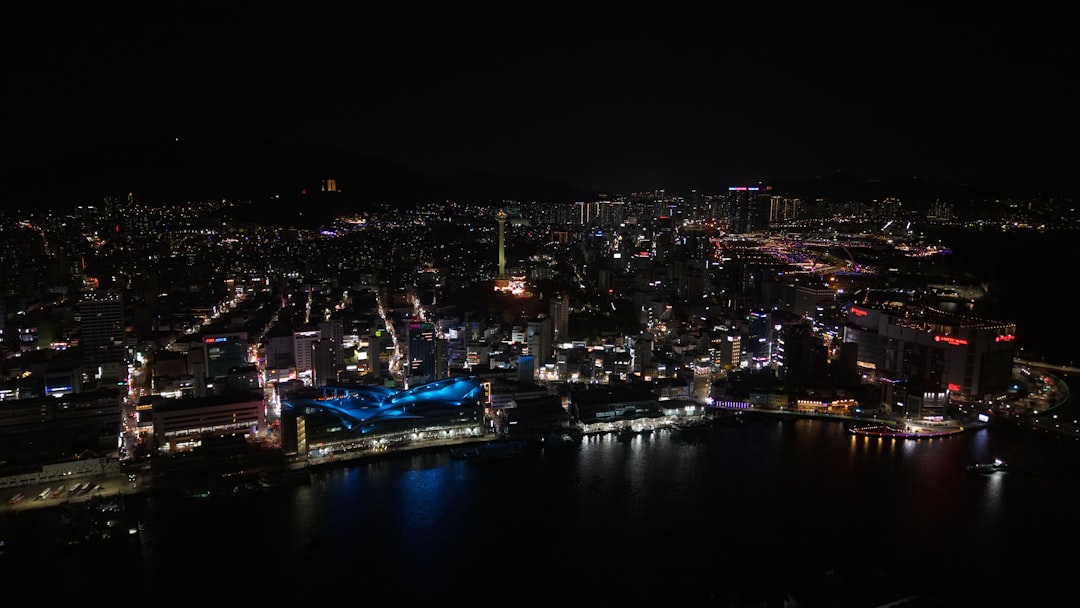
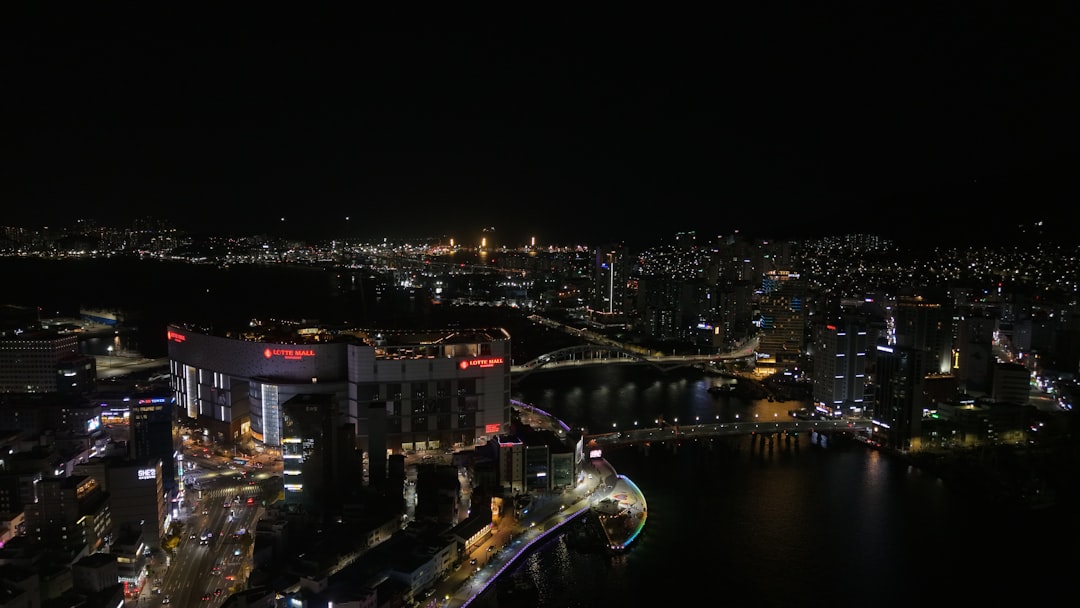
Haeundae Beach in July is one of the most intense beach experiences in Asia — 1.2km of sand with reportedly a million daily visitors at peak. Crowd management involves color-coded sections and lifeguard towers every 50 meters.
If you want beach in Busan without the Haeundae chaos, alternatives include:
- Songjeong Beach — less known, 20 min north of Haeundae by train
- Gwangalli Beach — urban beach with views of Diamond Bridge, less hectic
Busan International Film Festival (BIFF) runs in October, not July — but the film district (BIFF Square in Nampo) and cinematheque are worth visiting year-round.
What Works in July
Indoor Seoul: July is actually a good month for Seoul’s excellent museum circuit.
- National Museum of Korea — massive, air-conditioned, free
- Leeum Samsung Museum of Art — private contemporary art collection, consistently excellent
- War Memorial of Korea — outdoor exhibits close in rain; indoor exhibits are extensive
- DDP (Dongdaemun Design Plaza) — exhibitions, design market, 24-hour shopping
Korean food in summer: Naengmyeon (cold noodles), kongguksu (cold soy milk noodles), and patbingsu (shaved ice with red bean) are peak summer foods. Every Korean restaurant has these on rotation July–August.
Night markets: Several summer night markets run in July — Yeouido Hangang Park hosts an outdoor food and culture market on summer weekends. Arrive after 7 PM when temperatures drop slightly.
Budget in July
| Category | Budget | Mid-range |
|---|---|---|
| Accommodation | ₩55,000–₩90,000/night | ₩130,000–₩250,000/night |
| Meals | ₩9,000–₩15,000/meal | ₩20,000–₩60,000/meal |
| Air conditioning surcharge | Often included | Sometimes extra |
High season pricing — especially in Busan, where beachfront accommodation spikes heavily. Book 4–6 weeks ahead for coastal locations.
What to Avoid or Adjust in July
- Hallasan summit hike: Frequently closed during monsoon due to landslide risk. Check before planning.
- Jeju in late July: Typhoon risk. Travel insurance is strongly recommended; flight cancellations are possible.
- Outdoor daytime sightseeing mid-monsoon: Exhausting. Shift to morning (before 10 AM) and evening (after 6 PM); use afternoons for indoor attractions.
The Short Version
July is Korea’s hardest month to visit — the monsoon is real, the heat is intense, and the beaches are overwhelmed. But if you structure around it — mornings outdoors, afternoons inside, coastline in late July post-rain — it delivers an energy and a summer culture that no other month in Korea has. The Boryeong Mud Festival is genuinely fun; Haeundae in full summer mode is a spectacle worth seeing at least once.
Plan your trip