Malaysia in January: East Coast Monsoon, Langkawi in Sun, and Chinese New Year Approaches
Plan your trip
January is when Malaysia’s geographic split becomes essential travel knowledge. The South China Sea’s northeast monsoon (November–February) closes the east coast beaches — the Perhentian Islands, Tioman, and the Redang cluster are battered by rough seas and persistent rain. Meanwhile, the west coast and the Andaman Sea (Langkawi) are in their finest dry season. Kuala Lumpur operates excellently year-round, and Sarawak and Sabah in Borneo have their own weather patterns.
Weather & Conditions
Kuala Lumpur: 25–32°C. Rain is possible year-round but January is not a peak rain month. The city is hot and humid regardless of season.
Langkawi (west coast, Andaman Sea): 26–32°C. Dry and sunny. The best beach conditions of the year. Water visibility excellent.
Penang and Perak: 26–32°C. West coast — dry season. Beach season at Batu Ferringhi.
East Coast (Kelantan, Terengganu): Heavy monsoon rain November–February. The Perhentian Islands, Tioman, and Redang are officially closed (resorts shut, ferries stopped).
Sabah (Borneo — Kota Kinabalu): 24–30°C. Relatively drier than the east. Mount Kinabalu climbing season is good January–February.
Sarawak (Borneo — Kuching): 24–30°C. Rain possible year-round but January has manageable conditions. The Sarawak rainforest is accessible.
What to Do
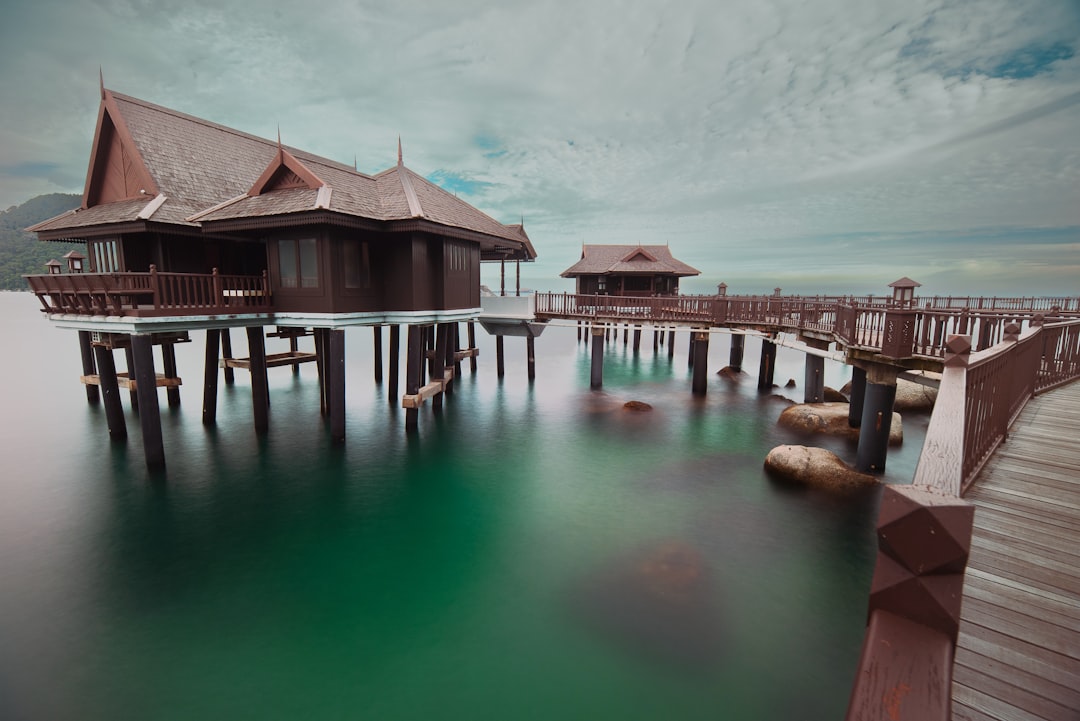
Langkawi — Andaman Sea peak season: Langkawi’s 99-island archipelago in the Andaman Sea is at its dry season best in January. The beaches (Pantai Cenang, Pantai Tengah, Datai Bay) are calm and clear. Snorkeling around Pulau Payar Marine Park is excellent. The Langkawi Geopark (UNESCO) has spectacular geological formations in the island interior. Accessible by flight from KL (55 minutes) or Penang (30 minutes).
Penang food culture: Georgetown’s UNESCO heritage city is famous as Malaysia’s food capital — char kway teow, cendol, nasi kandar, and Peranakan cuisine from the hawker stalls and traditional coffee shops. January is a comfortable time to walk Georgetown’s heritage streets (cool by Malaysian standards at 28°C). The street art by Ernest Zacharevic decorating George Town’s walls has become a specific trail attraction.
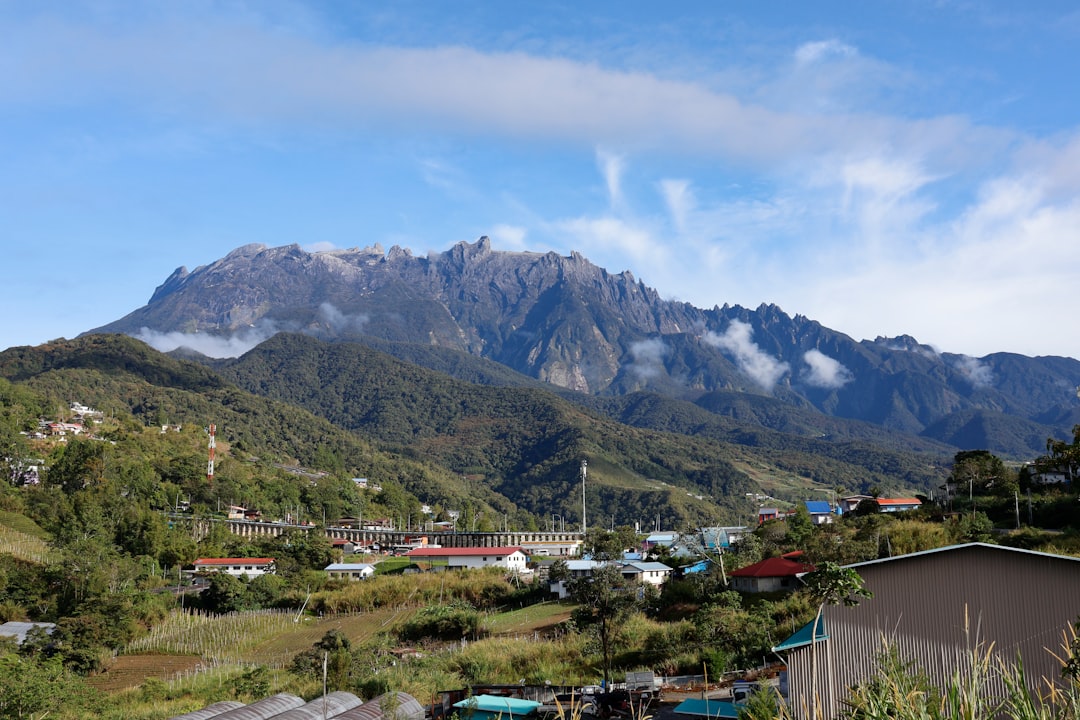
Mount Kinabalu, Sabah (Borneo): Malaysia’s highest mountain (4,095m) is climbed from the Kinabalu National Park headquarters. January is one of the drier months in Sabah. The 2-day ascent requires a guide, advance permit booking (through the park), and overnight stay at Laban Rata hut (3,270m). The summit sunrise is extraordinary.
Orangutan encounters, Sabah: The Sepilok Orangutan Rehabilitation Centre near Sandakan feeds and observes rehabilitated orangutans twice daily. Borneo’s wild orangutans are best encountered in the Kinabatangan River wildlife corridor — boat trips from Bilit village see proboscis monkeys, pygmy elephants, and river wildlife.
Kuala Lumpur: KL is a year-round destination. The Petronas Towers (still among the world’s most distinctive skyscrapers), Batu Caves (Hindu temple complex accessible by KTM train), the Perdana Botanical Garden, and the Bukit Bintang food and shopping district are all functional in any weather.
Festivals & Events
Chinese New Year (late January or early February, variable): KL and Penang’s large Chinese community transforms the cities for Chinese New Year — Chinatown (Petaling Street) in KL, Georgetown in Penang, and Melaka’s Jonker Street are covered in red lanterns, fireworks fill the evening sky for 15 days, and reunion dinners are the social centerpiece.
Thaipusam (January or February, variable — Tamil Hindu festival): The extraordinary Thaipusam festival at Batu Caves in KL — where Hindu devotees carry kavadis (elaborate frames with skewers pierced through flesh in acts of devotion) up the 272 steps — is one of Southeast Asia’s most visually powerful religious events.
Practical Tips
East coast closure: the Perhentian Islands, Tioman, and Redang resorts are physically closed November–February due to monsoon seas. Attempting to access them by unofficial boat is dangerous.
January KL accommodation is available without peak-season pressure (Chinese New Year creates a brief spike). Hotels in KLCC and Bukit Bintang have good availability.
Batu Caves Thaipusam: exact dates vary annually by Tamil calendar (typically late January–early February). The crowds at Thaipusam are massive — 1 million+ pilgrims and visitors. Arrange early transportation and expect the walk up the steps to be very slow.
Who January Is For
West coast beach travelers targeting Langkawi’s dry season. Borneo nature and wildlife visitors heading to Sabah’s orangutans and Kinabalu. KL food and culture travelers. And Chinese New Year cultural observers — the Penang and KL celebrations are among Southeast Asia’s finest.
Plan your trip