Réunion Island Travel Guide: Volcanoes, Cirques & the Indian Ocean
Plan your trip
Réunion is a French overseas département in the Indian Ocean — administratively part of France, using the euro, with French infrastructure and a French public health system — but geographically an island 800 km east of Madagascar and 170 km southwest of Mauritius. It is one of the most geologically young and actively volcanic places on earth, and the combination of that volcanic energy with 3,000-meter peaks, three spectacular caldera cirques, and a warm-ocean coastline creates an island with no real equivalent.
The population is a Creole mix of French, African, Malagasy, Indian, and Chinese heritage, producing a culture and cuisine that is genuinely distinct from mainland France and from any neighboring island.
What Makes Réunion Unusual
Active volcano: Piton de la Fournaise erupts on average every 9 months. The eastern side of the island has been continuously reshaped by lava flows for tens of thousands of years. Visitors can walk into the volcanic caldera (when open), approach lava flows during active eruptions by helicopter, and see geological processes that normally take millions of years happening in real time.
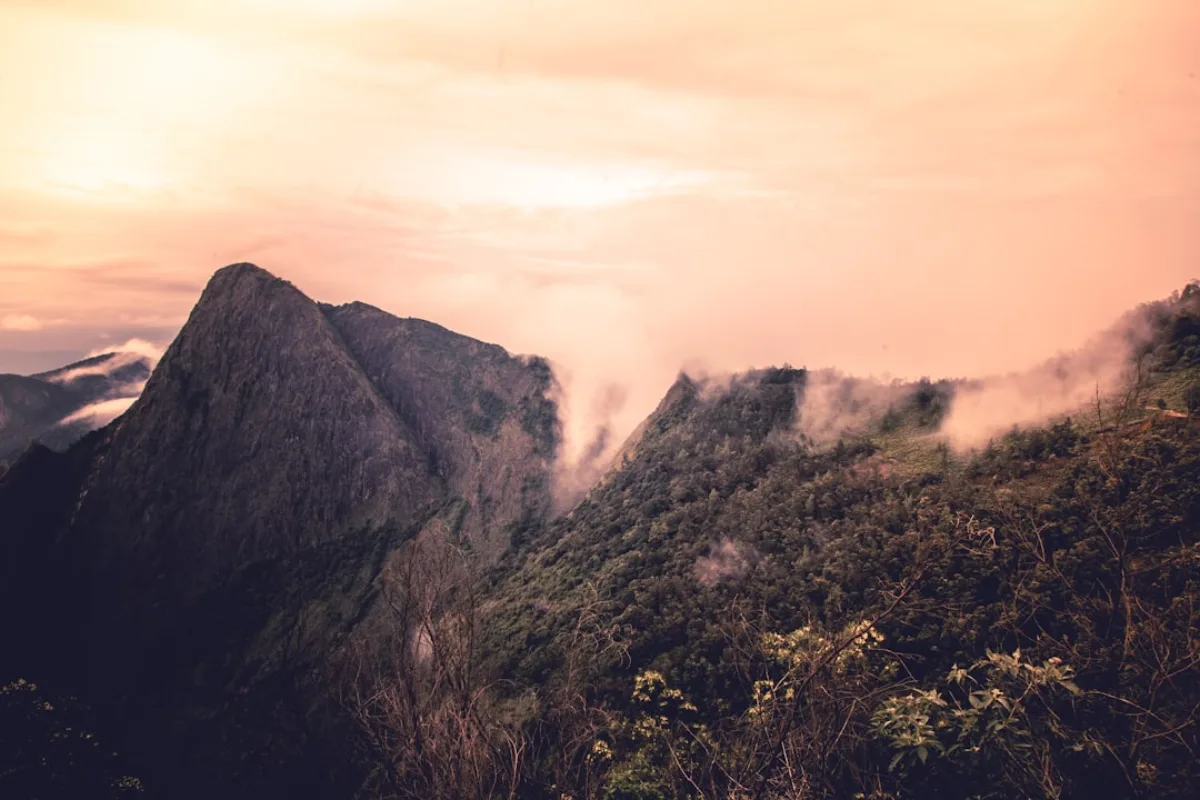
The cirques: Three enormous natural amphitheaters carved by erosion into the volcanic interior — Mafate (accessible only on foot, no roads), Cilaos, and Salazie. The vertical caldera walls rise 1,500m from the floor; the villages inside are cooler, more remote, and culturally distinct from the coastal settlements.
Hiking density: Réunion has 1,000 km of marked hiking trails and two long-distance routes (GR R1 and GR R2) that traverse the entire island through the cirques and over the high plateau. The hiking quality is exceptional — the scenery changes from tropical forest to alpine meadow to lunar lava field within a single multi-day route.
European infrastructure: The island has metropolitan French public services — roads, hospitals, gendarmerie, bus network. This makes independent travel substantially easier and safer than most Indian Ocean destinations.
The Island in Brief
Saint-Denis (north coast): The prefecture and main city. French colonial architecture along the Rue de Paris, the lively Grand Marché (central market), and the starting point for the cirque roads. Useful as a base but not itself a major destination.
Saint-Gilles-les-Bains (west coast): The main beach and tourist resort area — the lagoon is protected by a reef, the water calm and clear, the beach infrastructure well-developed. The coral reef snorkeling from the beach is accessible. More like a conventional beach resort than the rest of the island.
Cilaos (central cirque): A village at 1,200m inside the Cilaos cirque — hot springs, wine, lentils, and the starting point for the Piton des Neiges ascent. The 400-hairpin access road is a destination in itself.
Saint-Pierre (south coast): The second city — a livelier mix of young local population, restaurants, and access to the volcano routes. The starting point for the Plaine des Sables road to the volcano.
Hell-Bourg (Salazie cirque): The most beautiful village in Réunion — Creole colonial houses with elaborate ironwork verandas, set among waterfalls and forest. Classified as one of France’s Most Beautiful Villages.
Getting Around
By car: Essential. The island has a well-maintained road network covering the coastal circuit and the roads into the accessible cirques. Car rental available at Roland Garros Airport (Saint-Denis) and the western resort area.
Public bus (Car Jaune): A network of intercity buses covers all coastal towns and the cirque roads. Slower than driving but affordable (€2–4 per journey). The Cilaos bus from Saint-Louis takes 2 hours via the hairpin road.
Within Mafate: There are no roads. All movement is on foot or by helicopter. The helicopter shuttle service (Hélilagon) provides access for those who can’t walk in — a 10-minute flight to any of the main Mafate villages (~€60–100 per person one way).
Creole Culture and Food
Réunionnais Creole: A French-based Creole language spoken by all islanders alongside French. The greeting is “Alors là?” (something like “So, how’s things?”). The culture is genuinely warm and curious about visitors.
Food
Le carri (curry): The dish that defines Réunion — a specific local version of curry (distinct from Indian or West Indian versions) made with chicken, pork, lamb, fish, or octopus, with local spices (cumin, turmeric, thyme), served with rice and white kidney beans (rougail). Available everywhere.
Rougail saucisses: The most popular Réunionnais dish — smoked sausage cooked in a tomato, onion, and ginger sauce. Served with rice and beans. The Friday restaurant special throughout the island.
Rougail mangue: Green mango salad with salt, chili, and ginger — a condiment/side dish that appears with most meals. The combination with the rich carri sauce is excellent.
Samoussas and bouchons: Indian-influenced street snacks — samosas (samoussas) and bouchons (steamed pork dumplings) sold at every case à samoussas stall and market. The Indian culinary influence in Réunion is more prominent than anywhere else in the Indian Ocean.
Rhum arrangé: Locally produced rum infused with vanilla, lychee, ginger, passionfruit, or other tropical fruits. Réunion produces some of the finest vanilla in the world; the vanilla rhum arrangé is the island’s signature alcoholic drink.
Practical Notes
Getting there: Roland Garros International Airport (RUN), Saint-Denis. Direct flights from Paris CDG (10.5 hours, Air France and Corsair), via Reunion’s own Air Austral. No direct flights from most other origins — Paris is the hub.
Currency: Euro (€). Metropolitan French prices — substantially more expensive than neighboring Mauritius or Madagascar.
Language: French (official). Réunionnais Creole (everyday). English is not widely spoken outside hotels.
Climate: Tropical, with significant variation between the rainy windward east (heavy rainfall year-round) and the drier leeward west (beaches and resorts). Mountain elevations are cooler and wetter. Best season: May–November (dry season, best hiking and beach conditions). December–April brings cyclone risk and heavy rains on the east side.
Accommodation: Full range from campgrounds (€10–20/night in the cirques) and gîtes de montagne (€50–80 demi-pension) to beach hotels and villas créoles. Book gîtes de montagne well in advance for hiking routes.
Plan your trip