Spain in February: Carnival, Ski Peak, and the First Almond Blossoms
Plan your trip
February is Spain’s Carnival month — and Spanish Carnival, particularly in Cádiz and Tenerife, is among the best in the world. Prices remain low outside the festival dates, the Sierra Nevada is at peak ski condition, and in Andalusia and Extremadura, almond trees turn entire valleys white before spring arrives anywhere else in Europe. February has more going on than its reputation suggests.
Weather in February
Madrid: 3°C to 12°C. Still cold, occasional snow possible, but the second half of February shows the first tentative warming. Museums and city tourism remain excellent.
Barcelona: 9°C to 16°C. Mild and liveable. Occasional rain. Still winter, but the café terraces start filling on sunny afternoons by late February.
Seville/Andalusia: 9°C to 18°C. Warm enough for outdoor life. Almond blossoms visible in the province of Almería and Extremadura from mid-February.
Cádiz: 11°C to 17°C. Carnival city — warm enough for outdoor celebrations, which is part of why Cádiz’s Carnival is outdoor-first rather than indoor.
Tenerife: 19°C to 23°C. The Canary Islands in February are at their warmest for northern Europeans — beach weather for anyone coming from below-zero temperatures at home.
Carnival (Carnaval)
Spanish Carnival falls between late January and mid-February depending on the Easter date. Two destinations dominate:
Cádiz Carnival
The most celebrated Carnival in mainland Spain — and one of the most distinctive in the world. Cádiz’s Carnival has a specific, irreplaceable characteristic: chirigotas and coros (satirical musical groups) who perform original compositions mocking politicians, current events, and public figures. The humor is sharp, specific, and deeply Gaditano — understanding Spanish helps significantly but isn’t essential for enjoying the atmosphere.
- The contest at the Gran Teatro Falla runs throughout February
- Street performances (chirigota groups and comparsas in costume) fill the old town from the first weekend of Carnival through the final Saturday (the Gran Cabalgata)
- The Burial of the Anchovy (Entierro de la Sardina) closes the festival
- Accommodation: book months in advance; Cádiz fills completely during Carnival weekends
Tenerife Carnival
Rio-scale spectacle in the Canary Islands — one of the largest Carnivals in the world by attendance. The Santa Cruz de Tenerife Carnival features:
- The election of the Carnival Queen (Reina del Carnaval) — elaborate gowns, major event
- The Grand Gala parade with floats and costumes
- The Coso (main daytime parade)
- A genuine street party atmosphere that runs for two weeks
Both Cádiz and Tenerife Carnivals draw Spanish visitors from across the country — book everything early.
Almond Blossoms
Almond trees bloom in late January to mid-February across southern Spain — weeks before any other tree in Europe. The most visually dramatic displays:
- Extremadura (around Badajoz and Mérida) — entire valleys turn white
- Almería province — the Tabernas desert region with snow-white almond trees is surreal
- Mallorca — the island’s almond blossom season is the island’s low-season highlight; rural drives through the Tramuntana mountains in early February are extraordinary
Ski Season Peak
February is the best month for Spanish skiing:
Sierra Nevada: Best snow coverage of the year. February often delivers the strongest snowpack. Combining skiing (morning) with a Alhambra visit or coastal drive (afternoon) is genuinely feasible given Granada’s proximity.
Pyrenees (Baqueira Beret): February is peak season — the most reliable conditions, most runs open. Significantly lower prices than Courchevel or Val d’Isère for comparable terrain quality.
February in Madrid and Barcelona
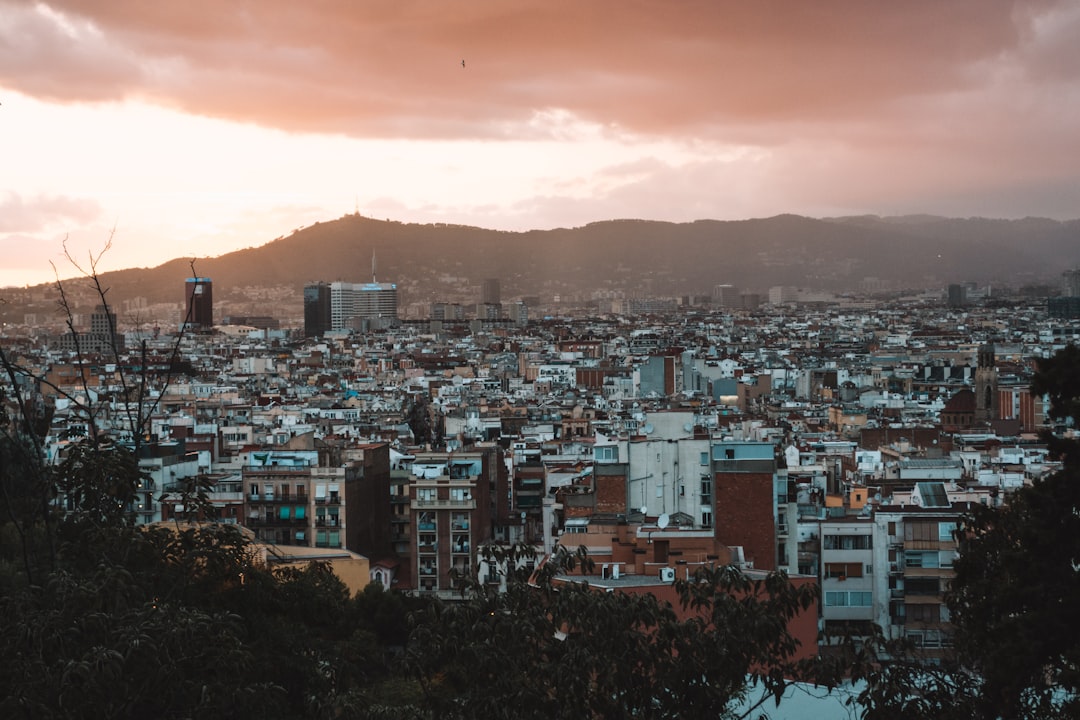
Both cities function excellently in February — after Carnival passes, tourist numbers are at their annual low.
Madrid: The Retiro Park in February has an austere beauty. The art museum circuit (Prado-Reina Sofía-Thyssen) runs without peak-season queues. ARCO (Feria Internacional de Arte Contemporáneo) runs in Madrid every February — the largest contemporary art fair in Spain, open to the public.
Barcelona: Carnival in Barcelona (Carnestoltes) is lower-key than Cádiz or Tenerife but includes a children’s parade (Rua de Carnestoltes) and the traditional Burial of the Sardine in the Gothic Quarter. After Carnival, February Barcelona has minimal foreign tourist presence — the Ramblas actually feel like a street rather than a crowd conveyor belt.
Budget in February
| Category | Budget | Mid-range |
|---|---|---|
| Accommodation (general) | €28–€65/night | €75–€170/night |
| Accommodation (Carnival cities) | €60–€150/night | €150–€300/night |
| Meals | €8–€15/meal | €20–€50/meal |
| Tenerife beach hotel | €50–€100/night | €120–€250/night |
Non-Carnival February is among Spain’s cheapest periods. Carnival weekend prices in Cádiz and Tenerife spike dramatically — everything else stays low.
The Short Version
February in Spain offers more than its reputation suggests. Cádiz Carnival is genuinely unmissable if you enjoy street festivals with satirical depth. Tenerife delivers Rio-quality spectacle in European time zones. The Sierra Nevada is at peak ski condition. And almond blossoms across Andalusia signal that spring — which will transform Spain by March — is already approaching. Outside the festival dates, February remains excellent-value Spain.
Plan your trip