Spain in January: Minimum Crowds, Three Kings, and Winter Sun in the South
Plan your trip
January is Spain’s reset month. The Christmas and New Year crowds are gone. The Three Kings parade on January 5–6 marks the final burst of holiday energy, and then the country returns to its quietest, most affordable state of the year. For independent travelers, it’s one of the most efficient months to visit — major sites nearly empty, prices at annual lows, and the southern coast warm enough for pleasant outdoor life.
Weather in January
Madrid: 2°C to 10°C. Cold, occasionally wet, sometimes snowy (though snow in central Madrid is rare). Wind from the sierra cuts through the city. Museums and galleries are ideal.
Barcelona: 8°C to 15°C. Mild by northern European standards but cool enough to require a coat. Occasional rain. The beach is out of season but the city is excellent.
Seville/Córdoba/Granada (Andalusia): 8°C to 16°C. Comfortably mild days — outdoor café culture continues year-round here. Cold nights.
Málaga/Costa del Sol: 12°C to 18°C. The warmest January in mainland Spain. Sunny days, comfortable for walking the Alcazaba and old town. Beach swimming not realistic but promenade walks are genuinely pleasant.
Canary Islands (Gran Canaria, Tenerife): 18°C to 24°C. The only place in Spain with genuine beach weather in January. Tenerife’s south sees 300+ days of sun annually; January is warm and reliably clear.
Three Kings (Reyes Magos) — January 5–6
The Feast of the Three Kings is Spain’s most important gift-giving occasion — more culturally significant than Christmas Day for most Spanish families. On the evening of January 5, Cabalgata de Reyes (Three Kings Parade) takes place in every Spanish city and town.
Madrid: One of the largest parades in the world — the city’s main parade along Gran Vía runs for hours with floats throwing candy to children. Enormous crowd; arrive early.
Barcelona: Multiple neighborhood parades plus the main city Cavalcada, arriving by boat at the port.
Seville: Lavish parade with elaborate floats through the historic center.
January 6 (Epiphany) is a national holiday — many businesses closed. The traditional food is Roscón de Reyes (king cake), sold in every bakery throughout January.
Ski Season
Spain has excellent skiing — less famous than the Alps but significantly cheaper and, in the south’s case, surreally scenic.
Sierra Nevada (Granada): The southernmost ski resort in Europe. February-March is peak season but January conditions are solid. The extraordinary feature: you can ski in the morning and drive to Granada city (45 min) or the coast (1.5 hours) in the afternoon. Lift passes significantly cheaper than comparable French or Swiss resorts.
Pyrenees (Baqueira Beret, Formigal, Candanchú): The premier Spanish ski destination — comparable conditions to the French Pyrenees, lower prices. Baqueira Beret is the most prestigious resort; Formigal has the most varied terrain.
Navacerrada/Guadarrama (near Madrid): Day-ski from the capital — small but accessible for urban weekenders.
January in the Cities
Madrid: The Prado, Reina Sofía, and Thyssen-Bornemisza run without queues in January. The entire Madrid art museum circuit — arguably Europe’s finest — is walkable in a week with minimal wait times. Mercado de San Miguel and Mercado de San Antón are fully operational and uncrowded.
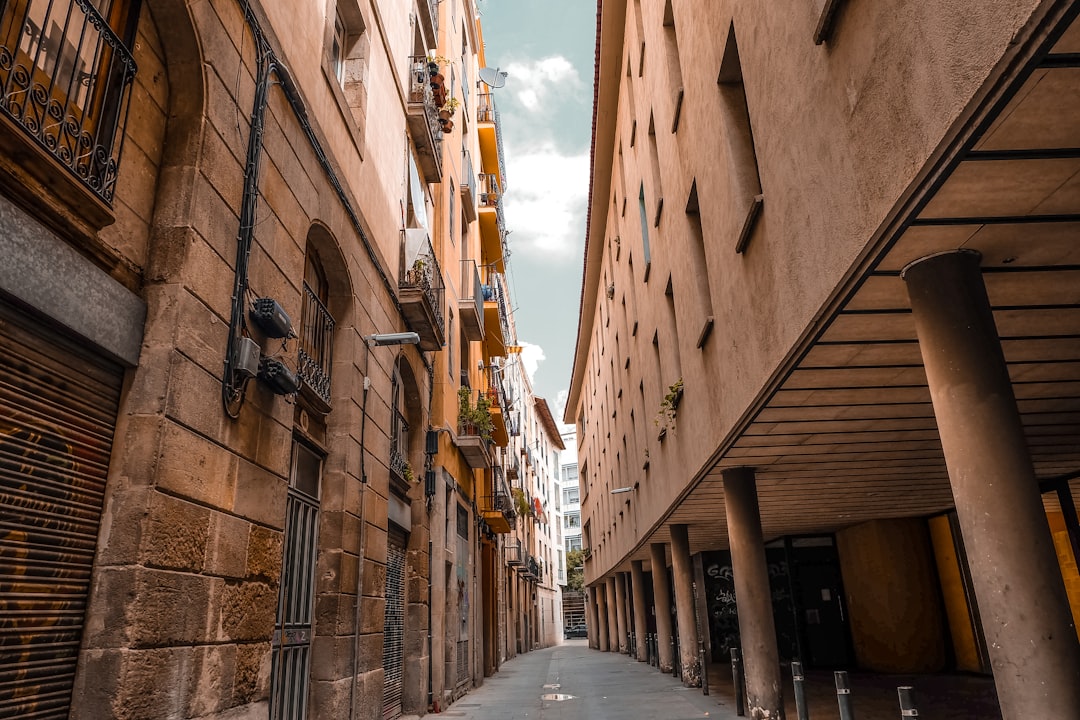
Barcelona: The Gothic Quarter, Sagrada Família (book tickets online — always required), and Park Güell are dramatically less crowded than summer. January prices for accommodation in Barcelona drop 40–60% below August rates.
Seville: January is locals-only Seville. The Real Alcázar, Cathedral, and Barrio de Santa Cruz operate at minimal capacity. Tapas bars in Triana and the Macarena neighborhood are fully occupied by sevillanos rather than tourists.
Granada: The Alhambra in January — book tickets weeks in advance (always sold out but more available than summer). The Albaicín hill with snow-capped Sierra Nevada backdrop is the best photograph in Spain in January.
Budget in January
| Category | Budget | Mid-range |
|---|---|---|
| Accommodation | €30–€70/night | €80–€180/night |
| Meals | €8–€15/meal | €20–€50/meal |
| Wine/beer | €1.50–€3/glass | same |
| Museum entry | €10–€20 | same |
January (post-January 6) is rock-bottom pricing across Spain — except the Canary Islands, which see a modest bump from northern Europeans chasing winter sun.
What to Skip in January
- Beach holidays on the mainland coast — possible in Málaga but not for swimming
- Rural Castile/Extremadura — the meseta in winter is cold and most rural tourism infrastructure closes
- Outdoor markets (smaller ones) — reduced schedules in January
Practical Notes
- Museum free hours: Many Spanish national museums are free on Sunday afternoons and certain weekdays — check individual museum websites. The Prado is free 6–8 PM daily.
- Restaurant schedules: Some smaller restaurants close for a week or two in early January for holidays. In tourist areas, full operation resumes January 7. In off-tourist towns, some close for the entire month.
- Siesta hours: More rigidly observed in January than summer — many shops closed 2–5 PM.
The Short Version
January is Spain at its most functional for the independent traveler — lowest prices, smallest crowds, excellent cultural programming, and a southern coast that remains genuinely pleasant. The Three Kings on January 5 is one of Europe’s best street festivals. After that, Spain empties and you get the country at its most unhurried.
Plan your trip