Zanzibar Practical Guide: Getting There, Getting Around & What to Budget
Plan your trip
Zanzibar is a semi-autonomous archipelago — the main island (Unguja) plus the smaller Pemba Island and dozens of uninhabited islets, politically part of Tanzania but with its own president and considerable autonomy. Unguja is almost universally called “Zanzibar” by visitors and most Tanzanians.
The island is 85 km long by 40 km wide, with Stone Town as its historic capital in the west and a string of beach areas along the north and east coasts. Getting around requires using the two main transport systems (dala-dala shared minibus and boda-boda motorcycle taxi) or renting a vehicle.
Getting to Zanzibar
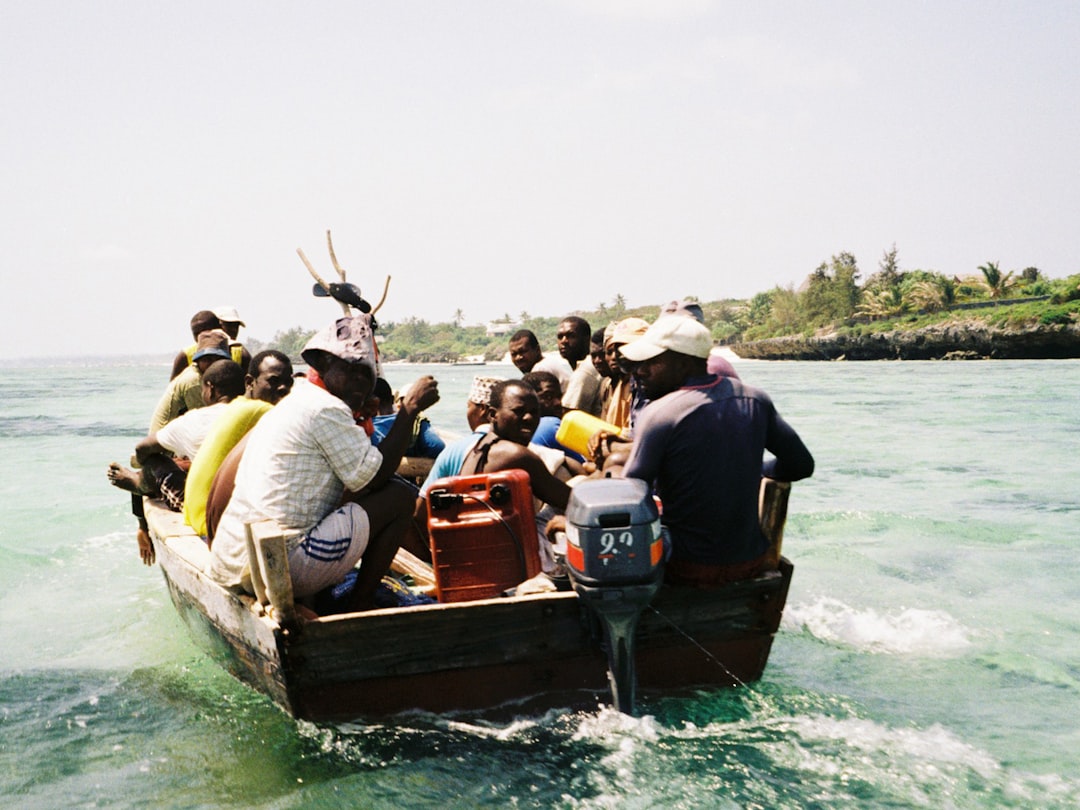
By ferry from Dar es Salaam: Fast catamaran ferries (Azam Marine, Kilimanjaro) cross in 1.5–2 hours. Fares: $35–50 one way. Multiple departures daily. The crossing can be rough December–March; book the earlier ferries (7 AM or 9 AM) when seas are typically calmer.
By ferry from Tanga or Pemba: Less common but possible for travellers approaching from northern Tanzania or combining with Pemba Island.
By air from Dar: Precision Air and Coastal Aviation fly 25 minutes ($50–80 one way). Better for those prone to seasickness or arriving late.
By air from Nairobi: Kenya Airways, Jambojet, and Fastjet fly Nairobi–Zanzibar directly (1.5 hours, $80–180 depending on season). Practical for combining a Kenya safari with a Zanzibar beach finish.
By air from Kilimanjaro/Arusha: Coastal Aviation and ZanAir fly directly from the safari circuits to Zanzibar, making it simple to end a Tanzania safari with a beach segment.
Getting Around the Island
Dala-Dala (Shared Minibus)
The main public transport — numbered routes covering all major destinations from the Darajani terminal in Stone Town. Cheap (TZS 500–2,000) but slow and crowded. Useful for budget travelers.
- Route 116: Stone Town to Nungwi (north coast)
- Route 206: Stone Town to Paje (east coast)
- Route 310: Stone Town to Jambiani (southeast)
Boda-Boda (Motorcycle Taxi)
Faster and more flexible than dala-dala for individual trips. Negotiate the fare first; typical cost TZS 5,000–15,000 depending on distance.
Car/Scooter Rental
The most practical option for visiting multiple beach areas in a day. Scooters rent for $20–30/day; small cars $50–80/day. Roads are paved on main routes; side roads to beaches can be rough (a 4WD or motorbike handles them better than a sedan).
Driving: On the left (as throughout Tanzania). The roads are narrow and shared with pedestrians, animals, and boda-bodas. Drive slowly, especially outside Stone Town.
Beach Areas
Nungwi (north coast): The most developed beach area — bars, restaurants, diving operations, and the classic “Zanzibar postcard” beach with white sand and turquoise water. Busy and sociable; less tranquil. The fishing village of Nungwi at the northern tip operates alongside the tourist strip.
Kendwa (north coast, west of Nungwi): Slightly quieter than Nungwi but increasingly developed. Famous for monthly full moon parties.
Paje (east coast): Best beach for kitesurfing — consistent southeast trade winds June–September. A younger, sportier scene with several international kite schools. The beach at low tide exposes the sandflats (good for walking; not great for swimming until the tide is in).
Jambiani (east coast): Quieter than Paje; still attractive but less infrastructure. Better for those seeking a more local feel.
Matemwe (northeast): More isolated, access to the Mnemba Atoll for diving. Fewer budget options; more upscale lodges.
Accommodation Costs
- Budget guesthouse: $15–40/night
- Mid-range hotel/lodge: $60–150/night
- Boutique beach resort: $150–350/night
- Luxury lodge (The Residence, Mnemba Island Lodge): $500–1,200/night
Stone Town accommodation tends to be cheaper than beach resorts for equivalent quality. For beach areas, boutique lodges with a pool and direct beach access are the sweet spot at $100–200/night.
Costs
- Ferry: $35–50 one way
- Street food (chipsi mayai or urojo soup): $1–3
- Restaurant meal: $10–25/person
- Dala-dala across island: $0.50–2
- Scooter rental per day: $20–30
- Guided spice tour: $20–35
- PADI Open Water dive course: $350–450
Daily budget (mid-range beach area, including accommodation): $80–150/person.
Best Time to Visit
June–October (dry season): Best weather — low humidity, clear skies, calm seas (Indian Ocean northeast monsoon). Peak diving visibility. Peak tourist season; book accommodation 3–4 months ahead for this window.
December–February: Also dry and warm, with the northeast monsoon. Good conditions on the north and west coasts.
March–May (long rains): Heavy seasonal rains — some roads flood, beach time is limited, accommodation is cheapest. Not recommended for a beach-focused visit.
November (short rains): Brief rainy season, manageable; prices dip slightly.
Plan your trip