Zanzibar Travel Guide: Stone Town, Beaches & Spice Islands
Plan your trip
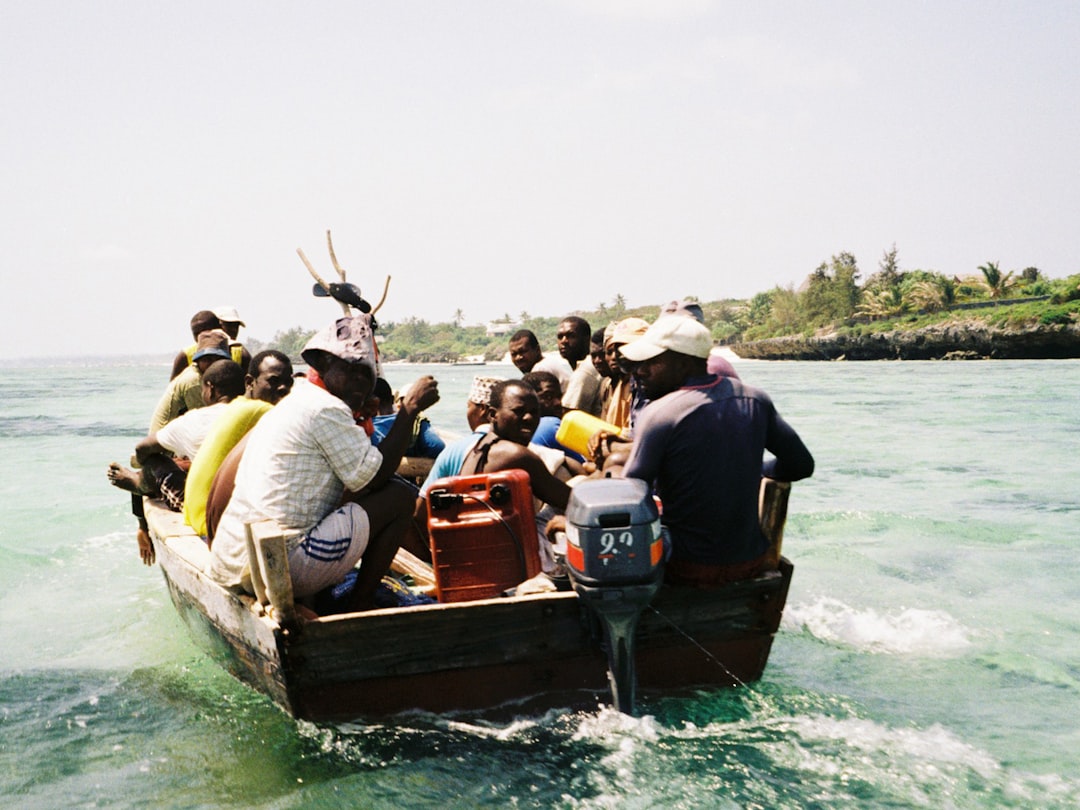
Zanzibar is an archipelago off the Tanzanian coast — a semi-autonomous region within Tanzania consisting of Unguja (the main island, commonly called “Zanzibar”) and Pemba. For centuries it was the hub of the Indian Ocean spice trade and, more darkly, the East African slave trade — both histories visible in the physical fabric of Stone Town, its ancient capital. Today it’s the beach-and-culture addendum to a Tanzania safari, or a standalone Indian Ocean island destination.
Stone Town (Mji Mkongwe)
UNESCO World Heritage Site | Accessible on foot from the harbor
The old town of Zanzibar City — a dense maze of narrow lanes lined with coral stone buildings, carved wooden doors, mosques, Hindu temples, and bazaars — has been continuously inhabited for over 1,000 years. The buildings reflect the successive layers of Zanzibari history: the original Swahili stone architecture, the Omani Arab period (1698–1890 when Zanzibar was ruled by the Sultanate of Oman), the British colonial period, and post-independence.
The Carved Doors
The ornately carved wooden doors of Stone Town are the most celebrated visual element — each door announces the wealth and status of the household behind it, with Arabic-influenced geometric and floral carving, brass studs (originally repelling elephants), and in the Indian-influenced doors, rounded arches and more elaborate relief carving. Over 500 carved doors remain; the older examples are in the neighborhood around the Old Fort and the Darajani Market.
The House of Wonders (Beit el-Ajaib)
The largest building in Stone Town — built by Sultan Barghash in 1883 as a ceremonial palace, the first building in East Africa to have electricity and an elevator. The exterior with its iron-railed verandas and clocks is the defining Stone Town image. The interior is currently undergoing restoration.
The Old Fort (Ngome Kongwe)
A 17th-century Arab fort on the seafront — built by the Omani Arabs on the site of a Portuguese chapel (the Portuguese controlled Zanzibar briefly 1503–1698). Now an arts and cultural center with a small amphitheater. Free to enter.
The Slave Trade Memorial
The Anglican Cathedral of Christ Church (1877) was built by the Anglican bishop on the site of the last Arab slave market in East Africa — a deliberate act of symbolic displacement. The altar is positioned where the whipping post stood. A sculpture in the cathedral grounds (by Clara Sörnäs, 1998) depicts a group of chained slaves. The slave history of Zanzibar is confronted here more directly than anywhere else on the island.
The Underground Slave Chambers: Beneath a house adjacent to the cathedral, the holding chambers where enslaved people were kept before market are preserved — small, low-ceilinged stone rooms with minimal ventilation. Guided access through the cathedral complex.
Freddie Mercury’s Birthplace
Freddie Mercury (born Farrokh Bulsara) was born on Zanzibar in 1946 to a Parsi family; his family emigrated when he was a child. A commemorative marker on Kenyatta Road and a bar (Mercury’s, on the seafront) mark the connection. The Zanzibar International Film Festival (annually in June/July) uses Freddie Mercury Square.
The Beaches
North Coast (Nungwi, Kendwa)
The north coast beaches have the most consistent clear water year-round — protected from the southeast monsoon, the water is calmer and more swimmable in the main season. Nungwi is the most developed (beach bars, diving, snorkeling, dhow trips) but also the most crowded. Kendwa (2 km west of Nungwi) is less built-up with a fuller moon party tradition.
Best for: Swimming (gentle water, no seaweed), diving (Mnemba Atoll is 10 km offshore — excellent coral and marine life), and sunset watching (west-facing).
East Coast (Paje, Jambiani)
The east coast faces the Indian Ocean directly — wider, whiter sand, more open-water feel, and the famous seaweed that is harvested by local women in low tide (the east coast has a significant seaweed farming industry, worth watching). Stronger tide patterns mean snorkeling requires timing; kitesurfing conditions are excellent (Paje is East Africa’s main kitesurfing destination).
Best for: Kitesurfing (Paje), wider beach experience, less tourist density than the north, authentic fishing village character at Jambiani.
Spice Tours
Zanzibar was called the “Spice Island” for its production of cloves, nutmeg, cinnamon, black pepper, vanilla, and cardamom. Spice tours — visits to working spice farms 10–15 km from Stone Town — last 2–3 hours and include walking through growing spice plants, tasting fresh nutmeg and cinnamon, and seeing clove trees (Zanzibar was the world’s largest clove producer for much of the 20th century). Available through any Stone Town guesthouse or tour operator. Half-day, ~$20–30 per person.
Combining Zanzibar with a Safari
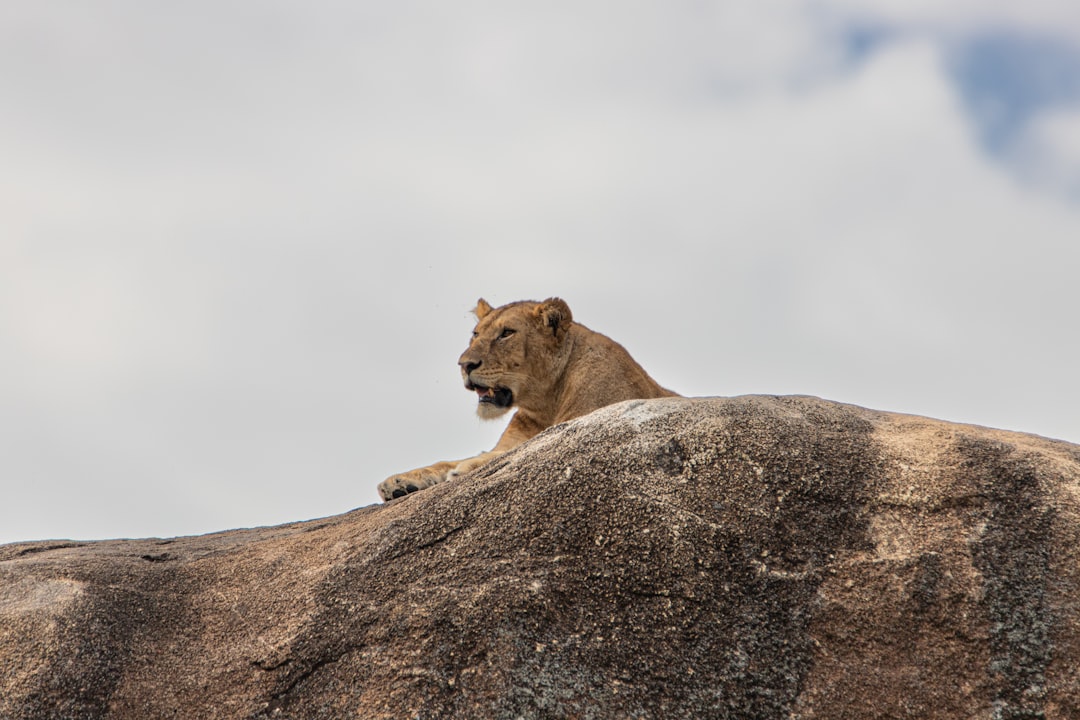
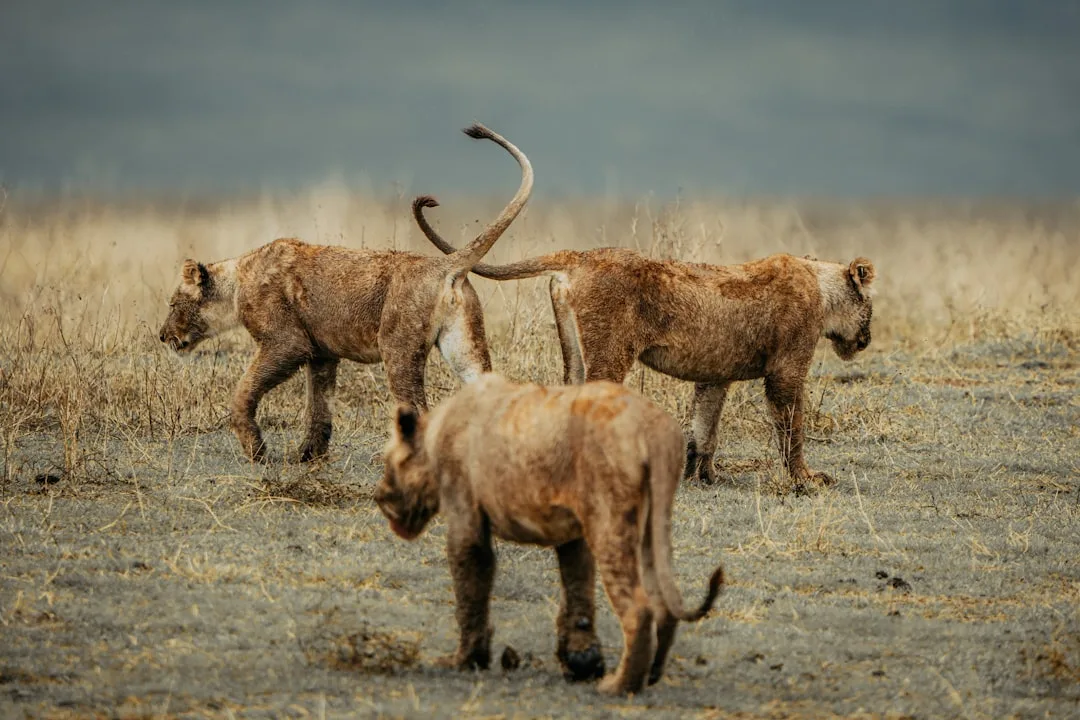
The classic Tanzania trip — 5–7 days safari (Serengeti, Ngorongoro, Tarangire) + 3–5 days Zanzibar — is one of the best travel combinations available. The transition from the red dust of the northern plains to the Indian Ocean coast in 45 minutes (Kilimanjaro Airport to Zanzibar by short-haul flight) is genuinely jarring in the best possible way.
Flights: Multiple daily flights between Kilimanjaro (JRO) and Zanzibar (ZNZ) on Precision Air and Coastal Aviation. ~1 hour, ~$100–150 one way.
Timing: End the safari with Zanzibar — the beach serves as recovery from the physically demanding game drive days.
Practical Notes
Getting to Zanzibar: Flights from Dar es Salaam (20 min, multiple daily), Kilimanjaro (1 hour), Nairobi (1.5 hours), and international connections via Nairobi or Dar es Salaam.
Currency: Tanzanian Shilling (TZS). USD widely accepted. Cards accepted at most tourist hotels; cash essential in Stone Town markets.
Visa: Same visa system as mainland Tanzania — the single visa covers both.
Best season: June–October (dry, clear water, stable conditions). December–February (short dry season, also good). March–May are the long rains.
Accommodation: Stone Town guesthouses occupy historic coral-stone buildings — the most atmospheric options are the converted merchant houses (Emerson on Hurumzi, Zanzibar Serena Inn, Stone Town Boutique Hotel). Beach hotels range from budget banda (thatch huts) to luxury resorts.
Plan your trip