Arusha Travel Guide: Safari Gateway & Northern Tanzania Hub
Plan your trip
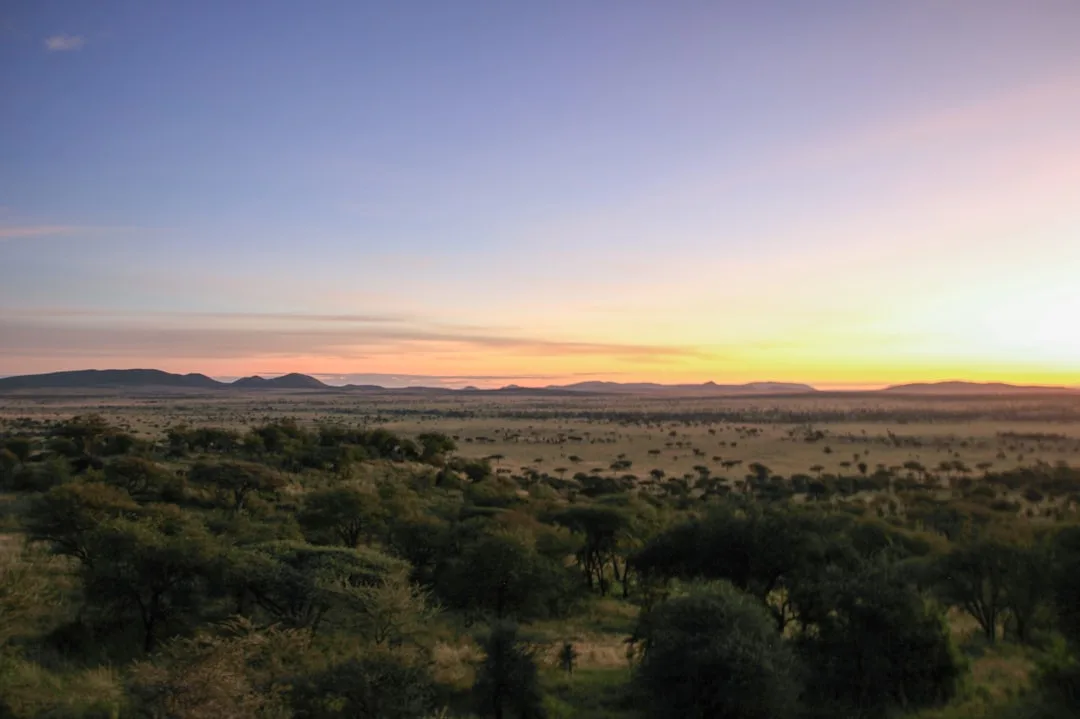
Arusha is a functional city that has become, largely by geographic luck, the safari capital of East Africa. Sitting at the foot of Mount Meru (4,566m) and equidistant between Nairobi and Dar es Salaam, it’s the staging post for Tanzania’s northern safari circuit — the Serengeti, Ngorongoro Crater, Tarangire National Park, and Lake Manyara. The entire industry of arranging, provisioning, and guiding these safaris is centered here.
It’s not a destination in itself in the way Zanzibar or the Serengeti are. But it rewards a day or two of attention — particularly Arusha National Park, which is an undervisited gem sitting 25 km east of the city.
Arusha National Park
25 km east of Arusha | Entry: $45/day for foreign visitors
Consistently underrated and undervisited — the proximity to Arusha makes it a day-trip destination for groups in transit, and it lacks the marquee predators (no lions, leopards, or cheetahs) that define the northern circuit parks. What it does have is extraordinary:
Mount Meru: Tanzania’s second-highest mountain at 4,566m — a 4-day trekking route with exceptional scenery and a fraction of Kilimanjaro’s crowds. The summit crater rim walk is technically more challenging than Kilimanjaro’s standard routes. Many climbers use Meru as acclimatization for Kilimanjaro.
Ngurdoto Crater: A small, perfect volcanic crater whose floor is a closed forest reserve — no vehicles allowed in, only viewed from the rim. The density of buffalo and other game on the crater floor visible from above is remarkable.
Momella Lakes: Seven shallow alkaline lakes each a different shade of green and blue (different algae compositions). Flamingo populations, hippos, and exceptional birdlife. Canoe safaris on the lakes are available.
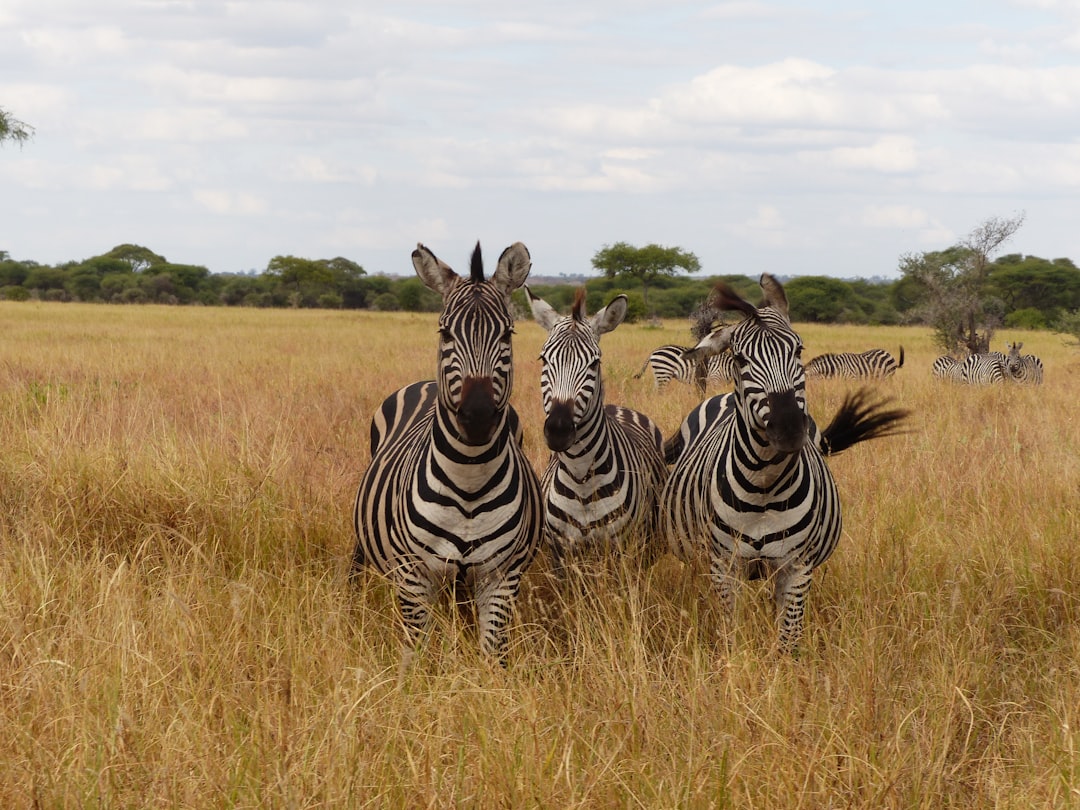
Wildlife: Giraffe, zebra, hippo, elephant, buffalo, colobus monkey, and baboon. The absence of the big cats means walking safaris are permitted — a fundamentally different experience from game-drive-only parks.
The City
Arusha Town Center
Functional rather than beautiful — a junction of broad roads, mobile money kiosks, safari company offices, and the Clock Tower that serves as the city’s central reference point. The central market (Soko Kuu) is worth exploring for produce and the standard East African market atmosphere.
The Cultural Heritage Centre
A complex on the Nairobi highway 2 km from the center — Tanzania’s largest collection of art, crafts, and cultural artifacts, organized as both a museum and a shopping opportunity. Maasai jewelry, Makonde carvings, Tingatinga paintings, and imported East African crafts from across the region. The quality varies enormously; the higher-end sections have genuinely excellent pieces. Prices are fixed and high; a starting point for understanding Tanzanian craft before buying at more competitive prices in Stone Town or Zanzibar markets.
Arusha Declaration Museum
A museum covering the history of the Arusha Declaration (1967) — Julius Nyerere’s socialist ujamaa policy statement, a significant document in African post-independence history. Small and focused; worthwhile for historical context about Tanzania’s development path.
Booking a Safari from Arusha
Arusha has hundreds of safari operators ranging from professional, established companies to unlicensed touts. The density of operators has produced significant variance in quality.
The tier system:
- Budget safaris ($100–200/day): Shared vehicle, lower-quality lodges or camping, less experienced guides. Functional for seeing wildlife on a tight budget.
- Mid-range ($200–400/day): Private or semi-private vehicle, comfortable lodges, experienced guides.
- High-end ($400–800+/day): Private vehicle, premium lodges (often in exclusive concessions), expert naturalist guides.
What to watch for:
- Operators registered with TATO (Tanzania Association of Tour Operators) have met minimum standards.
- The vehicle matters: ask specifically if you’ll have a private 4WD with a roof hatch (standard for game drives) or a shared minibus (cheaper but more crowded and lower seating).
- Guide experience and English quality varies significantly — this is the most important factor in safari quality beyond park choice.
Negotiating: Walk-in prices are often negotiable, particularly in shoulder season. The best operators don’t need to negotiate aggressively; pressure selling is a warning sign.
Getting There
Kilimanjaro International Airport (JRO): 50 km east of Arusha, serving international routes from Amsterdam (KLM), Addis Ababa (Ethiopian), Nairobi (several carriers), and Doha (Qatar). Taxi to Arusha: ~$40–50.
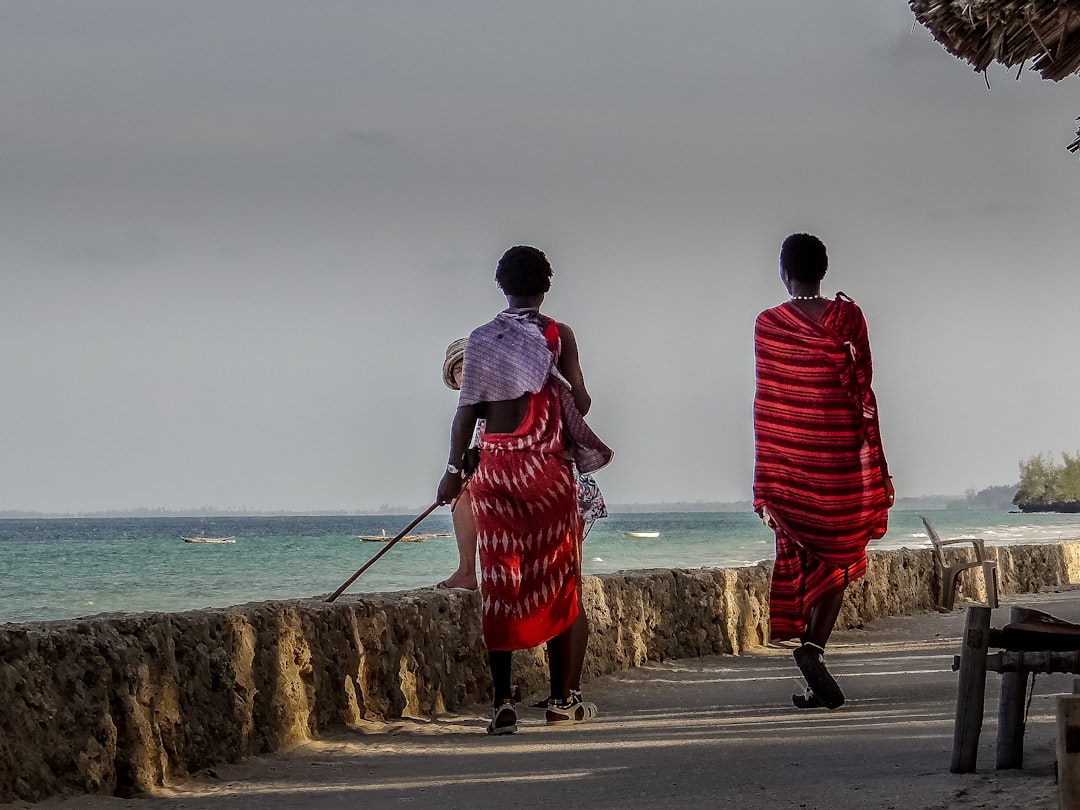
From Nairobi: 4–5 hours by road (border crossing at Namanga). Several shuttle services operate daily — Impala Shuttle and Riverside Shuttle are the main options ($25–35 one way). The overland route is scenic, passing through Maasai territory and approaching Kilimanjaro from the north.
From Dar es Salaam: 8–9 hours by bus (Dar Express is the most reliable operator) or 1.5-hour flight on Precision Air or Coastal Aviation.
Where to Stay
In town: Arusha is a functional overnight base before early-morning safari departures. Mid-range guesthouses cluster around the Haile Selassie Road area. L’Oasis Lodge (2 km from center, quiet garden setting) is a reliable mid-range choice; Outpost Lodge (closer to center) is popular with backpackers.
Out of town: The lodges on the Arusha–Moshi road east of the city and around Usa River (below Mount Meru) are a better sleeping environment than the city center — quieter, more garden space, and still within 30 minutes of town. Rivertrees Country Inn is the most established of these.
Practical Notes
Safety: Arusha has more street touts and scammers targeting tourists than most Tanzanian cities — a function of the large volume of money flowing through the safari industry. Walk confidently, decline approach from strangers offering tour deals, and book safaris through established offices rather than with sidewalk operators.
Currency: Tanzanian Shilling (TZS). USD accepted at most tourist establishments (preferred for park fees). Get shillings from ATMs in the center.
Health: Malaria prophylaxis required. The Arusha area is lower-risk than coastal Tanzania but not zero-risk. Yellow fever vaccination is required if arriving from endemic countries; recommended regardless.
Plan your trip