Thailand in August: Gulf Coast Peak, Green Season, and the Best Ko Samui Month
Plan your trip
August is Thailand’s Gulf coast month. European and Australian school holidays drive significant tourist flow to Ko Samui, Ko Phangan, and Ko Tao — creating a mini peak season on the east coast while the Andaman coast remains in monsoon. For beach travelers, the Gulf of Thailand in August delivers excellent conditions, warm water, and an energetic, international crowd. The rest of Thailand (Andaman, north, Bangkok) continues at low season.
Weather in August
Bangkok: 27°C to 34°C. Hot with regular afternoon and evening rain — the wettest period of the year. Mornings are often partially clear.
Chiang Mai: 24°C to 33°C. Wet season continues — heavy afternoon rain. The north is deep green, waterfalls at full power.
Phuket/Andaman Coast: 26°C to 33°C. Monsoon continues — regular heavy rain, rough seas. Not beach season.
Ko Samui/Gulf Coast: 27°C to 33°C. August is the best month on the Gulf coast — dry season at its most reliable, sea calm, sun strong.
Ko Tao: 27°C to 33°C. Excellent diving conditions — visibility 20–25 meters on clear days, water 29°C.
Ko Samui in August
August is Ko Samui’s best month of the year for beach conditions:
- Chaweng beach: The main beach strip is busy — European families, Australian backpackers, and Asian tourists create a genuinely international scene. Chaweng Noi (the quieter southern section) is slightly calmer.
- Maenam (north coast): The most local-feeling beach on Ko Samui — village culture alongside the beach strip, kitesurfing in the northern breezes.
- Nathon (west coast): The actual town of Ko Samui — the ferry port, local markets, Thai-owned restaurants. Rarely visited by resort tourists.
- Ang Thong Marine National Park: Day trip from Ko Samui — archipelago of 42 islands, the lagoon at Ko Mae Ko (the inspiration for The Beach). Boat tours run daily in August sea conditions.
Ko Phangan in August
August is one of the busier Full Moon Party months — European summer combined with the festive reputation. The Haad Rin party area swells to its year high; the quieter parts of the island see spillover tourist activity:
- Thong Nai Pan Noi (east coast): Ko Phangan’s most beautiful bay — accessible only by dirt road or boat. Quieter than the west coast in August.
- Haad Salad and Haad Yao (northwest): Still good diving and snorkeling from the beach.
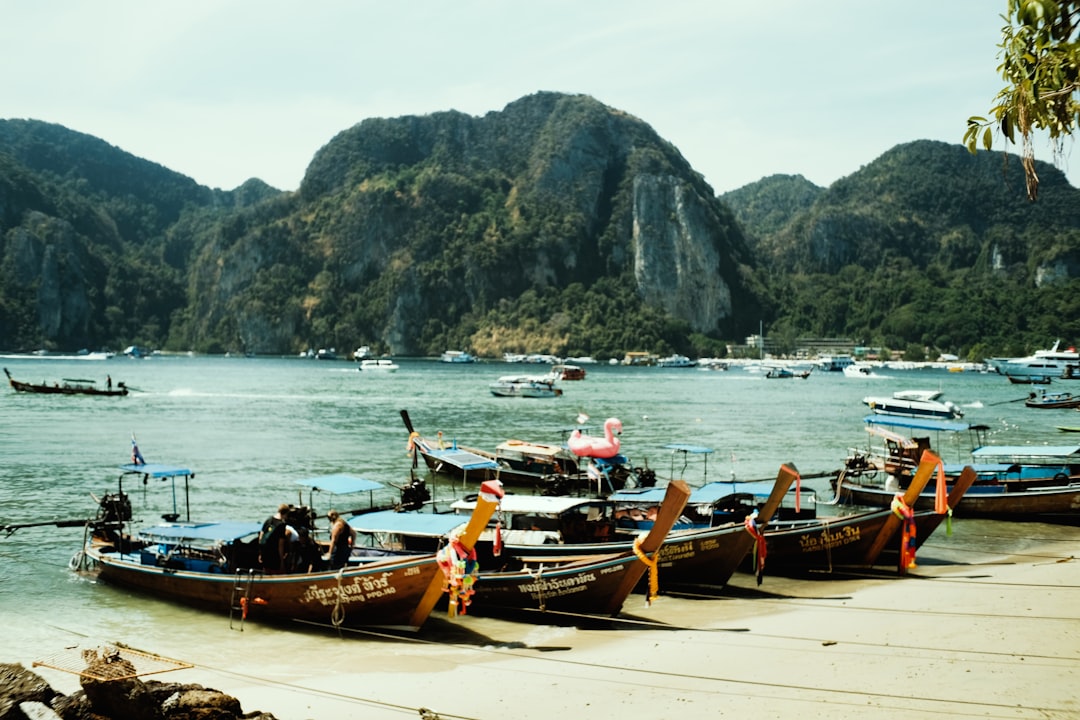
- Five Islands tour: Ko Phangan day trip to the surrounding smaller islands — snorkeling, beaches, longtail boat. Fully operational in August.
Ko Tao in August
August is excellent for Ko Tao — diving peak season on the Gulf:
- Whale shark encounters: Less common than February-April but possible; Chumphon Pinnacle and Sail Rock remain the best sites
- Visibility: 20–25 meters typical — excellent for photography and video
- Night dives: The warm August water supports vibrant night diving — octopuses, nudibranchs, moray eels active after dark
- Snorkeling: Japanese Gardens, Aow Leuk Bay — excellent reef snorkeling accessible without dive equipment in August sea conditions
Bangkok in August
Bangkok in August is at its wettest — but the street food culture is fully operational:
- Yaowarat (Chinatown) evening: The gold-signed street fills with food stalls and hawkers from 6 PM. August rain usually holds off until evening; if it doesn’t, the covered sections continue regardless.
- Khao San Road: The backpacker hub is at its most international in August — European summer holiday travelers make this the busiest month of the year on the Khao San area.
- The Chatuchak alternatives: JJ Weekend Market alternatives: Or Tor Kor market (high-end food market adjacent to Chatuchak), Train Market Talad Rod Fai (vintage/cool goods), Amphawa floating market (weekend, 1.5 hours from Bangkok).
Northern Thailand in August
Chiang Mai in August is for travelers who embrace rain:
- Sunday Walking Street: The most atmospheric night market in Chiang Mai — runs despite rain, with vendors under awnings
- Cooking classes: Multiple half-day cooking class operators in Chiang Mai include a market visit (Mae Jo or Ton Lam Yai markets)
- Elephant Nature Park: The full-day ethical elephant sanctuary visit runs year-round; August river bathing with the elephants is at its most dramatic with the river at high volume
Floating lantern festivals: Several festivals in northern Thailand (Chiang Mai province) release khom loi (sky lanterns) at nighttime religious events in August-September. Not the same scale as Yi Peng (November), but smaller local lantern releases happen through the rainy season.
Budget in August
| Category | Budget | Mid-range |
|---|---|---|
| Accommodation (Ko Samui) | $25–$65/night | $90–$220/night |
| Accommodation (Ko Tao) | $18–$45/night | $60–$140/night |
| Accommodation (Phuket, low season) | $20–$50/night | $60–$150/night |
| Accommodation (Bangkok) | $12–$35/night | $50–$120/night |
| Full Moon Party entry | $10–$20 stamp | — |
Gulf coast prices rise modestly from June-July lows due to European summer demand, but remain well below January-February peak. Andaman coast stays at minimum pricing.
The Short Version
August is Gulf coast Thailand — Ko Samui at its best, Ko Tao diving at peak visibility, Ko Phangan at maximum Full Moon Party energy. The rest of Thailand (Andaman, north) operates at green season pricing and green season conditions. If you’re going for Gulf beaches and diving, August is one of the better months. If you’re doing a full-country trip, August works with the east-coast-first strategy: beaches and diving in the Gulf, then Bangkok, then Chiang Mai with the rain factored in.
Plan your trip