One Week in Thailand: The Perfect 7-Day Itinerary
Plan your trip
Seven days in Thailand gives you a taste of three very different worlds: Bangkok’s electric urban energy, the mountain culture of the north, and the turquoise water of the south. This is the classic first-timer’s route — and it’s classic for excellent reasons.
Days 1–2 – Bangkok
Day 1 – Temples & the River: Bangkok’s most iconic sights cluster along and near the Chao Phraya River. Start at Wat Phra Kaew (the Temple of the Emerald Buddha) inside the Grand Palace complex — Thailand’s most sacred site, a compound of gilded spires, intricate mosaics, and ceremonial buildings. Arrive early to beat the crowds and wear modest clothing (no shorts or sleeveless tops — cover-up rentals available).
Walk 10 minutes to Wat Pho — home to a 46-metre gold-plated reclining Buddha and the birthplace of Thai massage. Get a traditional massage here; it’s one of Bangkok’s best experiences (€8 for 30 minutes).
Take the ferry across the river to Wat Arun (Temple of Dawn) — best seen from the east bank at sunset when it glows above the river. Climb the steep prang (tower) for views over the royal district.
Evening: the covered lanes of Chinatown (Yaowarat Road) for some of Bangkok’s best street food — grilled seafood, noodle soup, mango sticky rice, and dim sum.
Day 2 – Markets, Malls & Nightlife: Bangkok is a city of contrasts. Morning: Chatuchak Weekend Market (Saturdays and Sundays only) — 15,000 stalls in a labyrinthine market selling everything from vintage clothing to live animals to art. The world’s largest weekend market.
Or, on a weekday: the floating markets at Damnoen Saduak (touristy but photogenic) or the Maeklong Railway Market, where vendors fold back their stalls as a train passes through at street level.
Afternoon: the futuristic Siam shopping district for air-conditioned respite, then the rooftop bars of Silom — Sky Bar at Lebua State Tower (from the Hangover 2 film) or Vertigo at Banyan Tree for sunset views.
Days 3–4 – Chiang Mai
Fly or take an overnight train north to Chiang Mai — Thailand’s northern capital, set in a valley surrounded by mountains, with a well-preserved moat-encircled old city full of temples.
Day 3: The Old City walled district has 300+ temples — the most important being Wat Chedi Luang (a 14th-century ruined chedi that was once the tallest structure in Chiang Mai) and Wat Phra Singh (elegant Lanna-style temple with important Buddha images). The Sunday Walking Street along Wualai Road is one of Thailand’s best markets.
Day 4: Hire a songthaew (red truck taxi) up the mountain to Doi Suthep — Chiang Mai’s iconic mountain temple, reached via 306 steps with naga serpent balustrades. The views over the city are extraordinary on clear days.
Afternoon: elephant sanctuary visit. Several ethical sanctuaries outside Chiang Mai offer half-day experiences where you feed, bathe, and walk with rescued elephants without riding them. Elephant Nature Park and BEES (Better Ethical Elephant Sanctuary) are highly regarded.
Evening: the famous Night Bazaar along Chang Khlan Road, or the more local Nimman neighbourhood for craft beer and good restaurants.
Days 5–7 – Southern Islands
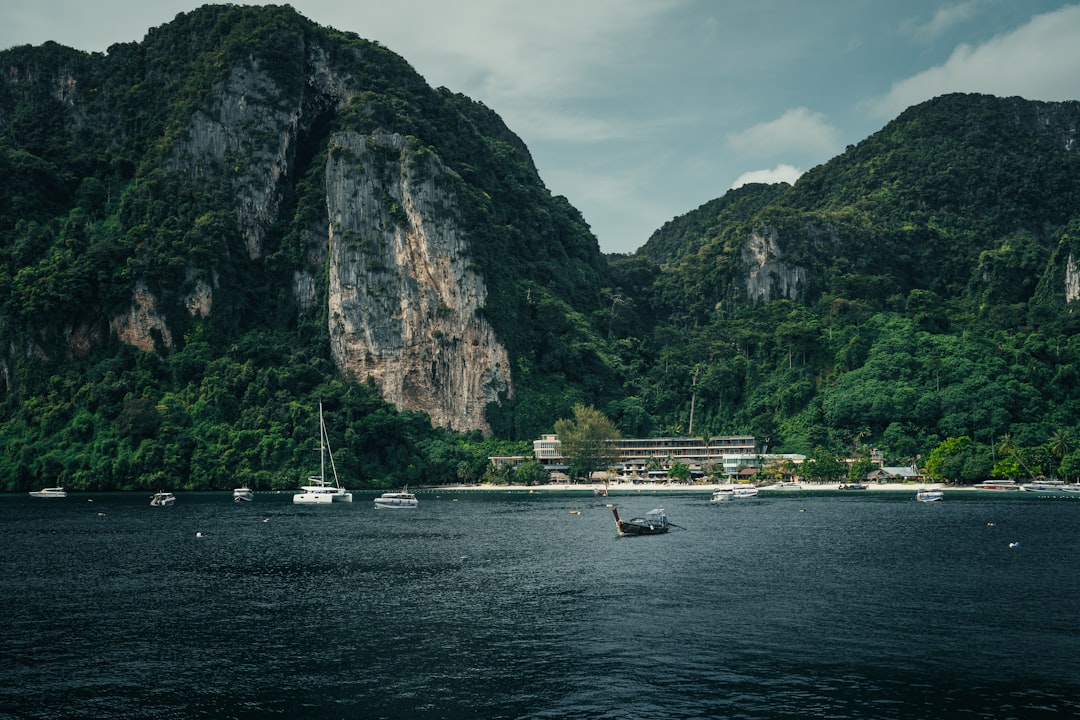
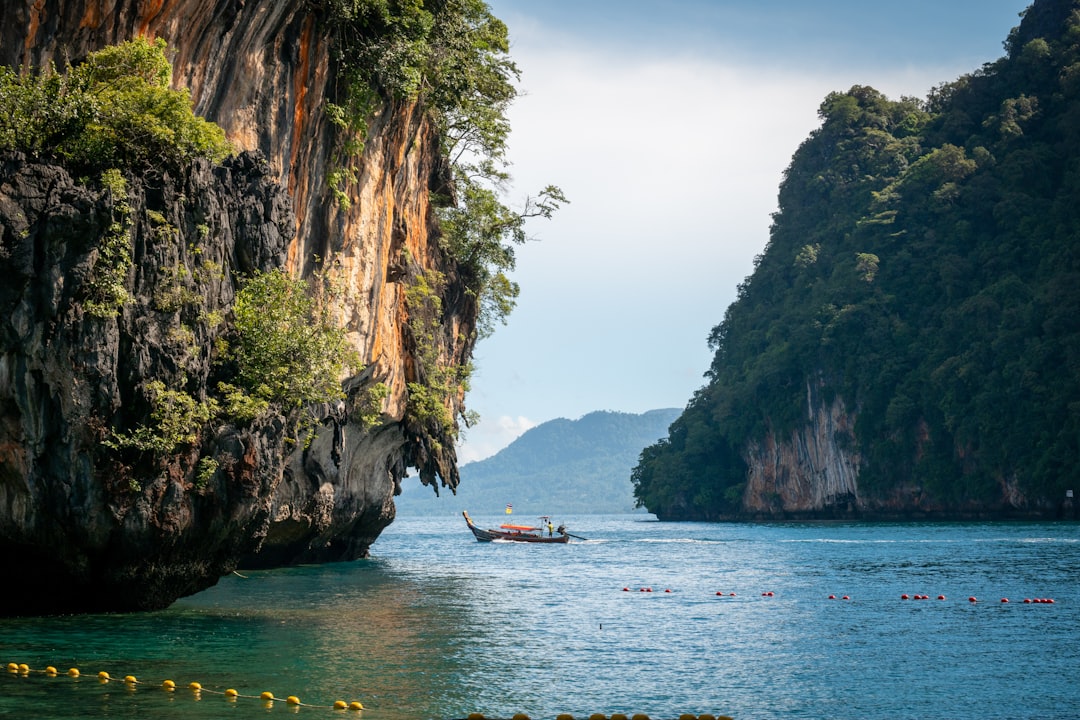
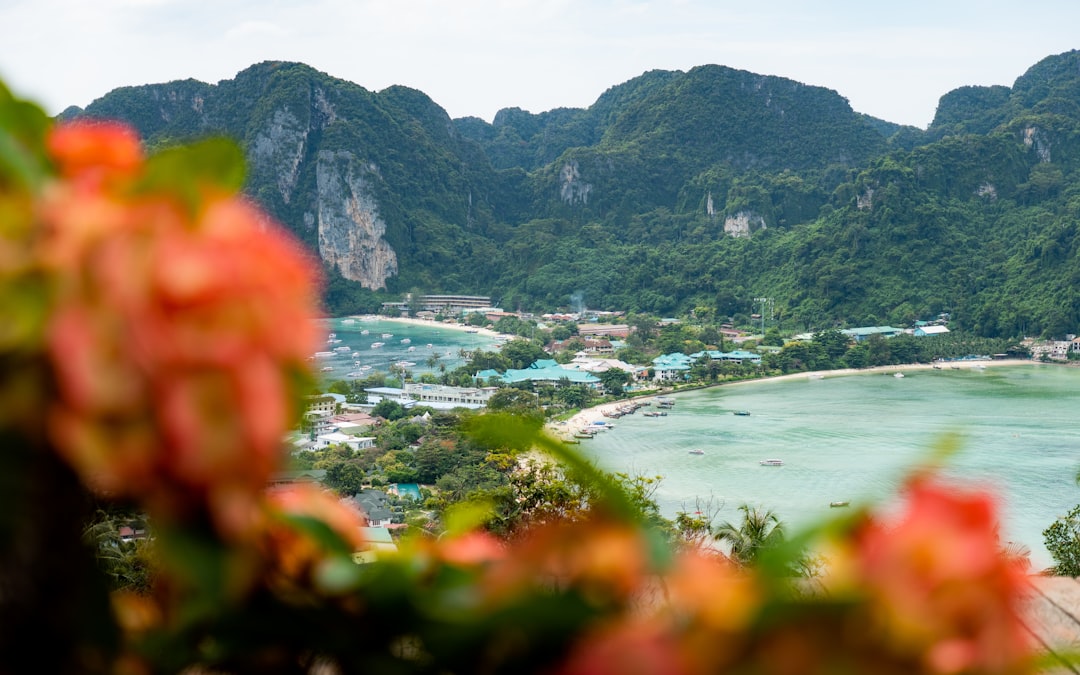
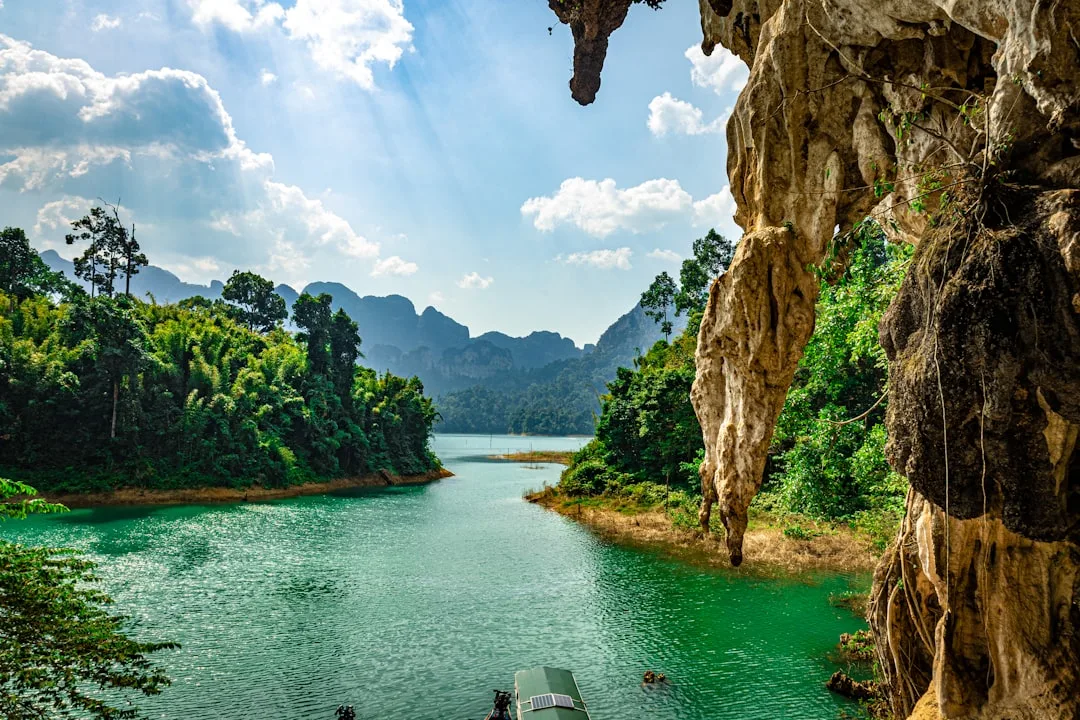
Fly from Chiang Mai to Koh Samui or Krabi (most 1-hour flights). Thailand’s southern islands are extraordinary — limestone karsts rising from turquoise water, white sand beaches, and some of the best snorkelling in Southeast Asia.
Krabi area (recommended for first-timers):
- Railay Beach — only accessible by boat, hemmed in by towering limestone cliffs. Thailand’s most dramatic beach.
- 4 Islands tour — boat trip visiting Koh Mor, Koh Tub, Koh Gai, and Koh Kradan for snorkelling among coral reefs and fish.
- Ao Nang town — the main hub, with restaurants, beach bars, and easy boat connections.
Or Koh Samui area:
- Ang Thong National Marine Park — archipelago of 42 islands by boat, emerald lagoons, and hiking.
- Koh Phangan — less touristy than Samui, with excellent snorkelling at Haad Rin and Thong Nai Pan.
Practical Notes
Bangkok transport: BTS Skytrain and MRT metro for main routes; Grab (Thai Uber) for everywhere else. Tuk-tuks are for short hops (negotiate the price first).
Clothing for temples: Shoulders and knees must be covered. Many temples lend sarongs for free.
Tipping: Not traditional in Thailand but now expected in tourist areas: 20–40 baht (€0.50–1) per service.
Currency: Thai Baht (฿). ATMs widely available; use airport or bank ATMs to avoid high fees.
Best time: November–April (cool, dry season). Avoid May–October (monsoon — especially the gulf coast).
Plan your trip