Monteverde & Santa Elena Guide: Cloud Forest, Zip-Lines & Quetzals
Plan your trip
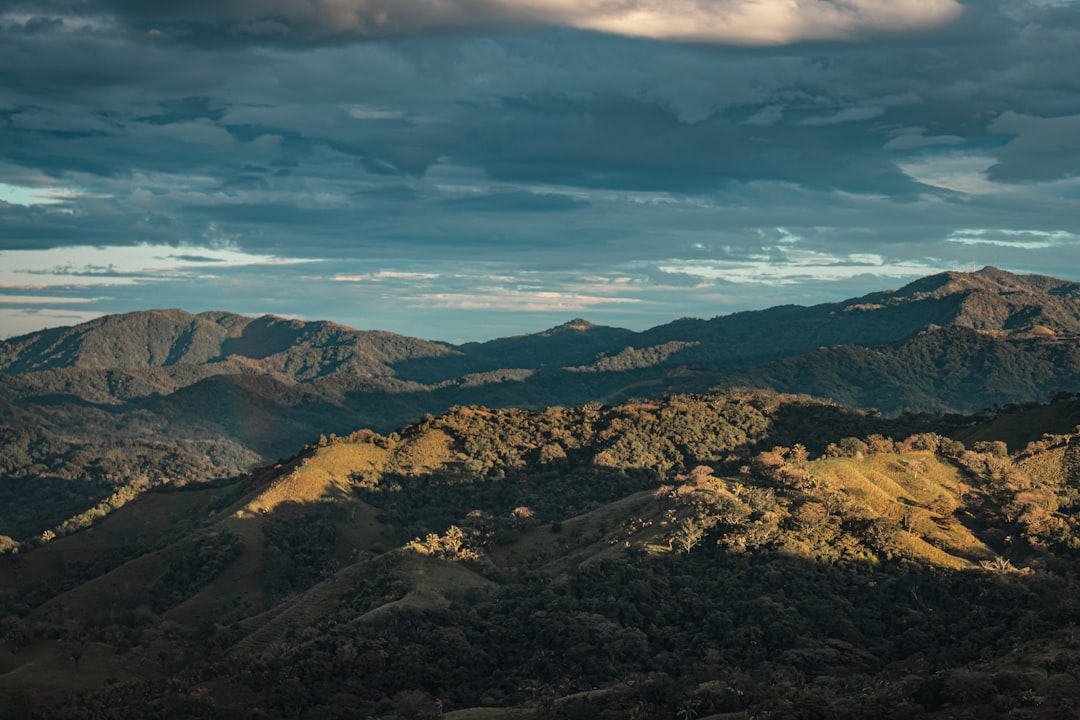
Monteverde sits in the mountains above the Nicoya Peninsula at 1,400–1,800m elevation — high enough that the continental divide forces Caribbean and Pacific air masses to collide here, producing perpetual cloud and a specific ecosystem found almost nowhere else. The cloud forest depends on this moisture: orchids, bromeliads, mosses, and ferns cover every surface; the trees are draped in epiphytes to the point of grotesquerie; visibility at treetop level is often measured in meters.
The town of Santa Elena is the service hub; the Monteverde Cloud Forest Biological Reserve (a private reserve administered by the Tropical Science Center since 1972) and the Santa Elena Cloud Forest Reserve (administered by the local high school) are 5–10 km uphill. This is one of Costa Rica’s most visited destinations and one of the most biologically remarkable places accessible to non-specialist visitors in the western hemisphere.
The Cloud Forest Reserves
Monteverde Cloud Forest Biological Reserve
5 km from Santa Elena | Entry: $25/person | Open 7 AM–4 PM
The original cloud forest reserve — 10,500 hectares of protected old-growth cloud forest with 13 km of marked trails. The canopy here is multi-layered and visually unlike lowland tropical forest: shorter trees (maximum 30–35m, compared to 50m+ in lowland jungle), enormous loads of epiphytes, and persistent cloud that moves through the trees.
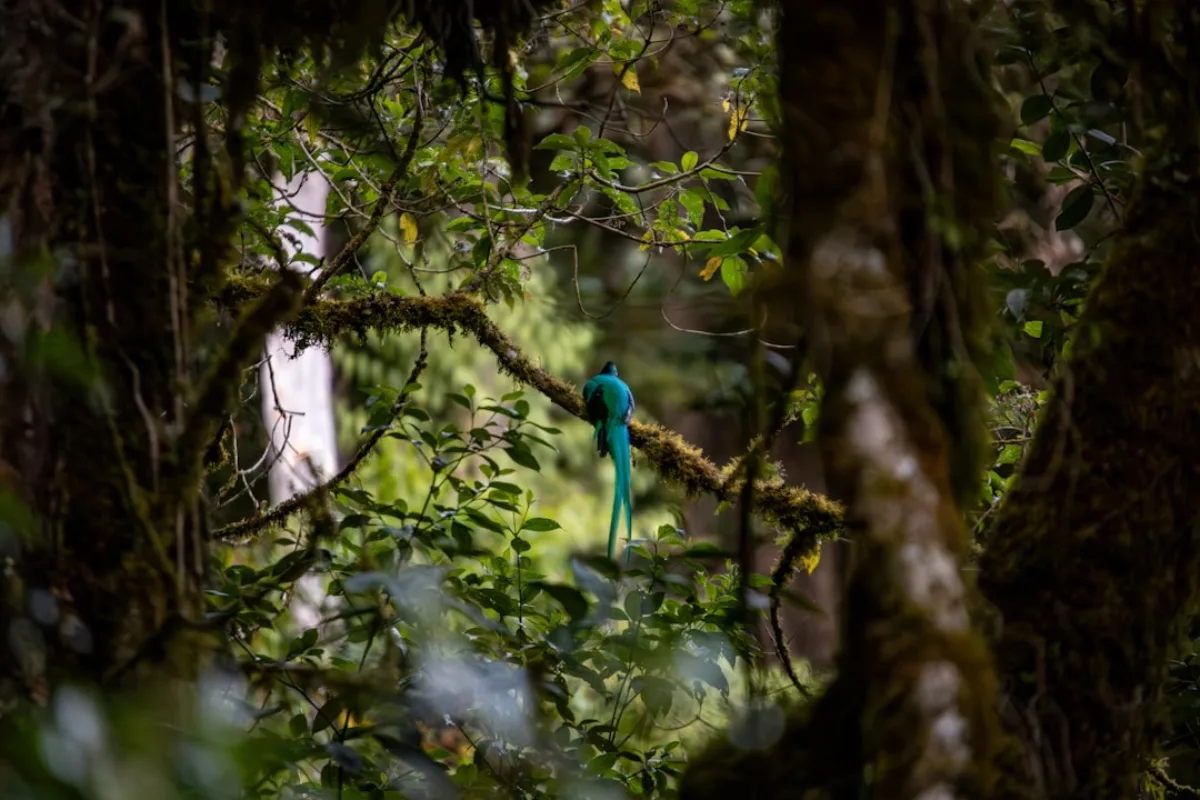
Wildlife: The reserve protects 400+ bird species, 100+ mammal species, and several thousand plant species. The resplendent quetzal — one of the world’s most spectacular birds, with a 1-meter tail in adult males and iridescent green-red-blue plumage — is present February through April during breeding season. Guides with spotting scopes find them consistently during this period.
Other notable wildlife: jaguarundi (small cat), coati, howler monkey, three-wattled bellbird (heard from a mile away — a hammering metallic call), motmot.
Early entry: The reserve allows limited early-morning access for birding (starting 6 AM with advance booking — ask at the reserve office). Wildlife sightings are significantly higher in the first two hours after opening.
Guided tours: Essential for wildlife. Reserve guides lead 2-hour tours departing at 7:30 AM and 1:30 PM ($20–25 additional). Private guides allow a more customized pace and focus.
Santa Elena Cloud Forest Reserve
6 km from Santa Elena | Entry: $18/person
Smaller, higher elevation (1,700–1,800m), and significantly less visited than the Monteverde Reserve. The trails are wilder and the experience more solitary. The high elevation means more cloud and the most extreme epiphyte coverage — certain sections feel like walking through a hanging garden. Worth visiting as a complement to Monteverde, particularly for those who want fewer people on the trail.
Zip-Lining
Monteverde invented commercial zip-lining in the early 1990s — the first system was built by biologists as a way to reach the forest canopy for research; it became a tourist activity after the researchers noticed visitors were more interested in the ride than the science.
Original Canopy Tour (1997)
The first commercial zip-line operation in the world, still operating from the same location. 15 platforms, 11 cables, up to 1.2 km individual cables. Not the longest or fastest, but the historical original and a good introduction.
Selvatura Park
15 circuits, 18 platforms, and the longest zip-lines in the area. Also has hanging bridges (best in the region), a reptile and amphibian exhibit, a butterfly garden, and a hummingbird garden — making it the most comprehensive single attraction package (~$125 for all activities).
Extremo Monteverde
The most extreme option: 3 km of cables, a Tarzan swing (a free-fall with a rope), and the “Superman” cable — a horizontal cable where you fly face-down, parallel to the canopy. For those who want speed and height over scenic quality.
Hanging Bridges
Walking-level suspension bridges strung through the cloud forest canopy — a different perspective from zip-lining, more contemplative, better for wildlife observation.
Selvatura Hanging Bridges: 8 bridges across 3 km of trail. The longest bridge is 170m. Good bird observation from the bridges; a guide increases sighting chances significantly.
Skywalk Monteverde: 5 bridges at various heights through secondary forest. The most accessible for those with mobility considerations (gentler terrain). Less dramatic than Selvatura but closer to Santa Elena.
Night Tours
The cloud forest is a different world after dark. Night tours reveal the species invisible during the day: glass frogs (translucent, visible organs through skin), red-eyed tree frogs, kinkajou (honey bear, a nocturnal relative of the coati), tarantulas, and sleeping birds.
Duration: 2 hours, starting at 7–8 PM. Operators: The Original Canopy Tour, Carpe Diem Wildlife, and several independent guides.
Price: $25–35/person. One of the highest wildlife return-per-dollar activities in Monteverde.
Birdwatching
Monteverde is consistently ranked among the top 10 birdwatching destinations in the world. Key species:
- Resplendent Quetzal: February–April (breeding plumage). Cloud Forest Reserve trail to Chomogo viewpoint is the prime location.
- Three-wattled Bellbird: November–June when present. Unmistakable call heard throughout Santa Elena area.
- Bare-necked Umbrellabird: March–June, migratory. Rare; resident guides know current locations.
- Hummingbirds: 30+ species. The hummingbird gardens at Selvatura and the El Colibri reserve provide concentrated viewing.
Birding guides (local specialists, not general naturalists) dramatically increase sighting rates for target species. Arrange through Santa Elena lodges or the reserve.
Getting There
By shuttle: Interbus and Grayline offer direct connections from San José (4 hours, ~$55), La Fortuna (3 hours, ~$55), and the Pacific beaches. The most convenient option.
By public bus: San José to Santa Elena 3x daily (Transmonterreverde/Tilarán companies). Cheaper but slower and requires more navigation.
By car: The route from the Pan-American Highway involves 35 km of unpaved road through farmland. 4WD is recommended (the road is now paved through most of the approach since 2023, but the final section remains rough and wet in rainy season).
The jeep-boat-jeep: The scenic route between La Fortuna/Arenal and Monteverde — a 3-hour combination of shared jeep, boat crossing of Lake Arenal, and jeep to Santa Elena ($35–45/person). Faster than the paved road option and more interesting.
Practical Notes
Temperature: 14–22°C year-round. Bring a jacket; the cloud forest is genuinely cool and the cloud makes it feel colder. Rain gear is essential regardless of season — the cloud forest works by being perpetually wet.
When to visit: February–April for quetzal sightings; December–April for clearest weather. May–November has heavier rain and cloud but the forest is at its most atmospheric.
Two-day minimum: Santa Elena rewards more time than it gets. Day 1: Cloud forest reserve (morning) + hanging bridges (afternoon). Day 2: Santa Elena Reserve or La Reserva Bosque Nuboso + night tour. Three days adds zip-lining, a full birdwatching session, and more forest time.
Staying in Santa Elena: The village has budget hostels, mid-range B&Bs, and a handful of higher-end lodges. Monteverde Lodge & Gardens is the most established; El Establo Mountain Hotel has the best views. Prices are higher than lowland Costa Rica.
Plan your trip