Greenland in September: Aurora Season Peaks, Autumn Tundra, and the Transition to Winter
Plan your trip
September is Greenland’s most beautiful month and one of its finest for aurora viewing. The summer tourist season has ended — prices drop, crowds vanish, and the remaining visitors are specifically here for the autumn character. The tundra turns extraordinary shades of red, orange, and gold across the hillsides above every settlement. The nights are long enough for reliable aurora viewing (up to 14 hours of darkness by month end) while the temperatures are still manageable. The icebergs are still present in Disko Bay. Boat access is still operating, though it begins closing in late September. September combines summer accessibility with winter character.
Weather & Conditions
Ilulissat (Disko Bay): 2 to 8°C. Nights dark enough for aurora from early September. Boat tours still running.
Nuuk: 3 to 9°C. Excellent hiking. Autumn colors on the hillsides.
Sisimiut: 2 to 7°C. Transitioning. Last hiking weeks.
South Greenland: 5 to 12°C. Autumn color earlier than north. Accessible.
East Greenland: 2 to 6°C. Sea ice forming in protected fjords by late September.
What to Do
Northern Lights — peak season beginning: September is when aurora season reaches prime conditions. The nights are long enough for reliable viewing but not yet bitterly cold (-2 to -8°C overnight, manageable with layers). The combination of aurora over autumn-colored tundra and icebergs still present in Disko Bay is unique to September. Aurora activity is governed by solar activity, not season, but September’s long dark nights give maximum viewing time.
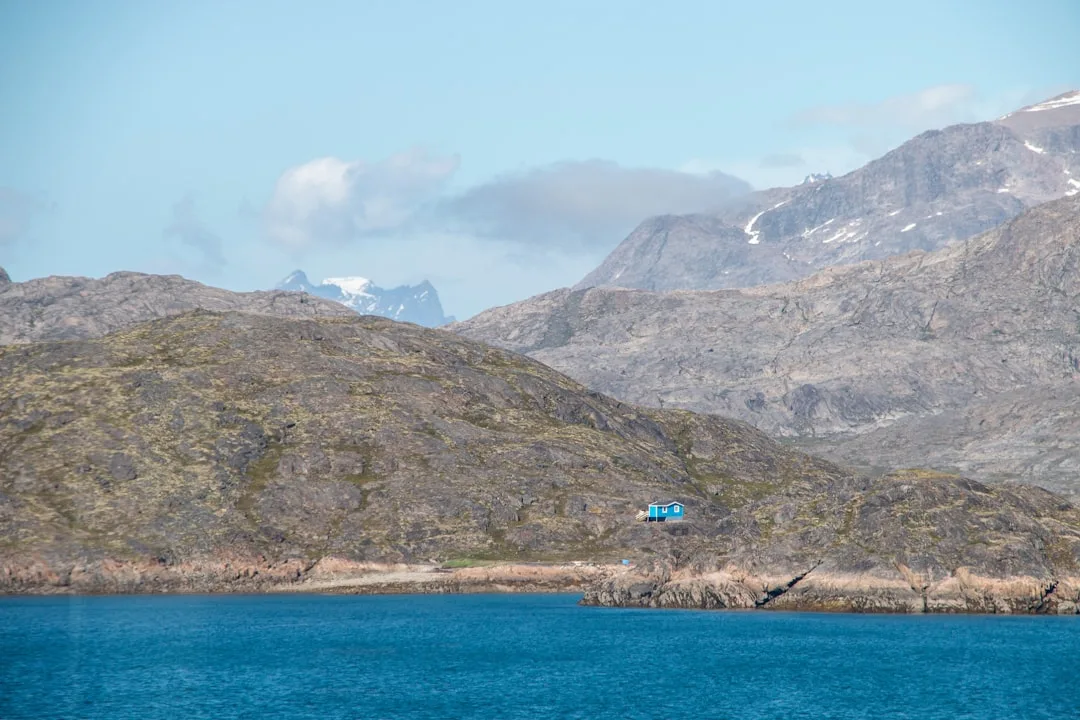
Autumn tundra hikes, Nuuk: The hillsides above Nuuk in September are exceptional. The dwarf birch, Arctic willow, and crowberry turn red, orange, and gold across the slopes. The Store Malene (Quassussuaq) hike above Nuuk — 788m with fjord panoramas — is at its most dramatic in September color. The Nuuk fjord trail network is largely free of other hikers by September.
Ilulissat — last icebergs of the season: The Icefjord continues producing icebergs, and the existing formations from summer are still present in Disko Bay. Boat tours are running, though the season closes in October or November. September visitors have icebergs and aurora in the same visit.
Whale watching — closing season: The whales begin their southward migration in September. Early September still offers Disko Bay sightings; late September is less reliable. The final whale watching tours of the season operate through September.
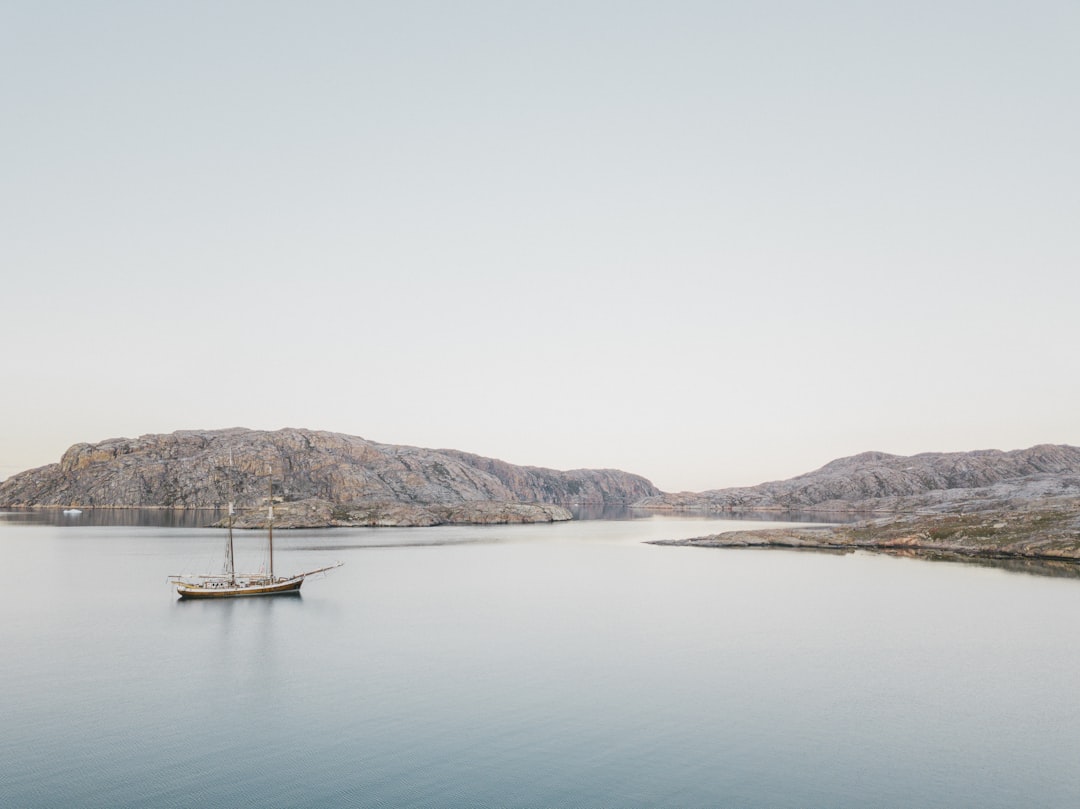
East Greenland Tasiilaq — last access: Air Iceland Connect’s Reykjavik-Tasiilaq route closes for winter in late September or early October. September is the final reliable month for east Greenland access. The Ammassalik fjord in autumn — ice beginning to form at the edges, mountains reflected in dark water — is extraordinary.
Festivals & Events
Traditional autumn hunting season: September marks the beginning of the traditional Greenlandic hunting season for musk ox and reindeer in the interior. Some operators run guided hunting trips with Greenlandic hunters.
Practical Tips
Aurora September: the aurora requires clear skies. Cloud patterns in Greenland’s coastal areas are highly variable — inland locations (Kangerlussuaq) have clearer skies than the coast because they’re beyond the maritime weather. If aurora viewing is the primary purpose, consider Kangerlussuaq as a base.
Kangerlussuaq aurora: the interior location at Kangerlussuaq, away from coastal cloud, gives statistically better aurora odds than Ilulissat or Nuuk. The Hotel Kangerlussuaq runs aurora-specific tours. The landscape — the ice cap edge, the tundra, the wide river valleys — is distinctive.
Accommodation September: significantly more available than July–August and at lower prices. Still worth booking 4–6 weeks ahead for Ilulissat quality accommodation.
East Greenland: confirm flight availability and dates before booking for late September. The season’s end is weather-dependent.
Who September Is For
Northern Lights hunters who want prime aurora conditions without extreme winter cold. Autumn tundra photographers. Last-of-season iceberg viewers who also want aurora. East Greenland travelers closing the season. And value travelers who want Greenland’s best light — the autumn aurora combined with tundra color — at lower prices than July’s peak.
Plan your trip