Ireland Practical Guide: Getting Around, When to Go & What to Budget
Plan your trip
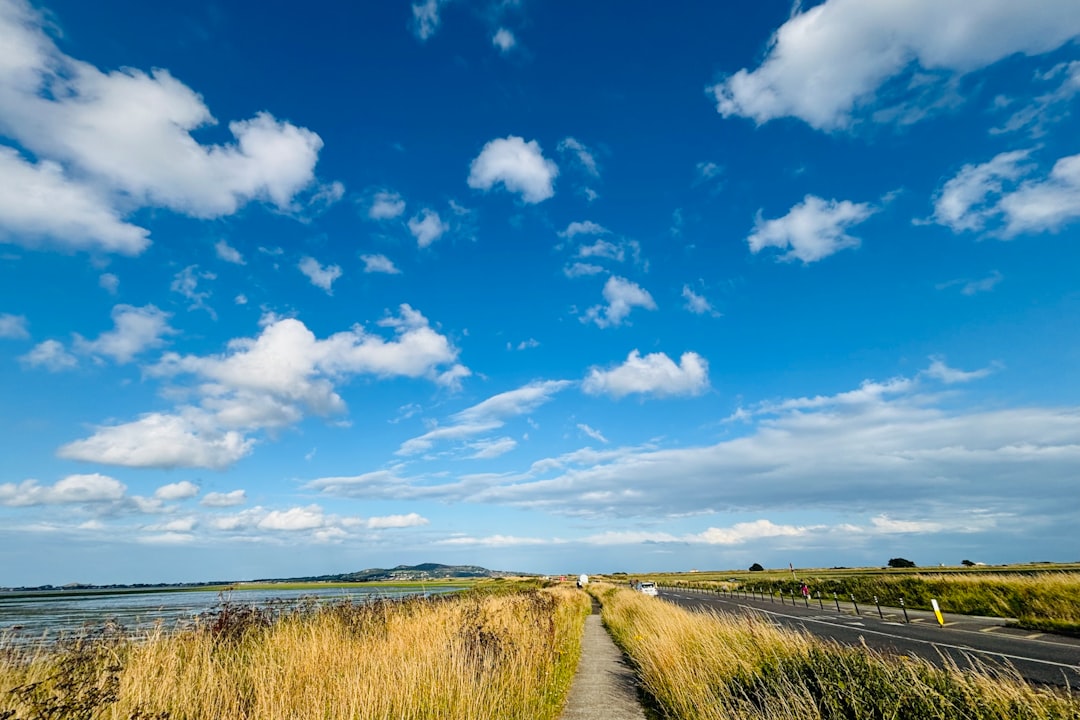
Ireland is straightforward to travel independently — English-speaking, well-signposted, with a functioning public transport network between cities and a rental car culture for the rural areas that contain most of the best landscapes. The main practical considerations are the weather (unpredictable at all seasons), the driving (left-side, narrow country roads), and the cost (higher than most European countries, particularly accommodation and dining).
Getting There
Dublin Airport (DUB): The main international gateway — direct transatlantic routes from New York (JFK, EWR), Boston, Chicago, and Toronto; direct European routes from most major cities. Ryanair and Aer Lingus both base major operations here.
Shannon Airport (SNN): The alternative for the west of Ireland — transatlantic routes from New York and Boston, fewer European connections. Better positioned for Galway, Limerick, and the Wild Atlantic Way without the Dublin detour.
Cork Airport (ORK): Serves the south; Ryanair and Aer Lingus routes to the UK and Europe. Useful for starting in the south and moving north.
From the UK: Ferry services from Holyhead (Wales) to Dublin (2.5 hours, Irish Ferries/Stena Line) and Fishguard/Pembroke to Rosslare (4 hours) are practical with a car.
Getting Around
Rental Car
The essential tool for experiencing Ireland outside Dublin and the main cities. Most of rural Ireland — the Ring of Kerry, the Wild Atlantic Way, the Causeway Coast, the Wicklow Mountains — is inaccessible by public transport at meaningful frequency.
Left-side driving: Ireland drives on the left. For visitors from right-side countries, the adjustment is real. The narrowness of Irish country roads compounds the challenge — passing places on single-track roads require one car to reverse.
Road categories:
- Motorways (M): Dual carriageway, fast, limited stops. Connect Dublin to Cork, Galway, Belfast, Limerick.
- National Primary (N): The main non-motorway routes — single carriageway, variable quality.
- Regional (R): Smaller roads through villages; scenic but slower.
- Local (L): Narrow lanes; some are single-track with grass growing in the center. Normal for rural Ireland.
Insurance: The standard rental car excess in Ireland is high (€1,500–3,000); collision damage waiver reduces this. Purchase before arrival — the rental desk excess reduction insurance is significantly more expensive.
Fuel: Petrol and diesel widely available; prices higher than the US, comparable to continental Europe.
Public Transport
Rail (Irish Rail/Iarnród Éireann): Dublin to Cork (2.5 hours), Dublin to Galway (2.5 hours via Athlone), Dublin to Limerick (2 hours), Dublin to Belfast (2 hours). Coverage is limited — there is no rail service to Killarney, Westport, Sligo, or most of the west coast.
Bus (Bus Éireann + private operators): More comprehensive coverage than rail, reaching most towns. GoBus and Citylink operate Dublin–Galway and Dublin–Cork with newer vehicles and competitive prices. Journey times are longer than rail.
Dublin City: DART suburban rail, Luas tram (two lines), and Dublin Bus cover the city well. The Leap Card covers all public transport.
When to Visit
May–June: The best weather in statistical terms — less rain, more sunshine, temperatures 14–18°C, daylight until 10 PM. Not yet peak summer crowds. The most reliable recommendation.
July–August: Busiest season — accommodation prices peak, tourist sites are crowded, but the weather is at its warmest (occasionally 20–22°C). Book accommodation months ahead for the Wild Atlantic Way and Killarney.
September–October: Softer light, fewer crowds, lower prices. The autumn colour in the Wicklow Mountains, Kerry, and Connemara peaks in October. Weather colder and wetter than summer but more dramatic.
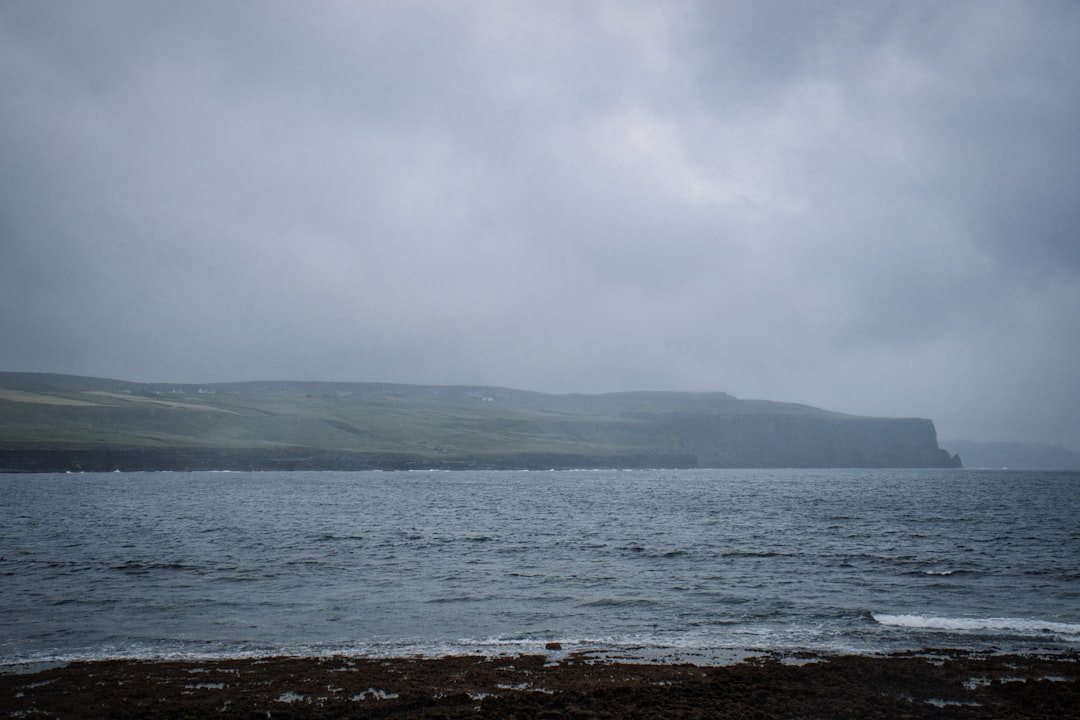
November–March: Off-season. Grey, wet, and short days (dark by 4:30 PM in December). Some rural guesthouses close. But: pubs are warmer and more atmospheric, prices drop 30–40%, and the landscape in rain and low light has its own character. Not recommended as a first Ireland trip.
St Patrick’s Day (March 17): Dublin has a large festival parade and significant celebration; the smaller towns and villages have their own celebrations that are often more authentic. The week around it is expensive and crowded in Dublin.
Costs
Ireland is one of the more expensive European destinations, particularly for accommodation.
Accommodation:
- Budget hostel dorm: €25–40/night
- Mid-range guesthouse/B&B: €80–130/person per night (often includes breakfast)
- Mid-range hotel: €120–200/night
- High-season Killarney: Add 30–50% to above
Food and drink:
- Coffee: €3.50–4.50
- Pub pint (Guinness): €6–7.50 (regional; lower outside Dublin)
- Pub lunch: €12–18
- Dinner (mid-range, with drink): €35–55/person
- Chipper (fish and chips): €8–12
Transport:
- Rental car: €40–80/day (economy, automatic more expensive, book ahead)
- Dublin Airport to city: Aircoach €10, taxi €35–50
- Intercity bus: €10–20 each way
Typical daily budget (mid-range): €150–220/person including accommodation, food, and transport.
Tipping
Tipping culture in Ireland is more subdued than the US:
- Restaurants: 10–12% is standard if service isn’t included; rounding up is acceptable
- Pubs: Not customary for drinks. If you have a tab, a round tip is appreciated
- Taxis: Round up the fare; 10% for longer journeys
Mobile and Connectivity
SIM cards: Three, Vodafone, and Eir all offer pay-as-you-go SIMs widely available at airports, supermarkets, and phone shops. A 30-day tourist SIM with 20GB data costs approximately €20–30. EU travelers can use their home plans without roaming charges in Ireland.
Coverage: Good in cities and main towns; patchy in rural west and north. The Wild Atlantic Way has coverage gaps.
Health and Safety
EHIC/GHIC: EU visitors’ health cards cover emergency treatment at public hospitals. UK visitors’ GHIC (Global Health Insurance Card) provides equivalent coverage. US visitors should carry travel insurance with medical coverage.
Emergency number: 112 (EU standard) or 999.
Water: Tap water is safe throughout Ireland.
Weather safety: Coastal cliffs (Cliffs of Moher, Kerry sea cliffs) have no barriers in many areas. Maintain safe distances; cliff edges are unstable in places. Several fatalities occur annually from cliff approaches.
Currency and Payments
Republic of Ireland: Euro (€). Cards accepted almost universally — contactless payment is standard even at small shops and many market stalls.
Northern Ireland: British Pound Sterling (£). Separate currency from the Republic; change money or use cards. Northern Ireland is a different jurisdiction — border crossing is invisible (no customs check) but currency changes.
ATMs: Available throughout the Republic and Northern Ireland. Airport ATMs have worse rates; use ATMs associated with banks for better exchange rates.
Plan your trip