Golden Week in Japan: How to Survive and Enjoy It
Plan your trip
Golden Week (ゴールデンウィーク, GW) is the name given to a cluster of four national holidays in Japan that fall in late April and early May, creating the longest holiday period on the Japanese calendar. When the holidays align favorably with weekends, many Japanese workers take the surrounding days off, producing a near-universal 7–10 day holiday that triggers the single largest domestic travel surge of the year.
The consequences for travelers: trains fully booked weeks in advance, tourist sites at maximum capacity, hotel prices at their annual peak, and a version of Japan that functions quite differently from the rest of the year.
The Holidays
| Date | Holiday | Significance |
|---|---|---|
| April 29 | Showa Day (昭和の日) | Birthday of Emperor Showa (Hirohito); marks the Showa era |
| May 3 | Kenpou Kinenbi (憲法記念日) | Constitution Memorial Day — commemorates Japan’s 1947 constitution |
| May 4 | Midori no Hi (みどりの日) | Nature Day — formerly the Emperor’s birthday, now an environmental holiday |
| May 5 | Kodomo no Hi (こどもの日) | Children’s Day — the only holiday defined in law as celebrating children’s happiness |
When April 30 and May 1–2 fall on weekdays, companies typically grant paid vacation, extending the holiday to 9–10 consecutive days.
Specific behavior on Children’s Day: Families display koinobori (carp-shaped wind socks, symbolizing strength) outside homes and businesses — blue for fathers, red/pink for mothers, smaller ones for children. The carp banners along bridges and in parks are one of the specific visual signatures of the season.
What Happens During Golden Week
Travel Surge
The domestic travel volume during Golden Week is extraordinary — it rivals New Year’s. The combination of school holidays (spring semester break) and adult vacation produces the maximum simultaneous demand on Japan’s transport infrastructure.
Shinkansen: Trains fully booked on peak departure days (April 28–30 and May 3–4) and return days (May 4–6) months in advance. Unreserved seats fill to standing within minutes. The Tokaido Shinkansen (Tokyo–Kyoto–Osaka) and Tohoku Shinkansen (Tokyo–Sendai–Sapporo) see the heaviest traffic.
Roads: Major expressways, particularly around Tokyo, Osaka, and the connections between them, have 30–80km traffic jams on peak days. Driving during Golden Week is strongly inadvisable.
Theme parks and popular attractions: Average wait times at Disneyland Tokyo peak at 5–10 hours for popular attractions. Famous temples and shrines become effectively impassable on the most popular days.
For International Visitors
Golden Week is one of the most challenging times to visit Japan — but also one of the most interesting.
Challenges
Accommodation prices: Hotel prices typically 30–80% higher than surrounding periods. Ryokan prices increase similarly. Popular locations (Kyoto, Tokyo, Osaka, Hakone) are the most affected.
Train reservations: If you’re using a JR Pass, reserve Shinkansen seats as far in advance as possible. The reservation office at major stations should be your first stop after activating the pass.
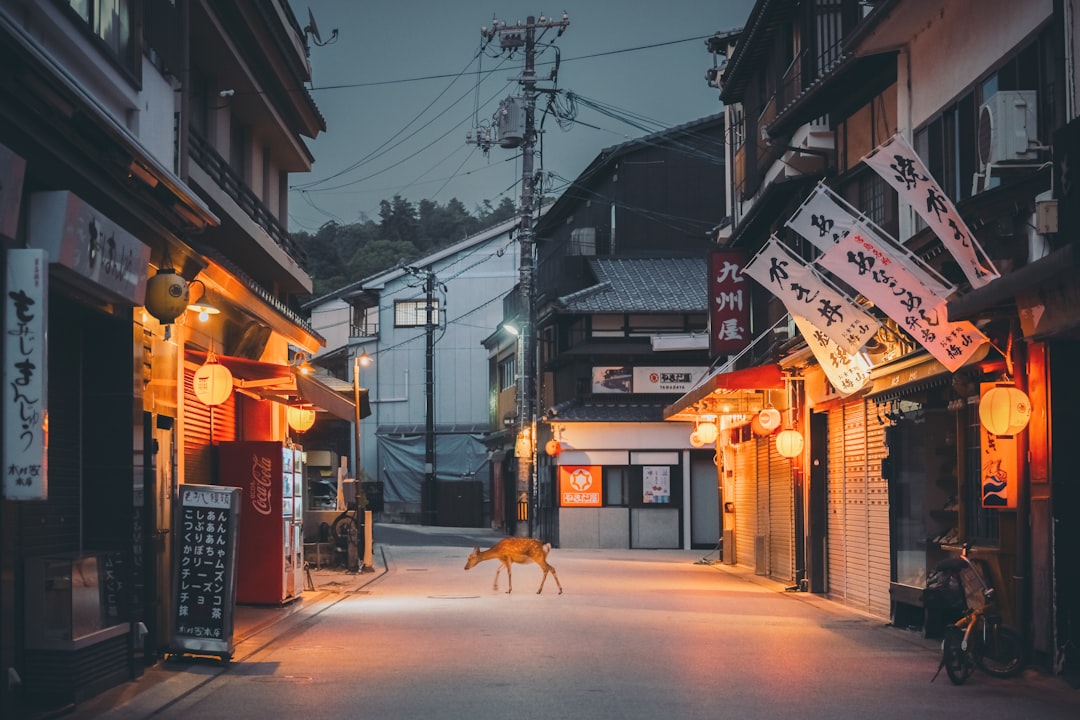
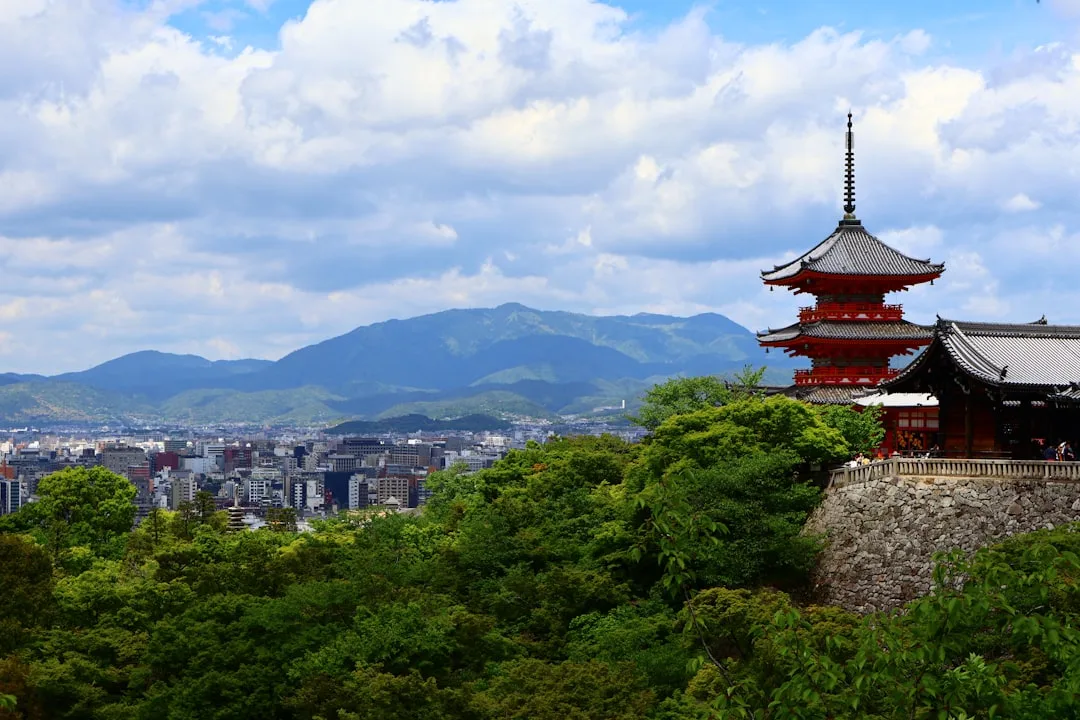
Crowding at famous sites: Arashiyama, Fushimi Inari, the Philosopher’s Path, Nara’s deer park — all operate at maximum visitor density. Early morning visits (before 8am) are the only strategy that works.
Restaurant waiting: Popular restaurants in tourist areas implement queue numbers; waits of 1–2 hours at peak meal times are common.
Opportunities
Festival atmosphere: The Japanese traveling public during Golden Week is in holiday mood — more relaxed, more festive. Public spaces have a celebratory energy that’s absent during ordinary working weeks.
Children’s Day programming: Parks, temples, and cultural venues run special programs oriented toward families — traditional games, koinobori displays, cultural demonstrations. These are oriented toward Japanese children but accessible to international visitors.
Cherry blossom tail end: Depending on the year, cherry blossoms in northern Japan (Tohoku, Hokkaido) can overlap with Golden Week. Hirosaki Castle’s cherry blossom, one of Japan’s most celebrated, peaks in late April.
Strategy for Traveling During Golden Week
Option 1: Go to Rural Japan
The domestic travel surge is concentrated at famous tourist destinations and major cities. Rural areas — mountain towns, coastal fishing villages, smaller cultural sites off the mainstream itinerary — see proportionally less increase.
Good Golden Week destinations:
- Kinosaki Onsen (Hyogo): Mountain onsen town; busy but not overwhelming
- Kanazawa: Excellent and somewhat undervisited relative to Kyoto/Tokyo
- Matsumoto (Nagano): Feudal castle town with good access; popular but manageable
- Iwate Prefecture (Tohoku): Northern Japan largely off the main circuit; excellent during sakura season
- San’in Coast (Tottori/Shimane): One of Japan’s most beautiful and undervisited coastlines
Option 2: Stay in Tokyo
Tokyo absorbs Golden Week differently from Kyoto — the city is so large and has so many non-tourist neighborhoods that the disruption is diffused. Shinjuku, Shibuya, and Asakusa will be crowded; Shimokitazawa, Koenji, and Yanaka will be busy but functional. The Sumida River cruise and the parks along the river are specifically pleasant in Golden Week weather.
Option 3: Counter-Program Your Itinerary
The famous sites are most crowded at 10am–2pm. Arriving before 8am at Fushimi Inari, Arashiyama, or the major Kyoto temples and departing by 10am gives a genuinely different experience from the midday crowds.
The same logic applied to Shinkansen: the 6:00am departure is not crowded; the 9:00am departure is standing-room on peak days.
Booking Lead Times
| Item | Recommended Lead Time |
|---|---|
| Shinkansen reserved seats | 1 month (opens 1 calendar month before travel date) |
| Tokyo/Kyoto hotels | 3–4 months |
| Ryokan | 2–4 months |
| Popular restaurant reservations | 1–2 months |
| Hakone / popular day trip accommodation | 2–3 months |
Same-day availability: Unreserved Shinkansen seats and last-minute accommodation exist but require luck and flexibility. The unreserved car queues at Tokyo Station on April 28 can be 200+ people.
Children’s Day Traditions
Koinobori: The carp wind socks are hung outside homes throughout May. The symbolism derives from the Chinese legend of carp swimming upstream to become dragons — strength and perseverance. By tradition, one carp per family member; black for fathers, red/pink for mothers, smaller colors for children.
Kabuto: Miniature warrior helmets (kabuto) are displayed inside homes with dolls depicting legendary warriors — the martial tradition of Children’s Day (originally called Tango no Sekku, Boys’ Day) is maintained in these displays.
Chimaki and Kashiwa Mochi: Seasonal foods — chimaki (bamboo-wrapped glutinous rice cakes) and kashiwa mochi (rice cakes wrapped in oak leaves) — are sold throughout the holiday period at confectionery shops.
Practical Notes
Weather: Late April–early May in central Japan is genuinely pleasant — 18–24°C, low humidity, bright sun. The weather is a significant positive; Golden Week crowds aside, the climate is the best of the year.
Closing days: Some businesses take holiday during Golden Week; check ahead for specific restaurants or small attractions. Museums generally remain open.
ATM access: Some bank ATMs have reduced hours during holidays; 7-Eleven and convenience store ATMs remain 24-hour throughout Golden Week.
Plan your trip