Japan in February: Plum Blossoms, Snow Festivals, and Before the Rush
Plan your trip
February has a reputation as Japan’s off-season — and that reputation is mostly wrong. It’s cold, yes. The cherry blossoms are weeks away. But February has three things no other month does: peak ski conditions, the Sapporo Snow Festival, and plum blossoms that arrive before the crowds.
Experienced Japan travelers use February as a cheat code. The country is beautiful, quiet, and cheap.
Weather in February
Tokyo / Kyoto: Coldest month of the year. Tokyo averages 10°C high, 2°C low. Kyoto similar, with slightly colder nights. Clear, dry days are common. Snow in Tokyo happens 2–3 times per season — magical when it does.
Hokkaido: -8 to -15°C average. Peak snowfall season. Sapporo is in full winter mode.
Kyushu: Noticeably milder than Honshu (14–16°C in Fukuoka). Plum blossoms arrive early here.
Okinawa: 18–21°C. The closest Japan has to winter warmth.
The Sapporo Snow Festival
The Sapporo Snow Festival (Sapporo Yuki Matsuri) runs 7 days in early February (typically February 4–11, though dates vary year to year). It’s one of Japan’s most spectacular public events.
Three sites across Sapporo:
- Odori Park: The main venue. Large snow sculptures — some the size of buildings, carved into film characters, historical monuments, and elaborate originals. Free entry, lit at night.
- Susukino: Ice sculptures in the entertainment district, best at night against the bar and restaurant glow.
- Tsudome: Family-oriented snow activities, slides, snow rafting.
The festival draws 2+ million visitors over 7 days. Book accommodation in Sapporo 3–6 months ahead. Combine with skiing at Niseko (2.5 hours west) or Furano (2 hours northeast) — both at peak powder conditions.
Plum Blossoms (Ume): February’s Quiet Prequel
Before cherry blossoms, Japan has plum blossoms — less dramatic, more fragrant, and entirely without the crowds.
Plum (ume) blossoms appear in white, pink, and deep crimson from late January through March, depending on region. They signal spring before anyone else does.
Best plum blossom spots:
Atami Baien, Shizuoka: 450 plum trees blooming from late January. A 90-minute train from Tokyo. One of Japan’s earliest and most accessible plum sites.
Kairakuen, Mito (Ibaraki): One of Japan’s three great gardens. 3,000 plum trees in late February. 1.5 hours from Tokyo. The garden is beautiful year-round; February is its moment.
Kitano Tenmangu, Kyoto: A shrine dedicated to the scholar-deity Sugawara no Michizane, who loved plum. 1,500 plum trees in the shrine grounds. The atmosphere is intimate and unhurried.
Yushima Tenmangu, Tokyo: Central, accessible, 300 plum trees, traditional market during the plum festival. Early to mid-February.
Dazaifu Tenmangu, Fukuoka (Kyushu): Plum blossoms arrive earliest in Kyushu — sometimes January. The shrine is beautiful regardless; the plum just makes it more so.
Skiing: February Peak
February is the best month for Japanese powder. The snowpack is deep, the powder keeps falling, and conditions at all major resorts are at their peak.
Niseko: The most reliable February powder in Asia. Average 10m+ annual snowfall, much of it falling in January–February. International resort infrastructure. Busy but worth it.
Hakuba: Excellent February conditions, 4 hours from Tokyo. The Hakuba Valley’s 10 resorts include everything from gentle beginner runs to steep technical terrain.
Furano: Often overlooked internationally. Consistently excellent snow, a charming town, and significantly less crowded than Niseko. February here is ideal for intermediate to advanced skiers.
Myoko Kogen (Niigata): Heavy snowfall just 2 hours from Tokyo by shinkansen. The most accessible major powder resort from the capital. Quieter than Hakuba.
February Cultural Moments
Setsubun (February 3): Not a national holiday but one of Japan’s most entertaining cultural events. At shrines and temples nationwide, people throw roasted soybeans shouting “Oni wa soto! Fuku wa uchi!” (Demons out! Luck in!). Large shrines like Naritasan and Sensoji hire celebrities to throw beans from elevated platforms. Local neighborhood shrines do a quieter, more authentic version.
Valentine’s Day (February 14): In Japan, Valentine’s Day is observed by women giving chocolate to men (not the reverse — that comes on White Day, March 14). Confectionery shops produce extraordinary gift packaging. The ritual is specific to Japan in a charming way.
Kamakura Ice Festival (Yokote, Akita): Small snow igloos (kamakura) with candles inside, lined along streets in a small city in Akita Prefecture. One of Japan’s most atmospheric winter festivals. 4 hours from Tokyo, 2 hours from Sendai.
Budget in February
One of the best-value months in Japan.
| Category | Cost |
|---|---|
| Budget accommodation (non-Sapporo festival week) | $28–50/night |
| Mid-range hotel | $85–150/night |
| Ryokan (mid-week) | $120–250/person with meals |
| Ski accommodation (Niseko) | $150–350+/person |
| 10-day trip budget | $1,600–2,800 |
Sapporo Snow Festival week exception: Hotels in Sapporo book out and prices double. If going specifically for the festival, book 4–6 months ahead.
What to Combine in February
Best 2-week February itinerary:
- Tokyo (3 nights) — winter illuminations ending, plum blossoms at Yushima, Shibuya and Shinjuku in cold-weather gear
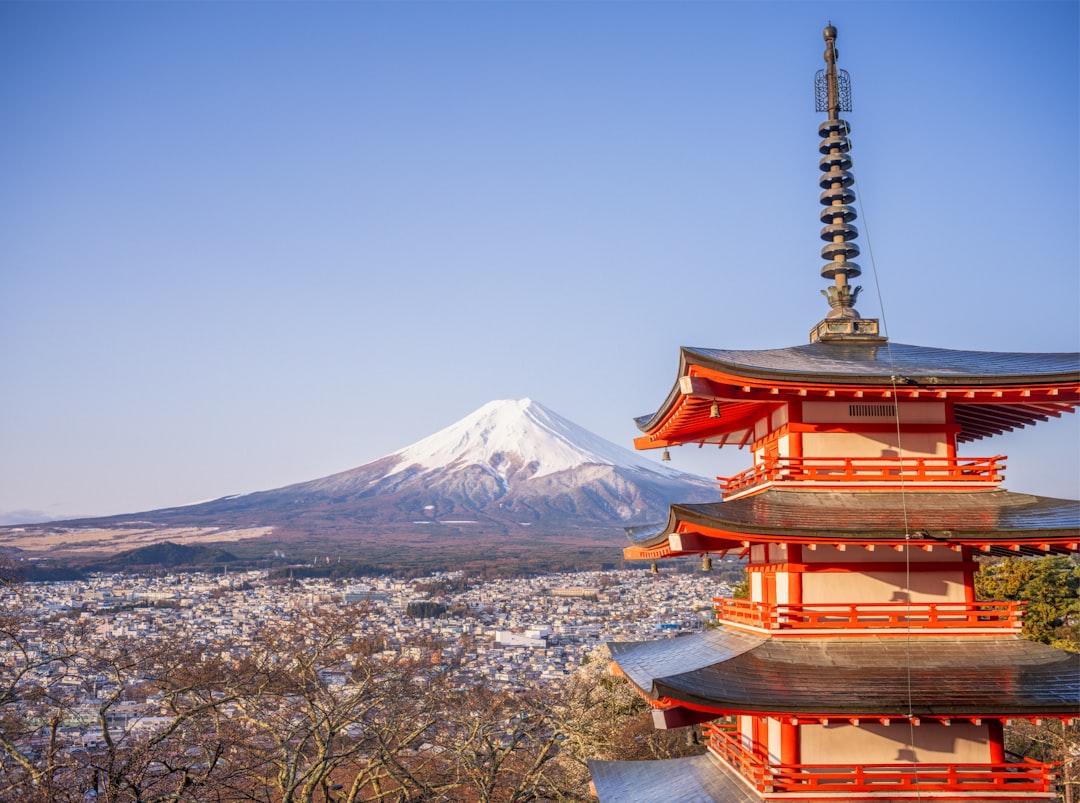
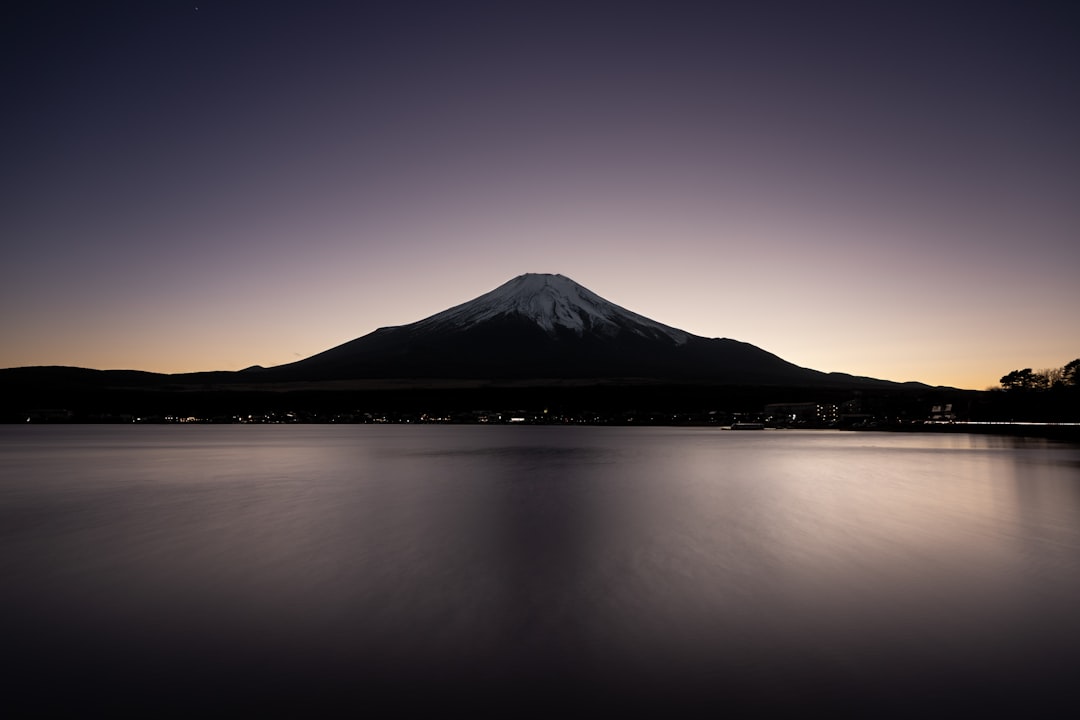
- Hakone (2 nights) — onsen with Fuji views in clear winter weather
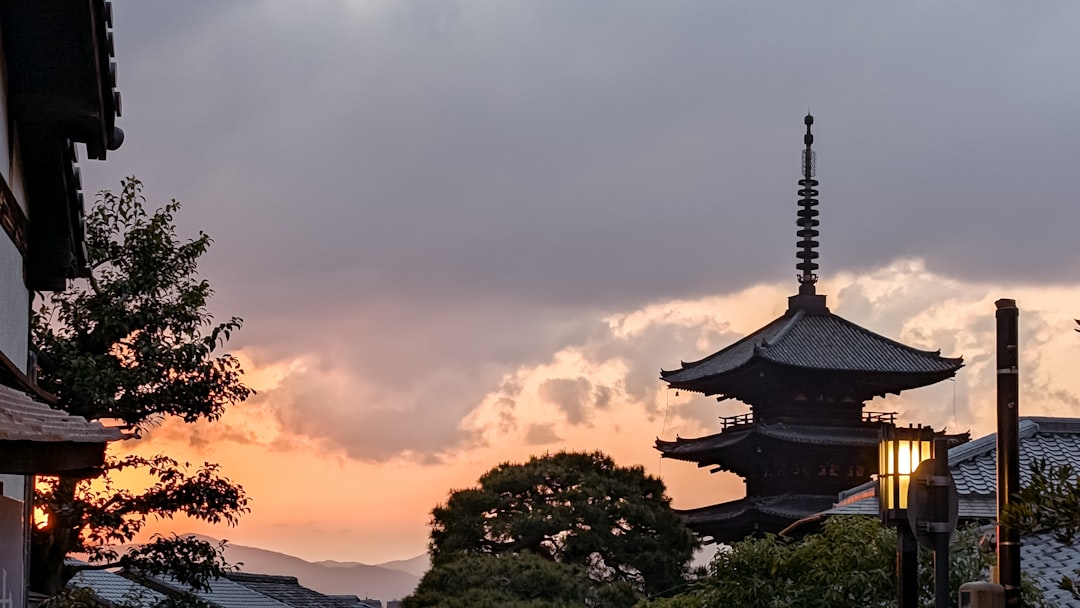
- Kyoto (3 nights) — quiet temples, Kitano Tenmangu plum festival, Fushimi Inari without crowds
- Niseko or Hakuba (4 nights) — peak powder
This covers history, culture, onsen, and skiing in a single coherent trip.
The Verdict
February is for travelers who prioritize experience over Instagram season. The country is genuine, quiet, and cold in a way that makes the onsen and the izakayas feel necessary rather than optional.
The cherry blossoms are coming in 6 weeks. You have the country mostly to yourself until they arrive.
Plan your trip