Japan in January: Powder Skiing, Hatsumode, and the Quietest Temples
Plan your trip
January is the month Japan stops performing for tourists. After New Year’s, the crowds disappear, the prices drop, and the country settles into a cold, quiet routine. The ski resorts are in full operation. The temples are accessible. And the famous sites that are impassable in April are serenely walkable.
If you want Japan without the noise, this is your month.
Weather in January
January is Japan’s coldest month.
- Tokyo: Average high 10°C, low 2°C. Clear blue skies are common (Tokyo gets some of its clearest days in January). Snow in Tokyo is rare but not impossible — once or twice a year.
- Kyoto / Osaka: Similar to Tokyo, but Kyoto’s basin geography makes it colder at night (sometimes -2 to 0°C). Occasional light snowfall, beautiful when it happens.
- Hokkaido: -5 to -10°C average. Heavy snow. This is ski country, not city touring.
- Okinawa: 16–20°C. Mild. Minimal tourism. Excellent.
Pack properly: thermal base layer, fleece or wool mid-layer, waterproof outer jacket. Gloves and a hat are non-negotiable anywhere except Okinawa.
Why January Is Underrated
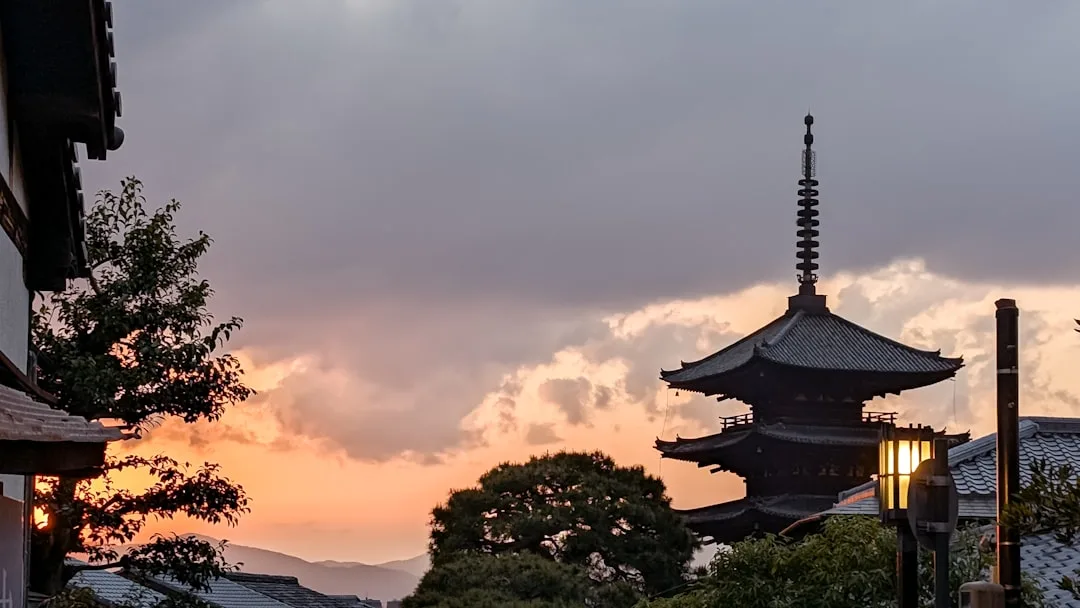
The temples are quiet. Fushimi Inari on a clear January morning at 8am feels like a private experience in a way it simply cannot in April. The famous sites — Arashiyama, Kinkaku-ji, Nara’s deer park — lose the shoulder-to-shoulder crowds.
Accommodation is affordable. January (post-New Year’s) is the lowest season for most of Japan. Ryokan prices drop 20–30%. Mid-range hotels in Kyoto and Tokyo are at their most affordable.
Hot springs make complete sense. The onsen (hot spring bath) culture is year-round, but sitting in an outdoor rotenburo in January — snow falling, steam rising — is the definitive version. The mountain onsen towns (Hakone, Kinosaki Onsen, Yufuin, Noboribetsu) are all excellent in January.
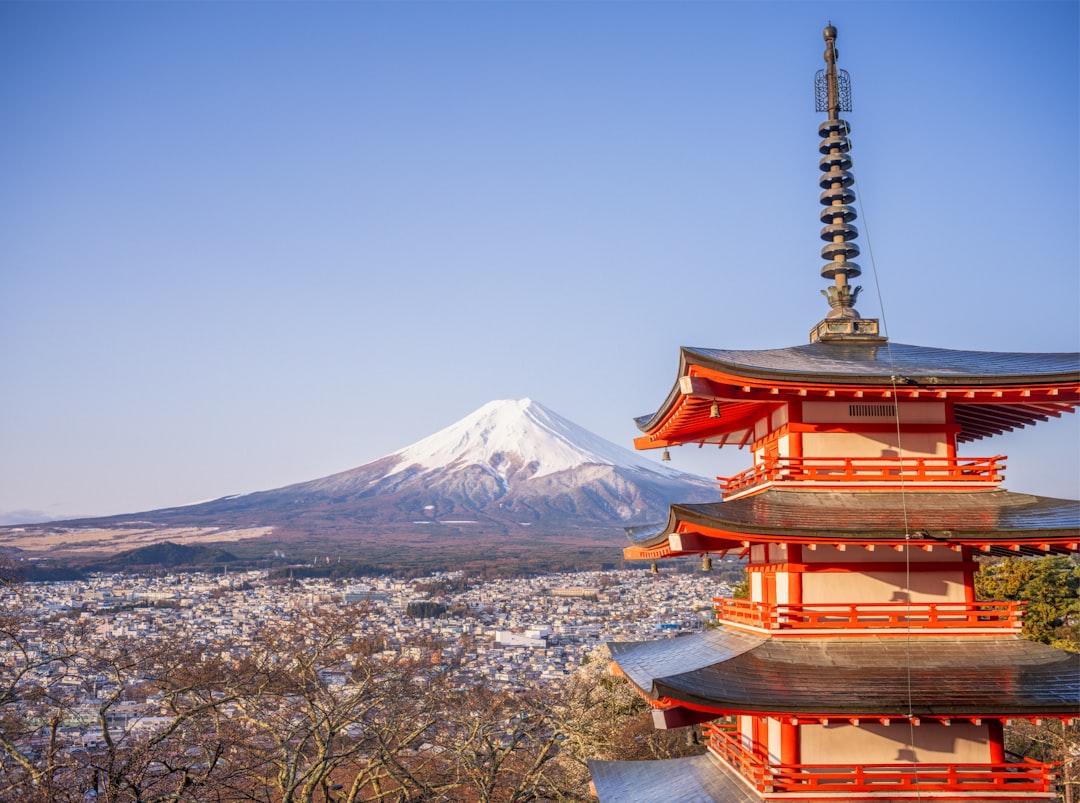
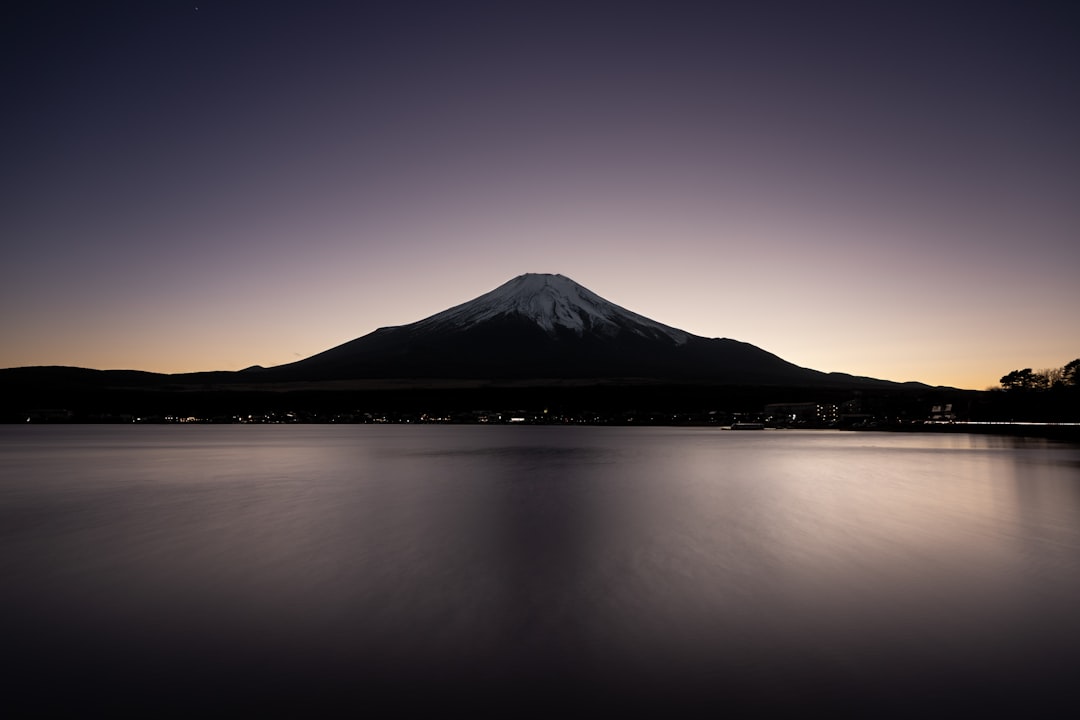
Clear skies = Mount Fuji views. January is the most reliably clear month for seeing Fuji from a distance. Hakone, the Fuji Five Lakes, and even Tokyo’s western windows on clear days offer extraordinary views.
Hatsumode: New Year’s Shrine Visits
The most important cultural event of January happens on January 1–3: Hatsumode, Japan’s first shrine or temple visit of the new year.
Major shrines become extremely crowded (Meiji Jingu in Tokyo, Naritasan in Chiba, Fushimi Inari in Kyoto). If you’re in Japan for New Year’s, joining the queue at a local neighborhood shrine is more intimate than the major sites.
By January 4th, the Hatsumode surge passes. The country returns to normal.
Other January cultural moments:
- Seijin-shiki (Coming of Age Day, second Monday): Young people in formal kimono and furisode gather at ceremony halls nationwide. A beautiful, rarely-photographed moment if you’re near a hall.
- Dontosai (January 14, Miyagi): Burning of New Year’s decorations at Osaki Hachimangu shrine in Sendai — a massive bonfire festival, atmospheric and free.
Skiing in January: Peak Season
January is the best month for skiing in Japan.
Niseko (Hokkaido): January snowfall averages are extraordinary — the resort regularly gets 10–15m of snow per season, much of it falling in January. The powder is light and dry in a way European and North American resorts rarely achieve. Book accommodation months ahead; Niseko in January is busy with international ski travelers.
Hakuba (Nagano): Excellent January conditions, 3-4 hours from Tokyo. More accessible than Hokkaido, with 10 interconnected resorts on the Hakuba Valley.
Nozawa Onsen: January is when the snow monsters (Jizo-Sama ice formations) begin to appear at Zao Onsen nearby. Nozawa also runs the Dosojin Fire Festival on January 15 — one of the most dramatic festivals in Japan, with locals burning a large wooden structure by torchlight.
Furano (Hokkaido): Quieter and less internationally marketed than Niseko, with excellent powder, a charming town, and access to Biei’s rolling hills (frozen and beautiful in January).
Okinawa in January: The Anti-Winter
If you’re not a skier and find cold weather genuinely unpleasant, Okinawa in January offers a completely different Japan.
- 16–20°C average, mild and rain-occasional
- Crowds at their absolute minimum
- Accommodation prices lowest of the year
- Beaches mostly empty (water is too cold for swimming but fine for walking)
- Naha’s Kokusai Dori and Shuri Castle without queues
- Whale watching season begins in January (humpback whales in the waters around Kerama Islands)
A January week in Okinawa + a week in Tokyo is one of the best budget Japan itineraries possible.
Budget: January Is Cheap
Post-New Year’s, Japan returns to its lowest international visitor levels.
| Category | Cost |
|---|---|
| Budget accommodation | $28–50/night |
| Mid-range hotel (Tokyo/Kyoto) | $85–150/night |
| Ryokan (non-New Year’s) | $120–280/person with meals |
| Ski accommodation (Niseko) | $150–350+/person |
| 10-day trip budget | $1,600–2,800 |
New Year’s exception: December 30–January 3 is premium pricing everywhere. Outside this window, January is the cheapest time to visit Japan by a significant margin.
The Verdict
January is the insider month. No major seasonal spectacle, but complete access to everything Japan has — temples, food, culture, cities, ski mountains — at a fraction of the cost and crowd level of any other month.
The trade is simple: you wear a coat instead of a light jacket. In return, you get a country that isn’t trying to manage 50,000 visitors a day at the same gate.
For budget travelers, powder skiers, and those who want Japan without the production: January is excellent.
Plan your trip