Japan in June: Rainy Season, Hydrangeas, and the Emptiest Temples
Plan your trip
June carries a reputation problem. “Rainy season” sounds like something to avoid. But Japan’s tsuyu (rainy season) is not the monsoon you might imagine — it doesn’t rain all day every day. It means overcast skies, occasional heavy showers, humidity, and — unexpectedly — some of the most beautiful gardens in the country.
The hydrangeas (ajisai) are in full bloom. The temples are nearly empty. And the hotels are offering their best rates of the year.
What Rainy Season Actually Means
Tsuyu runs roughly from early June to mid-July across most of Honshu. It does not mean constant rain.
A typical June day in Kyoto or Tokyo: clouds, some morning rain, clearing by midday, muggy afternoon, possible evening shower. Some days are sunny. Some days are grey drizzle. About 30–40% of days will have meaningful rain.
What this means practically:
- Pack a compact umbrella. You’ll use it, but not constantly.
- Morning and evening light in the rain is extraordinary for photos — wet stone pathways, rain-beaded hydrangea, steam rising from garden ponds.
- Indoor destinations become more attractive — museum days, covered market days, tea ceremony experiences.
Temperatures reach 25–30°C with rising humidity by late June. It starts to feel muggy.
The Hydrangea Gardens
June is hydrangea season, and Japan takes it seriously. Thousands of ajisai — in purple, blue, pink, and white — line temple paths, fill garden slopes, and crowd hillsides.
Best hydrangea spots:
Meigetsu-in, Kamakura: The “Hydrangea Temple.” Blue ajisai line the path leading to the gate — one of the most photographed scenes in Japan. 1 hour from Tokyo. Gets crowded on weekends — go weekday morning.
Hasedera, Kamakura: Another temple garden filled with hydrangea on a hillside overlooking the sea. Combined with Meigetsu-in, a full Kamakura hydrangea day.
Fujisawa / Enoshima nearby: The coastal town and island accessible from Kamakura offer a different June atmosphere — hydrangea, ocean, the causeway to Enoshima Island.
Hakusan Shrine, Tokyo (Bunkyoku): A neighborhood shrine with an annual ajisai festival in mid-June. Less famous, more authentic. Free.
Mimuroto-ji, Uji (near Kyoto): 10,000 hydrangea plants on the temple grounds. 30 minutes from Kyoto. The Uji area (also famous for matcha) is excellent for a full day in June.
Shirotae, Nara: Rolling hillside garden near Nara Park with a long ajisai slope above the deer paths.
Why June Is Actually Good
Crowds are at annual low. After Golden Week and before summer vacation, June is Japan’s quietest international month. Fushimi Inari during business hours in June is navigable. Arashiyama is quiet by 8am. Ryoan-ji’s rock garden can be contemplated rather than photographed around crowds.
Hotels at their lowest rates. The same ryokan that costs $350/person in April costs $150 in June. Mid-range hotels in Tokyo and Kyoto are at their lowest rates of the year outside January.
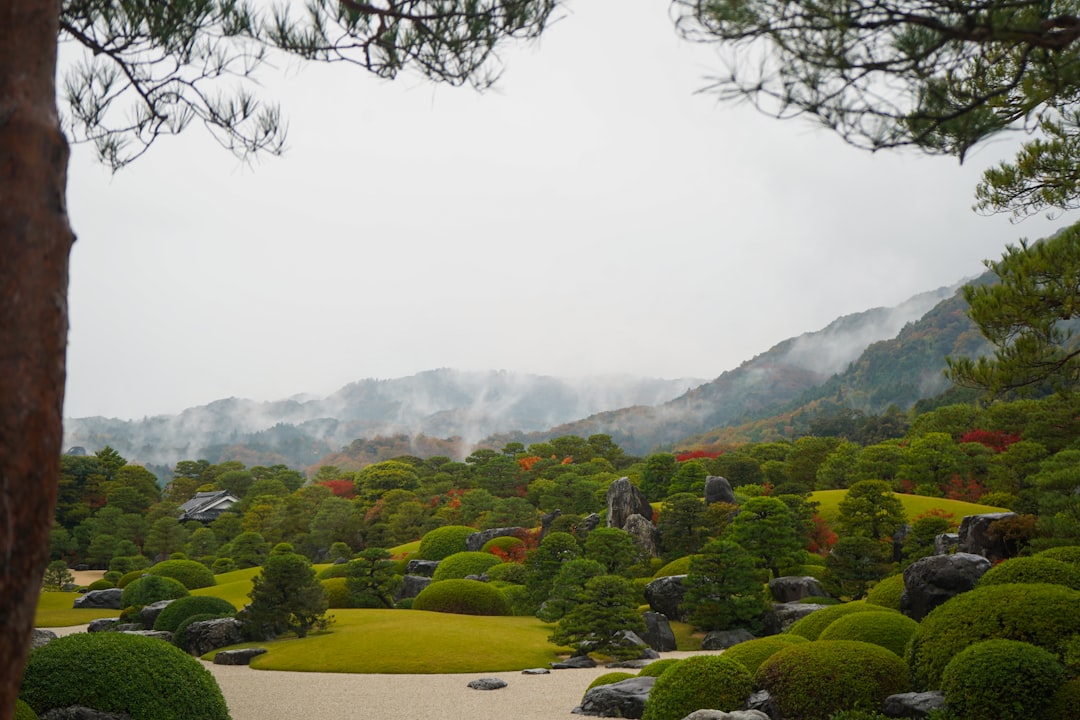
Kyoto in the rain is exceptional. Wet stone paths in Higashiyama. Arashiyama’s bamboo grove in overcast light. Fushimi Inari’s tunnels with rain on the torii. These are better photographs and better experiences than the same sites in harsh midday April sunshine.
Hokkaido in June: No Rain, Maximum Green
Hokkaido escapes tsuyu entirely. June in Hokkaido is:
- Dry and mild (18–23°C)
- The countryside at its greenest
- The lavender fields at Furano beginning (early July is peak, but late June they’re starting)
- No crowds
- Hiking season in Daisetsuzan National Park open
If you want to avoid rainy season but want June travel in Japan, Hokkaido is the answer. Combine a few days in Sapporo (food, night market, architecture) with Furano/Biei (farm landscapes, early lavender) and Daisetsuzan (Japan’s largest national park).
June Activities Beyond Gardens
Sanno Matsuri, Tokyo (mid-June, odd years): One of Tokyo’s three great festivals. A procession of portable shrines through Akasaka. Spectacular if you’re there.
Summer sumo tournament (Nagoya Basho): July, not June — but if your dates stretch into early July, the Nagoya Grand Tournament opens.
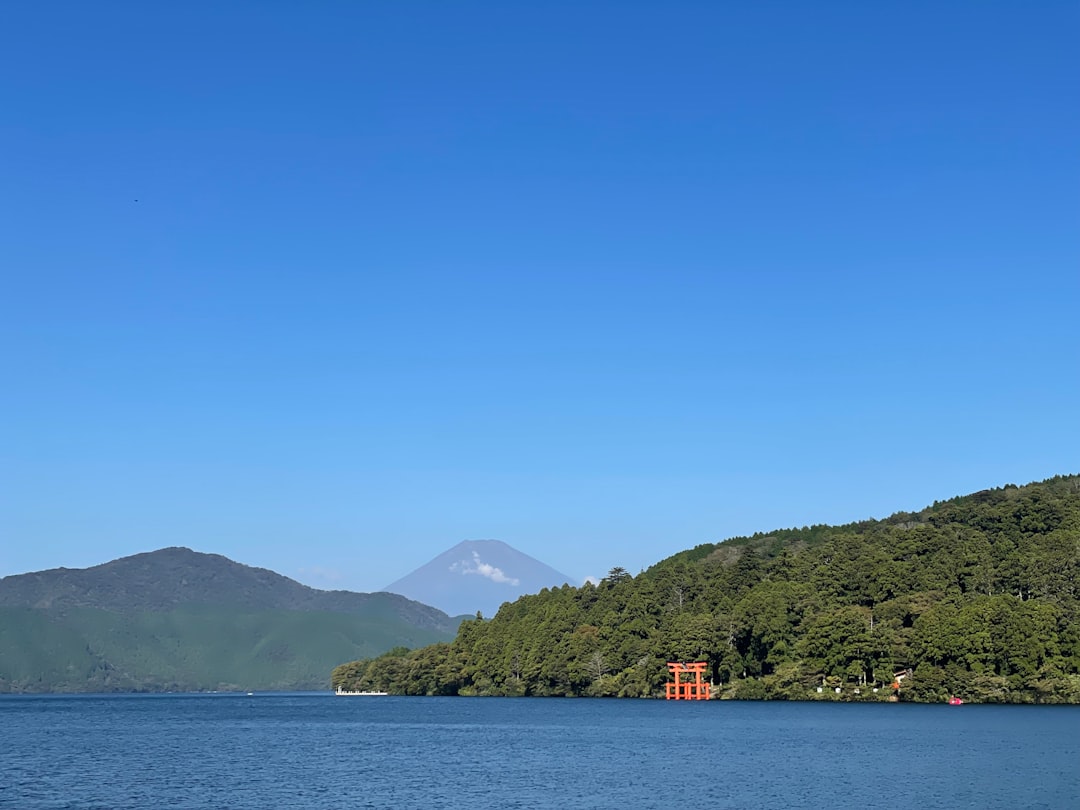
Onsen in the rain: Any onsen stay in June is enhanced by the weather — the rotenburo (outdoor bath) in rain is genuinely excellent. Hakone onsen resorts are 90 minutes from Tokyo.
Matcha in Uji: June’s humidity and overcast light make Uji — the matcha capital just south of Kyoto — particularly atmospheric. The tea fields are deep green, the river is high, and the covered shopping streets of Uji are pleasant in the rain.
Budget in June
June (excluding holidays) is the cheapest month in Japan after January.
| Category | Cost |
|---|---|
| Budget accommodation | $25–48/night |
| Mid-range hotel (Tokyo/Kyoto) | $80–140/night |
| Ryokan | $110–240/person with meals |
| 10-day trip budget | $1,600–2,600 |
Flight prices to Japan also tend to be lowest in June — the combination of cheap flights and cheap hotels makes this one of the best-value months of the year.
The Verdict
June is the month for the traveler who has already done Japan once during cherry blossom season and wants to see a different version. Quieter, greener, cheaper, with a seasonal beauty (hydrangeas, rain-washed stone, misty gardens) that doesn’t appear in any other month.
Go to Kamakura for hydrangeas. Stay at an onsen inn in the rain. Walk Fushimi Inari without stopping to let people pass.
June understands you.
Plan your trip