Japan in Winter: Snow, Onsen, and the Off-Season Advantage
Plan your trip
December through February is Japan’s least crowded travel season outside the narrow windows of Christmas-New Year and Golden Week. The weather is cold — Tokyo averages 5°C in January, Hokkaido sees -10°C and below — but the country does not slow down. It adjusts. Onsen become the primary activity. Snow landscapes appear in places that look ordinary in summer. City illumination festivals run from November through February and transform commercial districts into something more interesting than they are the rest of the year.
The practical advantages are significant: hotel prices fall by 20-40% from autumn peak, popular sites like Kyoto’s Fushimi Inari run at 30% of their spring capacity, and the social infrastructure for cold-weather comfort is extraordinary.
When to Go and What to Expect
December: Illumination season peaks, temples are quiet, snow begins in Hokkaido. Major shopping festival period around Christmas (which Japan celebrates commercially but not religiously — KFC for Christmas Eve is a cultural institution).
January (New Year excluded): The post-hatsumode period. The first week is the busiest of winter as Japanese families travel for hatsumode (first shrine visit of the year) and family gatherings. By January 8th, domestic crowds thin significantly. This is one of the best weeks to be in Japan.
February: Sapporo Snow Festival brings 2 million visitors to Hokkaido; the rest of Japan is at its quietest. The best value weeks of the year are mid-to-late February. Plum blossoms begin at the end of the month.
Temperatures by region:
- Hokkaido: -5°C to -15°C
- Tohoku (northern Honshu): -2°C to -8°C
- Tokyo: 2°C to 9°C
- Kyoto/Osaka: 3°C to 10°C
- Kyushu: 5°C to 13°C (mild enough for comfortable winter travel)
Hokkaido: The Snow Destination
Hokkaido is Japan’s northernmost island and the country’s primary destination for winter sports and snow tourism.
Niseko
The best ski resort in Japan by snow quality — Pacific light powder that falls reliably from December through March. The resort cluster (Grand Hirafu, Hanazono, Higashiyama, Annupuri) is internationally recognized; an Australian expat community has been established here for decades. Ski passes, lesson availability, English-language infrastructure, and powder snow access are all excellent.
Peak season (January-February) sees the highest lift line waits and accommodation prices. The best combination of conditions and crowds is early December (less snow but manageable) or late February to early March (still excellent snow, prices beginning to fall).
Sapporo Snow Festival (Yuki Matsuri)
Held annually in early February, the festival builds enormous ice and snow sculptures — some multi-story, some lit at night — in Odori Park running through central Sapporo. Attendance exceeds 2 million over the week. The sculptures range from replicas of famous buildings to original art installations. The outdoor event runs regardless of weather; dress for -10°C.
The separate Susukino Ice Festival in the nightlife district features ice sculpture competitions with more concentrated nighttime viewing.
Otaru
An hour west of Sapporo by train, the old port city of Otaru holds the Otaru Snow Light Path Festival in early February. Stone warehouses along the canal are lit by hundreds of small lanterns placed in the snow; the effect is photogenic and genuinely atmospheric in a way that the larger Sapporo festival isn’t. Crowds are significant but manageable.
Shirakawa-go and Gokayama: Snow Villages
The UNESCO-listed gassho-zukuri farmhouses of Shirakawa-go (Gifu) and Gokayama (Toyama) were designed for heavy snow — their steep thatched roofs (gassho means “hands in prayer”) shed snow loads that would collapse conventional buildings. Under winter snow, the villages look like illustrations from a fairy tale.
Light-up nights: Several Saturdays in January and February, the village lights its farmhouses from 5:30-7:30pm. Thousands of visitors attend; shuttle buses run from Ogimachi and Shirakawa parking areas. Booking accommodation in the village for a light-up night requires reservations months in advance.
Non-light-up winter visits: Still beautiful, substantially less crowded. The daytime snow village is arguably more moving than the illuminated version — the silence, the smoke from inhabited farmhouses, the scale of the roofs under white.
Access: Shirakawa-go is reached by highway bus from Kanazawa (75 minutes) or Takayama (50 minutes). There’s no train station.
Onsen in Winter
The combination of cold air and hot water is the peak onsen experience. An outdoor rotenburo in winter — snow falling, breath visible, steam rising — is one of Japan’s most specific pleasures and entirely unavailable in summer.
Destinations for winter onsen:
Zao Onsen (Yamagata): Combined ski resort and onsen town at altitude. The juhyo (ice trees) — pine trees coated in ice by wind-driven snow — are a unique winter phenomenon viewable from gondola. The slopes are good; the town’s milky-white sulfurous onsen are the best reason to be here.
Nyuto Onsen (Akita): Seven distinct ryokan-operated onsen in a mountain valley, each with different water chemistry and outdoor baths. Deep in Tohoku, accessible from Tazawako station. Tsurunoyu is the most famous — a 17th-century bath with milky sulfur water and a thatched roof outdoor bath that fills with snow in winter.
Gero Onsen (Gifu): One of Japan’s three great hot spring towns (alongside Arima and Kusatsu), easily accessible from Nagoya and Takayama. Alkaline water, multiple public baths, and a riverfront rotenburo.
Yufuin (Oita): Compared to the crowded Beppu next door, Yufuin is refined and pastoral. The morning mist over the valley makes it a different place than summer; winter visits have the added stillness of smaller crowds.
City Illuminations
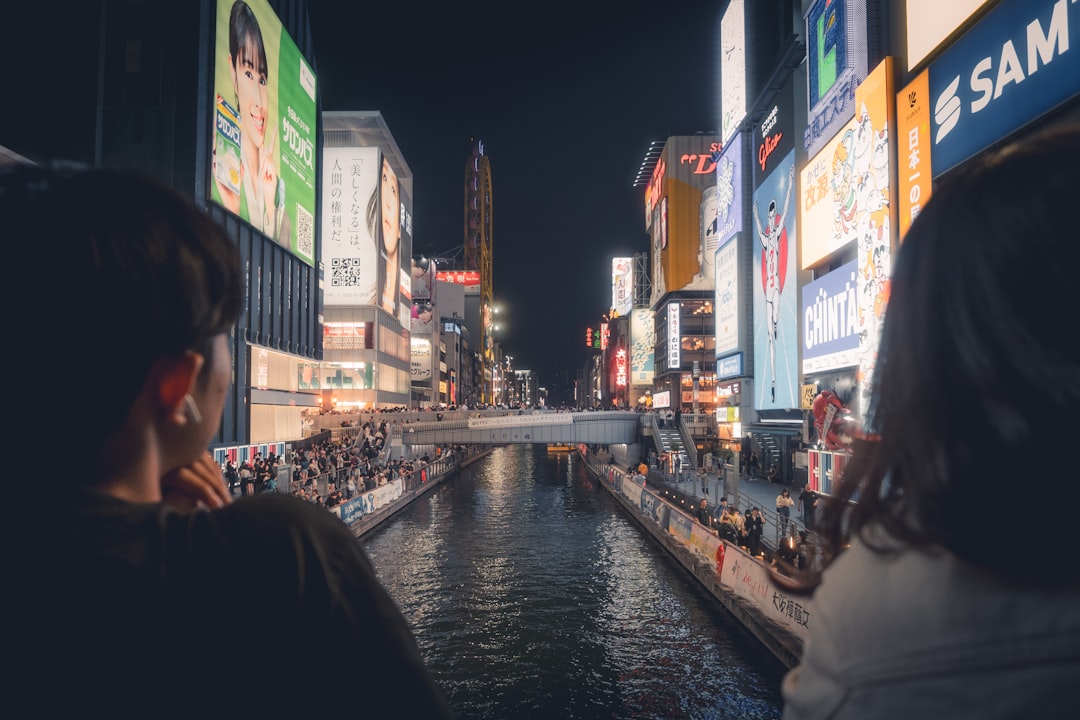
Every major Japanese city installs illumination displays from mid-November through February. The quality varies from generic commercial lighting to genuine spectacle.
Kobe Luminarie: The most historically significant — established in 1995 as a memorial to the Great Hanshin earthquake. Annual displays of LED light structures run through city blocks in December.
Nabana no Sato (Nagashima, near Nagoya): Japan’s most elaborate illumination display on a large resort island. Tunnels of light, floral displays, and 20+ million LED bulbs. Requires a full evening.
Sagano Romantic Train Illumination (Kyoto): The scenic Sagano Torokko Train runs through the bamboo-lined Hozugawa valley with special illuminated evening services in winter.
Tokyo Midtown Illumination (Roppongi): Blue light installations across the plaza and surrounding trees — restrained compared to Nabana no Sato but more architecturally integrated.
What to Wear
Japan in winter requires serious preparation. The country’s traditional building style prioritizes summer cooling over winter insulation — many ryokan corridors, temple buildings, and some restaurant spaces are genuinely cold.
Layering is essential:
- Thermal base layer (merino wool is better than synthetic for consecutive days)
- Mid-layer fleece or down
- Outer shell for snow regions (waterproof, windproof)
- Good walking boots (waterproof, with grip — city streets may be icy in north Japan)
- Gloves, hat, and a warm enough scarf that you can spend an outdoor rotenburo session without your neck getting cold
Convenience stores are your friend: Every 7-Eleven and Lawson sells hand warmers (kairo), cheap thermal tights, umbrellas, and hot drinks. A pocket kairo costs ¥100 and lasts 12+ hours.
Budget Advantage
Winter (outside Christmas week and New Year) is the cheapest time to visit Japan. A Kyoto ryokan that costs ¥25,000 per person in autumn cherry blossom season costs ¥15,000 in January. Business hotels in Tokyo drop 30-40%. Domestic flights are less competitive for winter dates, but Shinkansen remains unchanged.
The overall winter travel budget for Japan runs 20-30% lower than spring or autumn equivalent travel. For visitors with flexibility on timing, this alone justifies winter travel.
Practical tips
- JR Shinkansen is rarely affected by snow (the major lines use extensive snow management infrastructure)
- Local trains in Hokkaido and Tohoku can have delays or cancellations in heavy snowfall — build buffer time
- Ski areas have English instruction widely available; rental equipment is high quality
- February 11 (National Foundation Day) is a public holiday — domestic travel peaks; book accommodation early if traveling that week
Plan your trip