Japan's Autumn Foliage (Momiji): Where to Go and When
Plan your trip
Japan’s autumn foliage season — koyo (紅葉) — runs from mid-September in Hokkaido to late December in southern Kyushu. It moves southward and downward in elevation at a rate of roughly 70 km per day, giving the country a six-week window during which some region is always at peak color. Tracking it is a national preoccupation: weather services publish weekly koyo forecasts with front maps as detailed as cherry blossom tracking.
The experience at the best spots — a maple-covered hillside at dusk, a garden pond reflecting orange and red, a mountain path through copper-colored maples — is comparable to sakura season in visual intensity. Hotel prices reflect this: popular destinations in peak weeks are booked months ahead.
Understanding the Season
Koyo refers specifically to the autumn color change. The main trees:
Momiji (紅葉) — Japanese maple. Turns brilliant red and orange; the most celebrated autumn tree. The word momiji is used for both the maple and for autumn foliage generally.
Ginkgo (Ichō) — turns pure yellow. Massive old ginkgo trees line temple approaches and park boulevards; when they turn simultaneously, the effect is a solid wall of yellow.
Lacquer trees (Urushi) — turn deep crimson.
Cherry trees (Sakura) — their foliage, often overlooked in the spring flower focus, also turns orange-red in autumn.
Peak timing: When daytime temperatures drop below 20°C and nights drop below 10°C, color change accelerates. Peak color typically occurs 2–3 weeks after temperatures first drop. The Japan Meteorological Corporation and major weather services publish real-time koyo forecasts — check them 2–4 weeks before your trip to calibrate timing.
Hokkaido — September to October
Hokkaido has Japan’s earliest autumn foliage, typically 4–6 weeks ahead of the mainland. This makes it possible to see peak color in early October while most of Japan is still green.
Daisetsuzan National Park — the Asahidake summit area usually reaches peak color in mid-September. The ropeway takes you above the tree line where alpine vegetation is already turning. By late September, the slopes visible from the ropeway platform are streaked orange and gold.
Sounkyo Gorge — the canyon walls reach peak color in late September to early October. The basalt columns of the gorge walls, combined with the maple and mountain ash turning red and orange, make this one of Hokkaido’s most photographed autumn landscapes.
Noboribetsu / Jozankei Onsen (near Sapporo) — popular weekend destinations from Sapporo for koyo combined with onsen bathing. Peak typically early October.
Tohoku — October
Towada-Hachimantai National Park (Akita/Aomori) — the caldera lake and surrounding highlands, peak usually early October. The crater lake Towada with red foliage reflected in still water is one of the great autumn landscapes in Japan.
Naruko Gorge (Miyagi) — a narrow river gorge with maple-covered slopes and a single-arch bridge above it. The viewing platform above the gorge at peak color (mid-October) is accessed by a short walk; the leaf density here is exceptional.
Yamadera Temple (Yamagata) — the mountain temple of Risshaku-ji, with stone stairs climbing through cedar and maple to the summit complex. In autumn, the maple color fills the valley below the upper platforms. Combines well with Ginzan Onsen (30 minutes away).
Nikko — Late October to Mid-November
Nikko’s forested mountain setting makes it one of the best non-Kyoto destinations for autumn color. The cedar avenues, the temple compounds, and the Kegon Falls area all peak simultaneously.
The Irohazaka switchback road to Lake Chuzenji — 47 hairpin turns through maple forest — is at its most dramatic when the canopy closes overhead in orange and red. The color is visible from the road; descend on the inner road (Irohazaka 1) and ascend on the outer road (Irohazaka 2) to see both perspectives.
The Toshogu shrine grounds at peak color: the maple and ginkgo against the gold and red lacquer of the buildings is the combination Nikko was built for.
Kyoto — Mid-November to Early December
Kyoto is the apex of the Japanese autumn foliage experience — the density of temples and gardens with designed landscapes means peak color here is more carefully framed and more deliberately beautiful than anywhere else.
Best spots:
Tofuku-ji — the Zen temple most associated with autumn color: the Tsutenkyo Bridge spans a ravine filled with maple trees, and at peak color the bridge is immersed in red and orange canopy from above and below. The most photographed autumn image in Kyoto. Arrive at opening (8:30am) to beat the crowds; afternoon lines can be an hour.
Kiyomizudera — the autumn foliage viewed from the wooden stage looking out over the hillside is equal to the spring cherry blossom view. The night illumination events in autumn (usually late November) show the foliage lit from below against a dark sky.
Eikan-do (Zenrin-ji) — the temple in the Nanzen-ji area with one of the most loved maple gardens in Kyoto. The path from the main hall to the pagoda view point passes through enclosed maple corridors. Night illuminations are held annually. Admission ¥1,000.
Rurikoin (Higashiyama-ku) — a recently opened private villa with a celebrated autumn maple garden, with a specific view: the maple reflection in the lacquer tabletop by the window, which shows the garden doubled. Admission tickets are by advance reservation only; they sell out very early. Worth trying.
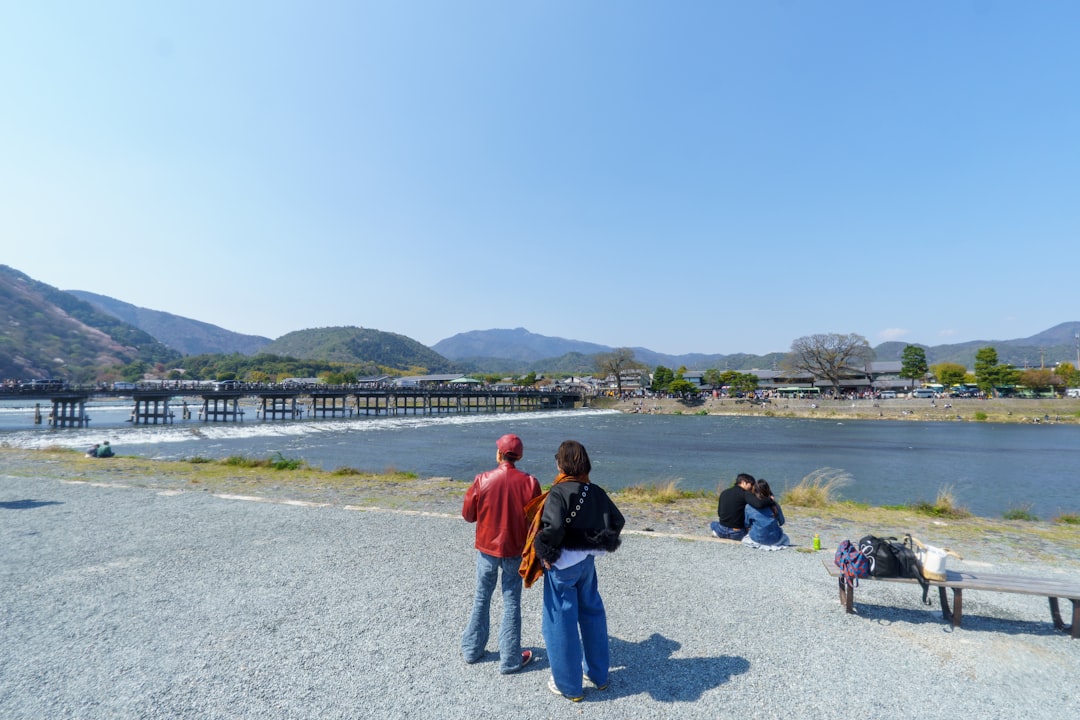
Arashiyama — the bamboo grove turns less dramatically than the maple temples, but the hillside behind Jojakko-ji becomes copper-orange in mid-November. The Tenryu-ji garden pond reflects color on still days.
Nanzen-ji — the large Zen complex with the 19th-century aqueduct and multiple sub-temples. The sub-temple Nanzen-in has a garden built around the aqueduct with maple concentration around the pond.
Night illuminations (momiji raito-appu): Kiyomizudera, Eikan-do, Kodai-ji, and Tofuku-ji all run evening illumination events during peak weeks (usually 5:30–9pm). The combination of colored light, pond reflections, and autumn leaves is worth the extra ticket price. Book in advance — evening admission often requires separate tickets.
Nara and the Yoshino Mountains
Nara Park — the ginkgo trees along the main approach avenues turn yellow in late November. The combination of deer, colored leaves, and Nandaimon gate is specifically Nara’s autumn aesthetic.
Yoshino (Nara Prefecture, 90 minutes from Nara) — the mountain town famous for cherry blossoms in spring is equally compelling for autumn foliage. The four zones of mountain that are covered in sakura in spring turn crimson in autumn. Less visited than Kyoto but serious.
Kanazawa and the Japan Sea Coast — November
The Kenroku-en garden at peak autumn color (late October–mid-November): the combination of the mature specimen trees — old pines, maples, ginkgo — and the garden’s spatial design makes this one of the strongest autumn experiences outside Kyoto. The yukizuri rope structures go up in November, creating the specific Kanazawa winter-autumn overlap image.
Planning Advice
Timing variability: The peak can shift 1–2 weeks depending on summer temperature and rainfall. Check the forecasts 2–3 weeks in advance rather than assuming fixed dates.
Crowds: Tofuku-ji, Kiyomizudera, and Arashiyama at peak weekend are comparable to cherry blossom season crowding. Tuesday–Thursday visits and early morning entries make these manageable. Kyoto’s popular spots are better mid-week.
Accommodation: Book Kyoto accommodation for late November at least 2–3 months in advance. Weekends in peak week require even earlier booking.
Combine with onsen: The autumn foliage + mountain onsen combination is specifically satisfying — the onsen towns of Nikko, Kinosaki, and Ginzan Onsen all benefit from the season timing.
Photography: Diffused light on overcast days is better for color photography than direct sunlight, which bleaches the reds. Early morning mist in mountain locations adds depth to the scene.
The thing about Japan’s autumn color that photographs don’t convey is the scale of coverage — in the right week, in the right location, it’s not one spectacular tree but an entire hillside or valley floor at maximum intensity simultaneously. That combination of precision (each tree has its specific peak) and simultaneity (they all peak together) is what makes koyo worth planning around the same way you’d plan around sakura. The results justify it.
Plan your trip