Onomichi: The Hillside City and the San'yo Coast
Plan your trip
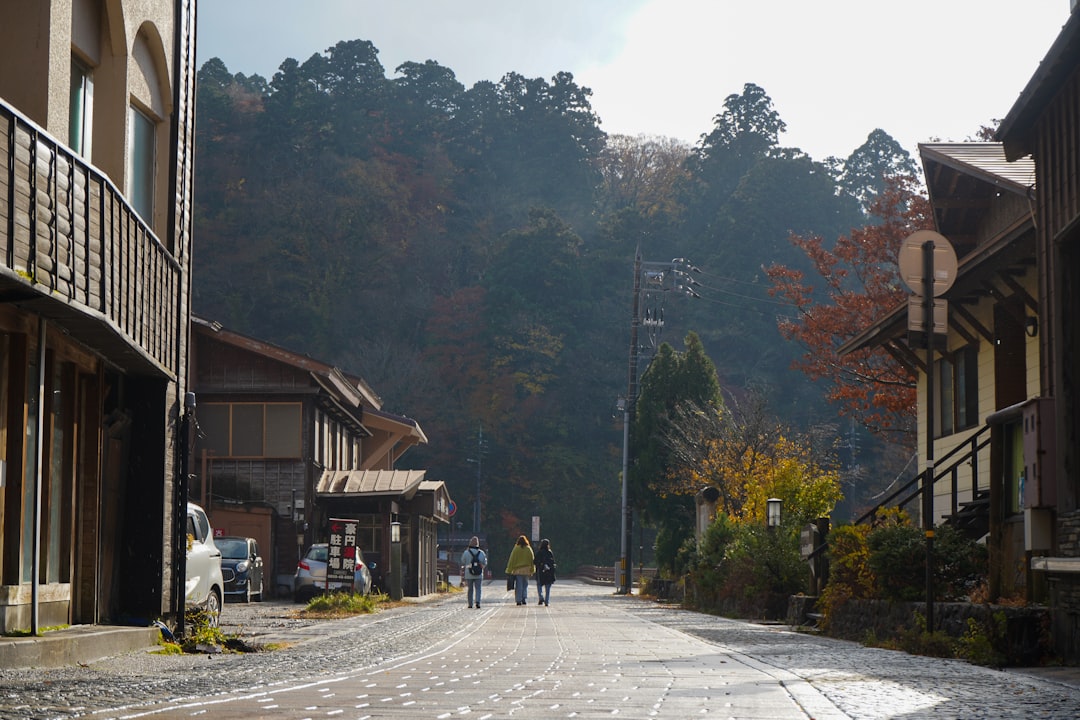
Onomichi climbs a hill. The train station sits at sea level, the Seto Inland Sea in front; behind the station the hill rises steeply, and the town — its temples, its narrow paths, its machiya townhouses — is arranged on that slope. The cable car (ropeway) provides access to the hillside; the Sando (temple walk path) threads through 25 Buddhist temples and Shinto shrines along the slope.
The city appears repeatedly in Japanese cinema. Yasujiro Ozu used Onomichi for the opening and closing sequences of Tokyo Story (1953) — the elderly parents’ hometown, where the film begins and returns for the funeral. Nobuhiro Suwa, Shinji Somai, and others followed. The accumulated cinematic presence gave Onomichi a specific melancholy quality in cultural consciousness; actual Onomichi is less melancholy and more quietly alive.
Getting There
From Hiroshima: JR San’yo Line to Onomichi (75 minutes, ¥1,340). JR Pass valid. The San’yo Line runs along the coast; the approach from the west on the inland sea side gives sea views.
From Fukuyama: JR to Onomichi (22 minutes, ¥330). Fukuyama is on the Shinkansen route from Tokyo/Osaka.
From Osaka: Shinkansen to Fukuyama (90 minutes), then JR to Onomichi (22 minutes).
The Temple Walk (Sando)
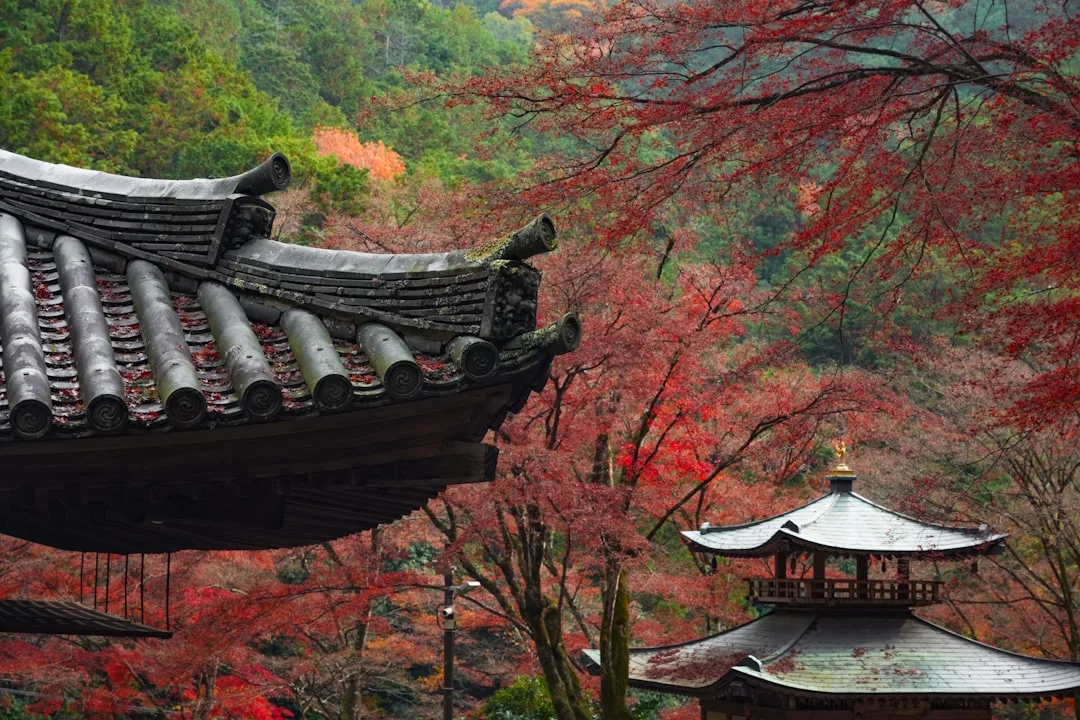
The official Onomichi Temple Walk links 25 temples and shrines on the hillside in a circuit of approximately 2.5 km. The path passes through stone-walled lanes, up steep stone steps, and through small garden areas, arriving periodically at temple halls with views over the inland sea.
Key temples:
Tenneiji: Large temple at the midpoint of the walk with extensive grounds and a bell tower. The adjacent small garden overlooks the sea.
Saikoku-ji: The largest temple in the walk — the approach through a long stone staircase flanked by stone lanterns leads to the main hall and the hillside area behind it. A three-story pagoda visible from the approach road is one of Onomichi’s landmark silhouettes.
Jodo-ji: Near the upper end of the walk; the most visually intact of the temple buildings, with original Kamakura-period structures.
Fukuzen-ji Tachibanadai: The temple with the best view over the Seto Inland Sea — from the elevated garden, the view of the water, the islands, and the fishing boat traffic is what Ozu used as the film’s establishing landscape.
Walk duration: 2–3 hours for the full circuit including stops. The ropeway from the base of the hill reduces the initial climb (¥500 round trip, ¥280 one-way); walking both ways adds another 30 minutes but is manageable.
Cat Culture
Onomichi has a resident cat population across the hillside temples — cats on stone walls, cats sleeping in temple gardens, cats in narrow lanes. The concentration and familiarity (the cats are used to humans) has made Onomichi one of Japan’s most famous “cat towns” (neko no machi).
Neko no Hosomichi (Cat Alley): The specific narrow passage on the hillside between two particular temples where the cat density is highest, and where small ceramic cat ornaments are placed along the walls by residents. The actual cats appear irregularly; morning and late afternoon have the most cat activity.
The cats in Onomichi are a result of the geography (the hillside keeps them relatively undisturbed) and the specific urban culture of a small city where individual neighborhood character persists.
The Onomichi Literary and Film Tradition
Ozu films: Tokyo Story (1953) is the most famous; There Was a Father (1942) and O-Choro-san also use Onomichi. For viewers of these films, recognizing specific locations — the street in front of the station, the hillside view, the specific quality of light — adds to the visit.
Naoya Shiga’s early writing: The novelist Naoya Shiga lived in Onomichi for a period and set his early work here. Wakai (Reconciliation) references the specific quality of light and atmosphere that the inland sea creates.
Tomonoura
20 minutes south of Onomichi by bus or 30 minutes by ferry: the town of Tomonoura, a historically preserved port village on the Seto Inland Sea. Tomonoura was the primary transit stop for ships using the tidal currents to pass through the Seto Inland Sea during the Edo period; the town and its harbor have barely changed.
Why Tomonoura is worth the detour: The stone quayside, the traditional warehouses facing the water, the lighthouse-style Joyato tower (the only surviving harbor lighthouse of its type in Japan), and the view from the hillside to the islands — Tomonoura is the Seto Inland Sea port town as it actually was. Most similar towns were modernized; Tomonoura was not.
The Hayao Miyazaki connection: Miyazaki visited Tomonoura while working on Ponyo (2008) and the town’s visual character is reflected in the film’s port setting. A small exhibition room in the town covers the connection.
Tai-ryori (sea bream cuisine): Tomonoura is a major sea bream (madai) fishing area; the local restaurants serve tai-meshi (sea bream rice) in the inland sea style.
Getting there: Fukuyama → Onomichi by JR, then bus or ferry to Tomonoura. Or Fukuyama → Tomonoura directly by bus (30 minutes from Fukuyama Station).
Innoshima and Ikuchijima
The first islands of the Shimanami Kaido are accessible from Onomichi by ferry — a 20-minute crossing to Mukaishima, then bridges onward. The ferry system operates independently of the cycling route; passengers can ride without bikes.
Ferry from Onomichi: Onomichi → Mukaishima (5 minutes, ¥110); Onomichi → Setoda/Ikuchijima (70 minutes, ¥1,200). The longer ferry route to Setoda is the scenic option — the full inland sea crossing past multiple islands.
Practical Notes
Time needed: Full day for Onomichi including temple walk, cat alley, and one meal. Half-day + half-day for Tomonoura combination.
Accommodation: Several guesthouses have opened in renovated townhouses in Onomichi’s hillside lanes — staying on the hillside rather than at the sea-level business hotels gives access to the evening atmosphere (temple bells, sea sounds, no car traffic). Onomichi U2 (converted warehouse + hotel complex near the ferry pier) is the design-forward option with a bicycle-focused concept.
Coffee culture: Onomichi has a disproportionately developed independent café culture for a small city — the hillside lanes have several small cafes in old buildings that have developed cult followings for specific roasts and specific views. The Onomichi Coffee brand from Onomichi’s roasters has spread nationally.
Onomichi is the city that rewards arriving at a slow speed — by regular train rather than Shinkansen, walking the hill rather than taking the ropeway, staying overnight rather than day-tripping. The hillside at 7am before the temple walk fills is a different experience from the midday tourist version, and the ferry crossing to Tomonoura at low tide with the islands reflecting in the still water is one of the better views in western Japan.
Plan your trip