Yanaka: Tokyo's Most Intact Old Neighborhood
Plan your trip
The area known as Yanesen — a portmanteau of three adjacent neighborhoods: Yanaka, Nezu, and Sendagi — sits in the northern part of the Taito ward, between Ueno and Nippori. The topography (the area is on a low plateau above the surrounding lowlands) may be partly responsible for its survival: it was less vulnerable to flooding and less directly targeted in the firebombing campaign of 1945 than the shitamachi districts closer to the Sumida River.
What survived is a residential neighborhood where the built environment has a density and character that most of Tokyo lost. The lanes are narrow enough that two people walking side by side require care; the wooden houses have proper engawa (covered verandahs) and machiya lattice windows; the family temples — there are over 70 Buddhist temples in Yanaka alone — occupy their original plots. It is genuinely old in a way that is not maintained for tourism but simply persisted.
Yanaka Ginza
The commercial street that anchors Yanaka’s daily life: a 200-meter covered and uncovered shopping arcade with approximately 70 shops — butchers, tofu makers, rice shops, senbei sellers, cat figurine shops, and small food stalls. The street dates from the postwar reconstruction period when residents built a market to serve the neighborhood.
What to eat: The croquettes (korokke) from the butcher at the top of the street are the iconic Yanaka Ginza street food — hot, fresh, and cheap (¥100–150). The menchi katsu (ground meat cutlet) from the same style of shop is similar. The tofu shop at the far end sells fresh yudofu (hot tofu) for eating on the spot.
The Yuyake Dandan slope: The stone steps at the west entrance to Yanaka Ginza, descending from the Nippori Station plateau, are the most photographed angle in Yanaka — the view down the steps to the shopping street below, with neighborhood houses on both sides, captured at sunset (yuyake = evening glow).
Cat culture: Yanaka has a substantial cat population and a local tradition of tolerance for stray cats. The figurine shops, cafés, and craft goods throughout the area reflect this; actual cats appear on temple walls and in lanes. The neighborhood has a reputation as the most cat-positive area in Tokyo.
Yanaka Cemetery
The large cemetery north of Yanaka Ginza is one of the most atmospheric in Japan — less theatrically so than Okunoin at Koyasan, but more integrated into ordinary urban life. The cemetery (established 1874) is the final resting place of the last Tokugawa shogun (Tokugawa Yoshinobu), multiple prominent Meiji-era figures, and generations of Yanaka residents.
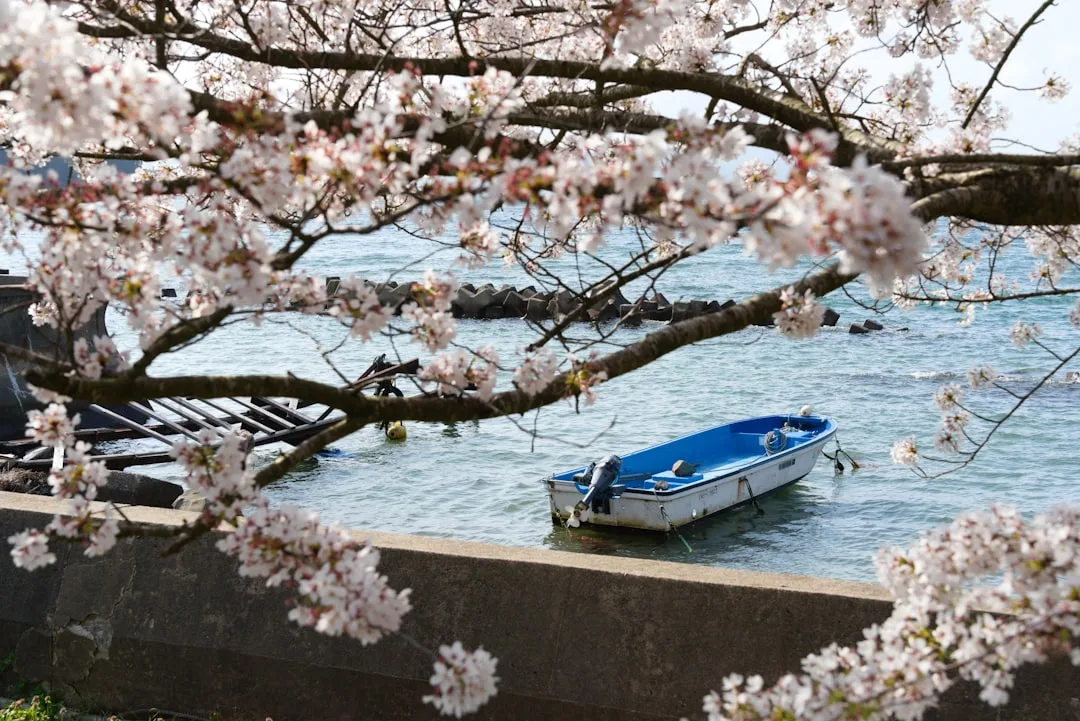
The main path through the cemetery is flanked by large cherry trees — one of the best hanami (cherry blossom viewing) spots in Tokyo, and significantly less crowded than Ueno Park or Shinjuku Gyoen. The tombstones range from simple granite blocks to elaborate carved stone monuments from the Meiji period.
The cemetery is a functional working space — families visit to maintain graves, flowers are fresh on many stones, incense smoke appears in various corners. It functions as both a park and a sacred site simultaneously, in the specifically Japanese way that blurs these categories.
Temple Circuit
The 70+ temples in Yanaka represent one of the densest concentrations of Buddhist temples in central Tokyo. Most are small family temples (dankadera) serving specific parishioner communities rather than famous tourist destinations.
Tennoji Temple: The main large temple in the area, with a cemetery garden and a large seated Nirvana Buddha (the nehanzo — the reclining Buddha at the moment of passing). Visible from the main cemetery path.
Asakura Choso Museum: The house and studio of the Meiji-era sculptor Asakura Fumio, preserved as a museum. The studio has north-facing glass roof panels designed for sculptor’s light; the rooftop garden has panoramic views. Admission ¥500. Closed Monday and Friday.
SCAI The Bathhouse: A contemporary art gallery operating inside a preserved 200-year-old bathhouse (sento) — the interior conversion left the vaulted ceiling and tiled walls partially visible. Shows contemporary Japanese and international artists. Free entry; check schedule.
Nezu Shrine
At the southern edge of the Yanesen area: Nezu Jinja, one of Tokyo’s five major shrines and one of the few Shinto shrines in Tokyo that retains its Edo-period architectural complex largely intact. The vermilion otorii tunnel leading to the secondary shrine complex is a smaller-scale version of Fushimi Inari’s torii gates — constructed here, without the crowds.
Azalea season (tsutsuji): April–May, the hillside garden behind the main shrine is planted with approximately 3,000 azalea bushes, creating terraced banks of pink and white bloom. The Nezu Shrine Tsutsuji Matsuri runs late April–early May; the garden is open for ¥200 during the festival.
Craft Workshops and Shopping
Yanaka’s craft tradition reflects the neighborhood’s history as a place where artisans lived. Several workshops remain in operation:
Isetan Mitsukoshi Yanaka: Not the department store — a small local pottery and craft goods shop.
Kankodo: Traditional woodblock print shop.
Yanaka Matsunoya: Handmade household goods, traditional crafts in functional formats — wooden trays, lacquerware, metalware. The standard for the type of “beautifully made everyday object” shopping that Yanaka is good for.
Practical Notes
Getting there: Nippori Station (JR Yamanote Line, 4 minutes from Ueno) or Yanaka Station (Tokyo Metro Chiyoda Line). From Nippori, walk south past the cemetery entrance — the Yuyake Dandan steps down to Yanaka Ginza are 5 minutes.
Half-day vs full day: Half-day (3–4 hours) covers Yanaka Ginza, the cemetery, and Nezu Shrine comfortably. A full day allows slower exploration of the craft shops, the Asakura museum, SCAI, and the surrounding Sendagi and Nezu lanes.
Combine with: Ueno is 15 minutes walk south — the Tokyo National Museum, the National Museum of Western Art, Ameyoko market, and the cherry-blossom-famous Ueno Park form a natural combination. A morning in Yanaka and an afternoon in Ueno is a strong east Tokyo day.
Yanaka offers the version of Tokyo that most tourists assume doesn’t exist anymore: the narrow lanes, the smell of tofu and incense, the cats on stone walls, the neighborhood that operates for the people who live there. It’s still here because it was lucky, and because the people who live here have maintained the conditions for it to continue being what it is.
Plan your trip